Creme Brulee
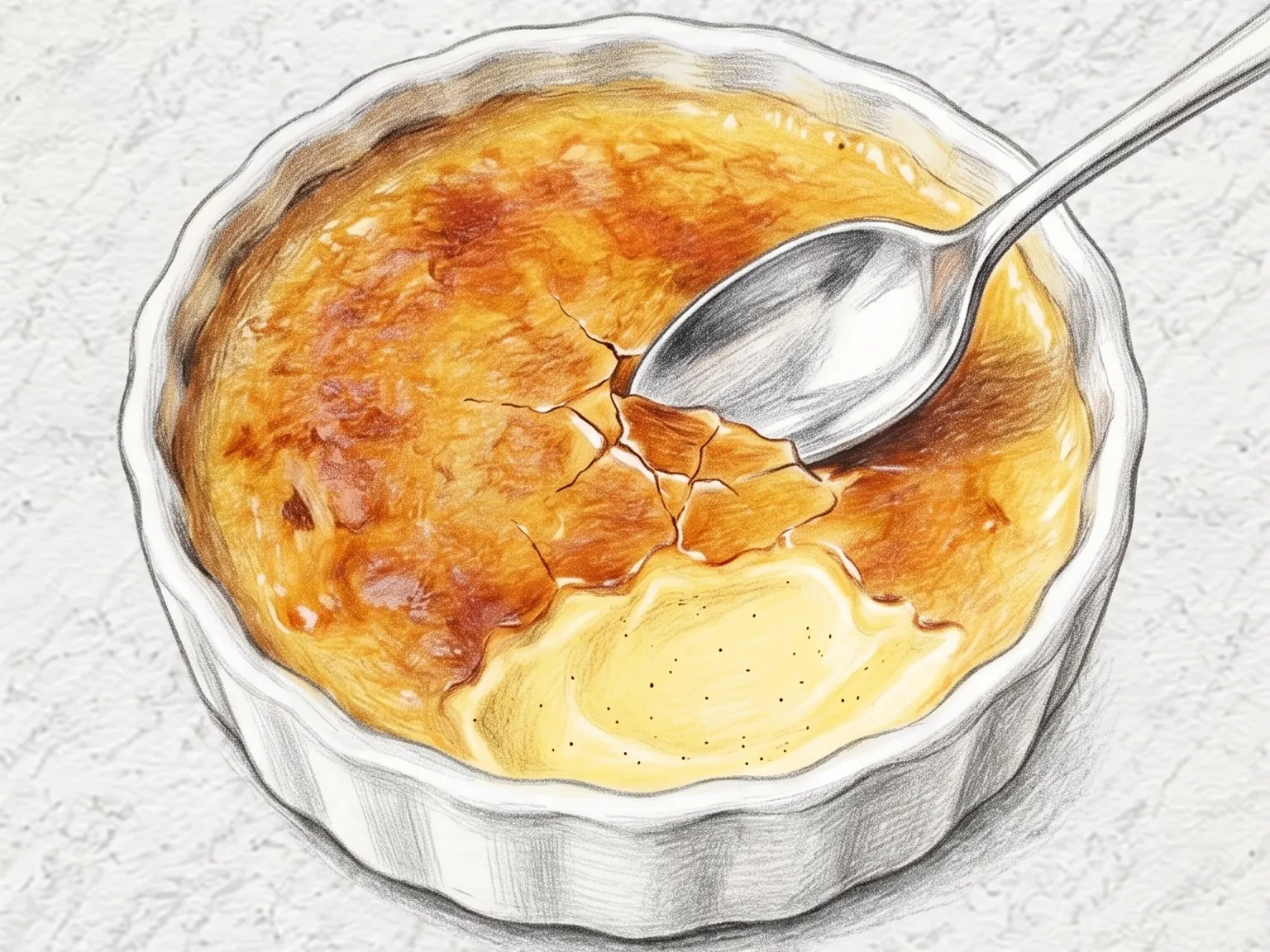
Creme brulee is a French custard dessert made from just four components: egg yolks, heavy cream, sugar, and vanilla bean. Hot cream infused with vanilla seeds is tempered into beaten yolks and sugar, then poured into ramekins and baked in a water bath at low heat. The water bath moderates the temperature, preventing the custard from curdling or developing bubbles, yielding a surface as smooth as silk. After thorough chilling, a thin layer of sugar is sprinkled on top and caramelized with a torch until it forms a glassy, amber-colored crust. The ritual of cracking through that crust with a spoon is as integral to the experience as the flavor. Beneath lies cold, trembling custard that melts on the tongue, while the hot caramel introduces a bittersweet crunch.
Adjust Servings
Instructions
- 1
Preheat oven to 150C and place ramekins in a deep baking tray.
- 2
Heat cream with vanilla bean on low heat to infuse flavor.
- 3
Whisk yolks with sugar, then temper gradually with warm cream.
- 4
Strain into ramekins and add hot water to the tray for a water bath.
- 5
Bake for 35-40 minutes, cool, then chill at least 3 hours.
- 6
Sprinkle sugar evenly and torch until caramelized, then serve immediately.
As an Amazon Associate, we may earn from qualifying purchases.
Tips
Nutrition (per serving)
More Recipes

Ile Flottante (Poached Meringue on Vanilla Custard)
Ile flottante presents a cloud of poached meringue floating on a pool of chilled vanilla custard sauce. Stiffly beaten egg whites are shaped into rounds and gently poached in hot milk, cooking just enough to set the exterior while the center remains airy and marshmallow-soft. The custard beneath is a creme anglaise made from egg yolks, sugar, milk, and vanilla bean, cooked slowly until it coats the back of a spoon with a silky consistency. The contrast between the weightless meringue and the rich, creamy sauce defines the eating experience: each spoonful combines something ethereal with something indulgent. Thin threads of caramel drizzled over the meringue just before serving add a brittle sweetness and a golden visual accent. Despite having only a handful of components, the dessert demands precision at every stage.

Canelé (Bordeaux Caramelized Rum Vanilla Custard Cake)
Canelé is a small French pastry from Bordeaux with a caramelized, almost burnt exterior and a soft, custardy interior perfumed with vanilla and rum. The batter - milk, eggs, flour, sugar, vanilla bean, and dark rum - is simple, but the technique is demanding. It must rest overnight in the refrigerator to relax the gluten and allow the flavors to meld. Traditional copper molds are coated with beeswax, which creates the distinctive lacquered crust during high-temperature baking. The contrast between the thin, crackly shell and the yielding, moist center is what makes each bite compelling. The vanilla and rum fragrance intensifies as the surface caramelizes, producing a depth of flavor that belies the simplicity of the ingredients. Canelés are at their best within two hours of baking, after which the crust gradually loses its crispness to the moisture migrating from within.

Charlotte Russe (Ladyfinger Bavarian Cream Chilled Dessert)
Charlotte Russe is a classic French chilled dessert that molds ladyfinger biscuits around a Bavarian cream - a vanilla custard lightened with whipped cream and set with gelatin. The custard base is cooked gently to avoid curdling, then folded with softly whipped cream while the gelatin is still liquid, creating an airy mousse that firms in the refrigerator. Ladyfingers line the mold vertically, their sugar-crusted exterior facing outward. As the filling sets, the interior surface of each biscuit absorbs moisture and softens, while the outer side stays dry and crisp. Unmolding reveals a neat cylinder of biscuits encasing the smooth, pale mousse - a presentation that looks elaborate but is achievable with patience. A drizzle of berry coulis or a scattering of fresh fruit adds color and acidity that cuts through the richness, though the dessert is also complete on its own.

Flan Parisien (Parisian Vanilla Custard Tart)
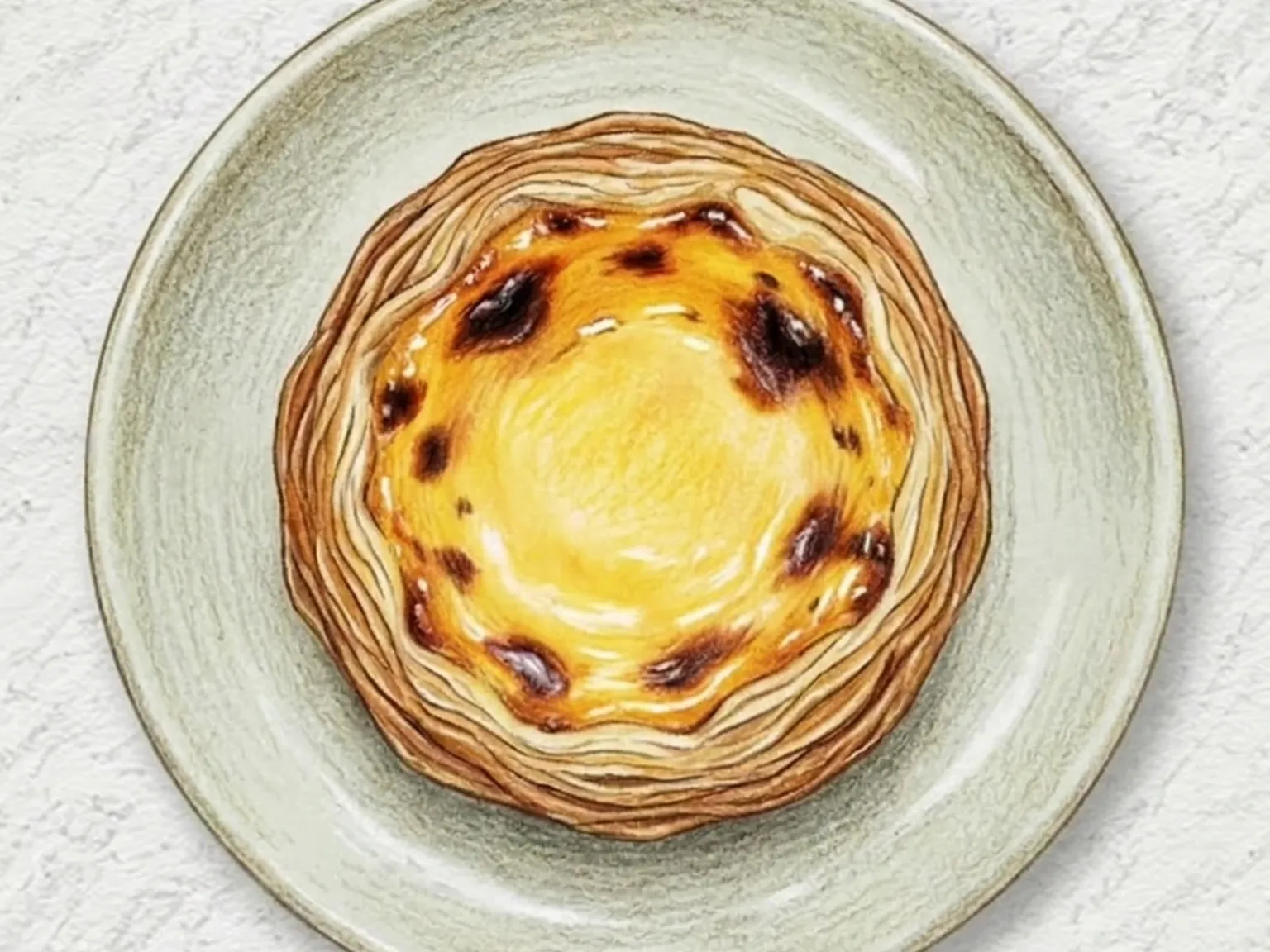
Flan Parisien is a Parisian bakery staple found in nearly every boulangerie in the city. A buttery shortcrust pastry shell holds a thick, firm vanilla custard that bakes slowly until the top develops caramelized brown spots. The custard is made from milk, eggs, sugar, and cornstarch, which gives it a denser, sliceable consistency that distinguishes it from softer baked custards like creme brulee. When properly cooled, the filling holds its shape when cut yet melts smoothly on the tongue with a clean vanilla flavor. Vanilla bean seeds speckled throughout the custard signal that the real ingredient was used rather than extract. The pastry shell must be blind-baked first to prevent sogginess, then filled and baked again until set. It is served cold, and the contrast between the crisp, buttery shell and the cool, trembling custard makes each bite satisfying.

Clafoutis (French Baked Cherry Custard Dessert)
Clafoutis is a traditional French dessert from the Limousin region, made by pouring a thin batter of eggs, sugar, milk, and flour over fresh cherries arranged in a buttered baking dish. Baking at 180 degrees Celsius for thirty to thirty-five minutes puffs the batter into a texture between a pancake and a baked custard - golden and lightly set at the edges, moist and tender around the fruit. The cherries release their tart juice into the surrounding batter during baking, creating pockets of concentrated fruit flavor. Vanilla extract rounds out the egg-and-milk base. Serving the clafoutis slightly warm rather than fully cooled preserves its soft, custardy consistency.

French Onion Tart
French onion tart starts with onions cooked low and slow in butter for over twenty minutes until they collapse into a deep amber mass with concentrated sweetness and no trace of their raw sharpness. The caramelized onions are spread over a blind-baked tart shell, covered with a custard of egg, heavy cream, and thyme, then topped with grated Gruyere cheese before baking at 190 degrees until the filling sets and the cheese browns into a salty crust. The onion flavor dominates every bite, and thyme provides an herbal note that keeps the sweetness from becoming heavy. This tart holds up well at room temperature, making it practical for brunch spreads or outdoor meals alongside wine.