Charim

2686 Korean & World Recipes

2686+ Korean recipes, clean and organized. Ingredients to instructions, all at a glance.

Croque Monsieur (Béchamel Ham and Cheese Melt)

Croque Monsieur (Béchamel Ham and Cheese Melt)

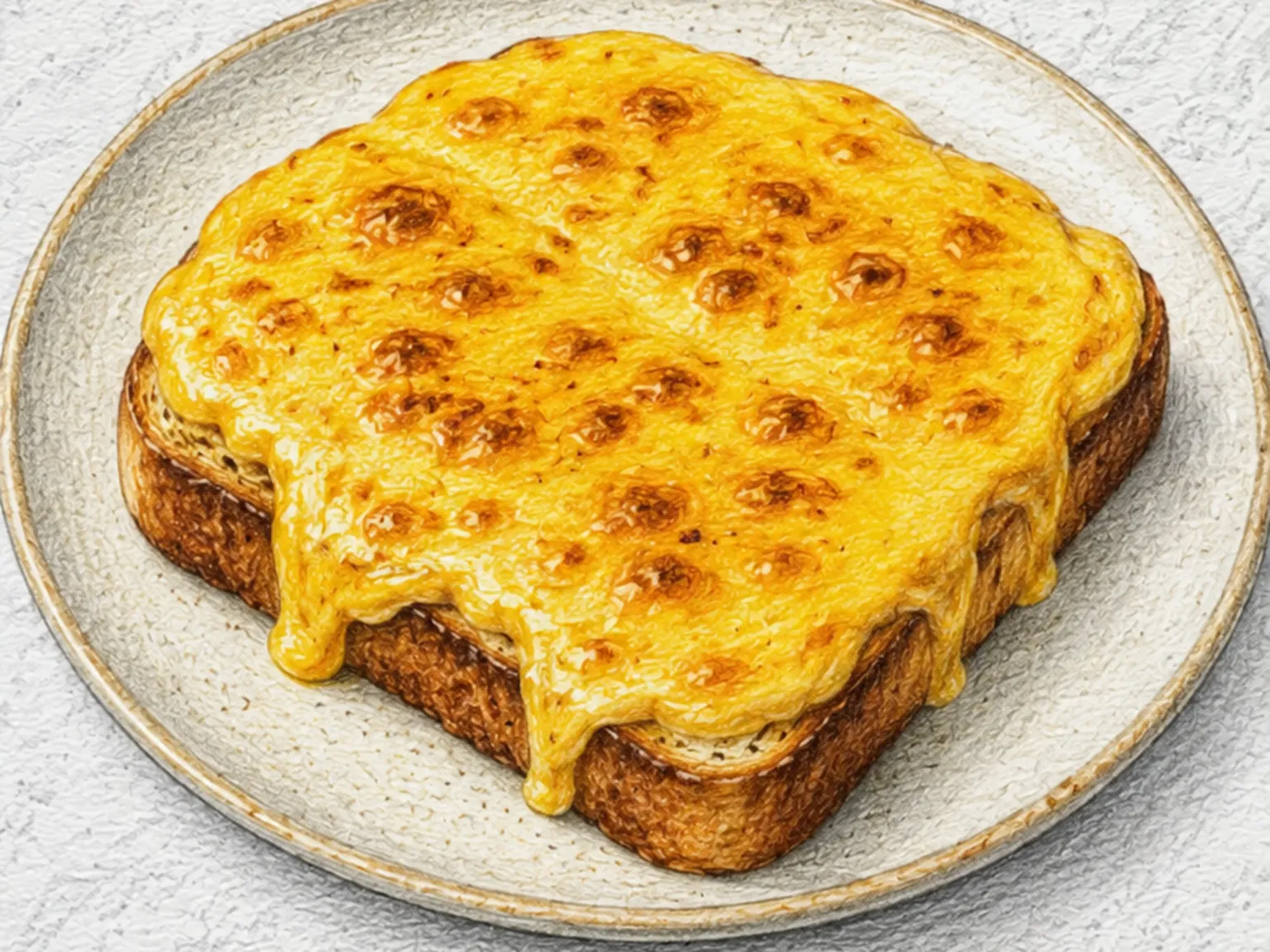
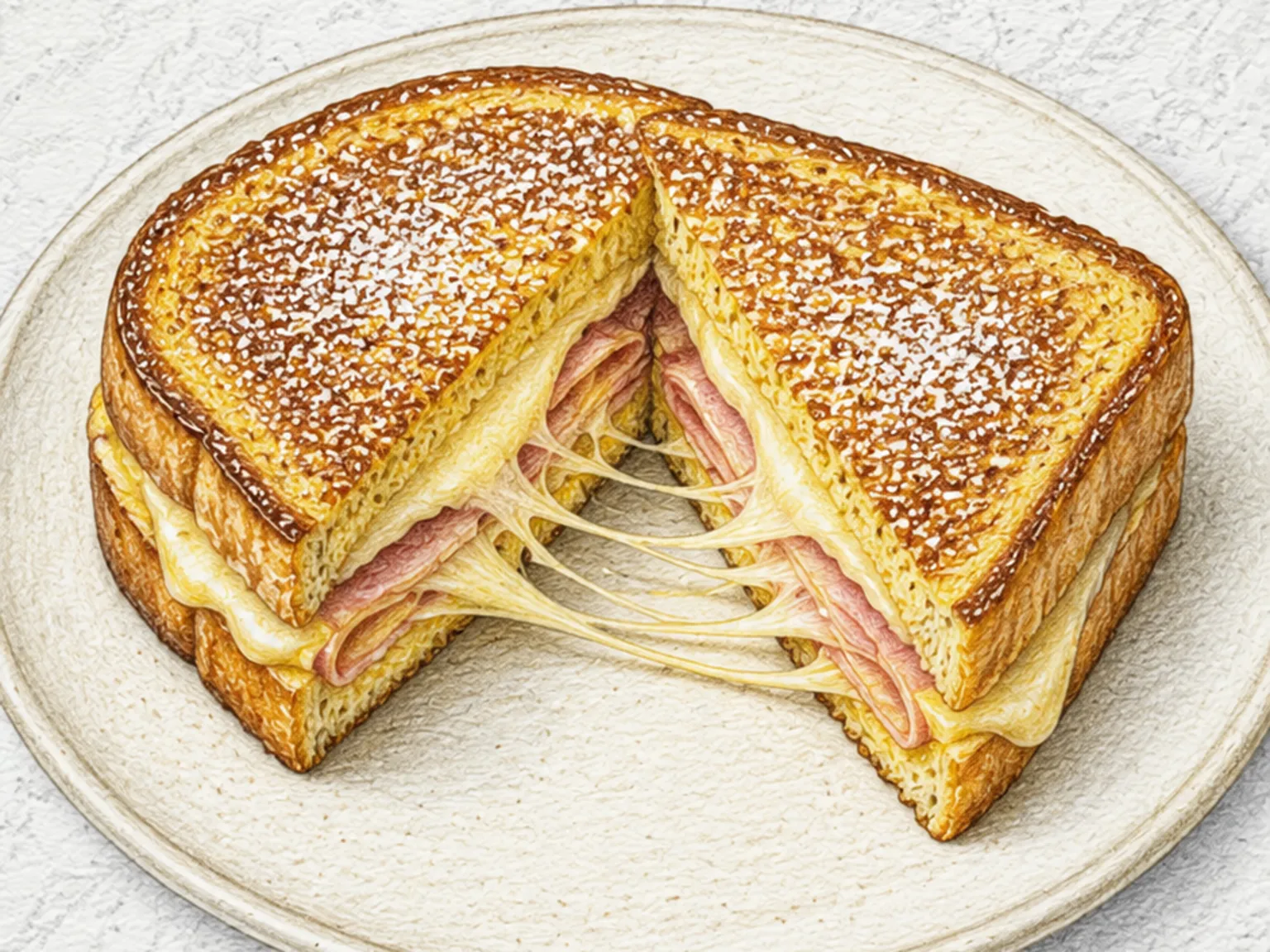
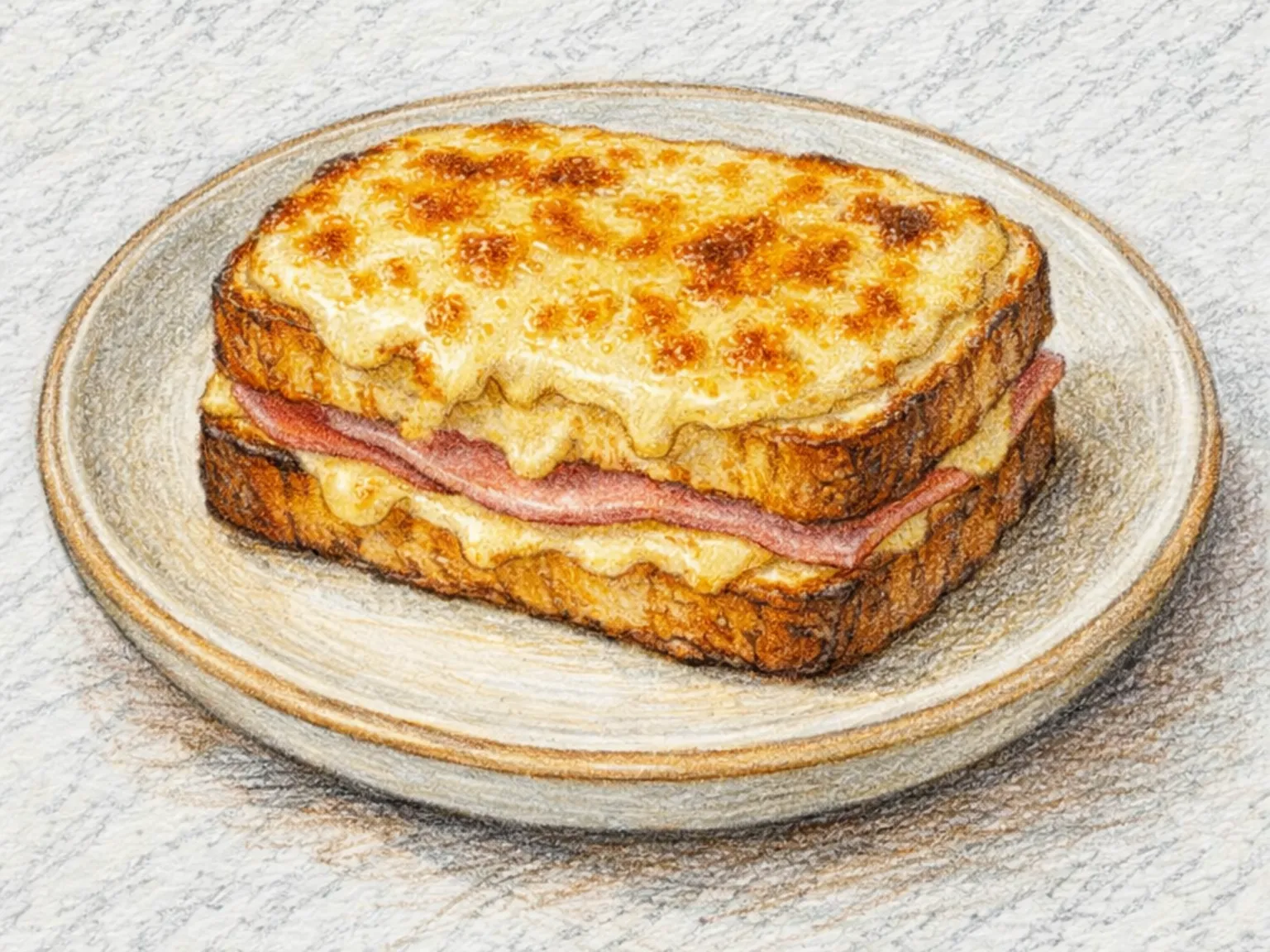
Croque monsieur is a Parisian café classic built on a smooth béchamel sauce made from a butter-flour roux whisked with warm milk. One slice of white bread is spread with Dijon mustard before being layered with sliced ham and grated Gruyère cheese. The second slice tops the sandwich, which then gets a generous coat of béchamel and more cheese on the upper surface. Baking at 200 degrees Celsius for ten minutes melts the interior filling, and a brief three-minute broil creates a golden, bubbling crust on top. The mustard's pungent sharpness balances the salty richness of ham and cheese, keeping the overall flavor clean.

Prep 15min Cook 15min 2 servings

Adjust Servings

2servings
servings

Instructions

  1. 1

    Make a roux with butter and flour, add milk to create thick béchamel.

  2. 2

    Spread mustard on one bread slice, top with ham and half the cheese.

  3. 3

    Top with second slice, spread béchamel over top, sprinkle remaining cheese.

  4. 4

    Bake at 200C for 10 minutes, then broil 3 minutes until golden and bubbly.

🛒Shop Ingredients on Amazon

As an Amazon Associate, we may earn from qualifying purchases.

Tips

Top with a fried egg to make a Croque Madame.

Nutrition (per serving)

Calories
480
kcal
Protein
24
g
Carbs
38
g
Fat
26
g

More Recipes

Pan Bagnat (Nicoise Olive Oil Soaked Tuna Sandwich)
WesternEasy

Pan Bagnat (Nicoise Olive Oil Soaked Tuna Sandwich)

Pan bagnat is a traditional tuna sandwich from Nice in southern France, defined by bread that is thoroughly soaked in olive oil and red wine vinegar before being filled. A small baguette is halved and hollowed slightly, then drizzled generously with extra virgin olive oil and layered with canned tuna, boiled eggs, sliced tomato, red onion, anchovy fillets, and black olives. After assembly, the sandwich is wrapped tightly and pressed under weight for at least thirty minutes to two hours in the refrigerator, allowing the oil and vinegar to penetrate the bread and meld the flavors into a cohesive whole. The anchovies contribute deep umami, the olives add brine, and the tomato brings acidity - together they make additional condiments unnecessary. Originally packed by fishermen heading out to sea, this is a sandwich that genuinely improves with time.

🍱 Lunchbox Quick
Prep 20min2 servings
Jambon-Beurre (Classic Butter and Ham Baguette)
WesternEasy

Jambon-Beurre (Classic Butter and Ham Baguette)

Jambon-beurre is the quintessential French everyday sandwich, made with just baguette, butter, and ham. With only three core ingredients, quality determines everything - a baguette with a shattering crust and chewy crumb, cultured unsalted butter, and thinly sliced jambon blanc are the ideal combination. The butter must be softened to room temperature so it spreads without tearing the delicate bread interior. A thin coat of Dijon mustard on one side adds a sharp, peppery note that anchors the richness of the butter against the salty ham. Sliced cornichons tucked inside provide a tart acidity that lightens the overall weight of the sandwich and keeps each bite balanced.

Quick
Prep 8min2 servings
French Dip Sandwich
WesternMedium

French Dip Sandwich

The French Dip sandwich was invented in Los Angeles, not France, and consists of thinly sliced roast beef piled onto a crusty French roll and served with a small bowl of au jus - the natural cooking juices rendered during roasting. The beef is typically roasted slowly until it can be sliced thin, retaining enough moisture to stay supple against the firm bread. Provolone or Swiss cheese melted over the meat adds a mild, creamy layer. The French roll must have a sturdy crust that holds its structure when dipped into the warm jus, absorbing the beefy, salty liquid without falling apart. Onions and garlic roasted alongside the beef enrich the jus with sweetness and depth. Each dip saturates the bread with concentrated meat flavor, and the contrast between the soaked, softened bread edges and the still-crisp center creates a texture that no dry sandwich can match.

🎉 Special Occasion
Prep 15minCook 30min2 servings
Bouillabaisse (Provencal Saffron Seafood Stew)
WesternHard

Bouillabaisse (Provencal Saffron Seafood Stew)

Bouillabaisse is a Provencal seafood stew originating from Marseille fishermen cooking their unsold catch, distinguished by saffron's golden color and subtle floral aroma threaded through the broth. Fennel and tomatoes are first sauteed in olive oil to build an aromatic base, then saffron-infused fish stock is poured in and brought to a simmer. Firm-fleshed fish go in first, with shrimp and mussels added last to preserve their texture - overcooked shellfish turns rubbery and loses its snap. The broth derives its complexity from the layered contribution of multiple seafood varieties, each releasing a different aspect of ocean flavor into the pot. Traditionally, grilled baguette spread with garlicky rouille sauce is dipped into the broth alongside the stew.

🎉 Special Occasion
Prep 30minCook 40min4 servings
French Crepes
BakingEasy

French Crepes

French crepes are thin pancakes made from a pourable batter of flour, eggs, milk, and melted butter, cooked on a hot surface until golden and lacy. The batter must rest for at least an hour so the gluten relaxes and the flour hydrates, producing a supple rather than rubbery crepe. A small amount of batter is swirled onto a hot pan, covering the surface in a thin, even layer that cooks in under a minute per side. The flavor is neutral and buttery, making crepes versatile for both sweet and savory fillings. In Parisian street stalls, crepes are made to order on large griddles, filled, folded, and handed over in paper for eating while walking.

🧒 Kid-Friendly
Prep 15minCook 20min4 servings
French Baguette
BakingHard

French Baguette

A baguette is a traditional French bread made from just four ingredients: bread flour, water, yeast, and salt. The simplicity of the formula means that technique in fermentation and baking determines the final quality. The dough requires a high hydration level of seventy percent or above to develop the irregular open crumb structure that gives a baguette its characteristic chewy yet airy interior. A long first fermentation builds acidity and deep wheat flavor in the dough, and during shaping the gas is only partially pressed out with gentle folds to preserve the large air pockets. Scoring (coupes) cut along the top controls how the loaf expands in the oven; a sharp blade drawn quickly prevents the dough from dragging and tearing. Introducing steam into the oven at the start of baking keeps the crust from setting too early, allowing the bread to expand fully before the surface crisps into a crackling shell. A well-made baguette crackles audibly when squeezed and reveals an interior with unevenly distributed holes of varying sizes when sliced.

🎉 Special Occasion
Prep 30minCook 25min2 servings
More Western →