Korean Daegu Doenjang Gui (Doenjang-Grilled Cod)
Grilled Medium

Korean Daegu Doenjang Gui (Doenjang-Grilled Cod)

Quick answer

Daegu doenjang gui is a Korean grilled cod dish where fillets are coated with a paste of doenjang, minced garlic, and sesame oil, then cooked until the paste forms a thin...

What makes this special

  • Mild cod fillets split into thick, tender flakes as they absorb the fermented depth of a doenjang glaze during grilling.
  • Cod's white flesh splits into thick flakes as it grills, pulling in fermented doenjang
  • Doenjang forms a thin brown crust on the surface while the flesh underneath stays moist
Total time
37 min
Level
Medium
Servings
4 servings
Ingredients
8
Calories
260 kcal
Protein
36 g

Key ingredients

cod filletdoenjangcooking wineminced garlicoligosaccharide syrup

Core cooking flow

  1. 1 Press paper towels firmly over 700g cod fillets to remove all surface moistu...
  2. 2 Combine 2 tbsp doenjang, 1 tbsp cooking wine, 1 tsp minced garlic, 1 tbsp ol...
  3. 3 Apply the marinade thinly over the cod using a brush or fingers and let mari...

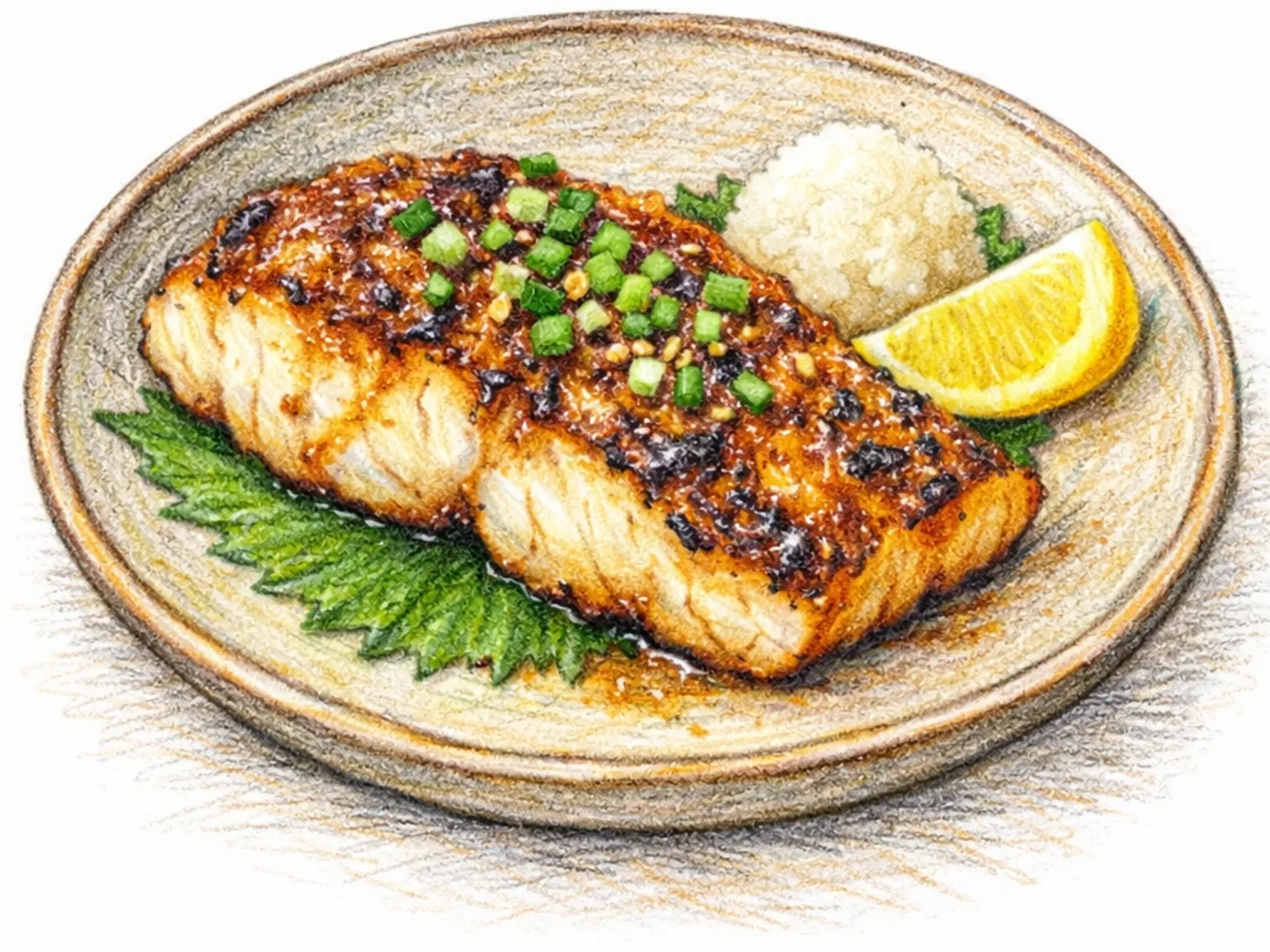
Daegu doenjang gui is a Korean grilled cod dish where fillets are coated with a paste of doenjang, minced garlic, and sesame oil, then cooked until the paste forms a thin, concentrated crust over the fish. Cod is mild-flavored white fish that accepts the deep, fermented soybean character of doenjang without conflict -- the seasoning defines the fish rather than overpowering it. As the paste dries slightly against the heat, a dark crust seals the surface while the flesh underneath stays moist and flakes cleanly. Controlling the amount of doenjang is critical because the paste can easily oversalt the delicate fish if applied too heavily. Serving with sliced green onion or perilla leaves provides a fresh, herbal counterpoint to the earthy, savory paste.

Prep 25min Cook 12min 4 servings

Instructions

Read the steps as a cooking flow: prep, heat, seasoning, doneness control, and finish.

6 steps
  1. 1
    Prep

    Press paper towels firmly over 700g cod fillets to remove all surface moisture, then cut into bite-size pieces about 5 to 6cm each.

  2. 2
    Heat

    Combine 2 tbsp doenjang, 1 tbsp cooking wine, 1 tsp minced garlic, 1 tbsp oligosaccharide, 1 tsp sesame oil, and a dash of pepper, stirring until fully blended into a smooth marinade.

  3. 3
    Step

    Apply the marinade thinly over the cod using a brush or fingers and let marinate for 15 minutes so the doenjang seeps evenly into the surface of the fish.

  4. 4
    Control

    Preheat a pan or grill over medium heat, then place the cod without additional oil or on a sheet of parchment paper so the doenjang coating does not scorch.

  5. 5
    Heat

    Cook each side for 5 to 6 minutes.

    The cue to flip is when the fish flesh opens into thick flakes and turns white and opaque. Forcing an early flip will break the fish apart, so wait until it releases naturally.

  6. 6
    Finish

    Plate the fish and sprinkle 1 tsp sesame seeds evenly for a nutty finish, then serve immediately while the savory fermented aroma of the doenjang is still vivid.

After the steps

Pick a recipe that fits this dish.

Continue with shared ingredients, meal pairings, or a similar method.

Recipes That Go Well With This

More Grilled →

Based on shared ingredients and meal pairing

Korean Ureok Doenjang Gui (Doenjang Grilled Rockfish)
Shared ingredient: toasted sesame seeds Grilled

Korean Ureok Doenjang Gui (Doenjang Grilled Rockfish)

Rockfish fillets are patted dry, pin-boned, and brushed thinly with a paste of doenjang, gochujang, minced garlic, cooking wine, honey, and sesame oil before resting in the refrigerator for fifteen minutes. Cooking begins skin-side down for four minutes, then the fillet is flipped for three minutes, and a second thin coat of paste is applied for two final minutes. The key is thin, repeated applications - a thick layer burns before the fish is done. Rockfish's mild white flesh absorbs the complex, fermented savoriness of the doenjang-gochujang blend, producing a depth of flavor that plain grilled fish cannot match.

Korean Namhae-Style Clam Broth
Serve together Soups

Korean Namhae-Style Clam Broth

Namhae-jogae-tang is a southern coastal Korean clam soup that relies on an abundance of clams and minimal interference to produce a broth of startling clarity and depth. The clams are purged in salted water, then cooked in water spiked with rice wine, which tempers any raw ocean smell. As the shells pop open, they release their natural liquor - briny, faintly sweet, and concentrated - which becomes the soup's defining flavor. Sliced green and red chilies add gentle heat and color without overwhelming the shellfish, while garlic and green onion contribute a quiet aromatic layer. Salt is added cautiously, since the clams themselves bring significant salinity. The result is a transparent, intensely flavored bowl that tastes like the sea distilled into its purest form, and it is traditionally enjoyed as both a drinking companion and a light meal.

Korean Braised Kelp Strips
Serve together Side dishes

Korean Braised Kelp Strips

Dasima jorim is a banchan that repurposes dried kelp - typically discarded after making stock - into a glossy, chewy side dish through slow braising. The kelp is soaked in cold water for at least twenty minutes until it softens and becomes pliable, then cut into strips roughly one centimeter wide. Simmered in soy sauce, rice syrup, cooking wine, and garlic over medium-low heat for fifteen minutes or more, the braising liquid gradually reduces and thickens into a lacquer-like glaze that coats each strip on all sides. The rice syrup contributes both sweetness and the shine that gives the dish its visual appeal. The resulting texture is difficult to compare - somewhere between the springiness of gummy candy and the firm bite of pasta al dente, resilient but with a clean snap when bitten through. Refrigerated overnight, the seasoning penetrates the dense seaweed fibers more deeply, and the flavor continues to intensify over several days, making it a banchan that improves the longer it sits.

Korean Salt-Grilled Beef Tenderloin
Similar recipe Grilled

Korean Salt-Grilled Beef Tenderloin

Beef tenderloin - the leanest, finest-grained cut from the inner loin - is seared in a smoking-hot pan after seasoning with nothing more than coarse salt, black pepper, and a thin coat of olive oil. The high heat locks a dark brown crust onto the surface while the interior stays pink. Butter, crushed garlic cloves, and a sprig of rosemary go into the pan for basting during the final minutes, layering herbal richness across the meat's surface. A squeeze of lemon at the end cuts through the residual fat, and a three-minute rest allows the juices to redistribute so each slice runs clear.

Serve with this

Korean Vegetable Fried Rice
Rice Easy

Korean Vegetable Fried Rice

Carrots, onions, zucchini, and bell peppers are finely diced and tossed with rice in a hot wok, moving fast enough that each grain separates and picks up a light char. The vegetables release just enough moisture to keep the rice from drying out while the high heat ensures the grains stay individually distinct. Soy sauce and sesame oil provide a clean, nutty seasoning that lets the vegetable flavors come through. Topping with a fried egg or a shower of crushed nori turns this simple fried rice into a satisfying meal.

🥗 Light & Healthy ⚡ Quick
Prep 10min Cook 8min 2 servings
Korean Spicy Fermented Squid Jeotgal
Kimchi Medium

Korean Spicy Fermented Squid Jeotgal

Ojingeo jeotgal is a Korean fermented squid preserve made by salting cleaned, finely chopped squid for one hour to firm the flesh and extract moisture, then dressing it in a paste of gochugaru, minced garlic, ginger, fish sauce, and corn syrup. The salt cure intensifies the squid's natural chewiness, and cutting the pieces small accelerates seasoning absorption during the two-to-three-day cold fermentation. Chili flakes coat every surface in a deep red layer that delivers steady heat, while corn syrup adds gloss and a mild sweetness that prevents the salt from dominating. Spooned over steamed rice, each piece offers a firm, springy chew followed by a wave of fermented umami. Mixing in a touch of sesame oil before serving softens the saltiness and adds a nutty fragrance that rounds out each mouthful.

🍱 Lunchbox 🏠 Everyday
Prep 30min 4 servings

Similar recipes

Korean Salt-Grilled Sea Bass
Grilled Easy

Korean Salt-Grilled Sea Bass

Nongeo sogeum-gui is a Korean salt-grilled sea bass where scored fillets are seasoned only with coarse salt and black pepper, then seared skin-side down in olive oil infused with garlic and fresh thyme. Sea bass has firm, low-odor white flesh that takes well to minimal seasoning, and pressing the skin against the hot pan for a full five minutes drives out moisture and renders the thin fat layer underneath into a crisp, shattering crust. After flipping, the aromatic oil pooled in the pan is spooned over the flesh for three to four minutes-the fish is done when the center shifts from translucent to opaque white. A squeeze of lemon at the table adds brightness that cleans up any residual richness from the oil-basted cooking.

🍺 Bar Snacks 🥗 Light & Healthy
Prep 12min Cook 14min 2 servings
Korean Saeu Herb Sogeum Gui (Herb Salt Grilled Shrimp)
Grilled Easy

Korean Saeu Herb Sogeum Gui (Herb Salt Grilled Shrimp)

Saeu herb-sogeum-gui is Korean herb-salt grilled shrimp, where shell-on medium shrimp are deveined, tossed with olive oil, minced garlic, rosemary, thyme, and black pepper for ten minutes, then seared over high heat on a grill pan lined with a thin layer of coarse salt. Keeping the shells on prevents moisture loss during the intense heat, so the flesh stays moist while the shells themselves crisp into an edible, crunchy layer. Grilling on a salt bed distributes radiant heat evenly and draws surface moisture away from the shrimp, preventing the steaming effect that makes shellfish soggy. A finishing squeeze of lemon juice lifts the herb and garlic aromas while sharpening the shrimp's natural sweetness.

🍺 Bar Snacks 🥗 Light & Healthy
Prep 12min Cook 10min 2 servings
Korean Cod and Radish Soup
Soups Medium

Korean Cod and Radish Soup

Daegu mu-tang is a Korean cod and radish soup in which the radish simmers first in anchovy broth for eight minutes to release its natural sweetness before the fish goes in. Cod fillets are briefly marinated in rice wine to neutralize any fishiness, then cooked gently - stirring must be kept to a minimum to keep the flesh in large, intact pieces. The finished broth is remarkably clear and light because cod carries very little fat, and the sweetness of the radish merges with the fish's mild umami to create a clean, layered depth. Crown daisy added in the final thirty seconds of cooking releases a sharp herbal fragrance that lifts the entire bowl. Many Koreans reach for this soup as a hangover remedy, prizing the cool, clean aftertaste it leaves.

🏠 Everyday 🥗 Light & Healthy
Prep 18min Cook 22min 2 servings
Water Parsley & Beef Salad
Salads Medium

Water Parsley & Beef Salad

Beef marinated in soy sauce and pear juice is seared over high heat just long enough to develop a caramelized, deeply savory crust on the outside while the interior stays moist and tender. The cooked bulgogi is laid over a bed of fragrant minari and crisp lettuce, so each forkful carries both the warm, rich meat and the cool, crunchy vegetables. Thinly sliced red onion soaked in cold water to tame its bite then scattered through the bowl melds smoothly with the sweet-savory marinade coating the beef. A light toss of the remaining sesame oil from the pan coats the greens with a round, nutty aroma, and toasted sesame seeds sprinkled generously over the top complete the plate. Minari wilts quickly and loses its herbal fragrance once it is dressed, so it should only be combined with the other ingredients moments before the dish reaches the table. The warm meat against the cold greens creates a temperature contrast that makes each bite more dynamic. A spoonful of ssamjang dressing or a splash of yuzu vinegar can shift the flavor profile when variety is wanted.

🥗 Light & Healthy 🏠 Everyday
Prep 20min Cook 10min 2 servings

Tips

Spread marinade thinly since doenjang can burn easily.
If fillets are thick, cover for 1 minute to finish cooking through.

Nutrition (per serving)

Calories
260
kcal
Protein
36
g
Carbs
6
g
Fat
9
g