Korean Grilled Chicken Neck Meat
Grilled Medium

Korean Grilled Chicken Neck Meat

Quick answer

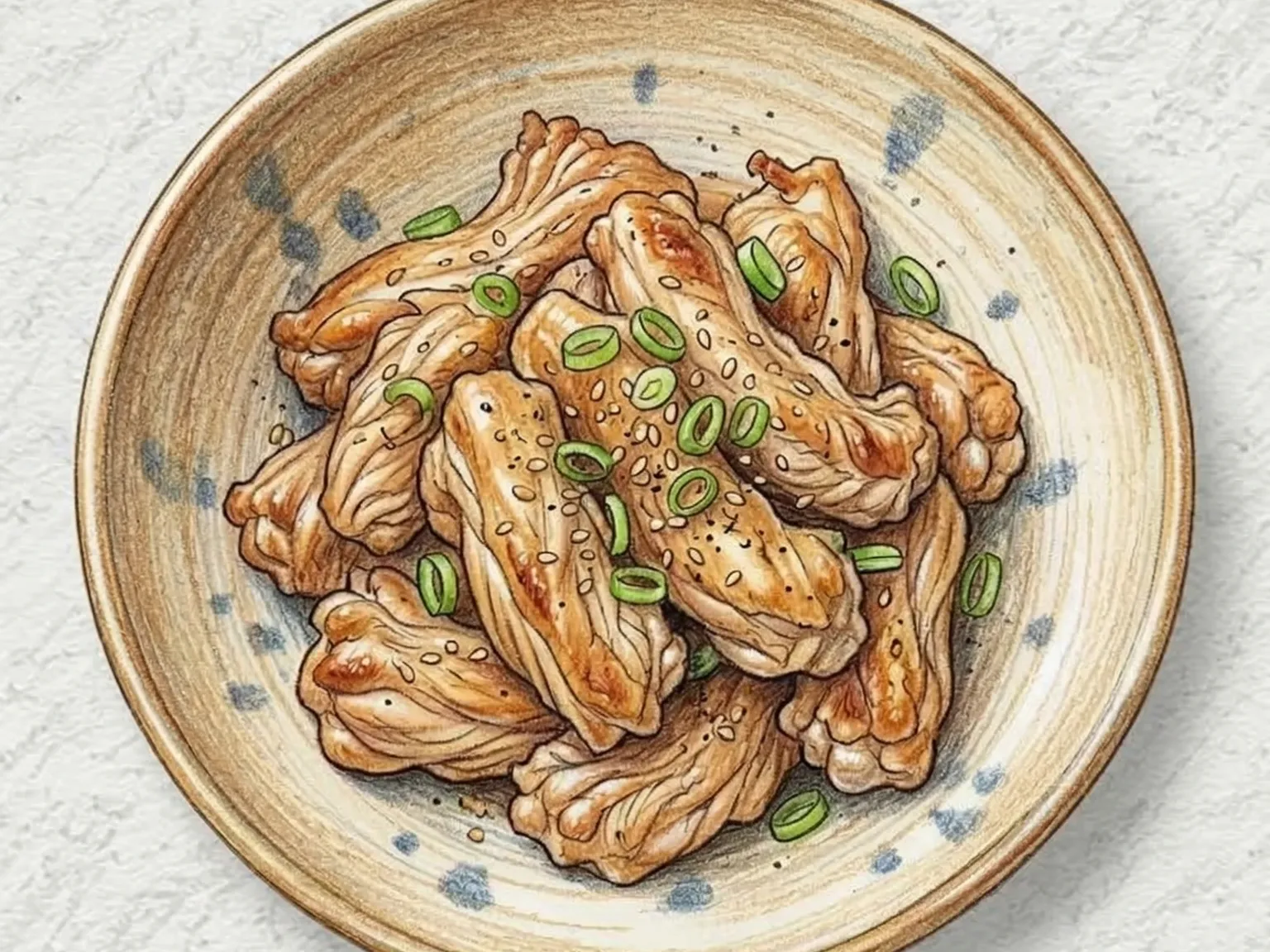
Dak-moksal-gui is a grilled Korean chicken neck dish seasoned with soy sauce, cooking wine, minced garlic, and sesame oil, then seared quickly over high heat.

What makes this special

  • High-heat searing brings out the chewy texture of fat-streaked Korean Grilled Chicken Neck Meat.
  • Intramuscular fat in neck meat gives nutty chew absent in breast
  • Under 2 minutes per side on high heat triggers Maillard browning
Total time
30 min
Level
Medium
Servings
2 servings
Ingredients
7
Calories
360 kcal
Protein
28 g

Key ingredients

chicken neck meatsoy saucecooking wineminced garlicsesame oil

Core cooking flow

  1. 1 Rinse 350g chicken neck meat briefly under running water, then press it dry...
  2. 2 In a bowl, mix 2 tbsp soy sauce, 1 tbsp cooking wine, 1 tbsp minced garlic...
  3. 3 Add the chicken neck meat to the marinade and massage it briefly so the seasoning coats every fold.

Dak-moksal-gui is a grilled Korean chicken neck dish seasoned with soy sauce, cooking wine, minced garlic, and sesame oil, then seared quickly over high heat. Chicken neck contains streaks of intramuscular fat that give it a chewy, savory richness unlike the lean dryness of breast meat -- a quality prized among those who know the cut. Spreading the pieces flat on the pan surface creates maximum contact and promotes rapid browning through the Maillard reaction, and flipping within two minutes per side preserves the juices that would otherwise be lost with extended heat. Sliced green onion scattered at the finish adds a fresh, pungent layer on top of the sweet-salty soy base, and coarsely cracked black pepper sharpens the aftertaste. The dish works equally well as a rice side or a beer accompaniment.

Prep 20min Cook 10min 2 servings

Instructions

Read the steps as a cooking flow: prep, heat, seasoning, doneness control, and finish.

6 steps
  1. 1
    Heat

    Rinse 350g chicken neck meat briefly under running water, then press it dry with paper towels until the surface feels dry.

    Flatten any thicker pieces so they cook at the same speed and brown instead of steaming.

  2. 2
    Season

    In a bowl, mix 2 tbsp soy sauce, 1 tbsp cooking wine, 1 tbsp minced garlic, 1 tsp sesame oil, and 0.3 tsp black pepper.

    Stir until the garlic is evenly dispersed so no piece gets overly salty or garlicky.

  3. 3
    Season

    Add the chicken neck meat to the marinade and massage it briefly so the seasoning coats every fold.

    Marinate for only 15 minutes, because a longer rest can make the surface too wet and the soy flavor too strong.

  4. 4
    Control

    Heat a pan well over medium-high heat, then lay the chicken neck meat in one flat layer with space between pieces.

    The meat should sizzle immediately on contact; if it is quiet, wait longer before adding the rest.

  5. 5
    Season

    Cook without moving for 2 minutes until a browned crust forms, then flip and cook the other side for 2 minutes.

    If liquid gathers, keep the heat medium-high and stir until it evaporates and the sauce turns glossy.

  6. 6
    Finish

    Add 25g sliced green onion and raise the heat to high for the final 30 seconds, stirring just until its aroma comes up.

    Serve immediately when the chicken neck meat looks glossy and feels springy, not dry.

After the steps

Pick a recipe that fits this dish.

Continue with shared ingredients, meal pairings, or a similar method.

Recipes That Go Well With This

More Grilled →

Based on shared ingredients and meal pairing

Korean Grilled Pork Skirt Meat
Shared ingredient: green onion Grilled

Korean Grilled Pork Skirt Meat

Galmaegisal-gui consists of grilled pork skirt steak harvested from the diaphragm muscle of the pig. This specific cut is recognized in Korean cuisine for its scarcity, as a single animal yields only between 200 and 300 grams of meat. Due to this limited supply, the cut is categorized as a specialty item within Korean barbecue establishments rather than a standard staple. Structurally, the meat resembles beef skirt steak because it features a very pronounced grain. This physical characteristic results in a texture that provides a substantial and firm chew. Additionally, the cut carries a specific fatty aroma that is characteristic of pork yet distinct from other common grilled parts of the animal. Before the meat reaches the heat, it typically receives a light seasoning composed of soy sauce, minced garlic, and cracked black pepper. The cooking process requires a high temperature, using either a bed of natural charcoal or a heavily heated pan to sear the exterior rapidly. Because the slices are relatively thin, the preparation involves keeping each side over the maximum heat source for less than sixty seconds. This timing ensures that the surface undergoes the Maillard reaction to achieve caramelization without drying out the interior. Ideally, the center of the meat remains slightly pink, reaching a medium level of doneness. If the cooking time extends beyond this window, the muscle fibers tend to contract and tighten significantly. Such overcooking removes the springy and resilient texture that defines the quality of this particular cut. When prepared over charcoal, the smoke particles are able to enter the juices of the pork, which produces a complex layer of smokiness. This specific flavor profile is difficult to achieve when using a standard gas or electric heating element. Once removed from the grill, the hot slices are traditionally dipped into a small saucer containing sesame oil and coarse grains of salt. This combination allows the toasted scent of the oil to blend with the smoky residue from the charcoal. For the final step of the meal, the meat is often placed inside a wrap made of fresh perilla or lettuce leaves. The addition of these greens introduces a botanical flavor that balances the inherent richness of the grilled pork.

Manduguk (Korean Dumpling Clear Broth Soup)
Serve together Soups

Manduguk (Korean Dumpling Clear Broth Soup)

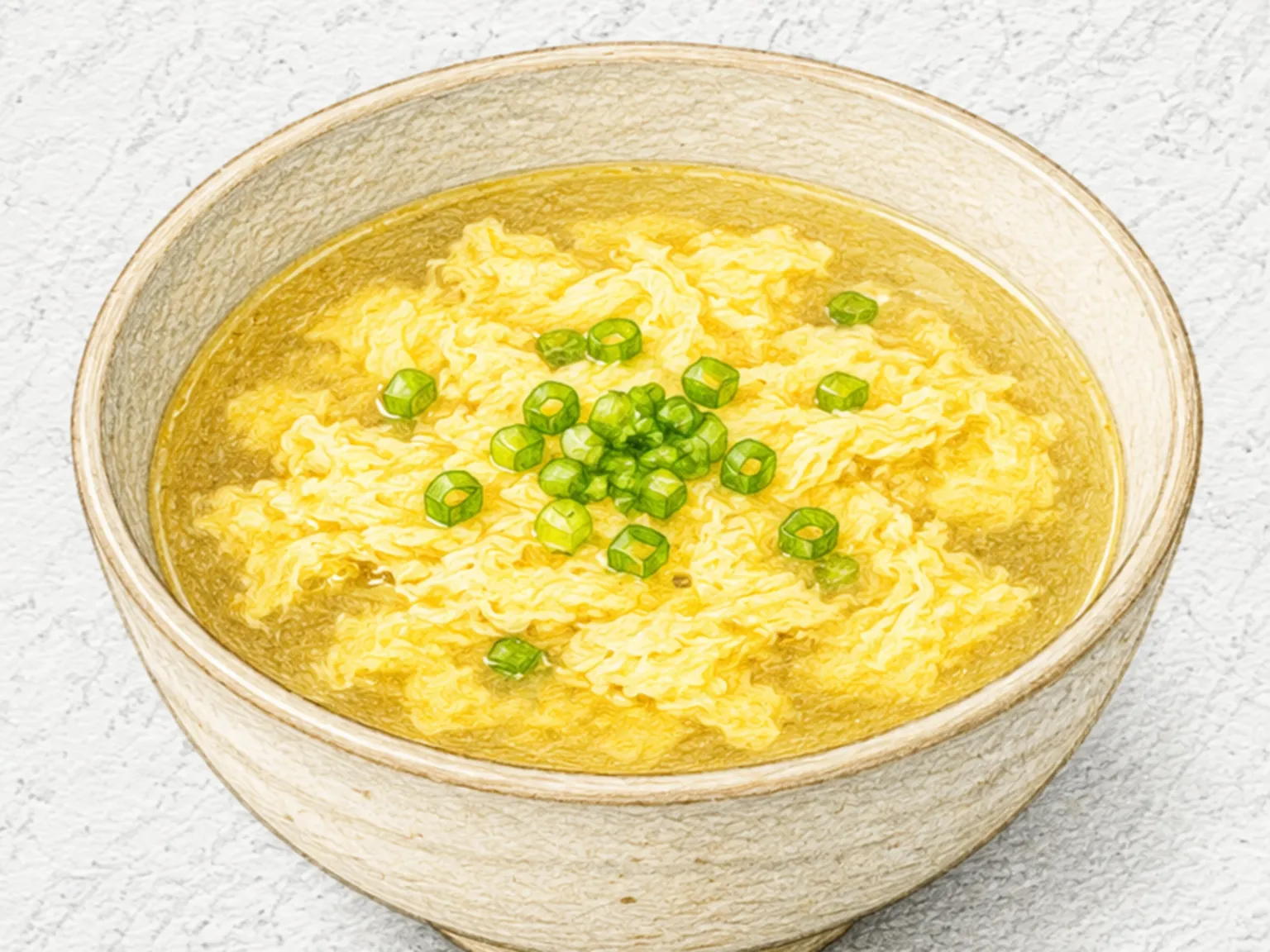
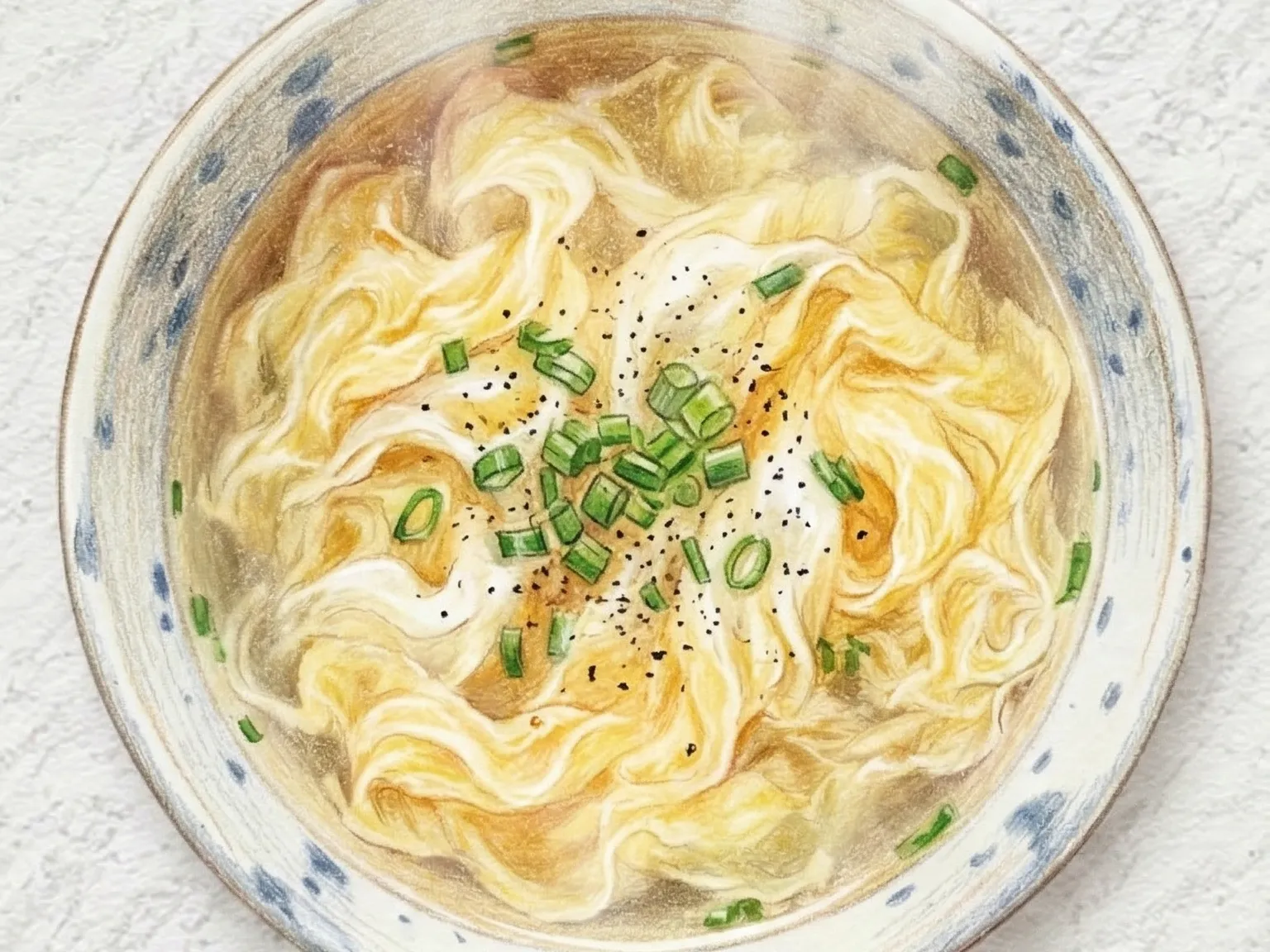
Manduguk is a Korean dumpling soup in which hand-folded dumplings stuffed with ground pork, tofu, scallion, and garlic are dropped into a clear, simmering broth, typically anchovy-kelp stock or beef broth, and cooked until they float. As the dumplings cook, their thin wheat-flour wrappers release a subtle starch that gives the broth a barely perceptible body, while the filling leaks savory juices that enrich the liquid gradually. A thin drizzle of beaten egg stirred in near the finish creates silken wisps on the surface of the broth and gives the bowl a more finished appearance. Shredded egg strips and crumbled dried seaweed scattered on top add a pleasant contrast in color and a faint oceanic note to the flavor. Many Korean households serve manduguk on Lunar New Year as an alternative to tteokguk, and some combine the two by adding sliced rice cakes alongside the dumplings. Dumplings can be made in large batches and frozen raw, which means this soup can be pulled together quickly on weeknights without sacrificing any of the flavor that comes from homemade filling. A small dish of soy-vinegar dipping sauce served alongside lets each person adjust the seasoning at the table, and the light acidity of the sauce cuts through the mild broth in a way that makes the contrast between the two worth trying.

Korean Stir-Fried Sweet Potato Stems
Serve together Side dishes

Korean Stir-Fried Sweet Potato Stems

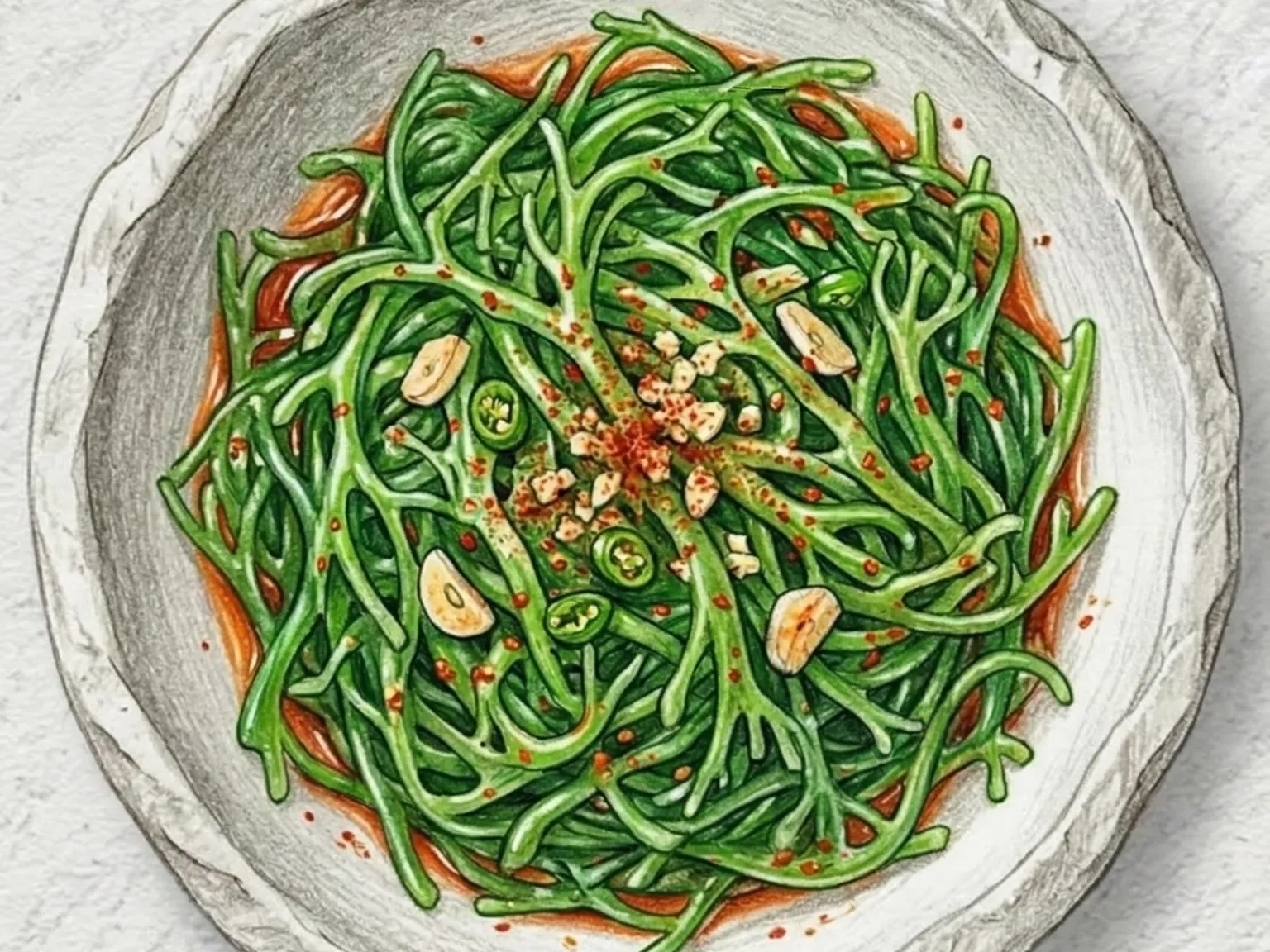
Goguma julgi - sweet potato stems - are the above-ground vines of the sweet potato plant, a byproduct that Korean cooks transform into a summer namul rather than discarding. The most labor-intensive step is peeling each stem by hand, pinching the outer skin with a fingernail and pulling it away to reveal the tender core beneath. After blanching for two minutes and rinsing in cold water, the stems are stir-fried in perilla oil with garlic and seasoned with soup soy sauce. Perilla powder stirred in at the end thickens the remaining liquid into a nutty glaze. In season during summer, the stems are harvested from sweet potato fields before the tubers themselves are dug up.

Korean Garlic-Grilled Chicken Gizzards
Similar recipe Grilled

Korean Garlic-Grilled Chicken Gizzards

Dakttongjip-maneul-gui is a Korean dish of chicken gizzards grilled and stir-fried over high heat with whole garlic cloves and cheongyang chili peppers. Gizzards are dense, pure-muscle organs with a firm, satisfying chew that sets them apart from other chicken cuts. Scoring them deeply before cooking opens the compact tissue so heat penetrates evenly and seasoning reaches the interior; a ten-minute soak in cooking wine beforehand removes any off-odor and lets the flavors absorb. Whole garlic cloves cooked alongside the gizzards undergo a visible transformation - the exterior caramelizes to a golden brown while the inside softens and turns almost creamy, converting raw sharpness into a rounded, sweet depth. The seasoning stays deliberately minimal - only salt and black pepper - so the natural flavor of the gizzards remains the focus, with cheongyang chilies providing a brief, clean heat that punctuates each bite without overwhelming the palate. The dish works equally well as an anju with drinks or as a savory side with steamed rice.

Serve with this

Korean Hot Stone Pot Rice
Rice Medium

Korean Hot Stone Pot Rice

Dolsot bap consists of rice prepared within a heavy, pre-heated stone pot, a method that relies on slow heat to cook the grains thoroughly. The primary base involves rice that has been soaked in water beforehand, combined with specific additions including dried jujubes, whole chestnuts, and small ginkgo nuts. Because the stone pot has thick walls, the heat spreads in a uniform manner during the entire cooking process. This results in rice grains that appear glossy and have a texture that is both plump and somewhat sticky from top to bottom. Each added ingredient provides a distinct element to the final profile. Jujubes offer a light sweetness, chestnuts provide a dense and nutty quality, and ginkgo nuts introduce a subtle bitter quality that balances the other flavors to prevent the dish from becoming cloying. To prepare the pot, the interior surface is coated with a layer of sesame oil prior to adding the rice and other components. This step is essential for developing a golden and crispy layer of scorched rice, known as nurungji, which forms at the very bottom of the vessel. After the heat is turned off, the rice must remain covered to steam for a duration of ten minutes. This resting period allows the moisture to move through every layer of the pot before the lid is removed. When it is time to serve, the lid should be lifted at a slow pace so the steam does not leave the pot immediately, as a sudden release of vapor can cause the top layer of rice to become dry. Dolsot bap is typically served with a dipping sauce made of soy sauce and sesame oil. Diners mix the rice and ingredients at the table, allowing for a meal where each bite features a contrast between the soft, aromatic grains and the firm, crunchy crust found at the base.

🏠 Everyday 🌙 Late Night
Prep 10min Cook 25min 2 servings
Korean Spicy Fermented Squid Jeotgal
Kimchi Medium

Korean Spicy Fermented Squid Jeotgal

Ojingeo jeotgal is a Korean fermented squid preserve made by salting cleaned, finely chopped squid for one hour to firm the flesh and extract moisture, then dressing it in a paste of gochugaru, minced garlic, ginger, fish sauce, and corn syrup. The salt cure intensifies the squid's natural chewiness, and cutting the pieces small accelerates seasoning absorption during the two-to-three-day cold fermentation. Chili flakes coat every surface in a deep red layer that delivers steady heat, while corn syrup adds gloss and a mild sweetness that prevents the salt from dominating. Spooned over steamed rice, each piece offers a firm, springy chew followed by a wave of fermented umami. Mixing in a touch of sesame oil before serving softens the saltiness and adds a nutty fragrance that rounds out each mouthful.

🍱 Lunchbox 🏠 Everyday
Prep 30min 4 servings

Similar recipes

Korean Grilled Chicken Skewers
Grilled Easy

Korean Grilled Chicken Skewers

Dak-kkochi-gui is a Korean grilled chicken skewer built on the flavors of street-stall cooking, made by threading bite-sized chicken breast or thigh onto bamboo sticks and painting them with a sauce of gochujang, soy sauce, honey, and minced garlic. Thigh meat is the better choice because its higher fat content keeps each piece juicy over direct heat, while breast will dry out quickly. Applying the glaze in two or three separate coats rather than all at once builds a thick, sticky, caramelized surface. Cutting the chicken into uniform cubes ensures even cooking, and alternating pieces with slices of green onion or bell pepper adds moisture and prevents the meat from tightening up. Turning the skewers frequently over medium heat keeps the sugars in the sauce from scorching while the surface develops an even, deep char. The same result comes out well in an air fryer at 200 degrees Celsius for twelve to fourteen minutes. Gochujang's fermented heat against the sweetness of honey and the smell of searing meat is the unmistakable signature of Korean pojangmacha.

🍺 Bar Snacks 🏠 Everyday
Prep 20min Cook 15min 2 servings
Korean Assorted Grilled Chicken
Grilled Medium

Korean Assorted Grilled Chicken

Dakgogi-gui-modeum is a Korean assorted chicken grill that brings breast, thigh, and wing pieces together on a single plate, each cut seasoned differently: salt for the breast, gochujang paste for the thigh, and soy-based glaze for the wings. Because each cut carries a different ratio of fat to muscle, cooking times must be calibrated individually rather than treating all three the same. Breast meat loses moisture quickly and needs the shortest time over heat, while wings benefit from longer cooking to render the fat under the skin. The salt-seasoned breast keeps its clean, mild flavor front and center; the gochujang thigh delivers fermented heat and a char at the edges; the soy-glazed wing balances sweet against salty in each sticky bite. Serving all three together lets diners compare three distinct outcomes from the same bird, making the role of seasoning and cut easy to taste side by side rather than just understand in theory.

🍺 Bar Snacks 🎉 Special Occasion
Prep 30min Cook 30min 4 servings
Korean Grilled Chicken Heart Skewers
Street food Medium

Korean Grilled Chicken Heart Skewers

Dak-yeomtong-kkochi starts by soaking trimmed chicken hearts in milk for fifteen minutes to remove any off-flavors, then threading them onto skewers for direct grilling. A glaze of soy sauce, gochujang, sugar, garlic, and cooking wine is applied in stages during grilling, building up a salty-sweet coating with gentle heat. Unlike regular chicken meat, hearts have a firm, springy chew that deepens in nuttiness the more you bite into them. The milk soak combined with garlic and cooking wine in the glaze cleanly removes any organ taste, so the finished skewers carry only the char from the grill and the layered seasoning. A common sight at street stalls and pojangmacha tents, these skewers work equally well as a quick snack eaten on the spot or as drinking food alongside a cold beer.

🍺 Bar Snacks 🏠 Everyday
Prep 30min Cook 15min 2 servings
Korean Stir-fried Chicken Gizzards
Stir-fry Medium

Korean Stir-fried Chicken Gizzards

Dak-ttongjip-bokkeum is a stir-fried dish made from chicken gizzards cooked over high heat with garlic and cheongyang chili pepper. The gizzard, known as the near-wi in Korean, is the thick muscular organ a chicken uses to grind its food. It contains very little fat, is high in protein, and stays firm through cooking in a way that ordinary chicken meat does not. Proper cleaning before cooking is essential. The yellow inner lining and any adjacent odorous tissue must be removed entirely, or the finished dish will carry an off smell that no amount of seasoning can cover. Once cleaned and scored lightly on the surface to help seasoning penetrate, the gizzards go into a very hot pan. The goal is a fast, high-heat cook that sears the outside while leaving the interior tender and springy. Extended cooking over lower heat makes them chewy and tough. The texture is the defining quality of this dish - dense, elastic, and slightly resistant to the bite, with a mild savory nuttiness that deepens the longer you chew. Cheongyang chili cuts through any residual heaviness and adds a clean, quick heat. Garlic provides a deep aromatic foundation that complements the protein. Soy sauce and mirim season the stir-fry with a balance of salt and restrained sweetness. The dish is ordered frequently alongside beer or soju, where its chewy texture and moderate heat make it a satisfying accompaniment to cold drinks. It also works well as a rice side dish.

🍺 Bar Snacks 🏠 Everyday
Prep 20min Cook 12min 2 servings

Tips

Cook quickly over higher heat to keep it tender.

Nutrition (per serving)

Calories
360
kcal
Protein
28
g
Carbs
4
g
Fat
24
g