Korean Soy Braised Chicken Chunks
Quick answer
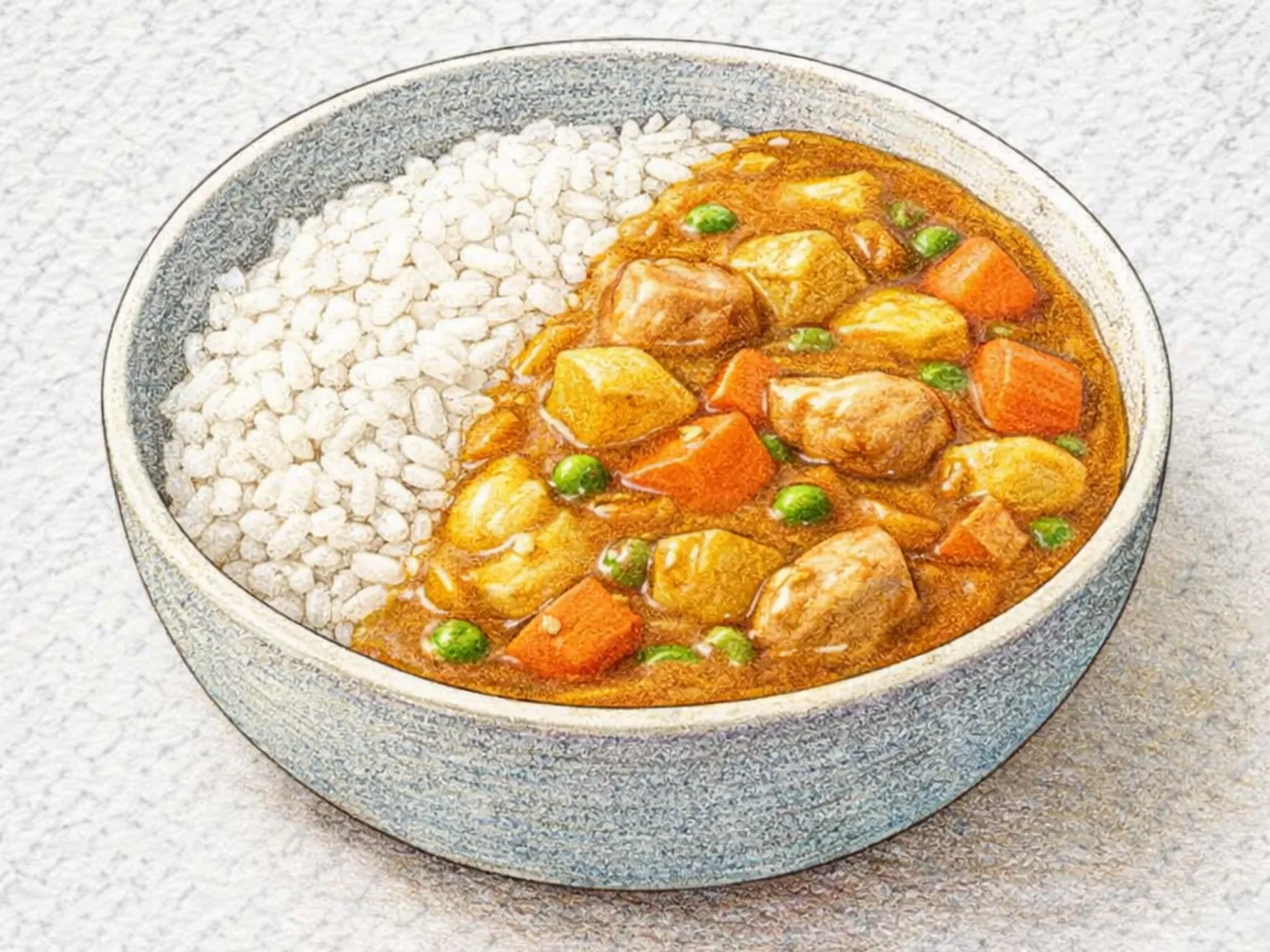
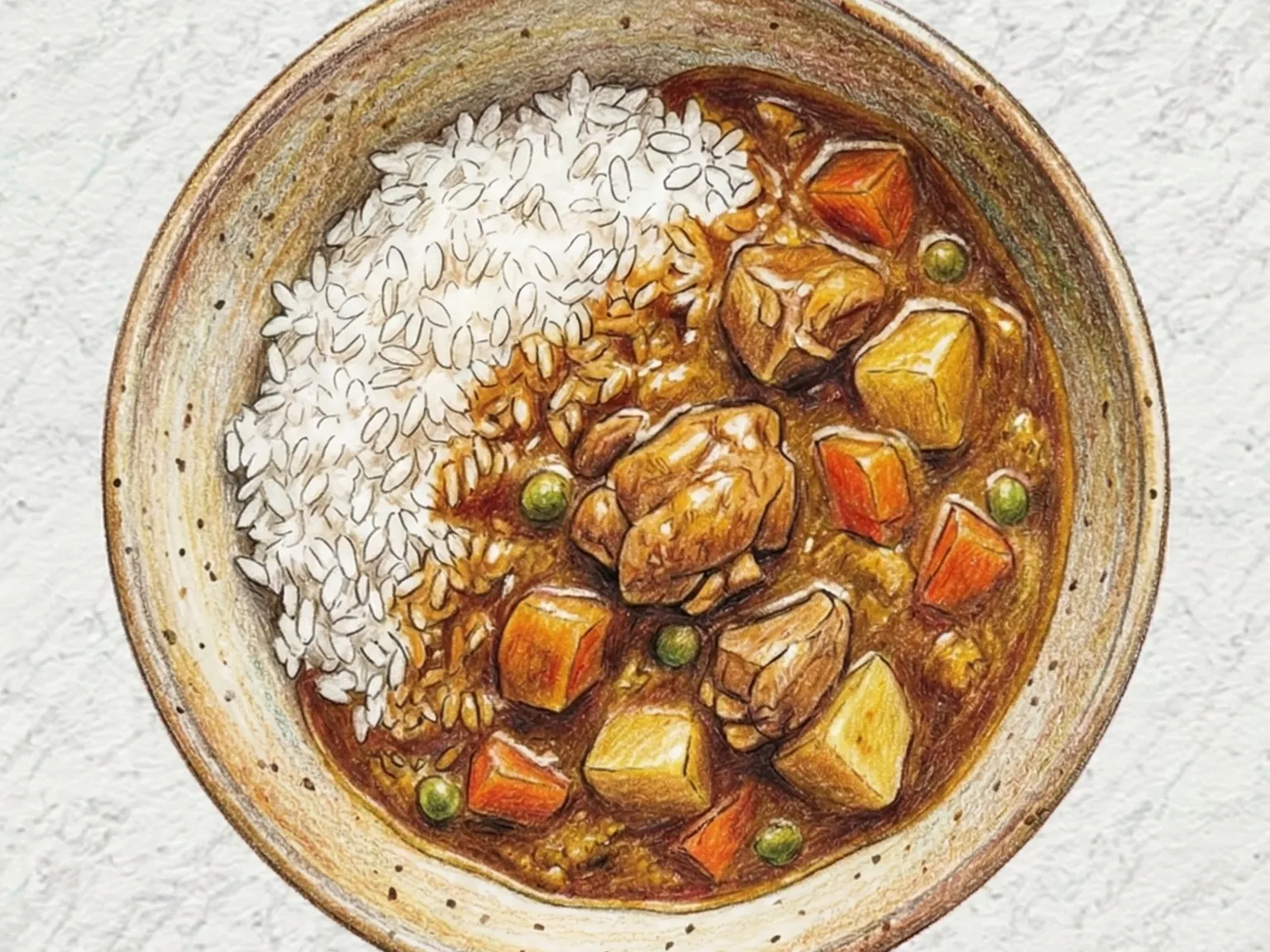
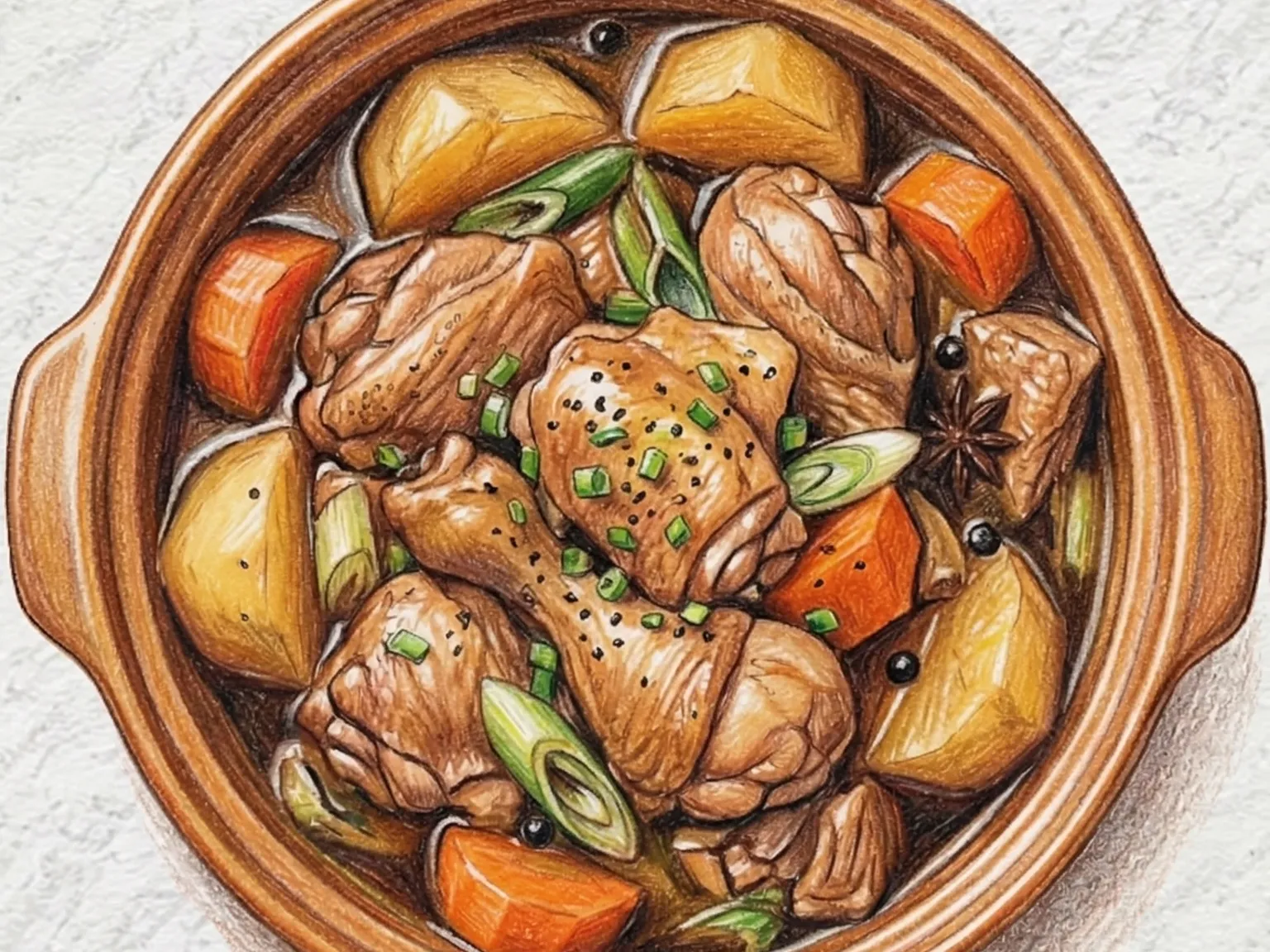
Dakganjang-jjim is a Korean soy-braised chicken dish where bone-in thigh pieces are combined with potatoes, carrots, and onion in a seasoned soy sauce base and simmered o...
What makes this special
- Thigh pieces simmered with potatoes and carrots in a deep, savory soy sauce reduction.
- Soy sauce alone builds deep savory flavor without any chili heat
- Vegetables absorb the chicken's juices and seasonings fully during the braise
Key ingredients
Core cooking flow
- 1 Cut 700 g chicken thigh into 5 cm pieces and trim off some skin if a lighter finish is preferred.
- 2 Put the chicken and 450 ml water in a pot and bring it to a boil over high heat.
- 3 Add 5 tablespoons soy sauce, 1.5 tablespoons sugar, and 1 tablespoon minced...
Dakganjang-jjim is a Korean soy-braised chicken dish where bone-in thigh pieces are combined with potatoes, carrots, and onion in a seasoned soy sauce base and simmered over low heat until the liquid reduces and the flavors concentrate. As the braising liquid cooks down, the salinity and umami of the soy sauce penetrate through the chicken skin and into the meat, seasoning it throughout rather than just coating the surface. The thigh cut is intentional - the fat and collagen in bone-in thighs keep the meat moist through the extended cooking time, preventing it from drying out the way leaner cuts would. The vegetables absorb the rendered chicken fat and soy-based cooking liquid as they soften, taking on a deep savory-sweet flavor that requires no additional seasoning. Because the dish contains no chili paste or gochugaru, it is mild in heat and broadly accessible, working equally well as a weeknight dinner main, a side dish over rice, or packed into a lunch box where the flavors continue to develop. The ratio of soy sauce to sugar in the braising liquid can be adjusted to suit individual taste - leaning toward saltier or sweeter without fundamentally changing the character of the dish.
Instructions
Read the steps as a cooking flow: prep, heat, seasoning, doneness control, and finish.
- 1Finish
Cut 700 g chicken thigh into 5 cm pieces and trim off some skin if a lighter finish is preferred.
Cut 220 g potato and 120 g carrot into 3 cm chunks, then slice 120 g onion into thick strips.
- 2Control
Put the chicken and 450 ml water in a pot and bring it to a boil over high heat.
Once it starts boiling, skim the foam for 2 to 3 minutes so the braising liquid stays cleaner and less cloudy.
- 3Control
Add 5 tablespoons soy sauce, 1.5 tablespoons sugar, and 1 tablespoon minced garlic, then reduce to medium heat.
Stir until the sugar dissolves, and simmer for 10 minutes so the chicken begins taking on soy color.
- 4Control
Add the potato and carrot, pressing them down so they sit in the braising liquid, and cook over medium heat for 12 more minutes.
Turn the contents gently once or twice to prevent sticking without breaking the vegetables.
- 5Control
When a chopstick goes halfway into the carrot with slight resistance, add the onion and simmer for 5 more minutes.
Continue until the onion turns translucent and the liquid reduces to a shallow, saucy level.
- 6Control
Before turning off the heat, check that the chicken and vegetables look glossy and evenly coated with soy color.
If the sauce tastes too salty, add a small splash of water and bring it briefly back to a simmer.
After the steps
Pick a recipe that fits this dish.
Continue with shared ingredients, meal pairings, or a similar method.
Recipes That Go Well With This
More Stir-fry →Based on shared ingredients and meal pairing
Korean Dak Ganjang Jorim (Soy Braised Chicken)
Dak ganjang-jorim is chicken thigh braised with potato in a soy sauce glaze enriched with oligosaccharide syrup, garlic, and ginger juice. As the thighs simmer, the soy base works its way between the muscle fibers, leaving the meat deeply seasoned with a glossy brown finish. Potato chunks break down slightly at the edges and soak up the braising liquid, turning starchy and satisfying. A single cheongyang chili added to the pot gives a mild, lingering kick that keeps the sweet-salty profile from becoming one-note. Patting the chicken thighs thoroughly dry before searing them in the pan builds a Maillard-browned surface that adds another layer of savory depth, and removing the lid for the final five minutes lets the sauce reduce into a thick, clingy glaze.
Korean Soy Braised Chicken
Dak-jjim is bone-in chicken braised with potato, carrot, and onion in a sauce of soy sauce, sugar, and garlic. Juices released from the bones meld with the soy seasoning to form a glossy, concentrated gravy, and the vegetables absorb this liquid so they are seasoned all the way through. Sugar tempers the saltiness of the soy into a clear sweet-salty balance that coats every piece. Cooking with the lid on over medium heat first, then removing the lid to reduce the sauce, is what creates the glossy coating that defines a well-made dak-jjim. Served in a hot stone pot at the center of the table, it is one of the most familiar home-cooked dishes in Korean cuisine, well-suited for a shared family meal.
Korean Macaroni Salad (Sweet Mayo Pasta from Retro Diners)
Korean macaroni salad is a retro banchan that became a fixture of bunsikjip snack bars and gyeongyangsik Western-style restaurants during the 1970s and 80s, and it has remained a nostalgic staple ever since. The Korean version differs from its Western counterpart in two notable ways: sugar is added to the dressing, making the whole salad distinctly sweeter, and sweet corn kernels replace the mustard or herbs common in American recipes, contributing a pop of juicy sweetness with each bite. The pasta is boiled for eight minutes or longer, well past al dente, because softer noodles tangle more effectively with the mayonnaise and hold the dressing inside rather than letting it slide off. Cucumber must be salted and then squeezed firmly to extract moisture before it goes into the salad; skipping this step causes the dressing to thin and puddle at the bottom over time. Carrot is blanched for exactly one minute to preserve its crunch, and crushed hard-boiled egg stirred into the dressing gives the salad a richer, denser body. The finished salad needs at least twenty minutes in the refrigerator for the mayonnaise to firm up and adhere to the pasta so it holds its shape on the plate. This salad is a standard side at gyeongyangsik restaurants alongside donkatsu and hamburger steak, and it appears regularly as a complimentary banchan at gimbap shops. A dusting of paprika powder or chopped parsley adds color to the otherwise pale presentation.
Korean Soy Braised Chicken Wings
Dak-bong jorim is a Korean braised chicken wingette dish where pieces are slowly reduced in a sweet soy glaze over medium-low heat until the sauce thickens into a glossy coating around each piece. As the liquid reduces, the seasoning concentrates and adheres to the surface, leaving the skin sticky and lacquered from absorbing the sauce while the meat inside turns soft enough to pull cleanly from the bone. Adding ginger and green onion from the start neutralizes the poultry's gaminess and keeps the braising liquid clean. Starting with the lid off at higher heat to bring the sauce to a boil, then reducing the heat and covering the pot, prevents the meat from drying out during the long braise. A large batch keeps well in the refrigerator and reheats without any loss of seasoning, making it a practical banchan to prepare in advance and portion out over several days or pack into a lunch box.
Serve with this
Korean Corn Cheese Pot Rice
Oksusu cheese sotbap is a Korean pot-cooked rice dish built on butter-sauteed onions and corn that infuse the grains with sweetness as the rice steams, then topped with mozzarella placed on after the heat is cut so it melts into long, stretchy strands rather than browning. Each spoonful delivers the pop of individual corn kernels alongside the soft, creamy pull of melted cheese, with butter coating every grain in a glossy richness. Replacing part of the cooking water with milk deepens the creamy texture and gives the finished rice a density and smoothness that plain water cannot achieve. With the lid closed for two to three minutes after the heat is off, the residual steam inside the pot is sufficient to melt the cheese completely without any additional heat. The combination of sweet corn, buttery rice, and stretchy mozzarella lands in a flavor register that needs no side dishes to feel complete, and it appeals across a wide age range without effort.
Korean Buckwheat Jelly Cold Broth Bowl
Memil-muksabal is a chilled Korean dish in which firm blocks of buckwheat jelly sit submerged in cold, seasoned broth. The broth is typically made from anchovy or beef stock, cooled to refrigerator temperature, and sharpened with soy sauce, rice vinegar, and a touch of sugar that balances the acidity. Buckwheat jelly has a neutral, slightly earthy flavor and a slippery, springy texture that absorbs the surrounding seasonings with each bite. Julienned cucumber adds crunch, crushed roasted sesame seeds contribute nuttiness, and shredded dried seaweed brings a gentle oceanic accent. The dish is almost calorie-free compared to noodle soups and digests easily, which is why it appears on Korean tables most frequently during the hottest weeks of summer. Making the jelly from scratch involves boiling buckwheat starch until thick and letting it set, but store-bought blocks simplify the process to little more than slicing and assembling. The cold broth hits the palate first, followed by the yielding texture of the jelly - a sequence that feels instantly cooling.
Korean Dried Pollock Napa Stew
This stew pairs dried pollock strips with napa cabbage for a mild, comforting bowl built on clean, unhurried flavors. The pollock releases a savory, slightly sweet depth into the broth as it rehydrates during cooking. Soaking the pollock briefly in water before adding it loosens the stiff fibers and helps the broth extract faster. The cabbage softens slowly and adds its own natural sweetness, while firm tofu and zucchini round out the ingredients with body and texture. A touch of perilla oil lends a nutty fragrance to the finished bowl. Seasoned simply with soup soy sauce, it works well as a hangover remedy or a light weekday meal that settles the stomach.
Similar recipes
Korean Soy Braised Chicken Wings
Dak-nalgae-ganjang-jorim is a Korean braised chicken wings dish slow-cooked in a seasoning mixture of soy sauce, sugar, garlic, and ginger over medium-low heat until the sauce reduces to a thick, sticky glaze. The thin skin on the wings absorbs the braising liquid as it reduces, developing a glossy brown coating that clings to each piece. Cartilage near the joints softens progressively the longer the wings cook, shifting from a firm snap to a yielding, almost gelatinous texture. Green onion is added early to neutralize any off-flavors from the chicken, while ginger contributes a subtle warmth that rounds out the overall aroma. The braising liquid is allowed to reduce almost completely so the last traces of sauce concentrate into a dense, caramelized coating rather than a loose broth. Eating the wings by hand, pulling the meat from the bone, is part of the appeal, and this hands-on quality makes the dish a regular presence on Korean drinking tables alongside beer or soju.
Korean Braised Chicken with Radish
This braise combines bone-in chicken pieces with Korean radish and potato in a soy-and-gochugaru sauce. The radish absorbs both the chicken stock and the spiced seasoning, turning amber on the outside while going translucent within. Potato edges break down during the long simmer, thickening the sauce into a sticky glaze. Gochugaru and black pepper build a layered heat that soy sauce and sugar round off, so the dish is assertively spicy without being harsh. Reducing the liquid until it barely coats the bottom concentrates all the flavors onto the surface of each piece.
Korean Samgyeopsal Ganjang Jorim (Soy-Braised Pork Belly)
Samgyeopsal ganjang jorim is a Korean soy-braised pork belly dish where blanched pork belly is simmered with radish and onion in a soy sauce base for over forty-five minutes. Blanching first removes impurities and excess fat, leaving a clean-tasting braise. The long simmer allows soy sauce to penetrate the layered pork, building a deep flavor that is savory without being greasy. Radish chunks absorb the pork-enriched liquid and develop a richness of their own, while oligosaccharide syrup lends a natural sheen. Cooling and reheating concentrates the seasoning further, making this a strong choice for gatherings or holiday meals.