Korean Soy-Glazed Chicken Wings
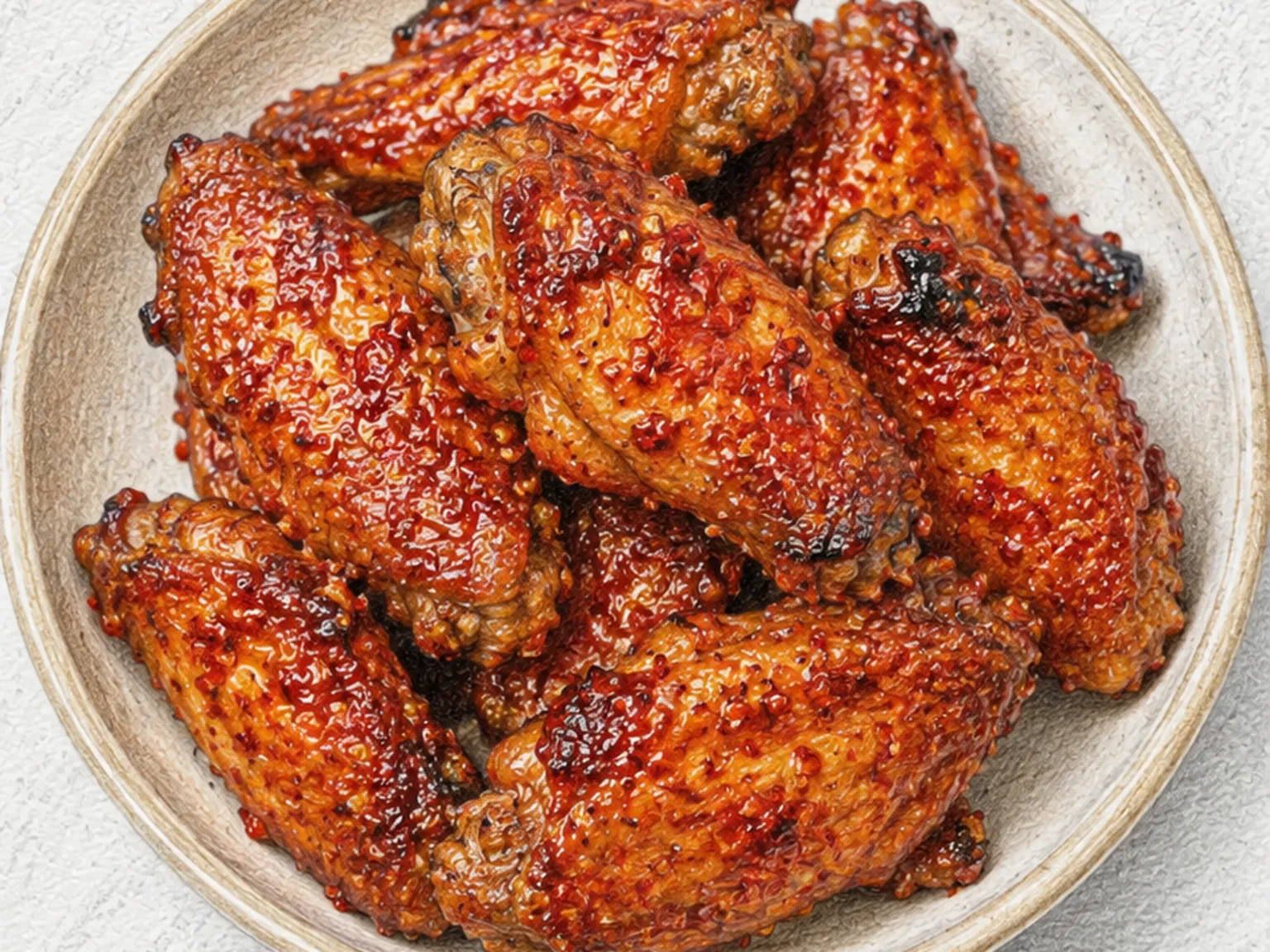
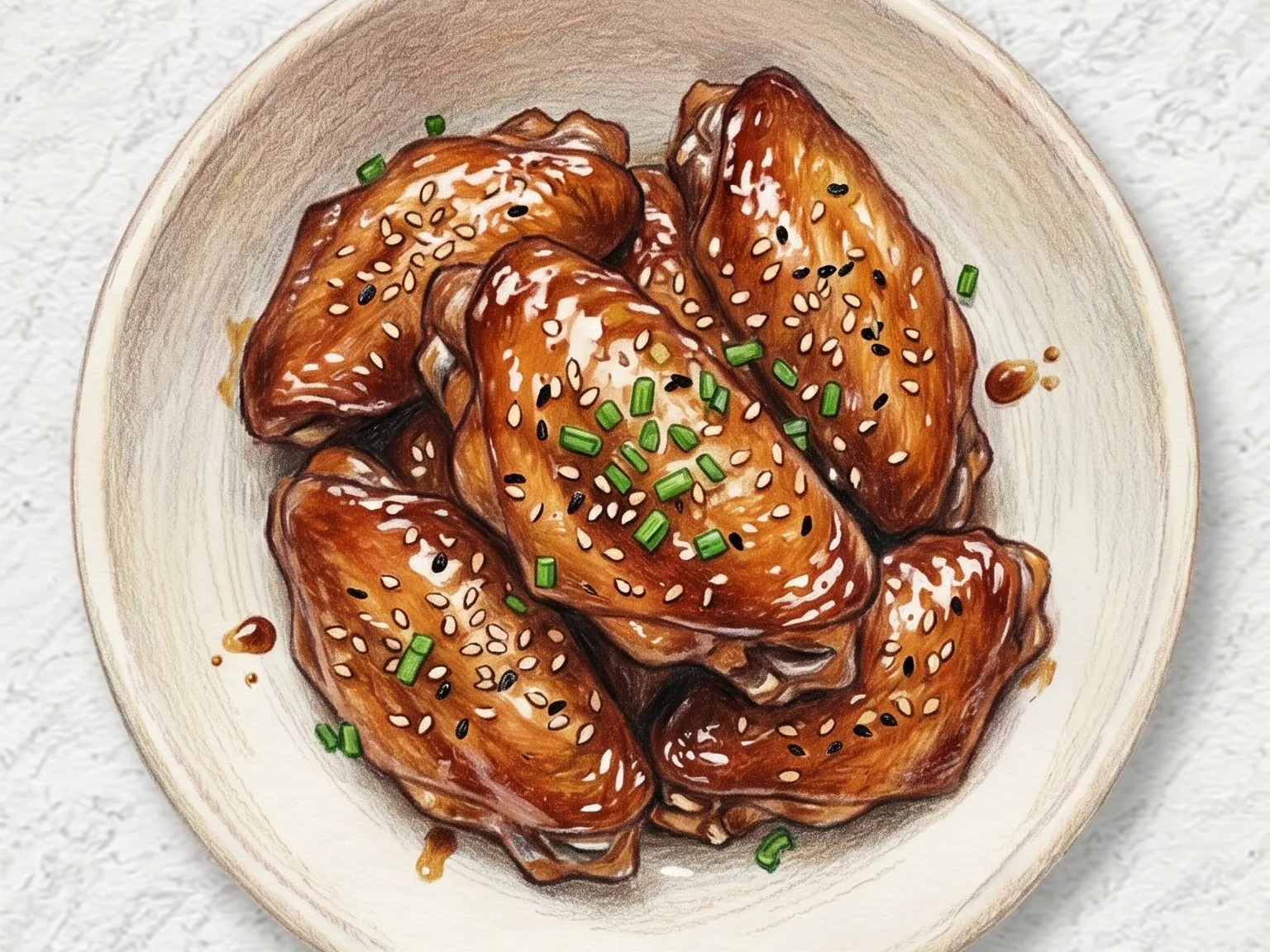
Daknalgae-ganjang-gui is a Korean soy-glazed chicken wing dish coated in a sauce of soy sauce, oligosaccharide syrup, minced garlic, ginger powder, and a splash of vinegar, then baked in an oven or air fryer. The vinegar softens the saltiness of the soy while cutting through the richness of the chicken skin, and the oligosaccharide syrup thickens under heat into a glossy, clinging glaze. Scoring the joints before cooking allows the marinade to seep into the inner crevices and promotes even heat distribution so the meat near the bone cooks through completely. A finish of sesame oil and toasted sesame seeds rounds out the savory soy glaze with a warm, nutty aroma.
Adjust Servings
Instructions
- 1
Pat wings dry and score each piece once or twice for even cooking.
- 2
Mix soy sauce, syrup, sugar, garlic, ginger powder, and vinegar.
- 3
Marinate the wings for 20 minutes until evenly coated.
- 4
Bake at 200C for 15 minutes, flip, then bake 10 more minutes.
- 5
Brush with remaining sauce and bake 5 more minutes for glaze.
- 6
Finish with sesame oil and sesame seeds.
As an Amazon Associate, we may earn from qualifying purchases.
Tips
Nutrition (per serving)
More Recipes

Korean Soy-Braised Chicken Wings
Korean soy-braised chicken wings are simmered in a glaze of soy sauce, sugar, garlic, and ginger until the sauce reduces to a thick, shiny coating. Scoring the wings beforehand allows the seasoning to reach the meat, and twenty minutes of covered braising followed by ten minutes of uncovered reduction concentrates the liquid into a sticky lacquer. Ginger keeps the flavor clean by neutralizing any gamey notes, and a finishing drizzle of sesame oil adds warmth. The wings come out so tender that the meat slides off the bone easily, making this a crowd-pleasing dish for children and adults alike.

Korean Soy Glazed Chicken Wings
Dakbong-ganjang-gui is a Korean soy-glazed chicken wing tip dish where the wings marinate in a sauce of dark soy sauce, cooking wine, honey, minced garlic, and ginger for at least an hour so the seasoning penetrates to the bone. The collagen surrounding the wing bones melts during cooking, creating a sticky, gelatinous quality beneath the skin, while the sugars in the soy-honey glaze caramelize under heat into a glossy, dark-brown coating. Basting once or twice during cooking thickens the glaze layer, and finishing at higher heat for the last few minutes crisps the surface without drying the interior. A final drizzle of sesame oil and a sprinkle of toasted sesame seeds add a roasted nuttiness that deepens the savory-sweet profile.

Korean Chili Grilled Wings
Daknalgae-gochugaru-gui is a Korean chili-crusted chicken wing dish tossed in a coarse mixture of gochugaru (Korean red pepper flakes), soy sauce, cooking wine, oligosaccharide syrup, garlic, and ginger powder. Unlike smooth gochujang, the coarse gochugaru particles cling to the chicken skin and crisp up during cooking, forming a textured, spicy crust on the surface, while the syrup melts and binds those flakes firmly to the skin. The cooking wine serves a dual purpose: it neutralizes any gamey odor from the chicken and, as the alcohol evaporates, it carries the garlic and ginger aromatics across the surface. A final blast of high heat lightly singes the chili flakes, adding a smoky dimension to the heat.

Korean Soy-Glazed Pork Back Ribs
Dwaeji-deunggalbi ganjang-gui is a Korean soy-glazed pork back rib dish where thick cuts attached to the spine bone are coated in a glaze of dark soy sauce, honey, garlic, and ginger juice, then slow-roasted in an oven or grill. The thick meat requires at least two hours of refrigerated marination so the salty-sweet flavors penetrate near the bone, and during cooking the sugar in the glaze caramelizes into a glossy, dark-brown crust. A two-stage cooking process defines the texture: forty minutes covered at 180 degrees Celsius to cook the meat through, then ten minutes uncovered at higher heat to crisp the surface. Ginger juice is not optional-it neutralizes the pork's gamey notes, and omitting it throws off the flavor balance.

Korean Grilled Chicken Neck Meat
Dak-moksal-gui is a Korean grilled chicken neck meat dish seasoned with soy sauce, cooking wine, minced garlic, and sesame oil, then seared quickly over high heat. Chicken neck meat contains streaks of intramuscular fat that give it a distinctly chewy texture and a concentrated poultry flavor that sets it apart from leaner breast cuts. Spreading the pieces thin on the grill surface promotes rapid browning through the Maillard reaction, and flipping within two minutes per side keeps the meat from toughening. A finish of sliced green onion and cracked black pepper adds a sharp, aromatic bite on top of the sweet-salty soy base.

Korean Soy-Glazed Chicken Stir-Fry
This stir-fry cooks chicken thigh meat in soy sauce, sugar, and oligosaccharide syrup for a sweet-salty glaze. Garlic and ginger go into the oil first so their fragrance infuses the fat before the chicken is added, allowing the aromatics to penetrate deep into the meat. The oligosaccharide heats into a tacky gloss that coats each piece of chicken. Sesame oil and whole sesame seeds scattered on top at the end bring a nutty finish. The flavor profile resembles Japanese teriyaki, but the heavier use of garlic and ginger gives it the more direct, punchy spice character of Korean cooking.