Dalgona Tiramisu (Korean Whipped Coffee Cream Layered Tiramisu)
Baking Medium

Dalgona Tiramisu (Korean Whipped Coffee Cream Layered Tiramisu)

Quick answer

This Korean variation of tiramisu incorporates the whipped dalgona coffee method that gained international popularity and integrates it into the traditional framework of...

What makes this special

  • Whipped coffee foam intensifies the espresso notes atop a classic mascarpone cream base.
  • Dalgona foam tops mascarpone cream, amplifying coffee intensity far beyond espresso alone
  • Ladyfingers soaked too long collapse the layers; timing is critical
Total time
25 min
Level
Medium
Servings
4 servings
Ingredients
8
Calories
430 kcal
Protein
7 g

Key ingredients

mascarpone cheeseheavy creamsugarespressoladyfingers

Core cooking flow

  1. 1 Chill the bowl and heavy cream first, then add 30 g sugar and whip on medium speed.
  2. 2 In a separate bowl, loosen 250 g mascarpone with the remaining sugar, 40 g dalgona syrup, and 1 g salt.
  3. 3 Add the whipped cream to the mascarpone in two portions and fold from the bottom upward with a spatula.

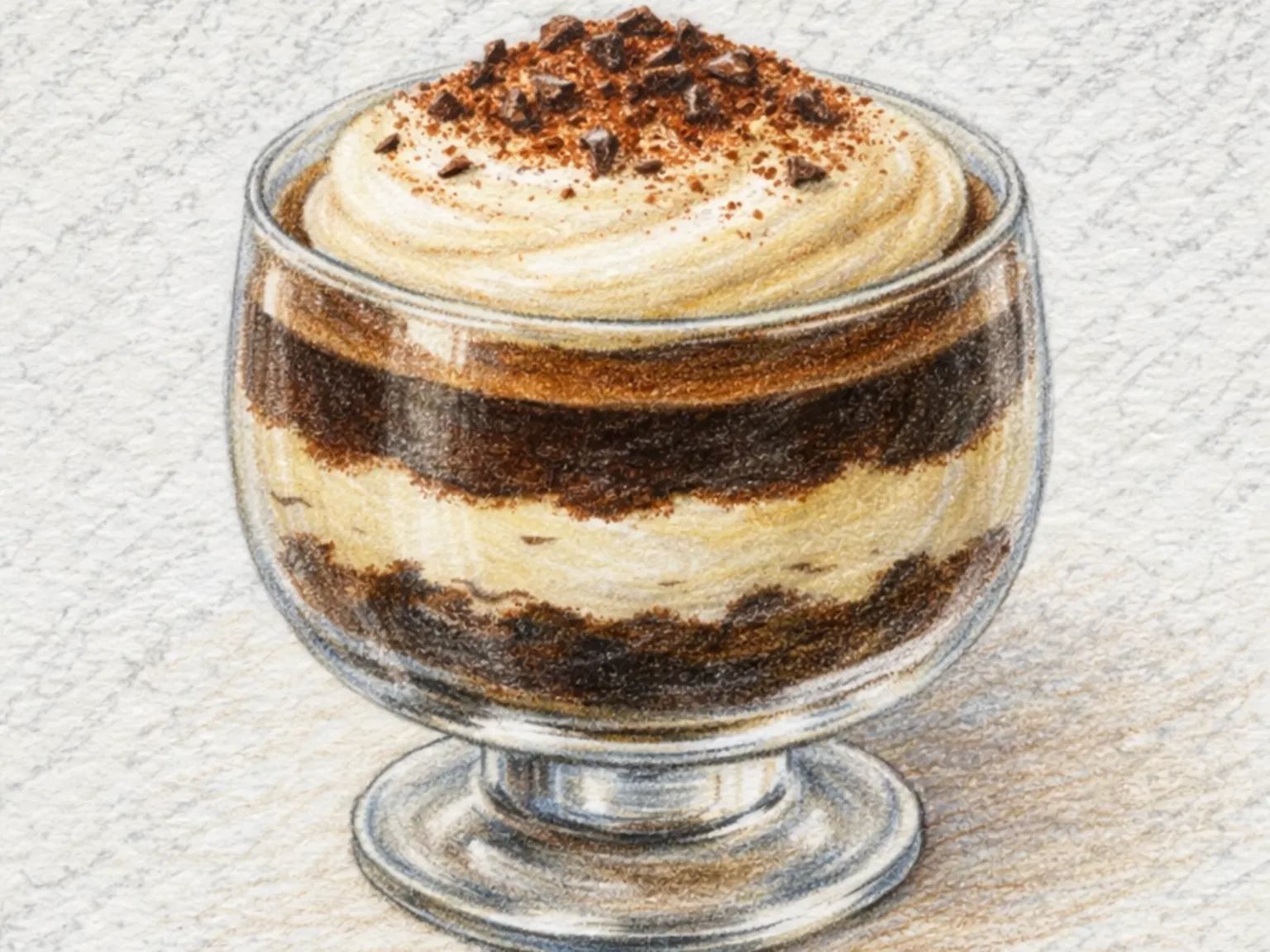
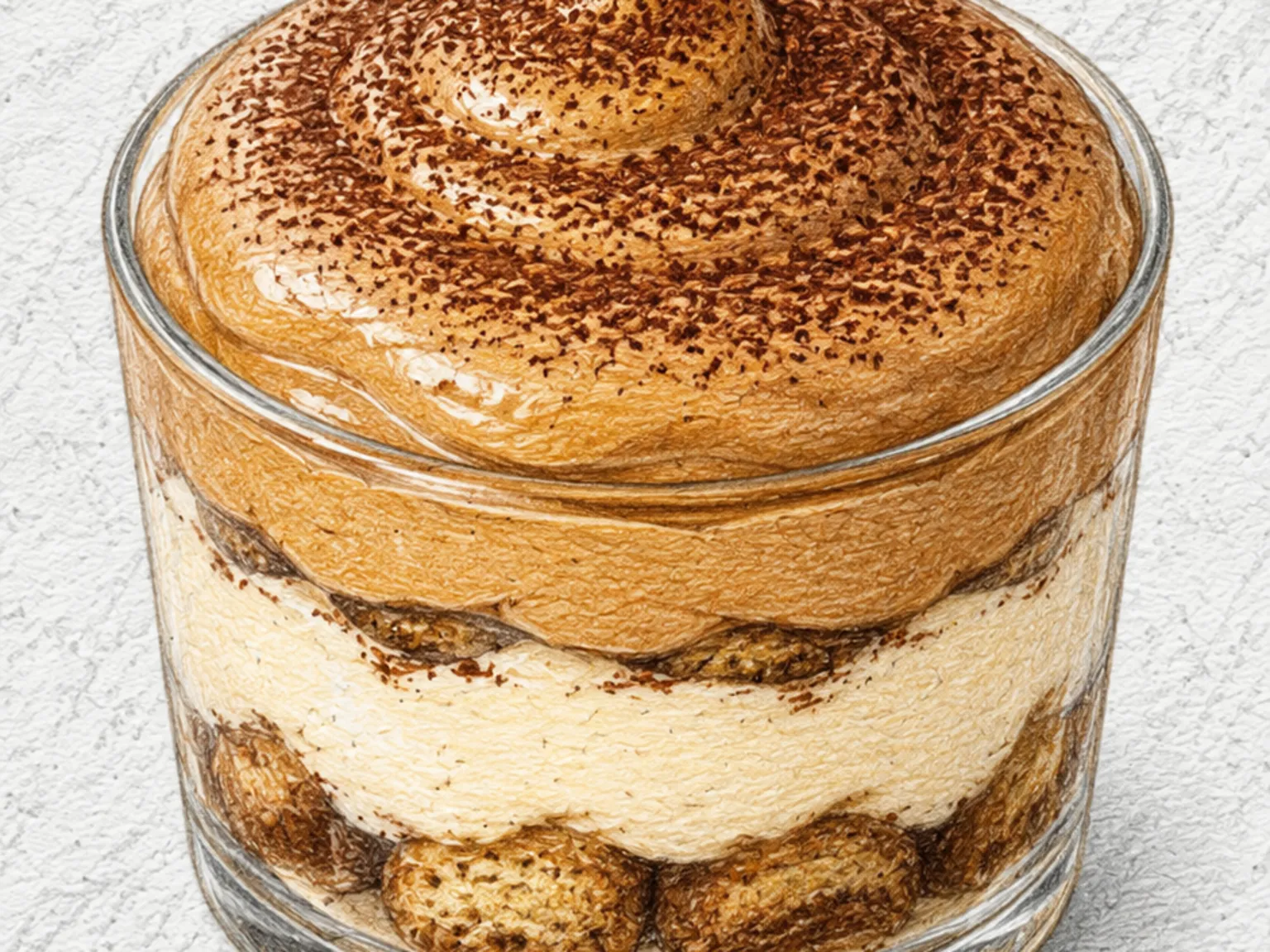
This Korean variation of tiramisu incorporates the whipped dalgona coffee method that gained international popularity and integrates it into the traditional framework of a classic Italian dessert. To create the characteristic topping, instant coffee is combined with sugar and hot water, then whipped vigorously until the mixture transforms into a dense and aerated foam. This specific preparation method results in a coffee profile that is significantly more concentrated and prominent than the standard espresso soak typically used in such recipes. The dalgona foam is positioned between layers of smooth mascarpone cream and ladyfingers that have been briefly submerged in espresso. This addition provides both a deep intensity of flavor and a texture that resembles a light mousse throughout the dish. The dessert requires a minimum of four hours in the refrigerator to allow the various components to settle and merge properly. Once thoroughly chilled, each serving provides a combination of the softened biscuit, the creamy mascarpone, and the coffee foam in a single bite. A thin layer of cocoa powder is applied across the surface to provide a finished appearance and a subtle bitterness. If a version with less sweetness is preferred, the volume of dalgona syrup can be decreased to allow the natural bitter qualities of the coffee to become more apparent.

Prep 25min 0 4 servings
Recipes by ingredient → heavy cream

Instructions

Read the steps as a cooking flow: prep, heat, seasoning, doneness control, and finish.

6 steps
  1. 1
    Season

    Chill the bowl and heavy cream first, then add 30 g sugar and whip on medium speed.

    Stop when the whisk leaves clear tracks and the peak bends softly, before the cream turns grainy.

  2. 2
    Season

    In a separate bowl, loosen 250 g mascarpone with the remaining sugar, 40 g dalgona syrup, and 1 g salt.

    Mix only until the lumps disappear, because overmixing can make the cheese loose and heavy.

  3. 3
    Step

    Add the whipped cream to the mascarpone in two portions and fold from the bottom upward with a spatula.

    Work slowly until the color is even, keeping as much air as possible in the cream.

  4. 4
    Step

    Pour 120 ml cooled espresso into a shallow dish and dip each ladyfinger for only 1 second.

    Move it straight into the dish and make one layer before the soaked side softens and breaks.

  5. 5
    Control

    Spread half of the cream over the first layer, reaching the corners in an even sheet.

    Dip the remaining ladyfingers the same way, add them on top, and cover with the remaining cream smoothly.

  6. 6
    Finish

    Level the surface, cover the dish, and chill for at least 4 hours so the layers set together.

    Just before serving, sift 12 g cocoa powder evenly over the top and serve cold.

After the steps

Pick a recipe that fits this dish.

Continue with shared ingredients, meal pairings, or a similar method.

Recipes That Go Well With This

More Baking →

Based on shared ingredients and meal pairing

Bam Tiramisu (Chestnut Tiramisu)
Shared ingredient: mascarpone cheese Desserts

Bam Tiramisu (Chestnut Tiramisu)

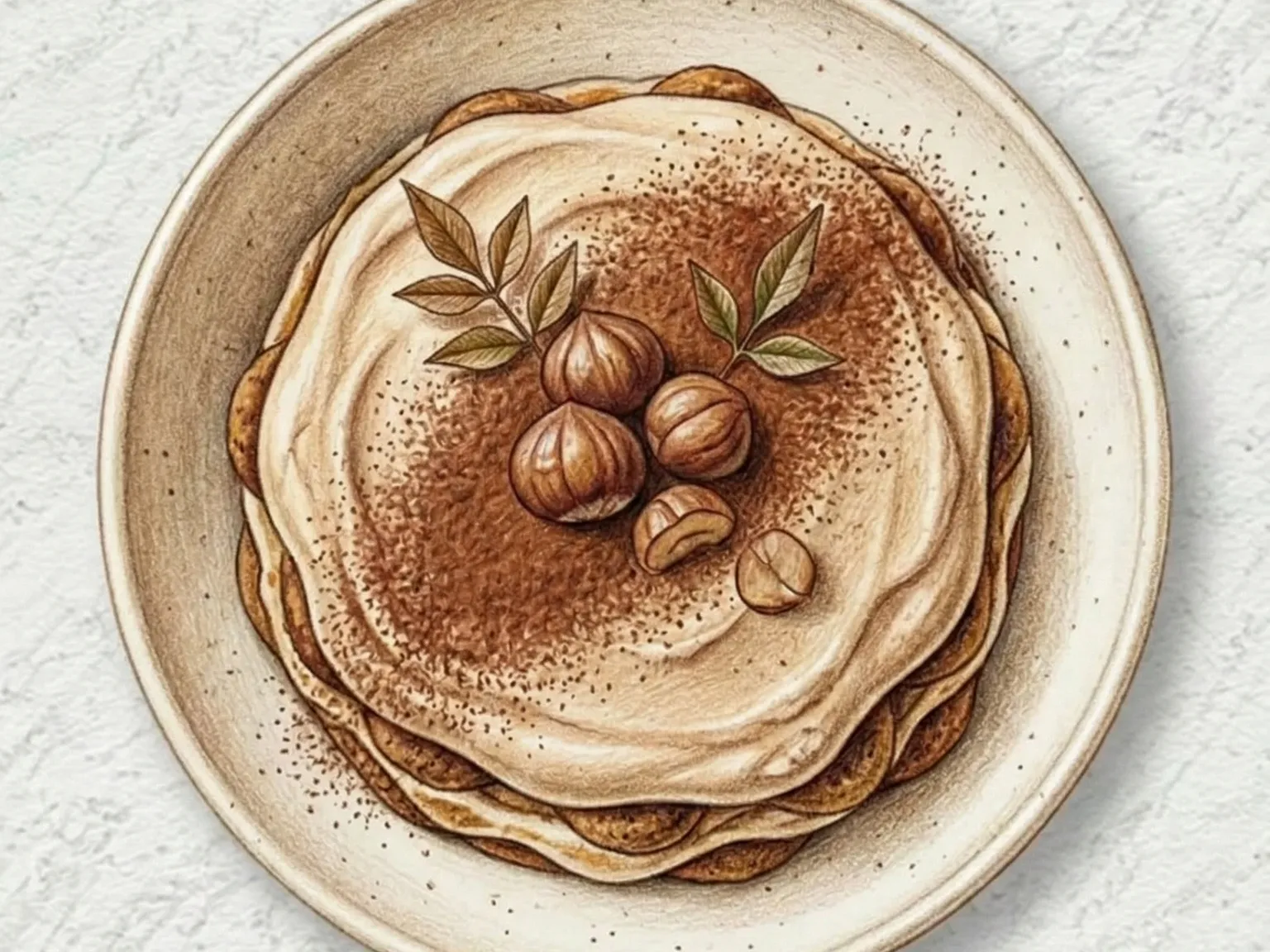
Chestnut tiramisu is a variation of the traditional Italian dessert that incorporates chestnut puree into the mascarpone cheese filling. This modification transforms a standard cafe dessert into a preparation specifically associated with the autumn season in Korea. The fundamental elements of the recipe remain consistent with the classic version. It utilizes ladyfinger biscuits that have been soaked in espresso, a filling made of whipped mascarpone and cream, and a final layer of cocoa powder. However, the introduction of chestnut puree alters the profile of the cream. Instead of a simple dairy richness, the mixture takes on an earthy quality. Using a puree made from chestnuts boiled at home, rather than a store-bought paste, helps maintain the natural grain of the nut. This provides the cream with a specific texture that is noticeable in every spoonful. When preparing the ladyfingers, the espresso soak requires a high level of precision. Each biscuit should be dipped for approximately one to two seconds. If the ladyfingers are submerged for a longer duration, they absorb an excessive amount of liquid. This leads to a waterlogged consistency which can cause the structural layers of the dessert to collapse while it sits in the refrigerator. The assembly process follows a predictable sequence. A layer of soaked ladyfingers is placed at the bottom, followed by a layer of the chestnut cream. This pattern is repeated once more before the entire dish is placed in the refrigerator to rest for at least four hours. This period of refrigeration is essential to the final outcome. During these hours, the ladyfingers absorb moisture from both the espresso and the cream layer above them. This process changes the biscuits from a crunchy state to a soft texture similar to cake, which allows for clean slices. Just before the dessert is served, a thin layer of cocoa powder is applied to the top. This adds a bitter element that balances the sweetness of the chestnuts. Preparing the tiramisu in individual glass containers or cups ensures that the portions are easy to manage and allows the different layers of the dessert to be clearly visible from the side.

Chestnut Espresso Tiramisu
Shared ingredient: mascarpone cheese Baking

Chestnut Espresso Tiramisu

Chestnut espresso tiramisu layers a mascarpone cream enriched with chestnut puree over espresso-soaked savoiardi biscuits, bringing an autumnal depth to the Italian classic. Strong espresso spiked with rum or marsala wine saturates the ladyfingers without making them soggy, providing a bitter, caffeinated base for the cream above. The mascarpone is first beaten smooth, then folded together with chestnut puree and a pate a bombe made from egg yolks whipped with hot sugar syrup, giving the cream a stable, mousse-like body that slices cleanly after setting. Chestnut puree contributes a dense, mellow sweetness entirely unlike refined sugar - it rounds the espresso's bitterness rather than masking it, and its earthy, nutty undertones push the cream toward something more complex than the vanilla-forward original. The finished layers are dusted with unsweetened cocoa powder, adding one more note of controlled bitterness, and refrigerated for at least six hours. Overnight chilling is the better choice: the espresso migrates up through the cream layers during that time, the flavors blend into a cohesive whole, and the texture firms from loose cream into the silkable, sliceable consistency that defines a properly rested tiramisu. Served cold, the chestnut and coffee notes become sharp and distinct.

Chicken Parmesan
Serve together Western

Chicken Parmesan

Chicken Parmesan coats pounded chicken breast in a mixture of breadcrumbs and grated Parmesan, pan-fries it until golden on both sides, then tops it with tomato sauce and mozzarella before baking until the cheese melts and browns at the edges. The preparation begins by pounding the breast to a uniform thickness of no more than 1.5 centimeters - consistent thickness is what allows both sides to reach the same golden color in the pan without one side burning while the other stays underdone. After breading, the cutlet should rest for about five minutes before going into the hot pan. This brief rest allows the coating to bind to the surface of the meat, so it remains intact when sauce and cheese are layered on top and the dish goes into the oven. The cross-section of a finished piece shows the layered structure clearly: a crisp breadcrumb shell, the lean white meat beneath, the bright acidity of tomato sauce, and the pull of melted mozzarella. Ten to twelve minutes at 200 degrees Celsius is enough for the mozzarella to melt completely and develop light caramelization at its edges while leaving the chicken inside moist rather than dried out.

Mugwort Tiramisu (Korean Herbal Twist on Italian Classic)
Similar recipe Baking

Mugwort Tiramisu (Korean Herbal Twist on Italian Classic)

Mugwort powder is whisked into mascarpone cream and layered with espresso-soaked ladyfingers to create a Korean reinterpretation of tiramisu. The green-tinted cream layers look similar to matcha tiramisu at first glance, but the flavor is distinctly different. Mugwort carries an herbal, slightly medicinal depth that matcha lacks, closer to dried herbs than to tea. A small amount of espresso in the ladyfinger soak adds bitterness that balances the cream's richness without overpowering the mugwort. After overnight refrigeration, the layers soften into a unified, mousse-like consistency where biscuit, cream, and herb notes blend in each spoonful. Spring is the ideal season for this dessert, when fresh mugwort powder is at its most fragrant and full of character.

Serve with this

Tomato Basil Juice
Drinks Easy

Tomato Basil Juice

Tomato basil juice is a cold savory drink made by blending ripe tomatoes with fresh basil leaves and straining the result through a fine sieve to remove seeds and skins. The ripeness of the tomato determines much of the flavor: fully ripe tomatoes carry free glutamates that produce a natural umami depth, whereas underripe fruit tastes predominantly sour without the sweetness and savory body that makes the juice satisfying. Basil should be added to the blender immediately before blending rather than sitting cut or torn, because the volatile oils that produce its aroma begin oxidizing quickly once the leaves are damaged. After blending to a smooth consistency, passing the juice through a fine-mesh strainer or cheesecloth removes the solids and produces a texture smooth enough to drink without resistance. Salt and black pepper season the juice, and fresh lemon juice raises the acidity in a way that brightens the overall flavor rather than making it sour. A small addition of olive oil emulsifies into the juice and activates fat-soluble aromatic compounds in both the tomato and the basil, producing a fuller, rounder flavor than the unstrained version. The juice must be thoroughly chilled before serving, as warmth mutes the herbal freshness. It works well as a brunch drink, a light non-alcoholic aperitif, or a base for savory cocktails.

🍺 Bar Snacks ⚡ Quick
Prep 10min 2 servings
Mushroom Spinach Warm Salad
Salads Easy

Mushroom Spinach Warm Salad

Button mushrooms are seared over high heat for a deep caramelized crust, then spinach is added just long enough to barely wilt in the residual heat of the pan. Garlic bloomed in olive oil at the start ensures the entire pan is fragrant before the other ingredients are added. Once the mushrooms go in, leaving them untouched for one to two minutes is the critical step: stirring immediately causes them to steam and release water, which prevents browning and dilutes the flavor. Balsamic vinegar deglazed in at the end lifts the pan with a balance of sweetness and acidity, and grated parmesan melts into the warm greens for a salty, nutty finish. The salad should be eaten immediately: the spinach holds its vivid green and the mushrooms retain their firm, springy bite only while everything is hot. The entire dish comes together in under ten minutes, making it a reliable choice for a quick weeknight side or a no-effort addition to a wine table.

🥗 Light & Healthy ⚡ Quick
Prep 10min Cook 10min 2 servings

Similar recipes

Classic Tiramisu
Western Medium

Classic Tiramisu

Classic tiramisu layers ladyfingers briefly soaked in a syrup of cooled espresso and Marsala wine with a cream made from egg yolks whipped with sugar over a bain-marie, then folded with mascarpone and softly whipped heavy cream. Dipping the ladyfingers for only about one second prevents them from absorbing too much liquid and collapsing. Whipping the cream to soft peaks and folding it gently keeps the filling light rather than dense. The bittersweet depth of espresso plays against the rich, buttery smoothness of mascarpone, creating a flavor contrast that develops further with chilling. A minimum of four hours in the refrigerator, ideally overnight, allows the layers to meld into a cohesive, melt-in-the-mouth texture. Cocoa powder dusted generously over the surface just before serving adds a final bitter note.

🎉 Special Occasion 🧒 Kid-Friendly
Prep 25min 4 servings
Tiramisu
Baking Medium

Tiramisu

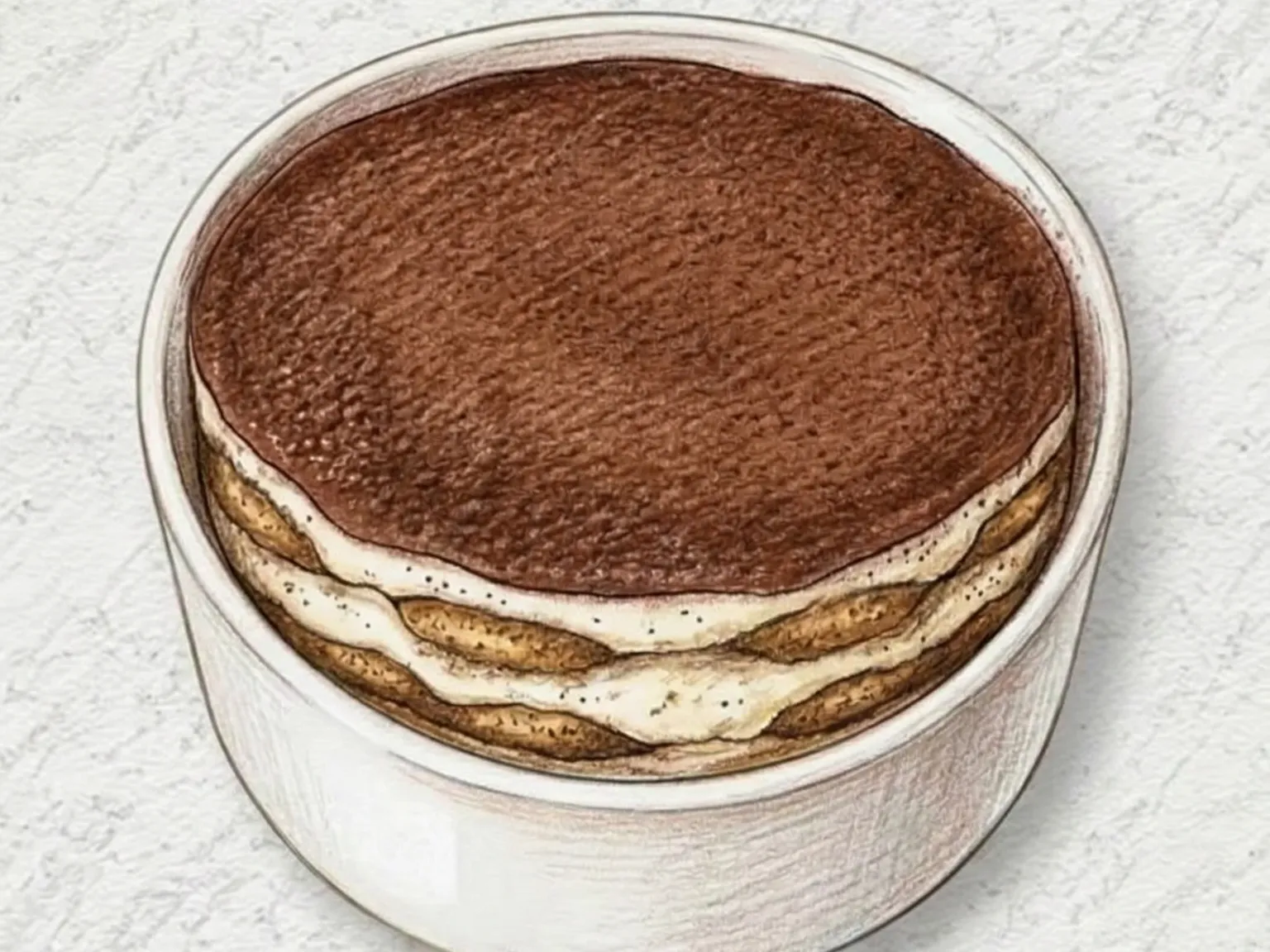
Tiramisu is assembled by alternating layers of savoiardi biscuits that have been soaked in espresso with a prepared mascarpone cream, after which the dish is placed in the refrigerator to allow the individual elements to integrate into a unified dessert. The cream layer is produced by whisking egg yolks with sugar until the base reaches a pale color and a thick volume, followed by the folding in of mascarpone cheese. This method ensures the mixture remains airy while retaining enough density to support its own weight and the layers of biscuits. Each savoiardi biscuit is dipped into strong espresso for approximately one to two seconds on each side. If the biscuits are held in the liquid for any additional time, they will dissolve into a soft mush that lacks the strength to hold the cream. A minimum of six hours in the refrigerator is necessary to complete the transformation of the dessert. During this resting phase, the biscuits absorb moisture from the surrounding cream and soften until they reach a consistency similar to cake, while the cream itself firms up and the flavors of the different components begin to merge. The final step involves applying a generous coating of unsweetened cocoa powder through a fine mesh sieve. This layer provides a bitter profile that frames the sweetness of the mascarpone and the roasted intensity of the espresso. In more traditional preparations, a splash of Marsala wine or a coffee-flavored liqueur is often mixed into the espresso soaking liquid to add a sense of warmth and a more complex flavor profile to the finished product.

🎉 Special Occasion 🧒 Kid-Friendly
Prep 30min 8 servings
Vanilla Panna Cotta
Baking Easy

Vanilla Panna Cotta

Heavy cream and milk are gently heated with sugar and vanilla, then set with gelatin into a chilled Italian dessert that requires no oven at all. After four hours of refrigeration, the mixture firms to a silky consistency that trembles on the spoon and dissolves on the tongue. The vanilla fragrance is carried by the high fat content of the cream, releasing slowly with each bite rather than hitting all at once. Sweetness is kept moderate so the dairy richness speaks for itself, leaving a clean finish. To unmold, a brief dip of the cup in warm water loosens the edges. Berry coulis or salted caramel sauce over the top adds color and a contrasting flavor note. Gelatin must be dissolved off the heat to preserve its setting strength.

🧒 Kid-Friendly
Prep 15min Cook 10min 4 servings

Tips

Do not over-soak ladyfingers or the texture becomes soggy.
Overnight chilling melds coffee and dalgona flavors better.

Nutrition (per serving)

Calories
430
kcal
Protein
7
g
Carbs
34
g
Fat
29
g