Korean Sweet Red Bean Bun
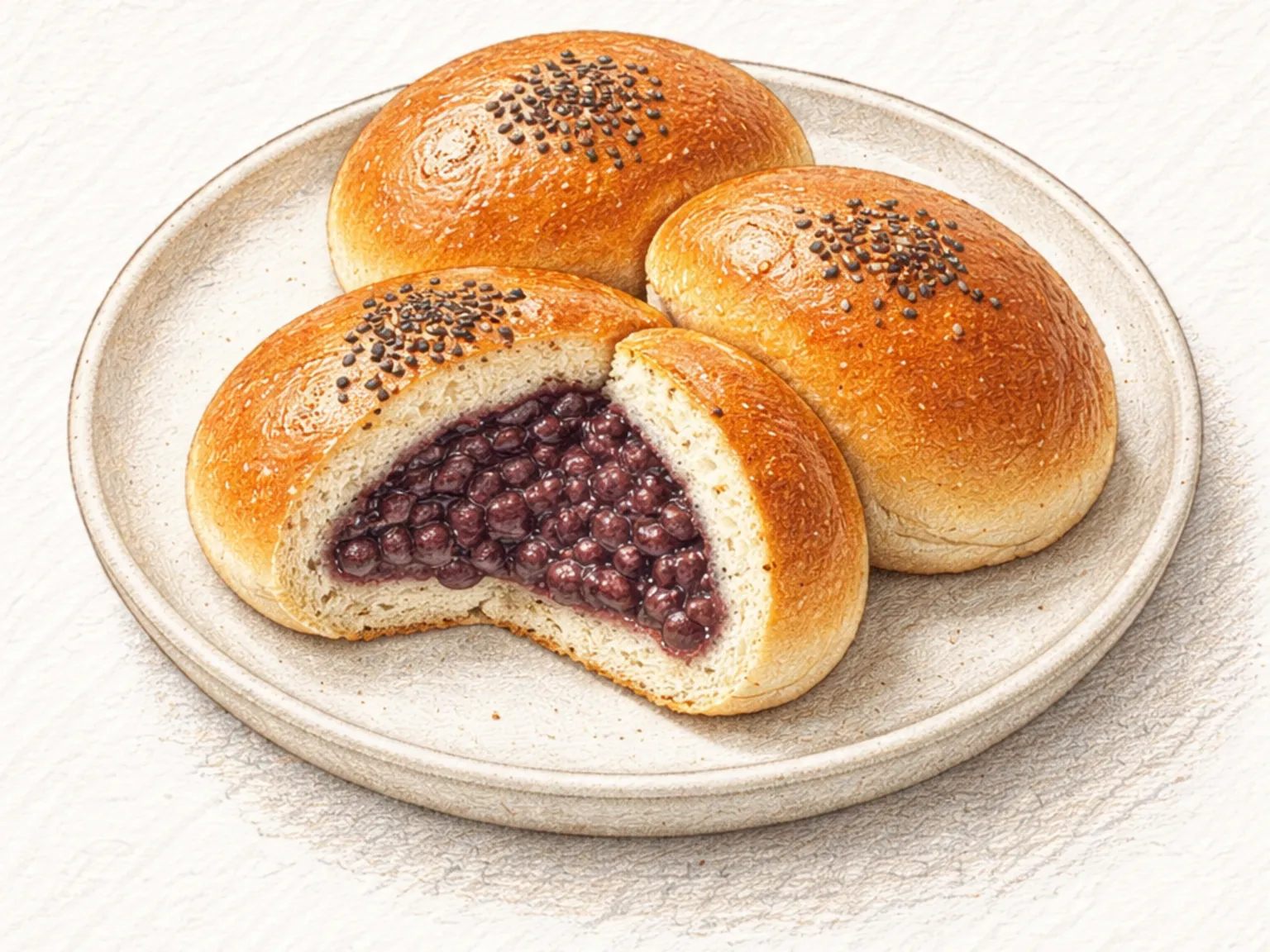
Danpat-ppang is a Korean sweet red bean bun made from a yeasted dough of bread flour, sugar, butter, and egg, put through a one-hour first rise and thirty-minute second rise before baking at 180 degrees Celsius for fifteen minutes. Each bun is filled with about thirty grams of sweet red bean paste and sealed shut, so the paste softens into a dense, sweet layer inside as the bread bakes. An egg wash on the surface gives the bun a glossy brown finish, while the yeast-risen crumb stays pillowy and moist. The concentrated sweetness of the red bean filling contrasts with the mild, bread-y dough, making this one of the most iconic items in Korean bakeries.
Adjust Servings
Instructions
- 1
Activate yeast, mix with flour, sugar, butter, and egg; knead and let rise 1 hour.
- 2
Divide dough, add red bean filling, and seal.
- 3
Let rise 30 more minutes, then brush with egg wash.
- 4
Bake at 180°C for 15 minutes.
As an Amazon Associate, we may earn from qualifying purchases.
Tips
Nutrition (per serving)
More Recipes

Anpan (Japanese Sweet Red Bean Filled Soft Milk Bun)
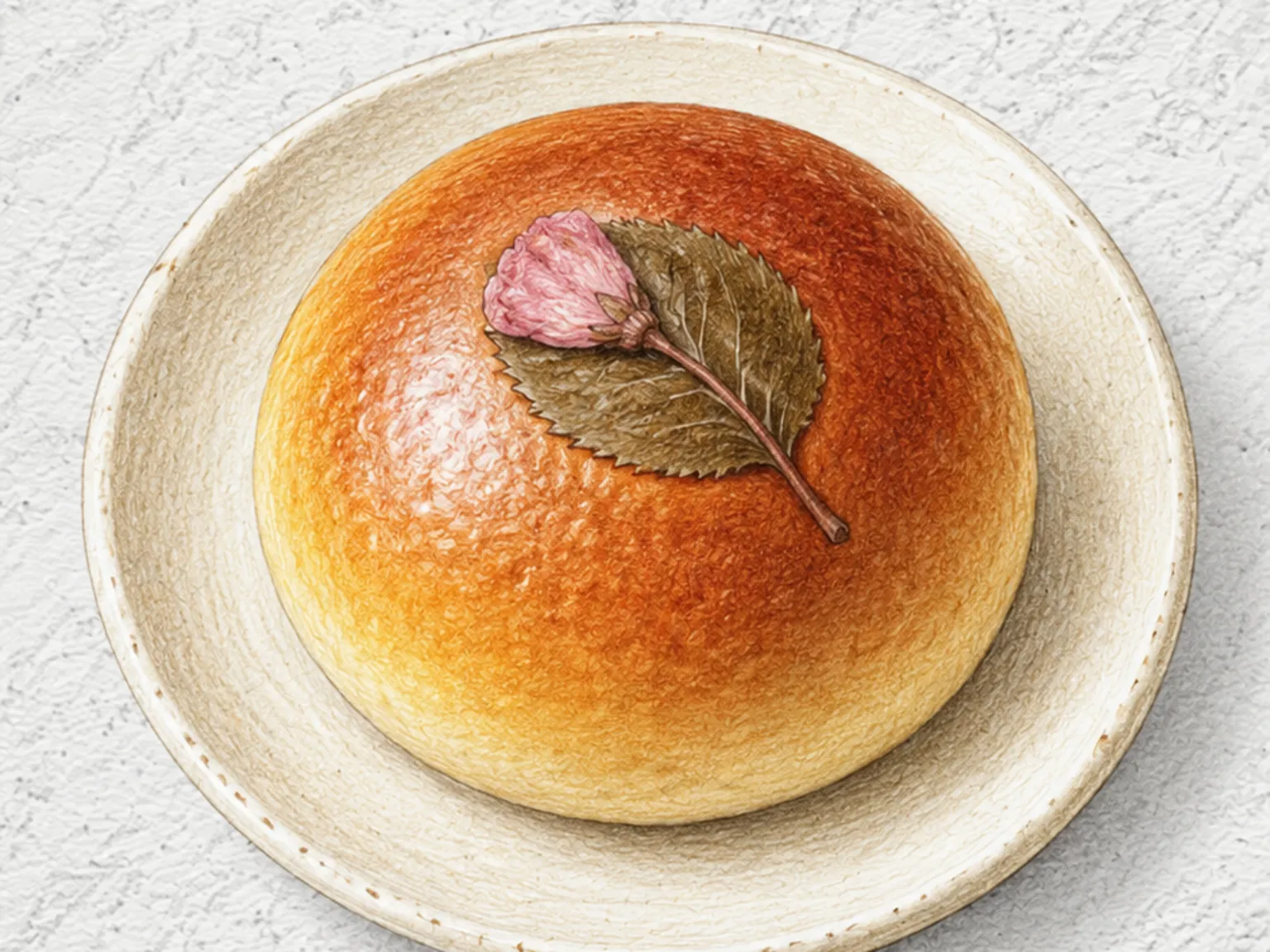
Anpan was created in 1874 by Kimuraya bakery in Tokyo's Ginza district, making it one of Japan's first fusion foods - Western bread technique meeting Japanese bean-paste confection. The dough is enriched with milk, butter, and egg, producing a soft, pillowy crumb that tears apart in cottony layers. Inside, a generous ball of anko - sweet red bean paste made by simmering azuki beans with sugar until they collapse into a smooth or chunky filling - provides a concentrated sweetness with an earthy, bean-forward taste. A single pickled cherry blossom petal pressed into the top of the bun before baking is the traditional Kimuraya signature, adding a faint saltiness and floral note. The bun became so popular that it was presented to Emperor Meiji in 1875, cementing its status as a national snack. Today it is found in every Japanese convenience store and bakery, unchanged in concept for over 150 years.

Korean Injeolmi Toast (Buttery Toast Topped with Rice Cake and Soybean Powder)
Injeolmi toast starts with bread pan-toasted in butter until golden, then topped with sliced injeolmi rice cake, a generous dusting of roasted soybean powder, and a drizzle of honey. The crisp bread contrasts with the sticky, chewy rice cake, while the soybean powder adds a toasty, nutty flavor that ties everything together. Briefly pan-frying the injeolmi before placing it on the toast enhances its elasticity and lightly caramelizes the surface. The entire dish comes together in under ten minutes.

Korean Fish-Shaped Bread (Sweet Red Bean Filled Wheat Waffle)
Bungeoppang is a Korean fish-shaped pastry made by filling a heated mold with wheat batter and sweet red bean paste. The preheated mold creates a thin, crisp shell on the outside while the interior bakes into soft dough cradling the dense bean filling. The red bean paste has a thick, smooth consistency that flows slowly when bitten into, delivering a concentrated sweetness. The tail section bakes crispiest and the belly holds the most filling, giving each part of the fish a distinct texture.

Korean Fried Sweet Potato
Goguma-twigim is Korean deep-fried sweet potato, sliced into 0.5 cm rounds, dipped in tempura-style batter, and fried at 170 degrees Celsius until golden. Using ice-cold water for the batter is essential - it slows gluten formation, producing a thin, delicate crust that does not mask the potato's own flavor. Once out of the oil, the concentrated natural sweetness of the sweet potato sits just beneath the crisp shell, and a pinch of salt heightens that sweetness further. It is a standard side order at tteokbokki shops and one of the most universally enjoyed Korean street snacks.

Bibim Dangmyeon (Spicy Glass Noodles)
Chewy sweet potato glass noodles tossed in a tangy gochujang dressing with fresh cucumber and carrot - a refreshing Korean noodle dish ready in 20 minutes. The noodles are rinsed in cold water to set their translucent, chewy texture before being dressed. Gochujang brings heat, vinegar adds tartness, and sugar balances with sweetness, creating a layered spicy-sweet-sour sauce that coats each strand evenly. A touch of sesame oil prevents the noodles from clumping and adds a subtle nutty aroma.

Soboro Bread (Korean Sweet Streusel-Topped Bun)
Soboro bread is a Korean bakery staple that tops a soft, milk-enriched yeast bun with a layer of sweet cookie crumble. The bun interior is pillowy and slightly sweet, with a fine crumb that tears in gentle strands, while the streusel cap - mixed from butter, sugar, egg, and flour - bakes into a crunchy, golden shell that cracks into irregular pieces. The appeal lies in the contrast: each bite delivers both the airy softness of enriched bread and the sandy crunch of a cookie. Applying the crumble after the second proof, rather than before, prevents the rising dough from being weighed down and allows the surface to fracture naturally in the oven's heat. The crumble stays crisp even after the bread cools completely, which is why soboro bread remains satisfying the next day when many other bakery items have gone stale.