
Street food Recipes
137 recipes. Page 1 of 6
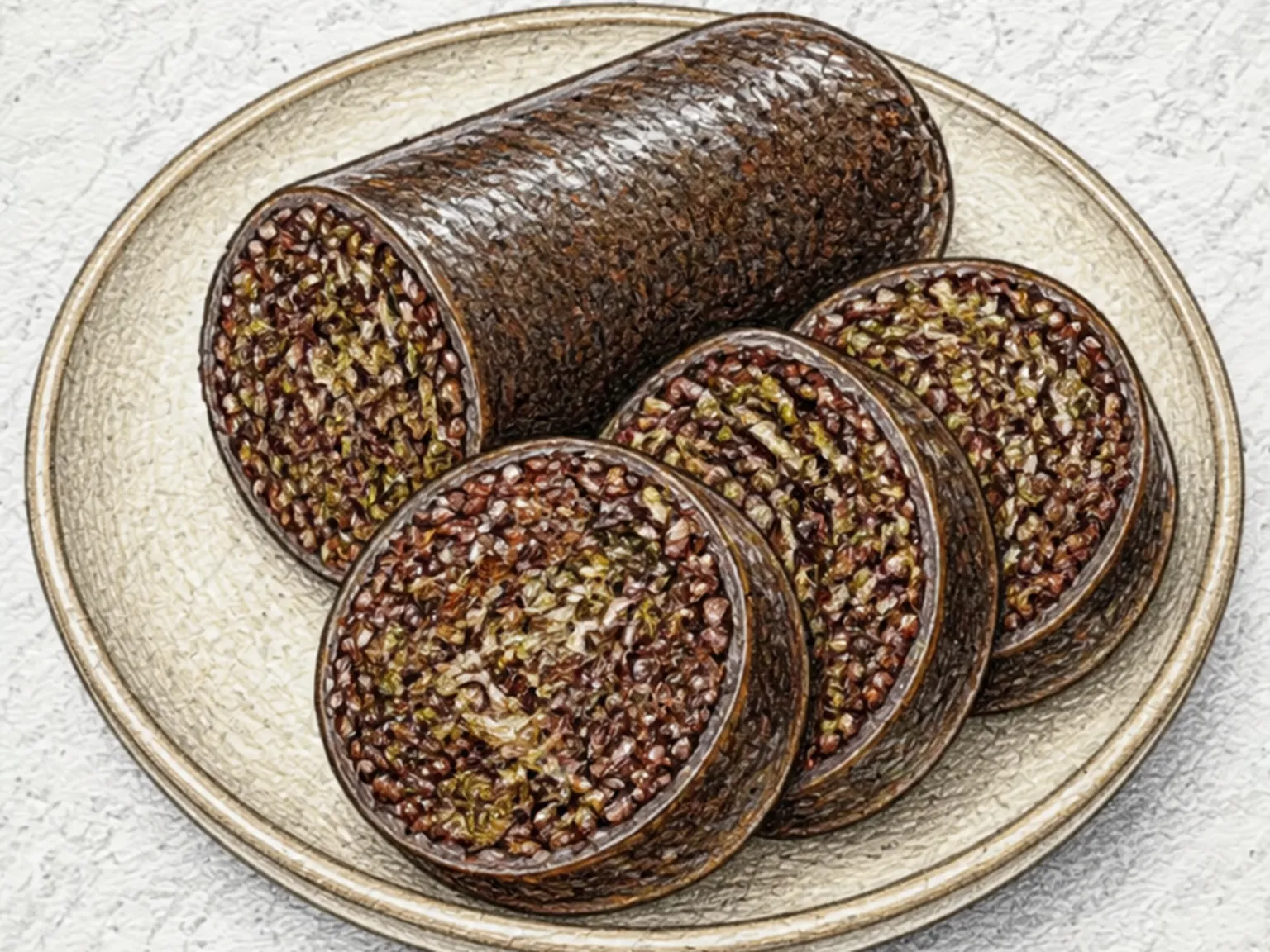
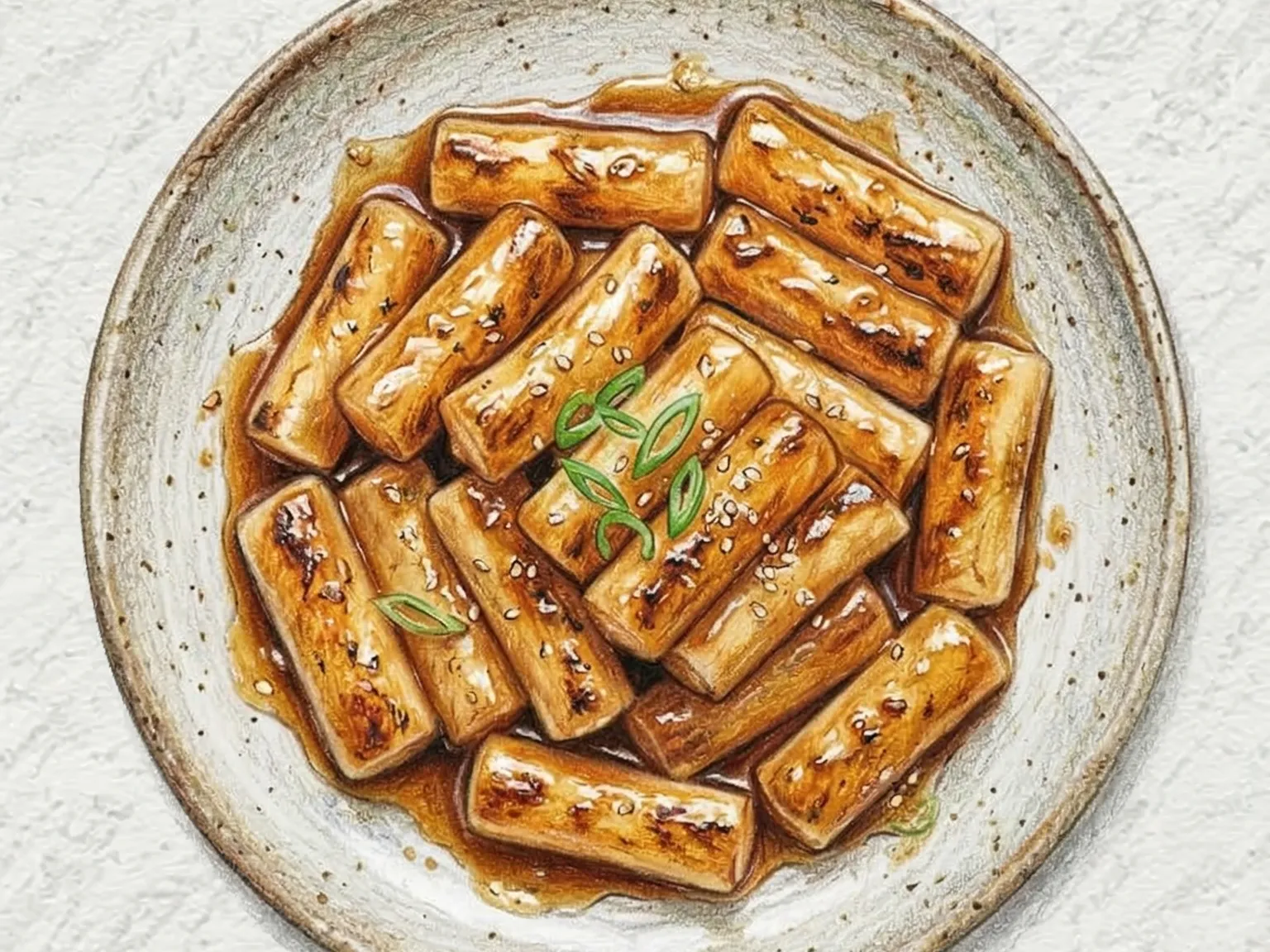
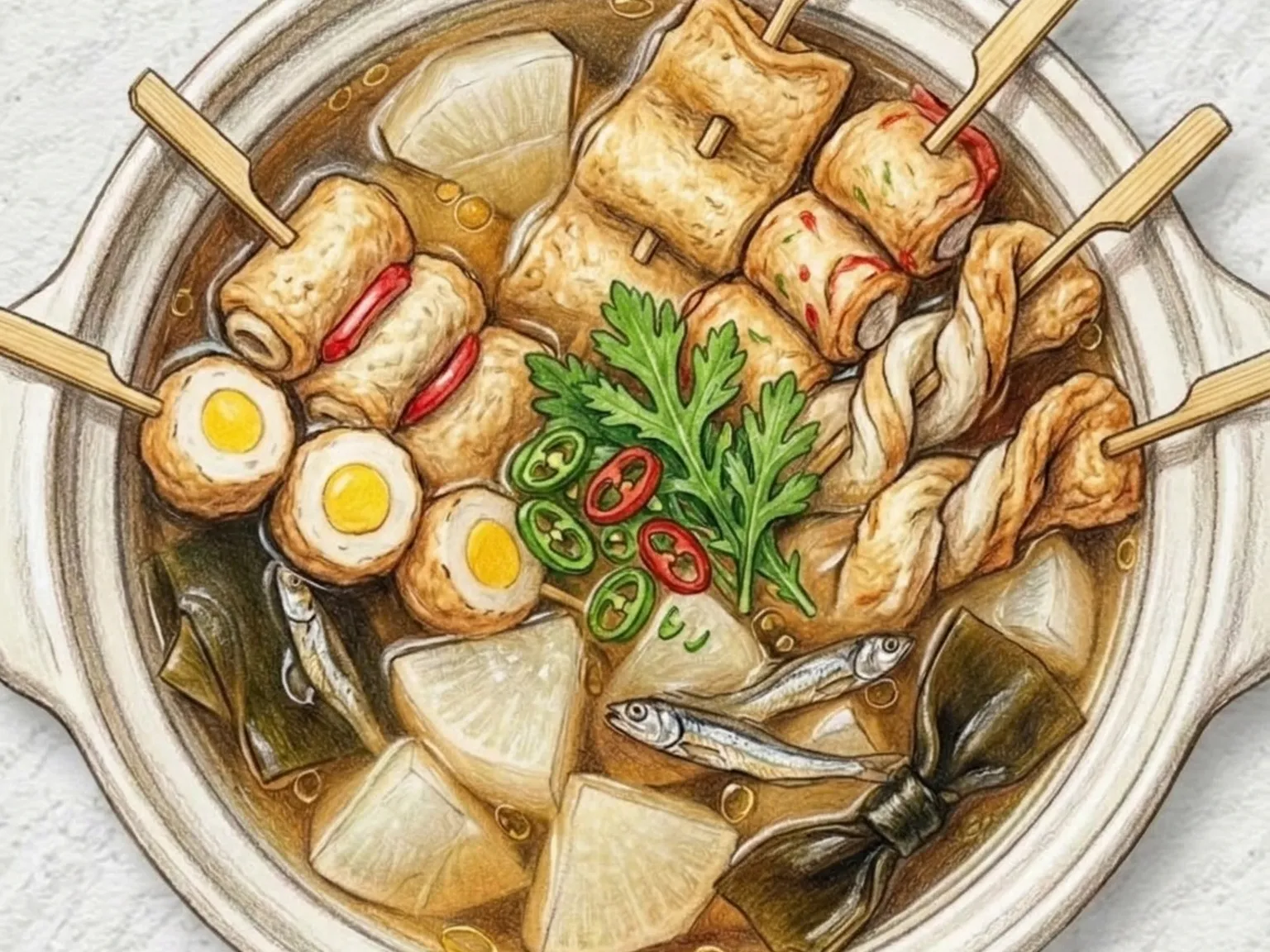
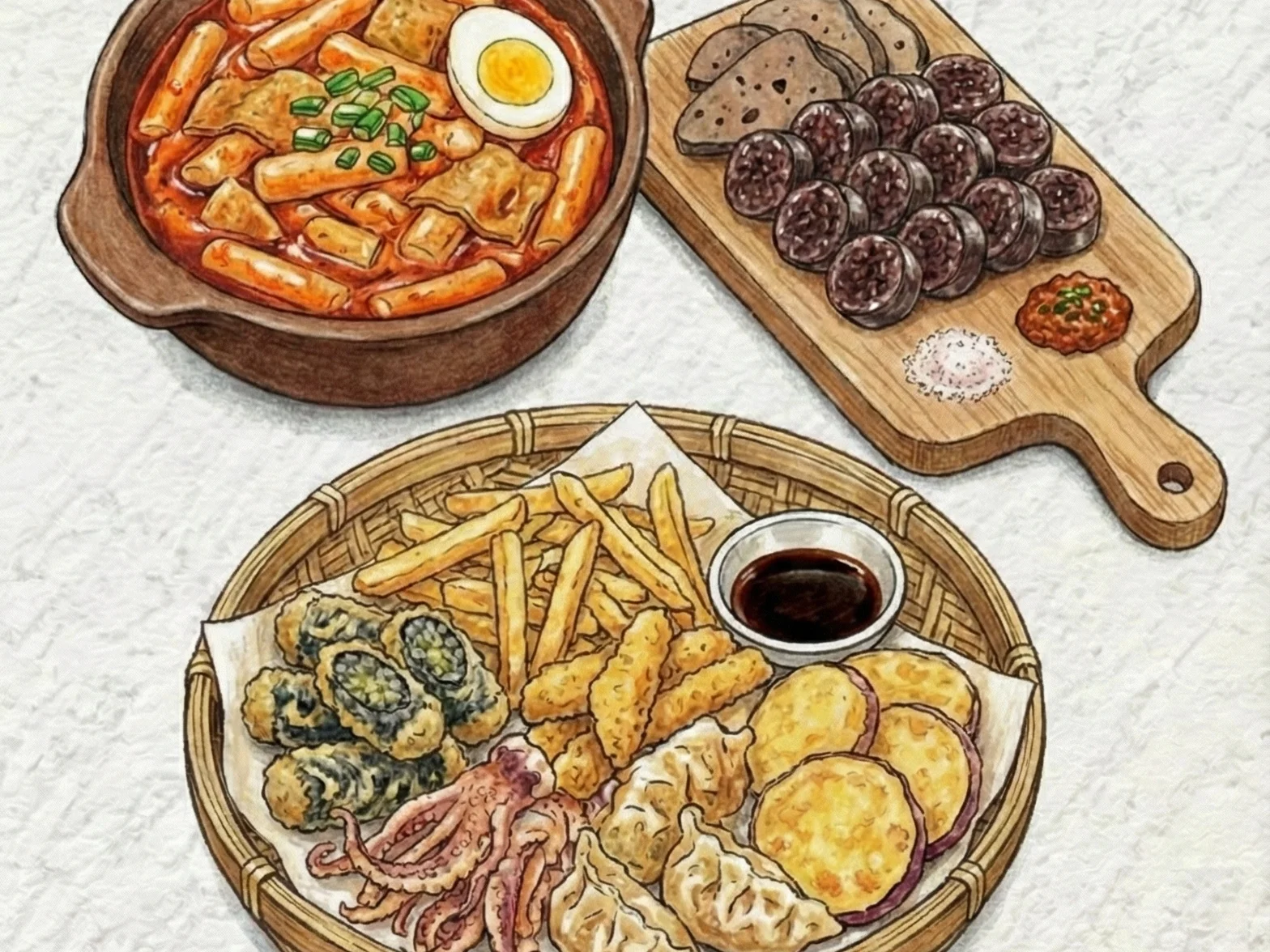
Korean street food (bunsik) covers beloved snacks like tteokbokki (spicy rice cakes), sundae (blood sausage), fish cakes, and fried treats. These are the foods Koreans grew up eating at market stalls and snack shops after school - simple, affordable, and deeply satisfying.
Aloo Samosa (Indian Crispy Potato-Filled Fried Pastry)
Samosa first appears in written form in a 10th-century Central Asian cookbook under the name sambosa, then follows trade routes westward into Persia and east into the Indian subcontinent, where it settled into street-food culture so thoroughly that chai stalls sell hundreds before noon each morning. The dough is stiff - flour, water, and oil kneaded until firm - and rolled thin. Too soft a dough absorbs oil during frying and turns greasy rather than crisp. The filling is boiled potato mixed with cumin, fresh green chili, and cilantro; the cumin's earthy fragrance permeates the potato during the mixing. The dough folds into a cone, filling goes in, air is pressed out carefully before sealing - trapped air expands in the hot oil and splits the crust. Fried at the correct temperature, the layered shell blisters outward, turns golden brown, and shatters audibly on first bite. Inside is a warm, lightly spiced potato that has absorbed all that cumin. Mint chutney and tamarind sauce are served alongside, their sourness and sweetness doing what the filling alone cannot.
Cheese Arepa (Venezuelan Griddled Cornmeal Cheese Pocket)
The arepa is the daily bread of Venezuela and Colombia, with origins reaching back to pre-Columbian indigenous peoples who ground maize on stone metates and cooked the patties over fire. The dough has no leavening, no fat, no yeast - only pre-cooked cornmeal (masarepa), water, and salt, worked by hand into thick discs and cooked on a budare, a flat cast-iron griddle, until a golden-brown crust forms on both sides. Inside, the arepa stays soft with a faintly undercooked texture that contrasts the crust. For cheese arepas, queso blanco or mozzarella is either folded into the dough before cooking, creating pockets of molten cheese throughout, or stuffed inside a freshly grilled arepa split open while hot. Either way, the warm corn shell traps stretchy, salty melted cheese in every bite. The corn flavor reads toasty and cleanly sweet, and the fat from the cheese provides the counterpoint. Street vendors across Caracas and Bogota sell them around the clock, filled with everything from black beans to slow-cooked shredded beef.
Korean Avocado Gimbap (Creamy Avocado Crab Seaweed Rice Roll)
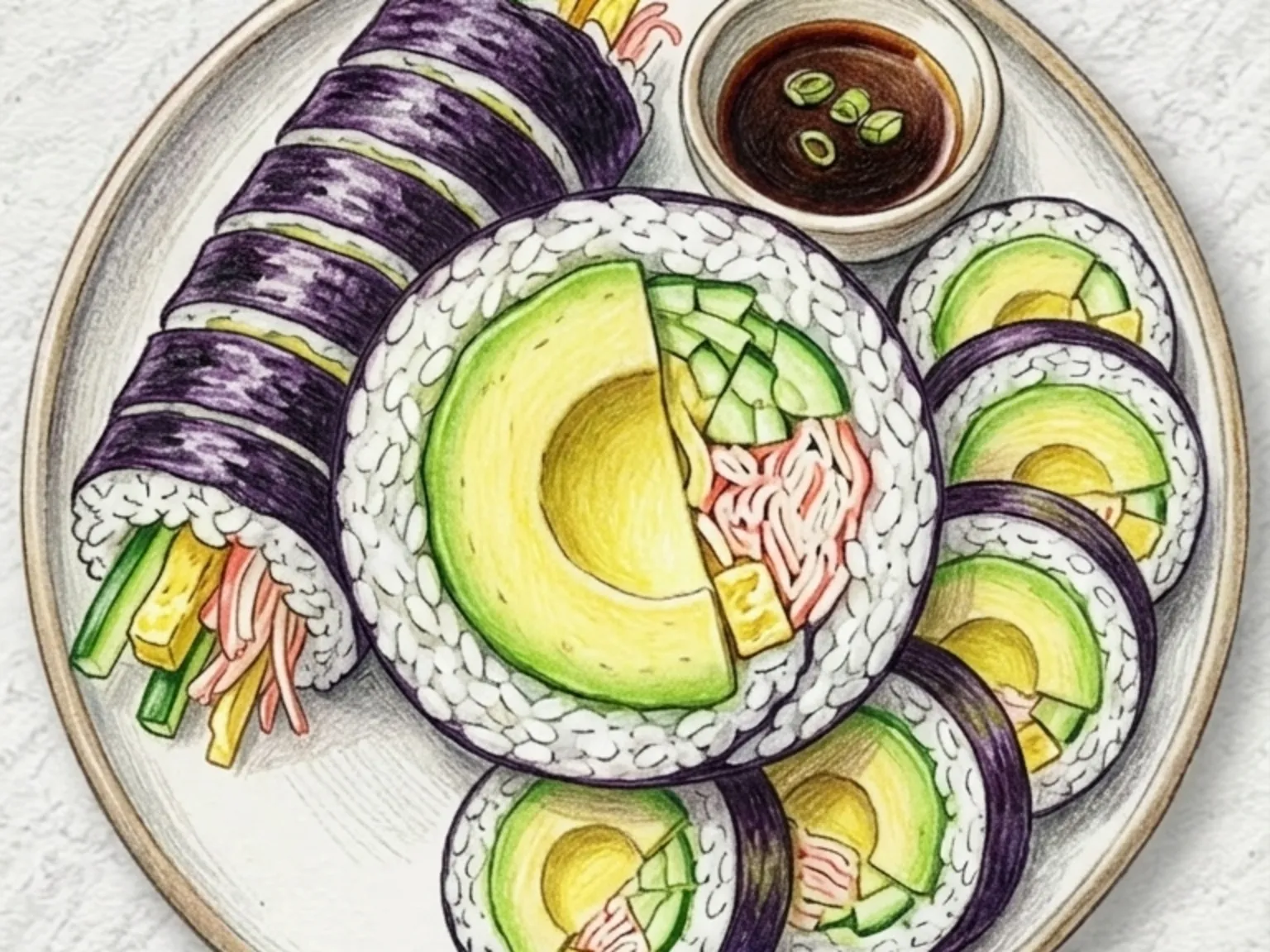
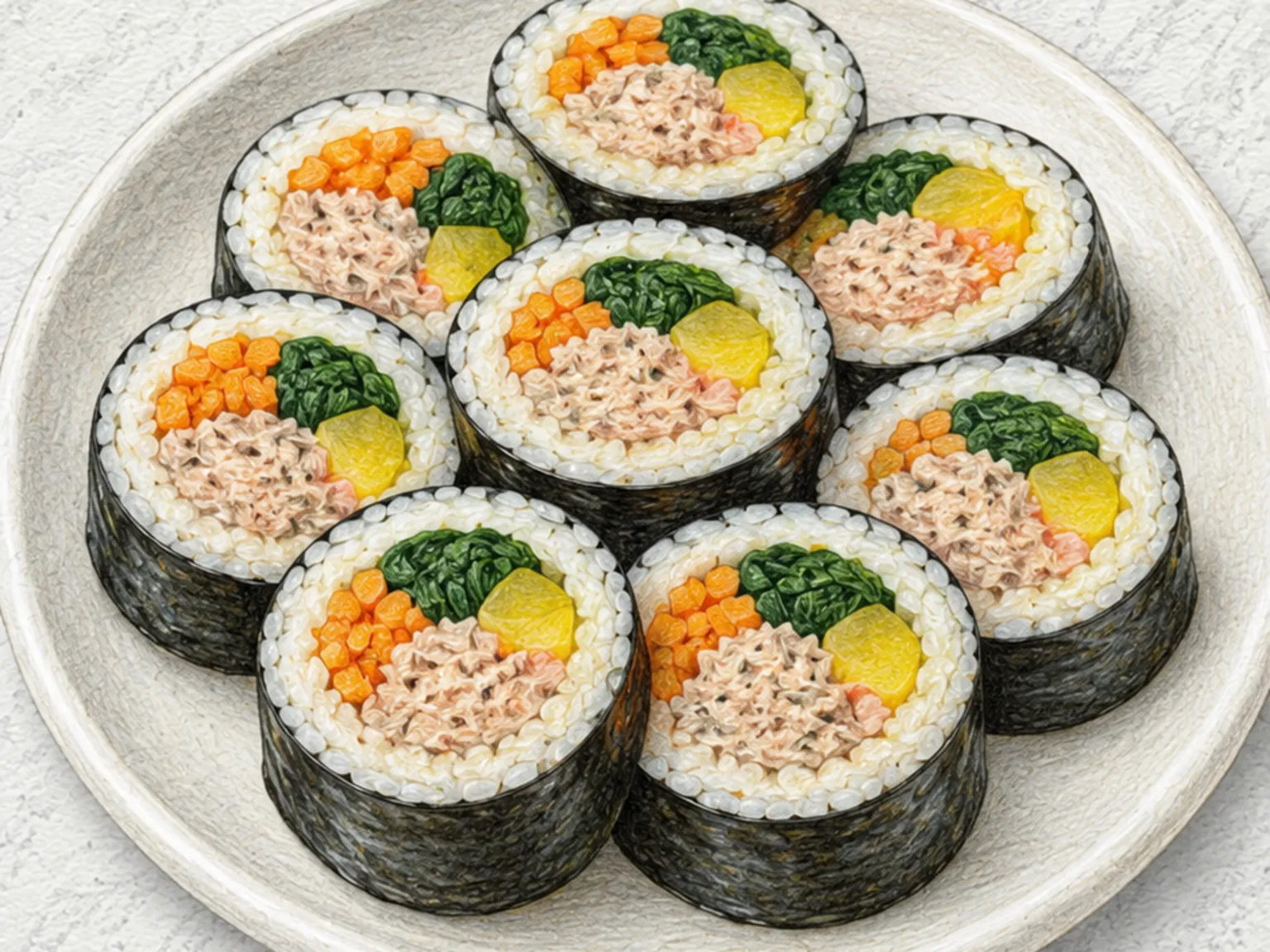
Avocado gimbap is a contemporary Korean roll that emerged in the 2010s as avocado shifted from a specialty import to a common supermarket staple in Korea. The timing of Korean avocado adoption is traceable: consumption roughly doubled between 2014 and 2018, driven by cafe culture and wellness trends, and this gimbap variant followed directly from that availability. Where traditional gimbap - danmuji, ham, spinach, carrot, egg - delivers discrete, clearly differentiated flavors in each bite, avocado gimbap works differently. The avocado at the center is buttery and neutral, its creaminess binding the other ingredients rather than competing with them. Selecting the right avocado matters considerably: the fruit must be ripe enough to yield when bitten without resistance, but firm enough to hold a clean slice. Underripe avocado is hard and flavorless; overripe avocado collapses when cut and turns the cross-section muddy. The rice is seasoned simply with sesame oil and salt, and the sheet of dried laver wrapping everything contributes a roasted, oceanic note. Crab stick placed lengthwise in the center, alongside julienned cucumber and a strip of egg jidan, creates the characteristic cross-section: concentric rings of green, white, and yellow that have made this version one of the most photographed gimbap in Korean food media. The avocado begins oxidizing and browning within an hour of cutting, so the roll is best eaten soon after assembly. It has become one of the highest-selling items in Korean convenience store gimbap sections, and a standard offering at gimbap specialty restaurants.
Korean Bacon Egg Toast (Buttery Griddle Bacon Egg Street Sandwich)
Bacon egg toast sits at the center of Korean street-toast culture - the gilgeori-toseuteu tradition that grew out of Seoul's pojangmacha stalls during the 1980s and 1990s and has since spread to carts and small storefronts across the country. Two slices of white sandwich bread are spread generously with butter and pressed onto a flat iron griddle until the surface caramelizes into something close to a fried crust - crisp, golden, and faintly sweet from the butter. The filling is built on the griddle in order: a thin omelet-style egg beaten with shredded cabbage and carrot is cooked flat and folded to fit the bread, then topped with crispy bacon strips and finished with ketchup and a small measure of sugar. That ketchup-and-sugar combination is the defining seasoning of the Korean street toast tradition - sweet and tangy in a ratio that surprises non-Korean eaters but has remained unchanged at Seoul's toast carts for decades. The bacon delivers smoky, salty contrast that prevents the sweetness from taking over. The finished sandwich is wrapped in wax paper and handed over to be eaten one-handed while walking. In busy districts like Hongdae and Myeongdong, morning lines form at the most popular carts, and the formula has not changed since the 1980s.
Pork Baozi (Chinese Steamed Pork Cabbage Bun)
Baozi is a Chinese steamed bun made from yeast-leavened wheat dough filled with seasoned ground pork, cabbage, and scallion. The dough proofs for 40 minutes, during which the yeast activity creates the open crumb structure that gives the finished bun its soft, pillowy texture when steamed. The filling is seasoned with soy sauce and sesame oil, which brings savory depth and aroma to the minced pork and vegetables. Pleating the top of each bun seals in the juices during the 15-minute steam and also creates the ridged crown that visually identifies a well-made baozi. Resting the buns for two minutes with the lid off after turning off the heat prevents the delicate skin from collapsing from the sudden temperature change between the steam environment and the open air. In China, baozi appears on breakfast tables and as a midday snack, and shares ancestry with the broader family of dim sum dumplings, though home kitchens make this version far more regularly than the restaurant varieties.
Bibim Dangmyeon (Spicy Glass Noodles)
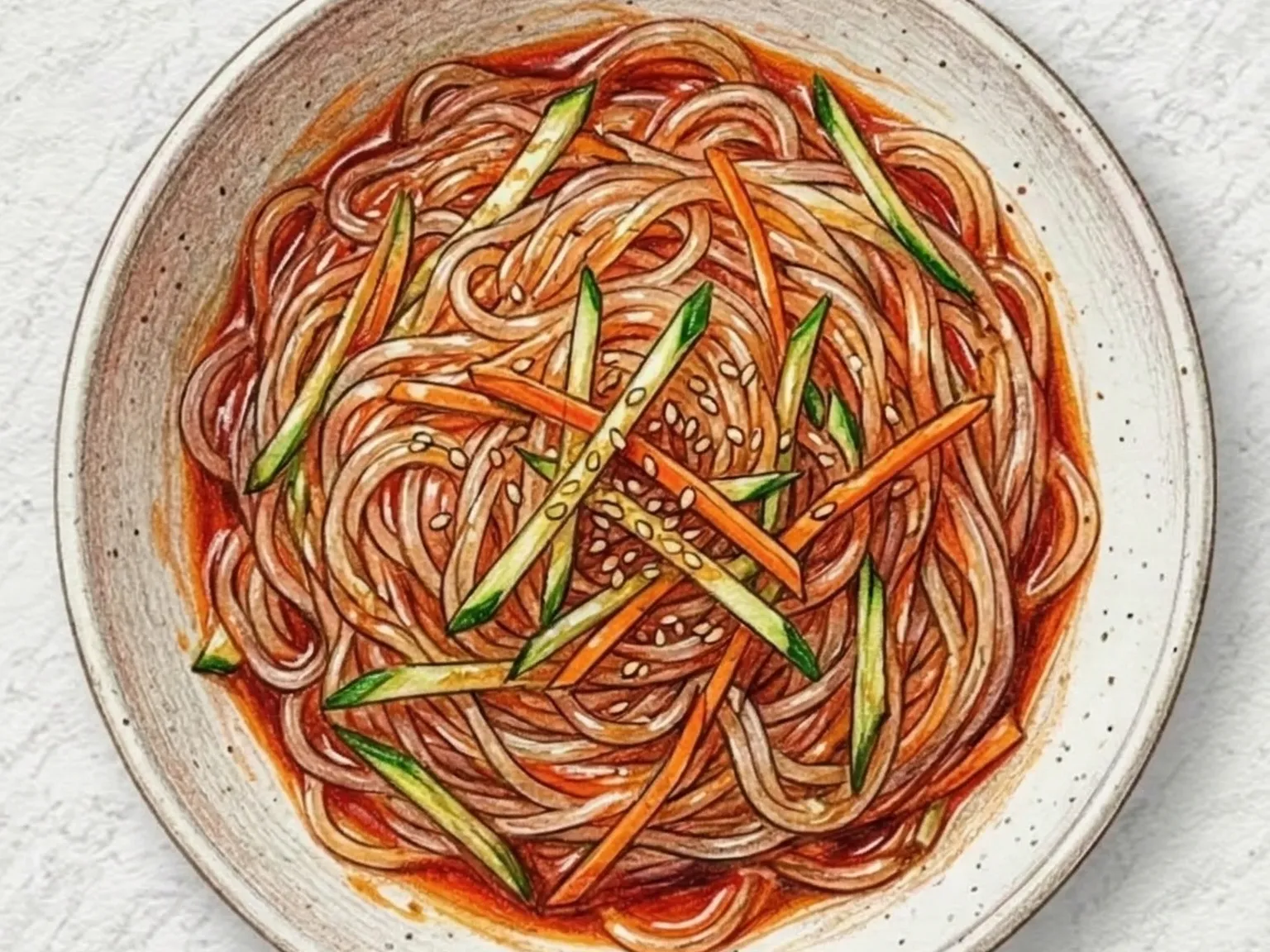
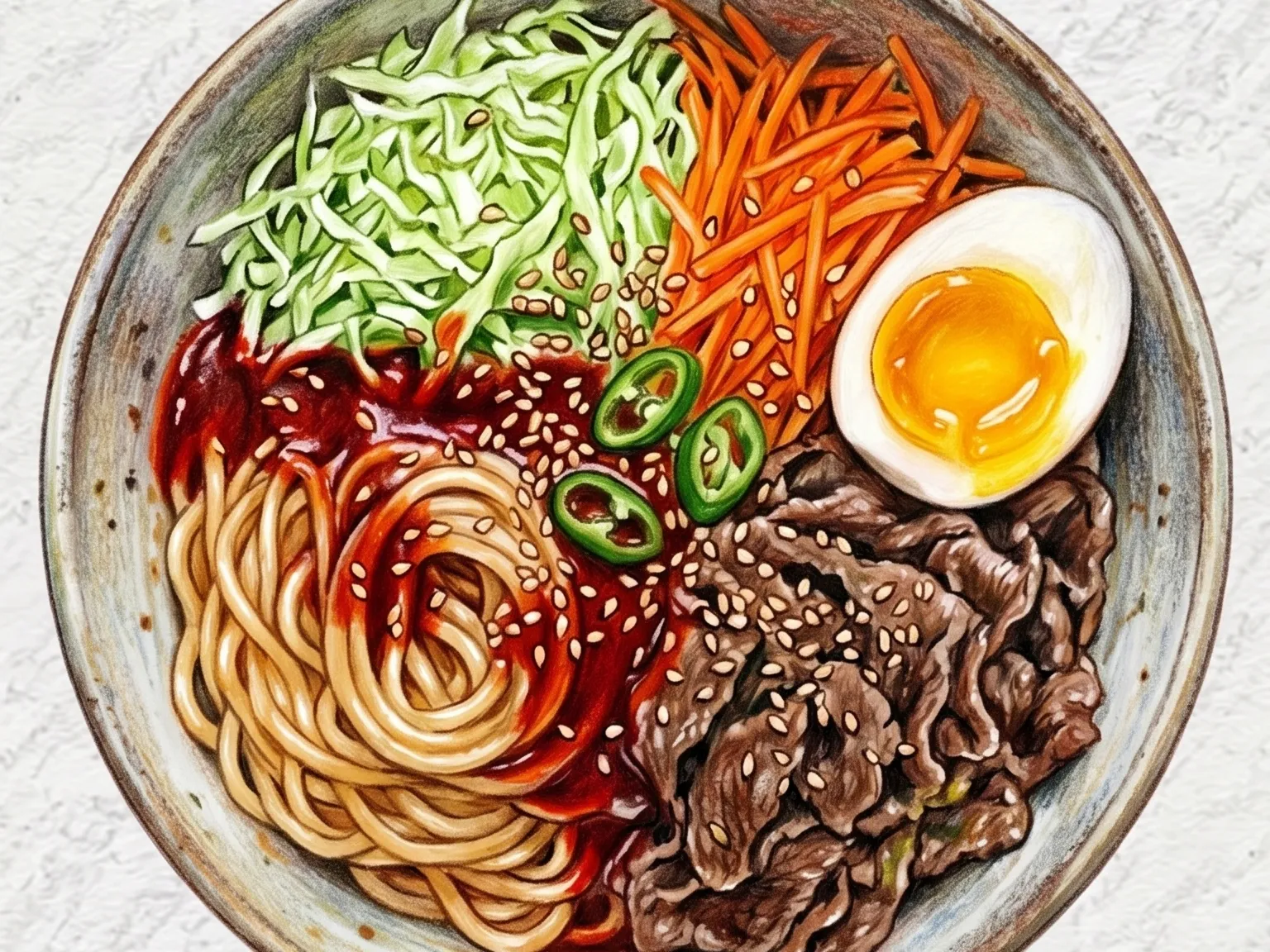
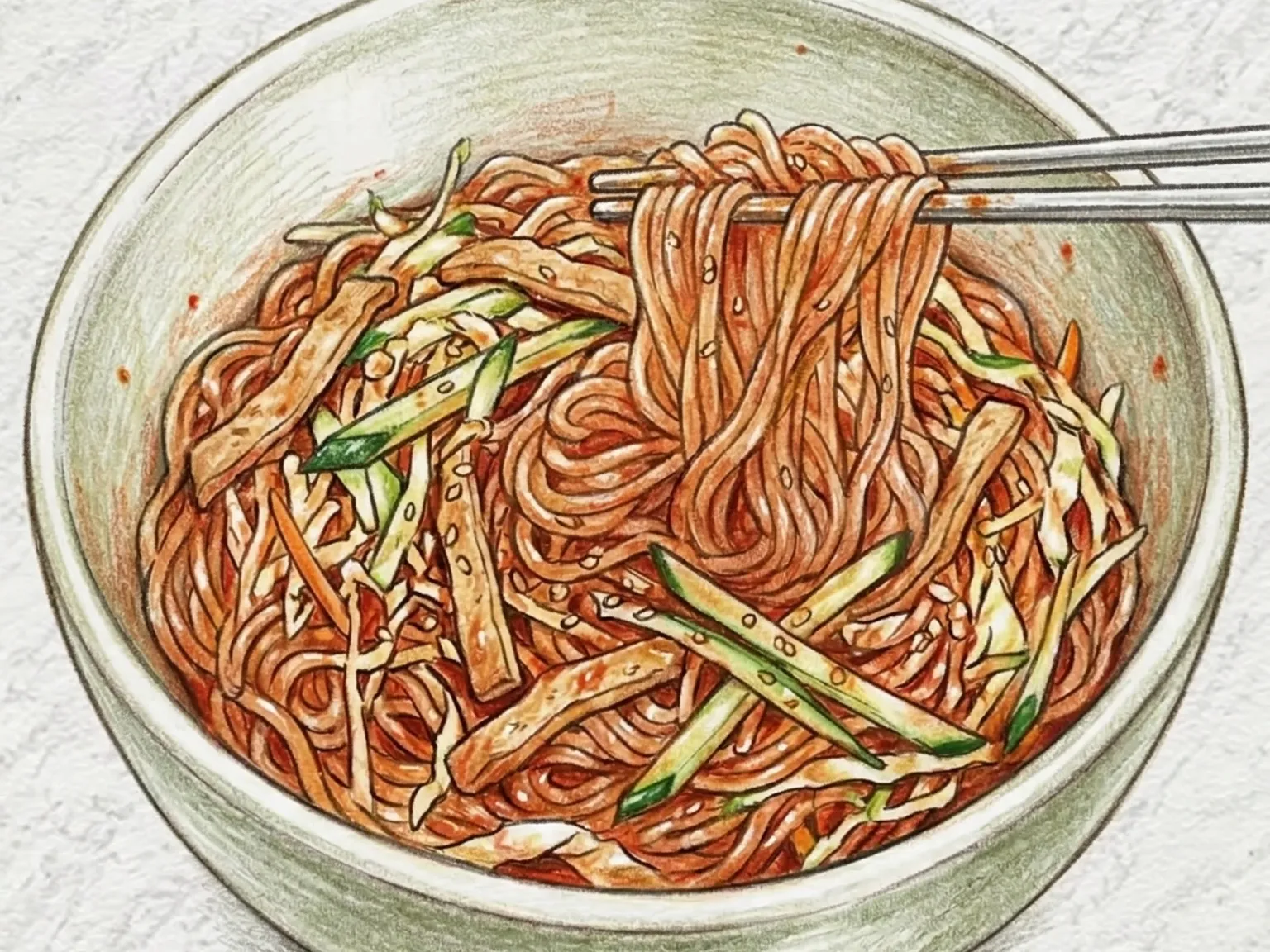
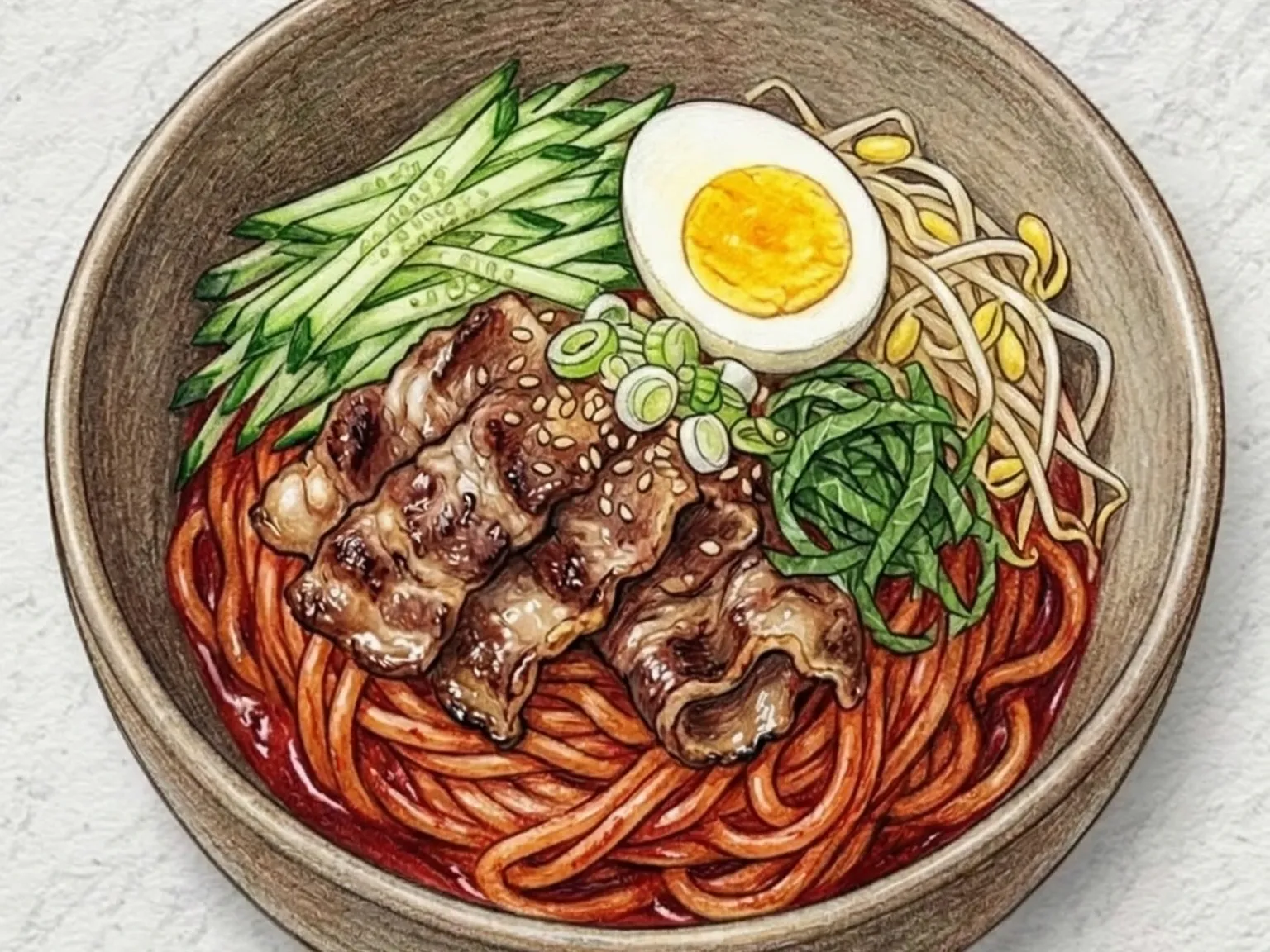
Bibim dangmyeon is a Korean bunsik dish of boiled sweet potato starch noodles tossed together with vegetables in a dressing of gochujang, vinegar, and sugar. The noodles are cooked in boiling water until just tender, then drained and rinsed thoroughly in cold water. The cold rinse is the step that determines the final texture of the entire dish. Skipping it leaves the noodles hot and continuing to soften in their own residual heat, and they eventually stick together in a clump. Running cold water over them immediately halts the cooking, sets the starch, and produces the transparent, chewy, springy texture that defines a well-made dangmyeon. Julienned cucumber and carrot add crunch and visual contrast in the bowl. A pan-fried egg sliced into thin strips and placed on top contributes a mild, rich note and completes the visual presentation. The dressing is a balance of three distinct flavor elements: the heat and fermented depth of gochujang, the acidity of vinegar, and the sweetness of sugar. All three need to coat every strand of noodle evenly, which requires thorough tossing rather than a light fold. Sesame oil added at the end prevents the noodles from sticking together as they sit while also contributing a warm, nutty finish. Because the noodles continue absorbing the dressing over time, the dish is best eaten immediately after preparation when the texture is at its most distinct. The dressing can be made in advance and refrigerated, and garlic chives or perilla leaves can substitute for the cucumber and carrot. Adding thinly sliced bulgogi or a soft-boiled egg provides protein without disrupting the overall balance of the dish.
Korean Mung Bean Street Pancake
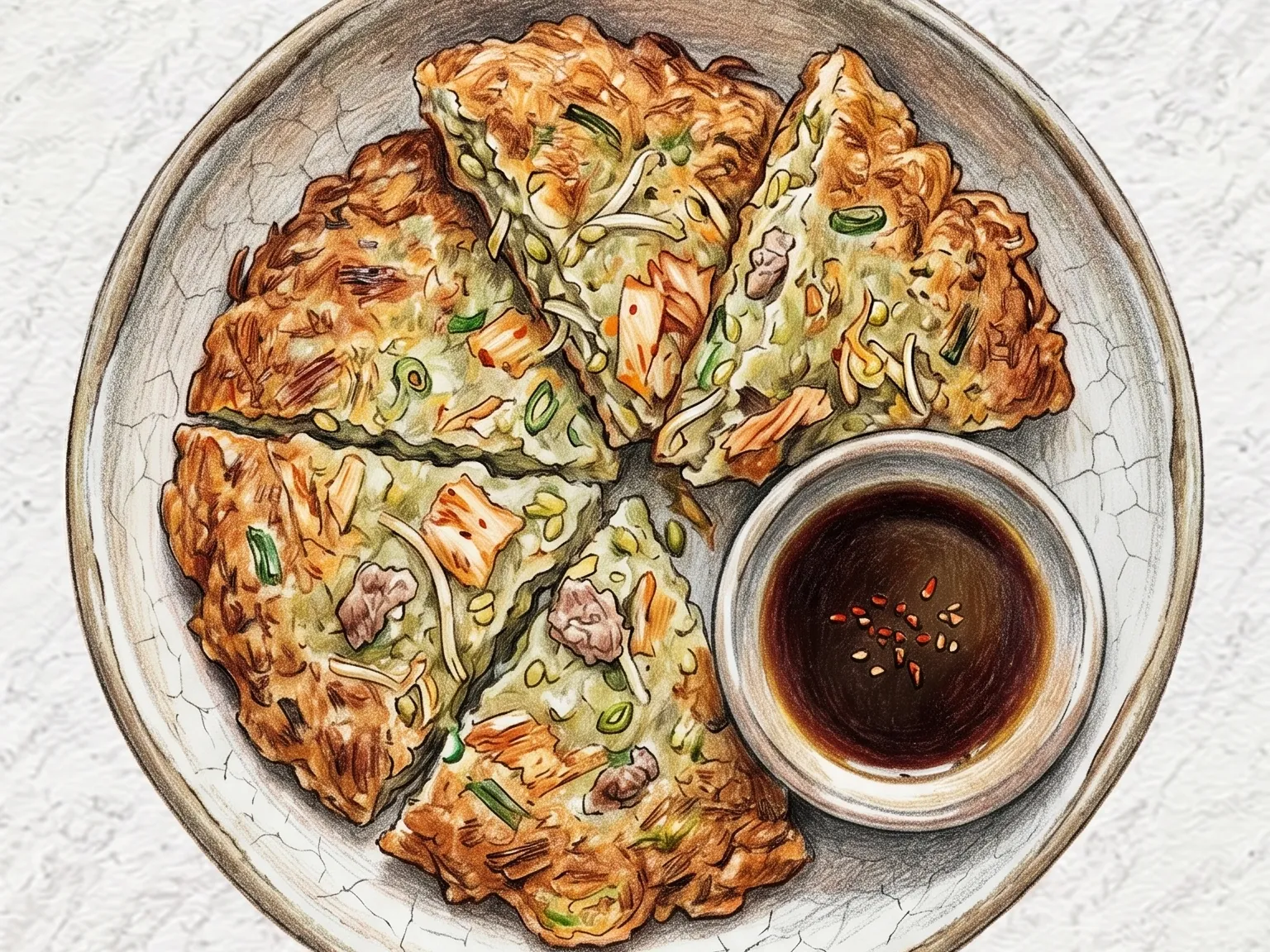
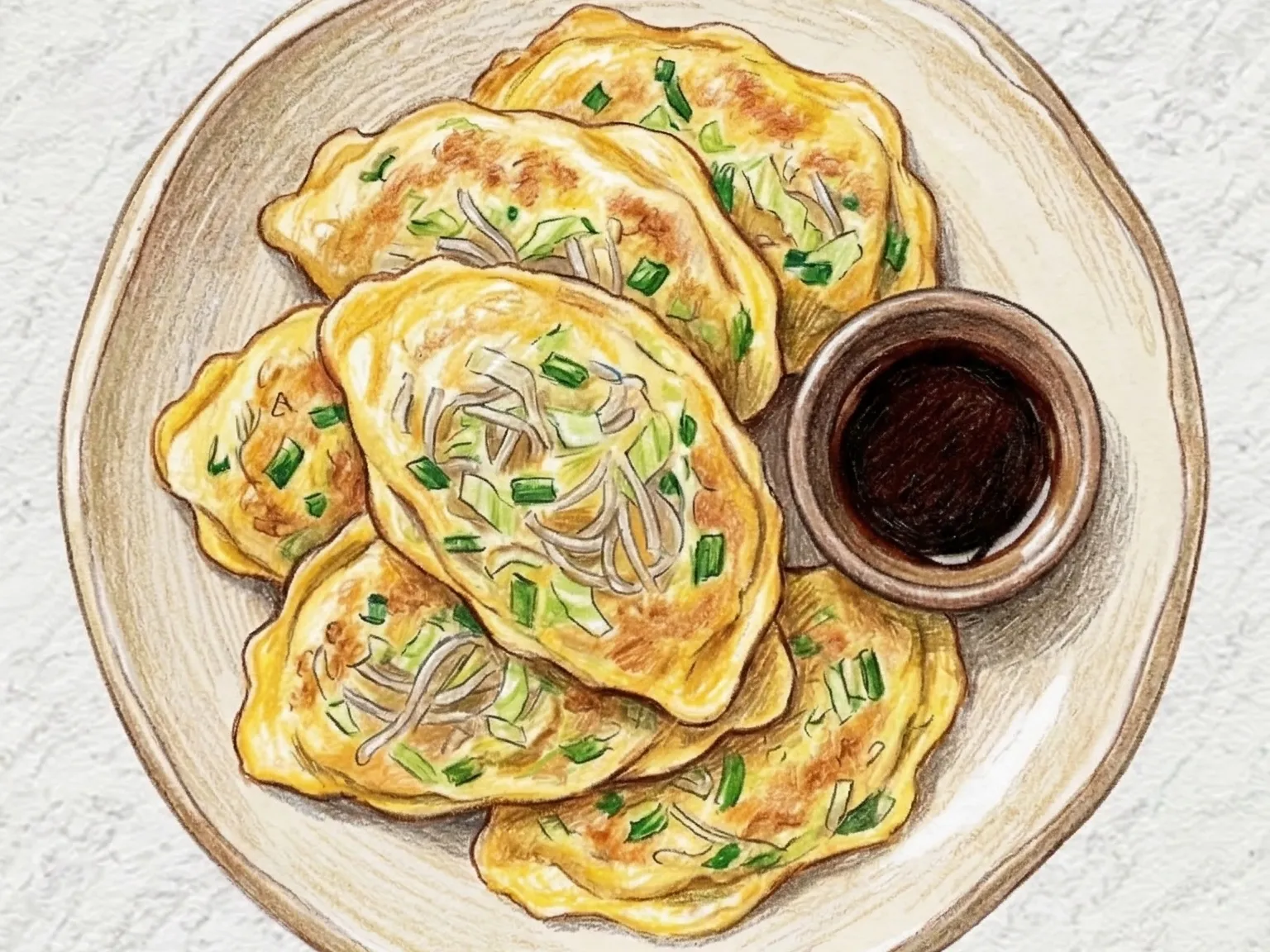
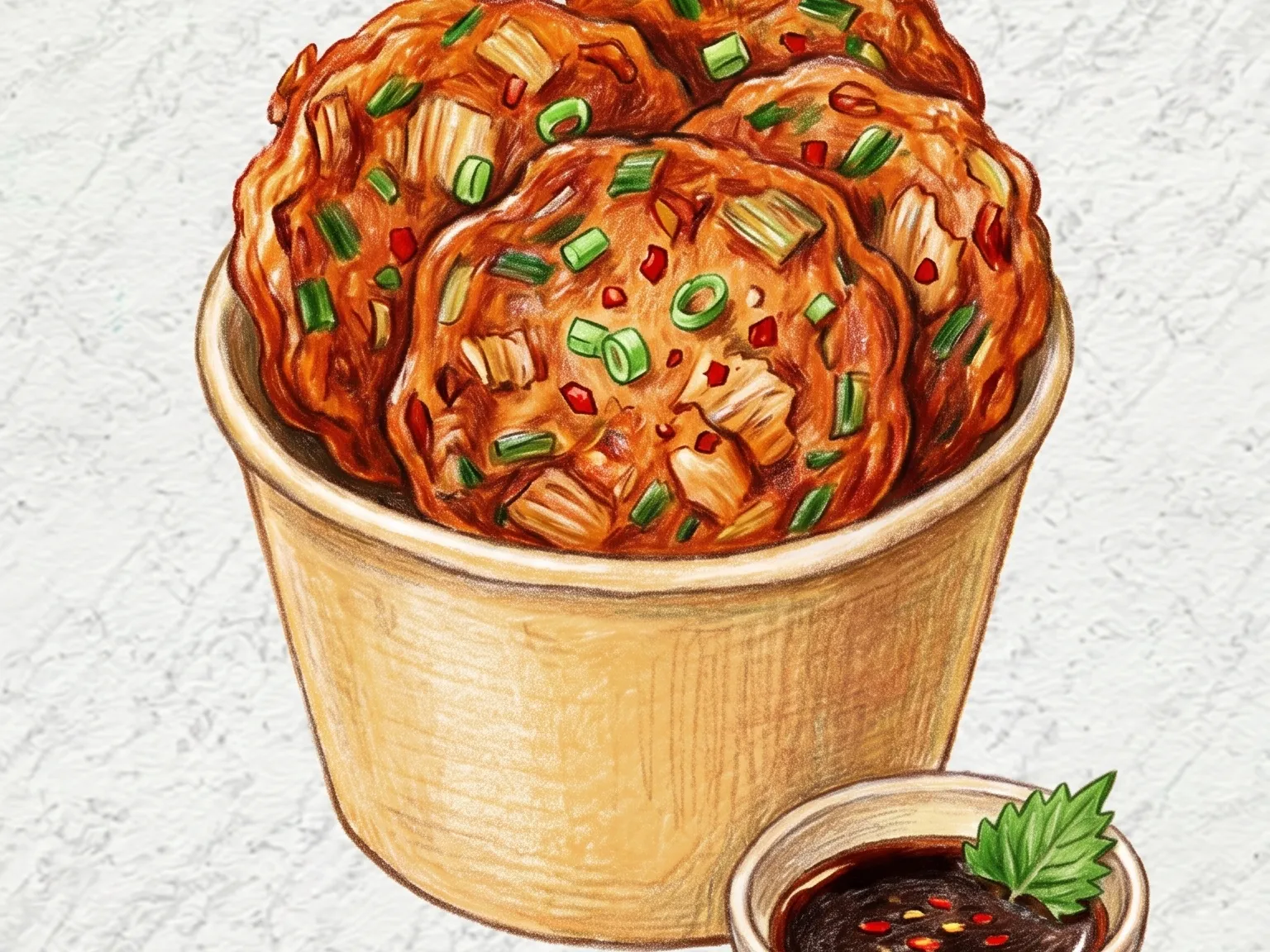
Bindaetteok-street is a Korean market-style mung bean pancake made by grinding soaked mung beans into a thick batter, then pan-frying it loaded with bean sprouts, kimchi, ground pork, and scallion in generous oil. The batter crisps into a deep golden shell while the interior stays moist and creamy. Kimchi weaves in a gentle spiciness alongside its fermented depth, and pork releases savory fat throughout the pancake. Bean sprouts provide a light crunch that offsets the density of the batter. Skimping on oil leaves the crust chewy rather than crisp, so a generous pour is part of the technique. A soy-vinegar dipping sauce served alongside cuts through the richness and ties the dish together.
Bite-Sized Mini Hot Dogs
Perfect for kids! Crispy and cute mini hot dogs that fit perfectly in one bite.
Korean Bulgogi Sandwich (Soy-Marinated Beef Toast with Mayo Lettuce)
The preparation of a bulgogi sandwich begins with beef marinated in a mixture of soy sauce, sugar, minced garlic, and sesame oil before meeting a scorching pan. A surface heated to its limit is essential because only extreme heat can evaporate moisture instantly, allowing the sugars in the marinade to caramelize into a savory-sweet exterior. If the temperature is insufficient, the meat stews in its own liquid rather than searing. A generous layer of mayonnaise on the toasted bread acts as a structural barrier, preventing the beef juices from making the sandwich soggy while softening the intensity of the seasoning. Fresh, crisp lettuce provides a textural contrast to the warm meat. Folding ssamjang into the mayonnaise introduces fermented and spicy elements that emphasize the Korean origin of the dish. A slice of cheese adds a smooth layer between the bread and the beef, and increasing the vegetable portion creates a lighter meal. With the meat prepped ahead of time, the entire assembly takes under ten minutes, offering a practical solution for a busy morning or a simple lunch.
Korean Fish-Shaped Bread (Sweet Red Bean Filled Wheat Waffle)
Bungeoppang is a Korean fish-shaped pastry made by filling a heated iron mold with wheat batter and sweet red bean paste. The preheated mold creates a thin, crisp shell on the outside while the interior bakes into soft, pillowy dough cradling the dense, smooth bean filling. The red bean paste has a thick consistency that flows slowly when bitten into, delivering a concentrated sweetness. The tail section bakes crispiest because the batter layer is thinnest there, while the belly holds the largest pocket of filling - giving each part of the fish a distinct texture. A staple of Korean winter street stalls, it is eaten hot, straight from the mold.
Korean Beoteo Oksusu Cup (Butter Corn Cup)
Butter corn cup is a Korean street snack made by stir-frying drained sweet corn in butter, then mixing it with mayonnaise and topping it with mozzarella in a heatproof cup before a final round of heating. Cooking the corn in butter drives off residual moisture from the canned or frozen kernels and lightly caramelizes their surfaces, concentrating the natural sweetness and adding a layer of nuttiness that plain steamed corn cannot provide. Mayonnaise coats every kernel in a creamy, slightly tangy film, while the mozzarella melted over the top creates a stretchy, gooey cheese layer that pulls apart with each spoonful. Sugar, salt, and black pepper balance the overall profile into a sweet-salty combination with just enough seasoning to keep the corn flavor central. A sprinkle of parsley adds a faint herbal note at the finish. The dish is rich from the combination of butter and mayonnaise, and mozzarella loses its stretch quickly as it cools, which makes eating it immediately out of the cup the correct approach.
Korean Beoteo Ojingeo Gui (Butter Grilled Squid)
Butter ojingeo gui is a Korean street snack of semi-dried squid scored with shallow cuts, seared in butter on a flat iron griddle, then coated in a glaze of soy sauce, oligosaccharide syrup, and gochugaru. Semi-dried squid has less moisture than fresh and a more concentrated chew, which means it develops a toasty crust from the butter quickly without steaming through. The scoring allows the glaze to penetrate into the flesh rather than sitting only on the surface. Over high heat, the soy-and-syrup mixture caramelizes fast, coating the squid in a glossy, sweet-salty lacquer. Gochugaru adds a round, lingering heat at the finish. A scatter of sesame seeds goes on last, releasing a nutty aroma with each bite. The combination of butter richness, soy glaze, and chile heat has made this one of the most recognizable items at Korean pojangmacha stalls.
Cabbage Ham Korean Street Toast
Cabbage ham street toast is a Korean griddled sandwich built by stacking a thin shredded cabbage-and-carrot egg omelet and pan-seared ham between slices of bread toasted golden in butter. The bread develops a crisp outer surface while staying soft inside, and the egg layer holds the vegetables in place, giving both structure and textural contrast to every bite. Sprinkling sugar directly onto the bread before assembly is the signature detail that defines Korean street toast, and when combined with ketchup and mayonnaise it produces the sweet-savory balance the dish is known for. The ingredients are simple and the preparation is fast enough for a weekday breakfast or an impromptu snack.
Tuna Mayo Rice Bowl (Chamchi Mayo Cupbap) - Easy Korean Bunsik Recipe
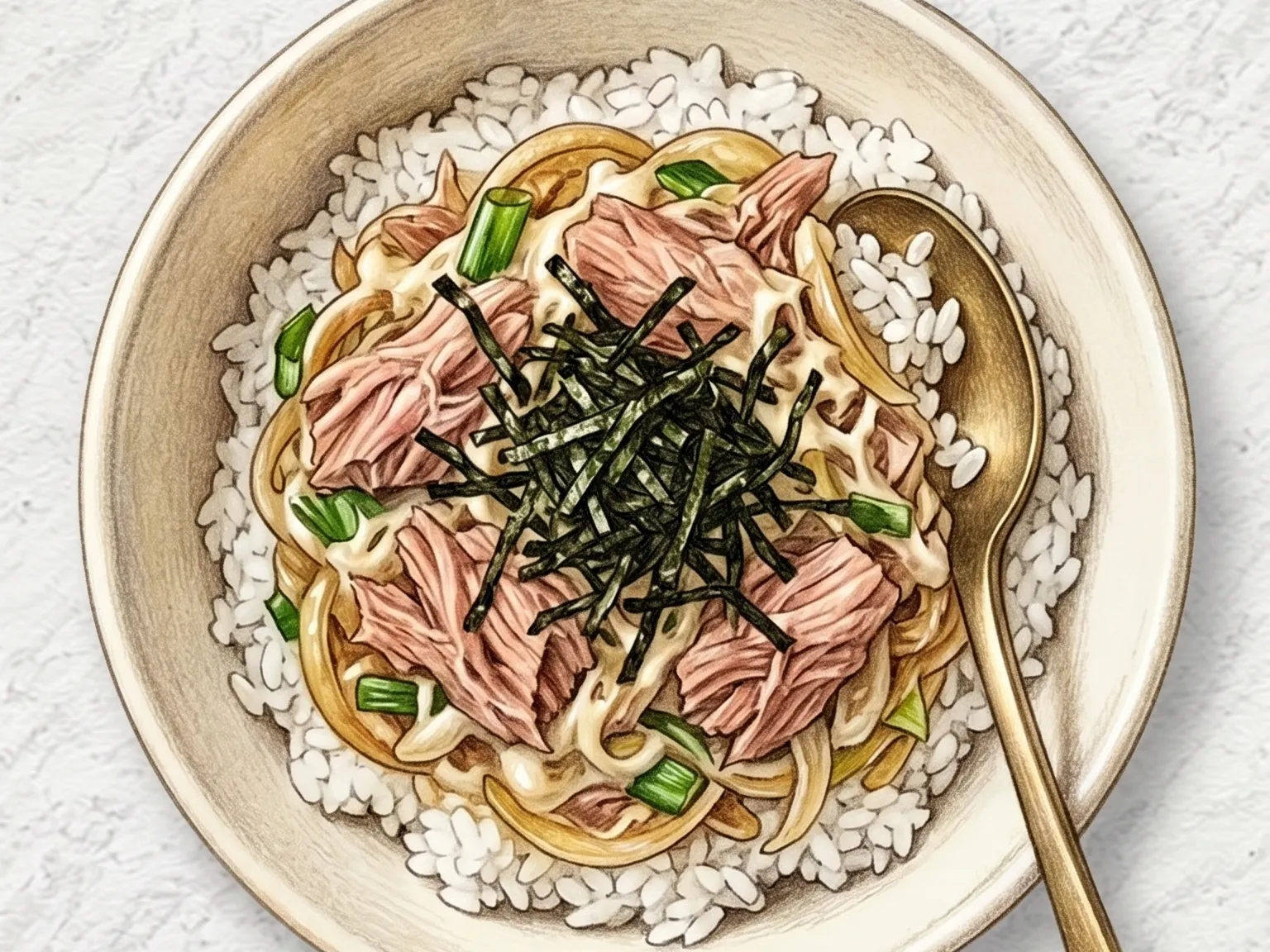
Chamchi mayo cupbap is Korea's well-loved quick meal of seasoned tuna and mayo spooned over steaming hot rice, assembled in about eighteen minutes. The canned tuna must be drained and pressed dry through a strainer before anything else: residual liquid from the can dilutes the soy and sugar seasoning and turns the rice soggy within minutes. Onion and scallion are stir-fried first to draw out their natural sweetness, and the tuna is folded in afterward so the fish picks up the developed flavor of the aromatics rather than sitting raw-tasting on top. Mayonnaise goes in only after the heat is turned off; adding it while the pan is still hot breaks the emulsion and produces a greasy finish. A generous scatter of crushed dried seaweed over the finished bowl adds a roasted oceanic note and textural contrast. Mixing everything together before eating is the correct approach: the tuna-mayo sauce coats every grain of rice evenly, so each spoonful carries the full range of flavors rather than alternating between plain rice and heavily sauced bites.
Korean Glutinous Rice Donut
Chapssal donut is a Korean deep-fried snack made from glutinous rice flour kneaded with sugar, salt, and hot water, then fried at 170 degrees Celsius. The sticky rice dough puffs up in the oil, forming a thin, crisp shell on the outside while keeping a dense, chewy interior. Unlike wheat-flour donuts, each bite stretches with a mochi-like pull that is specific to glutinous starch. Rolling the donuts in sugar the moment they come out of the oil lets the crystals stick to the still-hot surface evenly, locking in both crunch and sweetness at once. The ingredient list is short and the dough requires minimal kneading, making this a straightforward snack to prepare at home.
Korean Cheese Balls (Mozzarella-Stuffed Glutinous Rice Fried Ball)
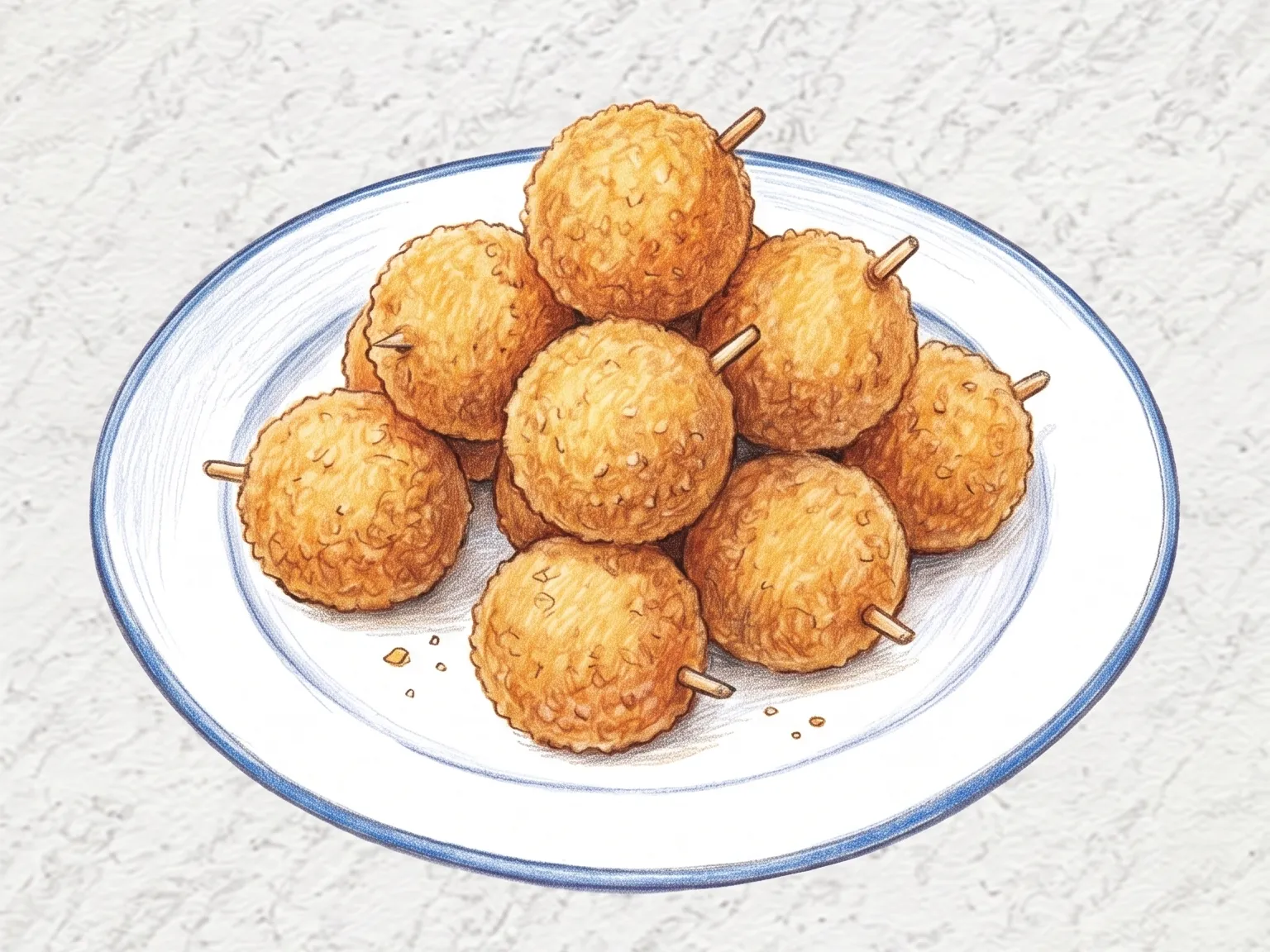
Cheese ball bunsik is a Korean street snack made by wrapping a cube of mozzarella in glutinous rice flour dough and deep-frying at 170 degrees Celsius until golden. The dough is prepared by pouring boiling water directly over the rice flour and kneading while hot - a technique called익반죽 that fully activates the glutinous starch and produces a sticky, elastic dough with strong chew. Sugar and salt are mixed into the dough to provide a faint background sweetness that contrasts with the salty cheese inside. Frying at the right oil temperature turns the exterior crisp and golden while keeping the interior soft and chewy like a small rice cake. Pulling one apart hot off the fryer produces a dramatic mozzarella stretch, and the contrast between the savory cheese and the subtly sweet dough is the defining flavor combination. As the balls cool, the cheese solidifies and loses its elasticity, making fresh-from-the-fryer the only correct way to eat them.
Korean Chicken Gimbap (Crispy Chicken Tender Seaweed Rice Roll)
Chicken gimbap is a Korean seaweed rice roll filled with air-fried crispy chicken tenders, sesame-salt seasoned rice, lettuce, and mayonnaise. The timing of assembly is important: the chicken must go in immediately after cooking while the fried coating is still hot and rigid, otherwise moisture from the rice and lettuce softens the crust before the roll is even finished. Mayonnaise forms a creamy layer between rice and chicken that also acts as a barrier, slowing moisture transfer and keeping each component distinct. Lettuce adds a fresh, cool crunch that balances the richness of the fried chicken and mayo. Laying the chicken pieces in a straight line before rolling produces an even cross-section when the gimbap is sliced. Mixing hot sauce into the mayonnaise creates a spicy version that can be scaled to taste. The roll travels well and is a reliable choice for packed lunches.
Korean Popcorn Chicken
Popcorn chicken is a Korean fried snack made by cutting chicken breast into 2cm cubes, coating them in egg wash and cornstarch, then double-frying at 170 degrees Celsius. The first fry sets the crust; the second fry drives out residual moisture, producing an exceptionally crunchy shell. Because the pieces are small, the crust-to-meat ratio is high, so every bite delivers maximum crunch. A glaze reduced from soy sauce, sugar, and oligosaccharide syrup coats each piece in a sweet-salty finish. Garlic powder mixed into the initial seasoning carries a mild garlic note through the oil.
Korean Chili Oil Boiled Dumplings
Boiling dumplings until they float and then giving them an extra two minutes in the water results in a springy texture that holds up well to a heavy dressing. Effective draining is crucial to prevent residual water from thinning the sauce, which consists of soy sauce, vinegar, minced garlic, sugar, and chili oil. The vinegar and soy sauce establish a sharp and salty foundation, while the chili oil provides a warm spice and a slick, red sheen across the surface of the wrappers. Folding the ingredients together gently ensures the skins remain intact while becoming fully coated. Adding fresh scallions provides a crisp element that balances the weight of the oil. For a profile closer to Sichuan cuisine, a dusting of Sichuan pepper powder introduces a characteristic numbing sensation alongside the heat. Heat levels are easily controlled by varying the amount of chili oil used in the mixture. Replacing the soy sauce with oyster sauce creates a thicker, more savory base for the dressing. This preparation works with frozen dumplings by extending the boiling time by a minute or two to account for the temperature difference. The sauce is compatible with various fillings including pork, shrimp, or vegetable varieties.
Korean Chocolate Custard Bungeoppang
Choco-custard bungeoppang is a variation of Korean fish-shaped bread made with cocoa powder worked into the batter and filled with chocolate custard cream. The cocoa gives the shell a darker brown color than the classic red-bean version and produces a bitter chocolate aroma as it bakes in the cast-iron mold. The chocolate custard inside flows out like cream when bitten while still warm, delivering a rich, concentrated sweetness that contrasts with the faint bitterness of the cocoa shell. The mold must reach full temperature before pouring the batter to ensure a properly crisp shell, and the custard filling should be spooned into the center in small amounts to prevent leaking at the seam. With both the batter and filling built on chocolate, the finished pastry stacks layers of deep sweetness and mild bitterness that differ noticeably from the earthier flavor of the traditional red-bean filling.
Korean Mini Seaweed Rice Rolls
Chungmu gimbap is a regional specialty from Tongyeong in South Gyeongsang Province - small, bite-sized seaweed rice rolls seasoned only with sesame oil and salt, served alongside spicy squid and pickled radish side dishes. The rolls carry no filling at all, so the rice and seaweed stay clean and mild, with all the bold flavor coming from the accompaniments. Blanched squid is tossed in gochugaru, fish sauce, and garlic for a spicy, briny punch, while thin-sliced radish pickled in the same seasoning adds crunch and sharp tartness. The tension between the plain, compact rolls and the intensely seasoned sides is the point of this dish - each plain bite and each fiery bite calibrate each other, making the combination more satisfying than either part alone.
Korean Cream Cheese Hotdog
Cream cheese hotdog is a Korean street corn dog made by threading sausage and a log of cream cheese together on a stick, coating in wheat batter, rolling in breadcrumbs, and deep-frying at 170 degrees Celsius. The breadcrumb crust fries to a golden, audibly crunchy shell, while the batter layer underneath stays soft and doughy, creating a distinct middle texture between crust and filling. Each bite delivers the salty snap of sausage alongside the smooth, tangy richness of melted cream cheese. Briefly freezing the cream cheese before assembly is the key step - without it, the cheese melts out through the batter before the crust has a chance to set.
Korean Cream Tteokbokki (Chewy Rice Cake in Cream Butter Sauce)
Cooking rice cakes in a mixture of heavy cream, milk, and butter offers a mild alternative to the spicy gochujang-based version. The process begins with sauteing onions in butter over low heat for at least ten minutes, which converts onion starches into sugar for a natural sweetness without added sugar. Once the cream and milk are added to the softened onions, the rice cakes simmer for seven to eight minutes over medium-low heat. This allows the cakes to absorb the liquid while maintaining their characteristic dense chewiness. A final addition of parmesan cheese provides a salty contrast to the heavy cream base. Because the flavor profile resembles a cream pasta, it serves as a common entry point for people avoiding chili heat. Maintaining a steady medium-low temperature prevents the sauce from separating during cooking. Adding bacon or shrimp introduces extra protein and savory elements to the pan. The sauce consistency thickens quickly as its temperature drops, making immediate service from the pan the best way to maintain the intended texture. Swapping the parmesan for cheddar or mozzarella changes the character of the finished sauce and provides a different eating experience.
Korean Crispy Pan-Fried Dumplings
Crispy gunmandu uses a two-stage pan-frying method to give frozen dumplings a golden, crunchy base while keeping the tops moist. The dumplings are seared in oil first until the bottoms turn golden, then water is added and the lid goes on to steam the filling through. Once the water evaporates, the lid comes off and the base crisps up a second time. Adding a flour-and-water slurry instead of plain water creates a lacy, connected crust that bridges all the dumplings together along the bottom, widening the crisp surface area and letting them lift out of the pan as one sheet. Dipped in a sauce of soy sauce, vinegar, and gochugaru, the nutty browned base contrasts sharply with the moist, seasoned filling inside.
About Street food
A sweet-spicy gochujang sauce for tteokbokki, crispy gimmari (seaweed rolls), and steaming fish-cake broth - bunsik proves that the best flavors often come from the simplest ingredients. Every recipe here can be made at home with ease.