Charim

2686 Korean & World Recipes

2686+ Korean recipes, clean and organized. Ingredients to instructions, all at a glance.

Korean Seasoned Kelp Strips

Korean Seasoned Kelp Strips

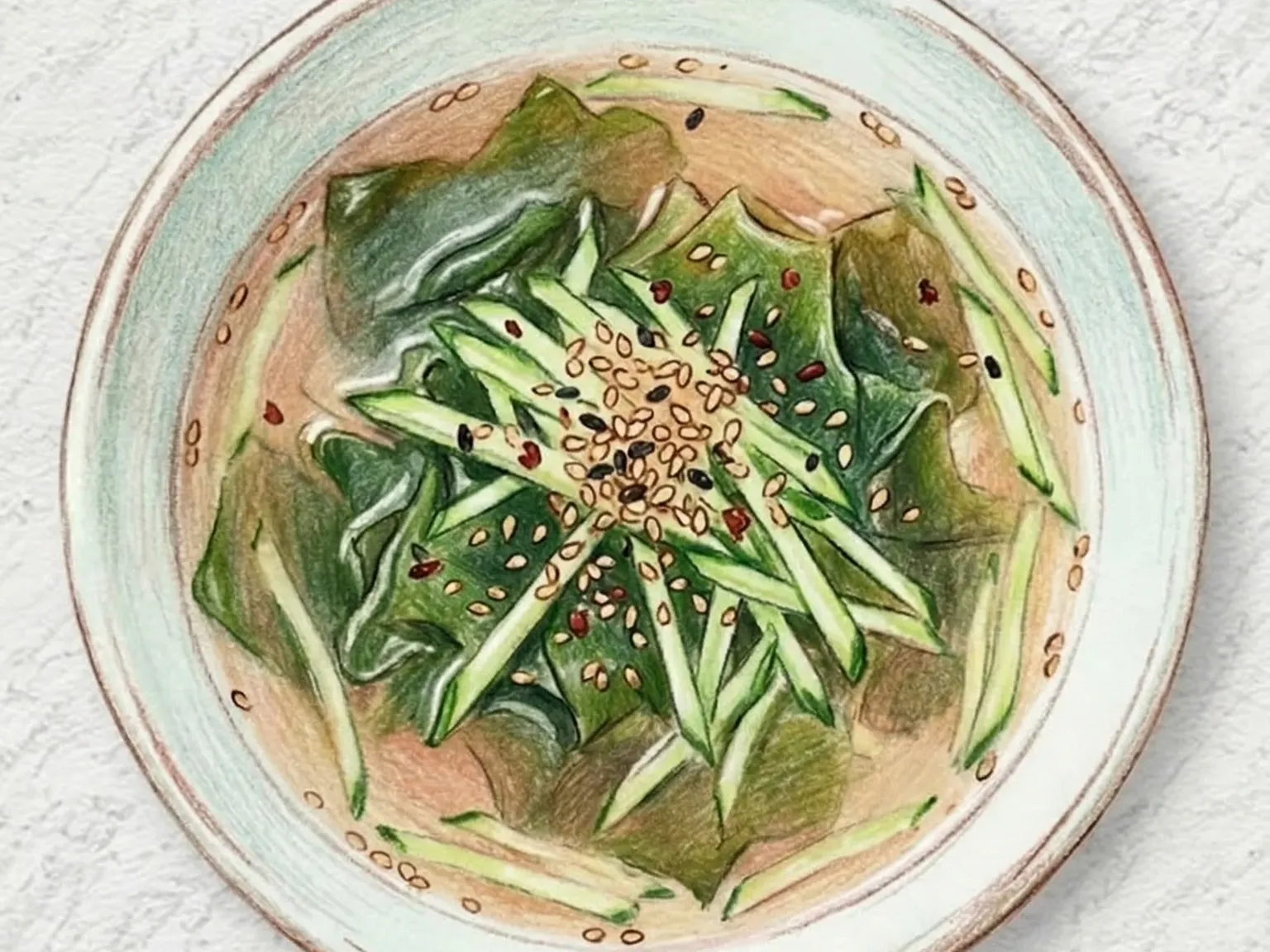
Kelp strips are soaked to soften their salt, then blanched 20 seconds - enough to turn them pliable without losing their snap. Dressed in gochugaru, vinegar, soy sauce, sugar, and garlic, with julienned cucumber adding freshness, the dish balances mineral-dense ocean taste against a bright, acidic dressing. The strips have a satisfying resistance between the teeth, distinct from softer Korean seaweed dishes. Best served cold; holds up well in packed lunches.

Prep 12minCook 3min2 servings

Adjust Servings

2servings
servings

Instructions

  1. 1

    Soak kelp strips in cold water for 10 minutes to reduce saltiness.

  2. 2

    Blanch for 20 seconds, rinse cold, and squeeze dry.

  3. 3

    Julienne the cucumber.

  4. 4

    Mix chili flakes, vinegar, sugar, soy sauce, and garlic.

  5. 5

    Add kelp and cucumber, then toss evenly.

  6. 6

    Finish with sesame oil and sesame seeds.

🛒Shop Ingredients on Amazon

As an Amazon Associate, we may earn from qualifying purchases.

Tips

Do not over-blanch kelp strips.
Chilling for 20 minutes improves flavor balance.

Nutrition (per serving)

Calories
70
kcal
Protein
2
g
Carbs
10
g
Fat
2
g

More Recipes

Korean Seasoned Sea Grapes Salad
Side dishesEasy

Korean Seasoned Sea Grapes Salad

Kkosiraegi-muchim is a tangy, low-calorie banchan made from kkosiraegi, a red algae seaweed with thin, noodle-like strands and a distinctive snappy texture unlike any other seaweed. Blanching must not exceed twenty seconds - anything longer dissolves the characteristic pop - and immediate cold-water shocking is mandatory to set the texture. The dressing combines gochugaru, soup soy sauce, vinegar, maesil-cheong (green plum extract), garlic, and sesame oil; the plum extract adds a fruity acidity that lifts the dish beyond simple sour-spicy territory. Julienned cucumber threaded through the strands provides a fresh garden counterpoint to the ocean flavors. At roughly 72 kilocalories per serving with high dietary fiber, this banchan appears frequently in Korean diet meal plans. It is best served chilled, making it a natural fit for summer tables.

🥗 Light & Healthy🏠 Everyday
Prep 10minCook 2min4 servings
Korean Broccoli Doenjang Salad
Side dishesEasy

Korean Broccoli Doenjang Salad

Blanched broccoli in doenjang dressing - a modern Korean banchan bridging Western ingredients with traditional seasoning logic. Florets and thinly sliced stems blanch ninety seconds, then are shocked in cold water for vivid green and a firm bite. The dressing combines doenjang with vinegar and oligosaccharide syrup - fermented salt, acidity, and gentle sweetness that lifts mild bitterness. Ready in under ten minutes and keeps refrigerated for days.

🥗 Light & Healthy🏠 Everyday
Prep 10minCook 5min4 servings
Korean Seasoned Green Seaweed
Side dishesEasy

Korean Seasoned Green Seaweed

Cheonggak is a branching green seaweed from Korea's southern coast, prized for its oceanic perfume and cartilage-like crunch. A 10-second blanch brightens the color without destroying its snap. Squeezed and cut to finger lengths, it is dressed in a vinegar-forward sauce with soy, gochugaru, garlic, and sugar that cuts through the brininess. The seaweed must be served immediately - its texture collapses within hours. A specialty of Jeollanam-do coastal markets in winter and early spring.

🥗 Light & Healthy🏠 Everyday
Prep 10minCook 2min2 servings
Korean Seasoned Stonecrop Salad
Side dishesEasy

Korean Seasoned Stonecrop Salad

Dollnamul - stonecrop, Sedum sarmentosum - is a succulent herb found along Korean stream banks in spring. Its plump, jade-green leaves burst with a mildly sour, grassy juice when bitten. Unlike most namul, dollnamul is never cooked - even seconds of heat destroy its crunch. Dressed immediately with gochugaru, vinegar, fish sauce, garlic, and sugar, it stays crisp and bright. The fish sauce provides a fermented undercurrent beneath the vinegar's sharpness. Must be eaten minutes after assembly.

🏠 Everyday🍱 Lunchbox
Prep 12min4 servings
Seaweed Stem and Apple Mustard Salad
SaladsEasy

Seaweed Stem and Apple Mustard Salad

Salted seaweed stems are soaked to remove excess brine, then blanched briefly to achieve a firm, slightly chewy bite that defines this Korean salad's texture. Julienned apple adds crisp sweetness that contrasts with the seaweed's oceanic mineral flavor. Thinly sliced onion, soaked to mellow its sting, contributes a subtle sharpness. The dressing mixes Korean mustard paste with vinegar and oligosaccharide syrup - the mustard delivers a sharp nasal heat, while the syrup smooths the vinegar's acidity into something rounder. Tossing the apple with lemon juice first prevents browning, and a three-minute rest after dressing lets the flavors meld without overdressing the delicate stems.

🥗 Light & Healthy🍱 Lunchbox
Prep 14minCook 2min2 servings
Korean Cheonggak Kimchi (Seaweed Kimchi)
KimchiMedium

Korean Cheonggak Kimchi (Seaweed Kimchi)

Cheonggak kimchi is made with cheonggak, a type of green seaweed, mixed with julienned radish and scallions in a seasoning of gochugaru, anchovy fish sauce, and sweet rice paste. The seaweed contributes a distinctive chewy, almost crunchy texture and a concentrated ocean aroma that sets this kimchi apart from plant-based varieties. Seasoning the radish first and then tossing the seaweed in quickly is important because overworking toughens the seaweed's delicate structure. After one day of refrigeration the brine from the seaweed mingles with the fermented seasoning, producing a kimchi with pronounced marine depth that pairs naturally with seafood dishes and mild rice soups.

🍱 Lunchbox
Prep 35min4 servings
More Side dishes