Dasik (Korean Honey-Pressed Roasted Grain Confection)
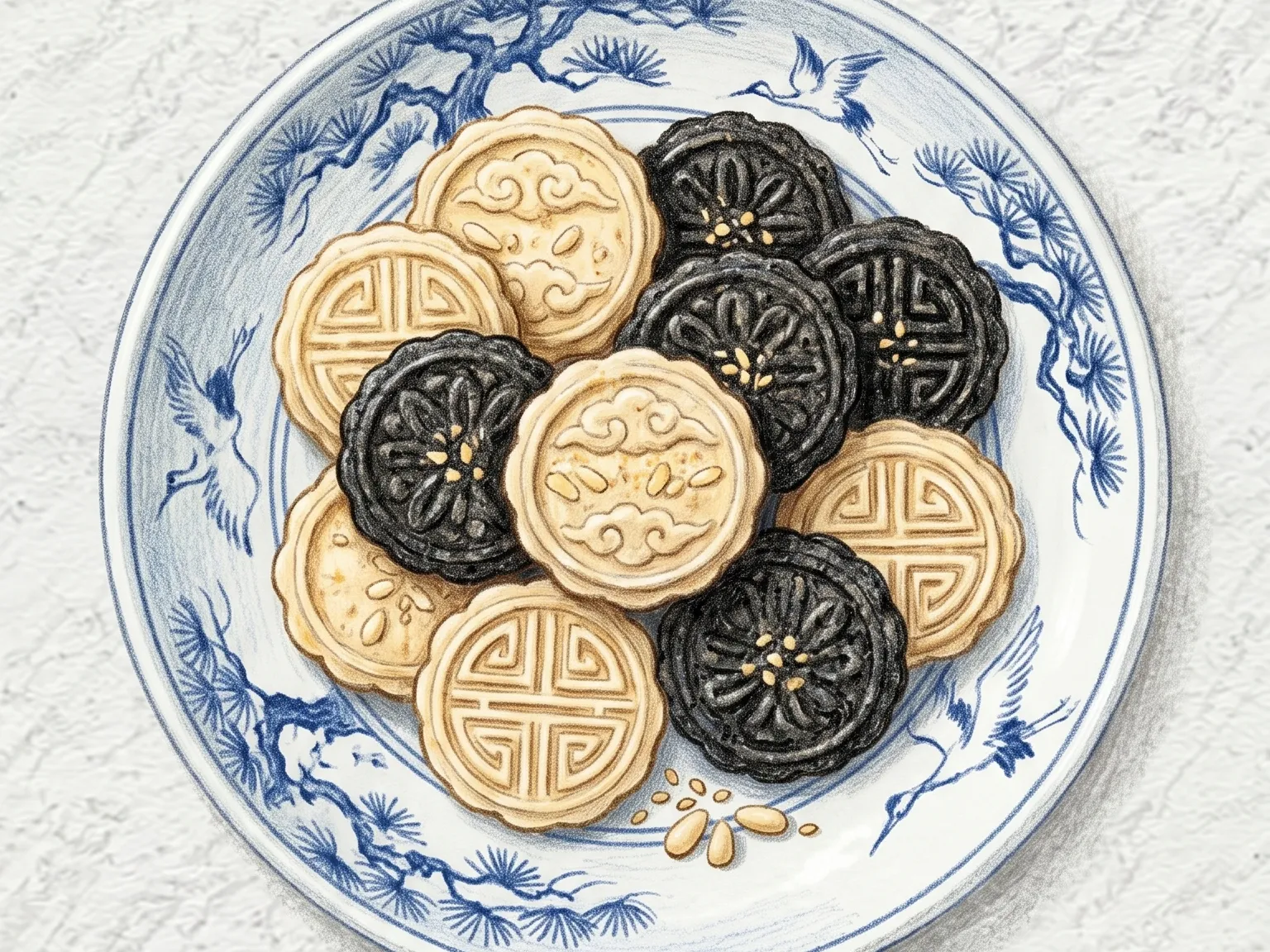
Dasik is a traditional Korean pressed confection made by kneading roasted grain or nut powders with honey and pressing the mixture into carved wooden molds. Unlike baked goods, dasik holds its shape through the binding power of honey alone, which gives it a distinctive texture - slightly sticky on the teeth at first, then dissolving softly at body temperature. Roasted soybean powder produces a nutty version, black sesame yields a deeply aromatic one, and additions of pine nut powder or cinnamon deepen the flavor further. The wooden molds imprint decorative patterns onto the surface, making each piece as visually refined as it is flavorful. Dasik has been a staple of Korean tea ceremonies for centuries.
Adjust Servings
Instructions
- 1
Sift soybean, sesame, and pine nut powders together.
- 2
Add salt and cinnamon, then mix evenly.
- 3
Add honey gradually until the mixture holds shape when pressed.
- 4
Pack firmly into a dasik mold and level the surface.
- 5
Unmold carefully and rest at room temperature for 20 minutes.
As an Amazon Associate, we may earn from qualifying purchases.
Tips
Nutrition (per serving)
More Recipes

Sweet Chestnut Confection
Yulran is a traditional Korean chestnut confection made by boiling chestnuts for 20 minutes, sieving the flesh until perfectly smooth, then kneading it with honey and ground cinnamon before shaping into bite-sized rounds. Pressing the boiled chestnut through a fine sieve eliminates any grainy bits, and the honey provides both moisture and binding strength so the confection holds its molded shape. Cinnamon adds a warm, aromatic dimension to the starchy, earthy sweetness of the chestnut, and a coating of ground pine nuts wraps each piece in an additional layer of mild nuttiness. Thin jujube slices placed on top as garnish contribute a pop of red color, and 15 minutes of chilling in the refrigerator firms the surface just enough that the confection can be picked up cleanly without sticking to the fingers.

Black Sesame Tea Cookies (No-Bake Korean Pressed Cookies)
Heukimja dasik is a traditional Korean pressed tea cookie made by binding roasted black sesame powder and almond flour with honey and rice syrup, then pressing the mixture into a decorative wooden mold. It requires no heat at all: the rich, toasty flavor of the sesame and the fatty depth of the almond combine within the sticky honey base to create a crumbly, melt-in-the-mouth texture. A small amount of sesame oil improves the binding, and dusting the mold with pine nut powder before pressing yields a sharply defined surface pattern. After shaping, the cookies are rested in an airtight container for thirty minutes to firm up, resulting in bite-sized confections traditionally served alongside tea.

Korean Rice Puff Confection
Gangjeong is a traditional Korean confection made by coating puffed glutinous rice in warm rice syrup, then pressing the mixture into molds and allowing it to set. The process begins with soaking and steaming glutinous rice, drying it thoroughly, and deep-frying the grains until they puff into white, airy clusters. Working quickly, the hot syrup is folded through the puffs so that it bonds every piece together without making them soggy. Once cooled, the confection firms into a block that shatters satisfyingly when bitten. The rice syrup provides a gentle, caramel-like sweetness that never overwhelms. Black sesame seeds, pine nuts, or peanuts mixed in before setting add nutty richness and visual contrast. In Korean tradition, brightly colored versions appear on holiday tables, dyed with natural food colorings. Stored in an airtight container, gangjeong keeps its crunch for several days.

Honey Ginger Ribbon Cookies
Maejakgwa are traditional Korean ribbon cookies made from a firm dough of wheat flour, sesame oil, and ginger juice, rolled to 2 mm thickness, slit in the center, and twisted into a knot shape before frying. Slow-frying at 160 degrees Celsius turns them light golden and crisp all the way through, and a warm coating of honey blended with rice syrup adds a glossy, sweet shell. The ginger lends a subtle warm bite that sits behind the nuttiness of sesame oil, while a final dusting of pine nut powder contributes a soft, buttery fragrance. Each piece shatters lightly when bitten, yet the syrup-soaked edges carry a slight chewiness that gives the cookie a layered texture.

Honey Ginger Pastry (Korean Deep-Fried Layered Wheat Honey Cookie)
Yakgwa is a traditional Korean honey pastry made from a dough of wheat flour rubbed with sesame oil, then mixed with rice wine, ginger juice, and rice syrup, folded and rolled twice to create flaky layers before frying. A two-stage frying method, first at 140 degrees Celsius to cook through slowly, then briefly at 170 degrees for color, builds a crisp exterior over a layered, laminated interior. Soaking the fried pastries in a warm syrup of honey, water, and ground cinnamon for at least two hours allows the sweetness to penetrate between the layers, saturating the pastry with moist, fragrant honey flavor throughout. Ginger juice surfaces gently in the aftertaste to temper the richness, and the sesame oil woven into the dough adds a nutty backbone that ties the complex flavors together.

Honey Rice Puff Cookies (Korean Double-Fried Puffed Glutinous Rice)
Yugwa is a traditional Korean rice puff cookie made by kneading glutinous rice flour with makgeolli, drying the shaped pieces for two hours, then double-frying them at low and high temperatures to achieve dramatic puffing. The yeast in makgeolli creates tiny air pockets in the dough that expand during the second, hotter fry, and thorough drying beforehand is essential to prevent dangerous oil splatter. A warm glaze of rice syrup and honey is tossed over the fried pieces, forming a sticky layer that anchors a coating of puffed rice and a dusting of ground cinnamon. The finished cookie shatters into airy shards when bitten, with the nutty, fermented depth of glutinous rice meeting the warm spice of cinnamon under a crisp cereal shell.