Korean Bellflower Root Pear Cooler
Drinks Medium

Korean Bellflower Root Pear Cooler

Quick answer

Deodeok-bae cooler uses a base built by simmering peeled and gently pounded deodeok root with fresh ginger over low heat for ten minutes, then straining and cooling the i...

What makes this special

  • Pounded deodeok root and ginger simmer for ten minutes to form the base of this herbal cooler.
  • Pounded deodeok and ginger simmered 10 min for the base
  • Grated pear strained clear then folded into honey concentrate
Total time
32 min
Level
Medium
Servings
4 servings
Ingredients
8
Calories
96 kcal
Protein
1 g

Key ingredients

deodeok rootKorean pearlemon juicehoneysparkling water

Core cooking flow

  1. 1 Wash 120g deodeok root to remove grit, then peel it thinly.
  2. 2 Slice 12g ginger thinly and place it in a pot with the prepared deodeok and 300ml water.
  3. 3 Infuse for 10 minutes, then turn off the heat as soon as the liquid smells herbal but not harsh.

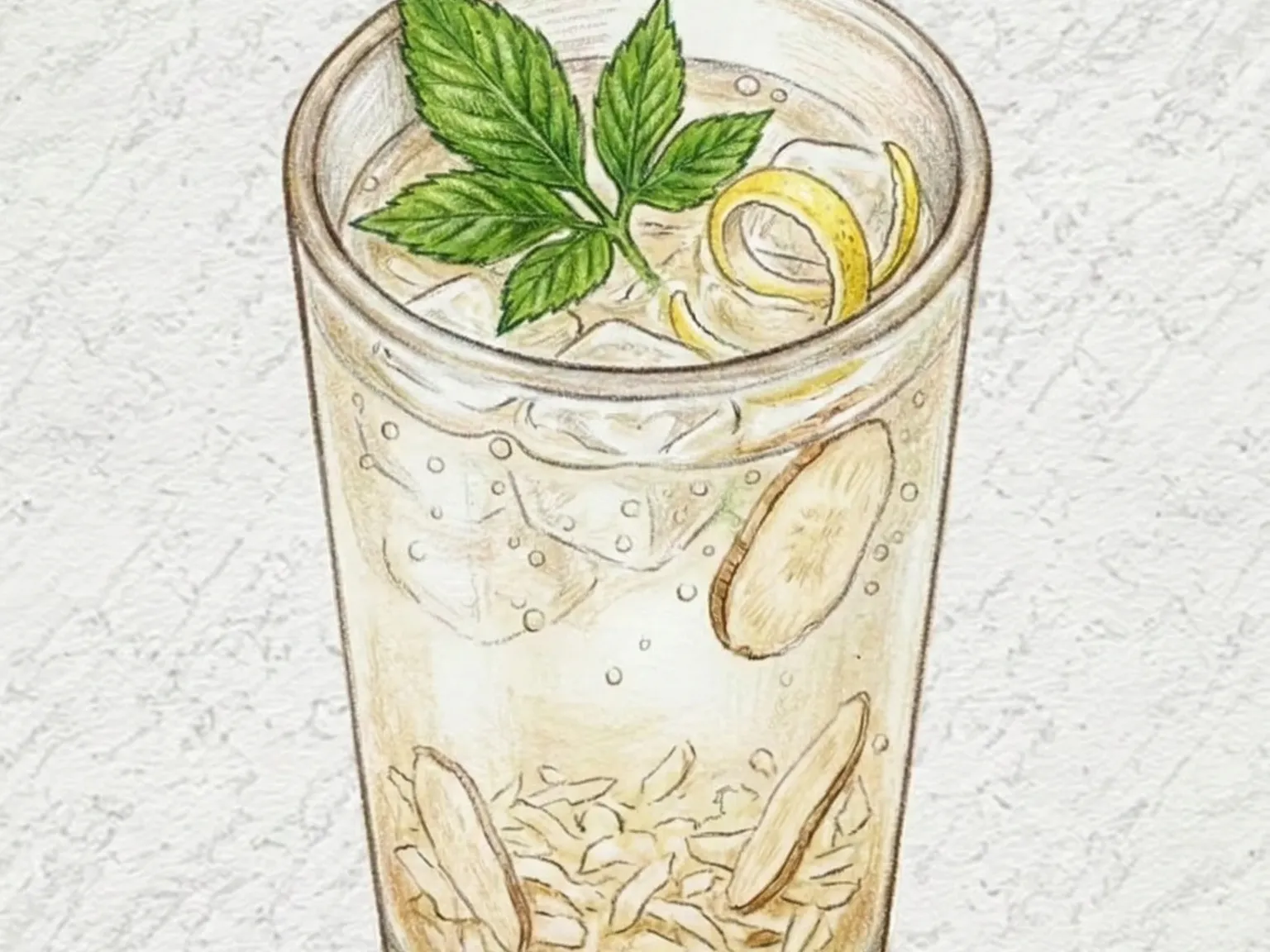
Deodeok-bae cooler uses a base built by simmering peeled and gently pounded deodeok root with fresh ginger over low heat for ten minutes, then straining and cooling the infusion completely. Clear pear juice pressed from freshly grated Korean pear, honey, lemon juice, and a pinch of salt are stirred into this base to form a concentrate. Poured over ice and topped slowly with sparkling water, the drink balances the herbal bitterness of deodeok against the clean, bright sweetness of pear. Carbonation carries the aromatics upward so each sip delivers the herbal note first, then the fruit. Adjusting the ratio of honey to lemon juice lets the drink lean sweeter or more tart depending on preference.

Prep 20min Cook 12min 4 servings
Recipes by ingredient → lemon juice honey ginger

Instructions

Read the steps as a cooking flow: prep, heat, seasoning, doneness control, and finish.

6 steps
  1. 1
    Prep

    Wash 120g deodeok root to remove grit, then peel it thinly.

    Pound it lightly with a wooden mallet just until the fibers open, avoiding crushing it into paste so the infusion stays clear.

  2. 2
    Heat

    Slice 12g ginger thinly and place it in a pot with the prepared deodeok and 300ml water.

    Keep the heat low so only small bubbles appear around the edge, not a rolling boil.

  3. 3
    Prep

    Infuse for 10 minutes, then turn off the heat as soon as the liquid smells herbal but not harsh.

    Strain through a fine sieve and cool the clear deodeok infusion completely before mixing.

  4. 4
    Step

    Peel and core 420g Korean pear, then grate it finely.

    Press the pulp immediately through cheesecloth or a fine sieve to limit browning and capture clear juice with little sediment.

  5. 5
    Season

    Combine the chilled deodeok infusion with pear juice, 45g honey, 30ml lemon juice, and 1g salt.

    Stir until the honey and salt fully dissolve, scraping the bottom so the concentrate tastes even.

  6. 6
    Finish

    Divide 280g ice among glasses and pour in the concentrate.

    Add 900ml sparkling water slowly down the side of the glass, then stir only once or twice to preserve carbonation before serving cold.

After the steps

Pick a recipe that fits this dish.

Continue with shared ingredients, meal pairings, or a similar method.

Recipes That Go Well With This

More Drinks →

Based on shared ingredients and meal pairing

Korean Pear Bellflower Root Tea
Shared ingredient: asian pear Drinks

Korean Pear Bellflower Root Tea

Baedoraji-cha is a traditional Korean herbal tea that is prepared through the slow simmering of Asian pears and bellflower roots. The processing of the bellflower root, referred to as doraji in Korean, represents an essential stage of the recipe. Because raw bellflower roots contain a sharp bitterness that can give the tea a harsh medicinal quality, the roots must be peeled and treated with salt. This involves kneading the roots firmly by hand with salt and then rinsing them with water. Repeating this sequence of kneading and rinsing two or three times is necessary to draw out the bitter compounds from the plant. The pear is prepared by removing the core and cutting the fruit into uniform chunks. The skin can either be retained or removed according to individual preference before the pieces are placed into the pot. As the pear pieces simmer, their juice integrates into the water to provide a natural sweetness without the requirement of added sugar. To complement these main components, a few slices of fresh ginger and a handful of dried jujubes are added to the mixture. The ginger introduces a subtle warmth and a slightly peppery flavor that helps to soften the herbal intensity of the bellflower root. At the same time, the dried jujubes provide a light fruity depth and give the tea its distinctive color. The ingredients are left to infuse over low heat for approximately thirty to forty minutes to ensure that the flavors from the various components are fully extracted into the water. After the simmering process is finished, the sweetness of the beverage can be adjusted with jocheong, which is a traditional grain syrup. This syrup is utilized because it blends into the liquid more smoothly than honey or granulated sugar. This beverage is traditionally served warm during seasons characterized by cold or dry air. It is often consumed when the throat feels dry or irritated, as the saponins present in the bellflower root are recognized for their soothing properties.

Korean Pear Juice
Shared ingredient: honey Drinks

Korean Pear Juice

Korean pear juice is a clean, naturally sweet fruit drink made by blending ripe Korean pear with cold water and straining out the pulp through a fine mesh or cheesecloth. The pear delivers a mild, floral sweetness without any assertive acidity, and adding a tablespoon of lemon juice alongside a small amount of ginger juice sharpens the finish with a crisp, slightly spicy edge. Honey can be adjusted to the ripeness of the pear, and a fully ripe specimen usually needs none. Using partially frozen pear chunks produces a thicker, slushier consistency that holds its chill longer. Soaking peeled pear pieces in cold water for twenty minutes before blending slows oxidation and keeps the juice a brighter, cleaner white.

Crispy Seaweed Chips
Serve together Side dishes

Crispy Seaweed Chips

Basak gim-bugak is a traditional Korean snack made of seaweed sheets coated with glutinous rice paste and fried until crispy. The process begins by cooking a thick mixture of water, glutinous rice flour, and salt. After cooling the paste, it is spread thinly onto half of a seaweed sheet. The sheet is folded in half and coated with another thin layer of paste to build a double-layer structure. Sesame seeds are scattered on top before drying. The sheets are dried in a dehydrator or an air fryer at 80 degrees Celsius until stiff and hard. Ensuring the seaweed is completely dry, especially at the edges, is crucial for a crisp outcome. The dried pieces are flash-fried in hot oil at 180 degrees Celsius for just two to three seconds. They puff up instantly and must be removed quickly to prevent burning.

Korean Mulberry Sparkling Ade
Similar recipe Drinks

Korean Mulberry Sparkling Ade

Preparing a concentrated syrup from frozen mulberries involves simmering the fruit with sugar and water over low heat for six minutes. As the berries break down during this process, they release a dark purple liquid filled with natural sweetness. Adding fresh lemon juice immediately after removing the mixture from the heat provides a sharp acidity that balances the sugar and improves the overall profile. Passing the cooled syrup through a fine-mesh sieve removes small seeds and pulp, leaving a smooth liquid. To serve, pour this base into a glass filled with ice and slowly add chilled sparkling water down the side. This technique keeps the carbonation intact and creates a clear visual contrast between the heavy purple syrup at the bottom and the clear bubbles on top. Clapping apple mint leaves between the palms before placing them on the rim releases essential oils, providing an aromatic herbal scent before the first sip. This mulberry syrup stays fresh for up to one week when stored in a sealed container in the refrigerator. Using tonic water instead of regular sparkling water introduces a slight bitterness, resulting in a finish similar to a non-alcoholic cocktail. Since mulberries reach their peak in May and June, purchasing a large amount during this window and freezing them allows for year-round preparation.

Serve with this

Gotgam Cream Cheese Roll (Dried Persimmon Rolls)
Desserts Easy

Gotgam Cream Cheese Roll (Dried Persimmon Rolls)

Gotgam cream cheese roll is a no-cook Korean dessert that requires nothing more than a knife, a bowl, and a refrigerator. Dried persimmons are slit open and flattened into thin sheets, each one acting as the outer wrapper. The filling is cream cheese mixed with honey and fresh lemon juice to balance its natural richness with acidity, and finely chopped walnuts are folded in throughout to add a crunchy, nutty element to every bite. The filling is spread across the opened persimmon, which is then rolled tightly and wrapped in plastic wrap. Twenty minutes in the refrigerator firms the roll enough to slice cleanly. Dipping the knife in warm water and wiping it dry before each cut produces the smoothest cross-sections. The finished slices reveal clearly defined layers: the chewy, caramel-sweet dried persimmon on the outside, the tangy cream cheese in the middle, and flecks of walnut distributed throughout. The combination makes it a natural pairing with wine or a polished addition to a traditional holiday table.

🍺 Bar Snacks 🎉 Special Occasion
Prep 20min 2 servings
Korean Dubu Kimchi Kkochi (Tofu Kimchi Skewers)
Street food Easy

Korean Dubu Kimchi Kkochi (Tofu Kimchi Skewers)

Dubu-kimchi-kkochi pan-sears firm tofu until the surface turns crisp and golden, then skewers it alongside stir-fried sour kimchi and ground pork. Before searing, pressing the tofu dry with paper towels is essential for an even crust that does not tear or stick to the pan. The kimchi and pork are cooked together so fermented tang and rendered pork fat merge, the fat tempering the kimchi's sharp edge while the kimchi's acidity brightens the pork. Threaded onto a skewer, each bite delivers the tofu's nutty seared exterior, the kimchi's tartness, and the pork's salt-rich savoriness at once. The soft interior of the tofu contrasts with its crisp shell, and juices from the stir-fried kimchi seep into the tofu to add another flavor layer. Despite straightforward ingredients, the skewer presentation makes it a naturally appealing side for drinks or a packed lunch.

🍺 Bar Snacks ⚡ Quick
Prep 15min Cook 10min 2 servings
Korean Choco Pie (Marshmallow Cream Chocolate Cake)
Baking Medium

Korean Choco Pie (Marshmallow Cream Chocolate Cake)

Two soft chocolate cake rounds sandwich a layer of melted marshmallow cream, and the whole assembly is dipped in dark chocolate to form a glossy shell. The cake batter combines cake flour with cocoa powder and is baked just until set; overbaking dries out the sponge and ruins the pillow-soft texture that defines this treat. Marshmallows melted over a water bath turn into a light, stretchy cream that acts as a cushion between the rounds, pulling slightly with each bite. Adding a small amount of butter to the melted coating chocolate produces a thinner, smoother shell that sets with a clean snap and resists fingerprints. Chilled, the chocolate hardens and adds a crisp layer of contrast; at room temperature, the entire piece softens into a unified, yielding bite. This is the homemade version of Korea's iconic convenience-store snack, and making it from scratch allows control over the chocolate quality and the generosity of the filling.

🧒 Kid-Friendly 🎉 Special Occasion
Prep 35min Cook 15min 6 servings

Similar recipes

Korean Lotus Root Tea (Warm Herbal Root Brew)
Drinks Easy

Korean Lotus Root Tea (Warm Herbal Root Brew)

Yeongeun-cha is a Korean lotus root tea prepared by simmering peeled, thinly sliced lotus root with jujube, ginger, and a cinnamon stick over low heat for twenty-five minutes. As the root cooks, its natural starch gradually dissolves into the water, producing a tea that is clear but carries a subtle, silky body unlike most herbal brews. Jujubes contribute the primary sweetness; adding a small spoonful of honey and a single pinch of salt develops the flavor further without making it sugary. Cinnamon and ginger stay in the background, leaving a gentle warmth that lingers in the finish and makes the tea feel comforting without being sharp or medicinal. Soaking the lotus root slices in lightly acidulated water for ten minutes before cooking prevents oxidative browning and keeps the finished tea pale and clear. The flavor holds up equally well served hot in a ceramic cup or cooled down and poured over ice as a refreshing cold drink.

🍺 Bar Snacks 🥗 Light & Healthy
Prep 10min Cook 30min 2 servings
Korean Grilled Deodeok Root
Grilled Medium

Korean Grilled Deodeok Root

Deodeok-gui is a traditional Korean mountain vegetable dish where peeled deodeok roots are pounded flat with a mallet, coated in a paste of gochujang, gochugaru, honey, sesame oil, and garlic, then grilled over high heat. The pounding step is critical: it breaks down the tough fibers so the seasoning absorbs evenly and the root develops a pleasant chewiness instead of remaining stringy. Soaking the peeled deodeok in lightly salted water for about thirty minutes before pounding draws out the sharpest bitterness, leaving only the characteristic mellow, slightly medicinal aroma the root is known for. That bittersweet quality sits in balance between the fermented spice of gochujang and the sweetness of honey. Quick grilling at high temperature chars the glaze just enough to add smokiness while keeping the interior moist; applying the seasoning paste in two stages during grilling builds a thicker, glossier layer on the surface. Toasted sesame seeds scattered on top contribute nuttiness that complements the wild herb's earthy, resinous character.

🍺 Bar Snacks 🏠 Everyday
Prep 20min Cook 10min 2 servings
Sweet Rice Punch (Traditional Korean Malted Barley Grain Drink)
Desserts Medium

Sweet Rice Punch (Traditional Korean Malted Barley Grain Drink)

Sikhye is a traditional Korean sweet rice punch made by steeping malted barley powder in lukewarm water, straining the liquid, adding cooked rice, and holding the mixture at around 60 degrees Celsius for one hour until the rice grains float to the surface. The amylase enzymes in the malt break down the rice starch, producing a distinctly malty, clear sweetness with grain depth that no sugar alone can replicate. Only the clear top liquid is used after settling -- discarding the sediment keeps the punch from turning cloudy. Simmering with sugar and sliced ginger for 20 minutes rounds the sweetness and adds a gentle, spiced warmth to the finish. Served well chilled with the reserved floating rice grains and pine nuts on top, the cold temperature sharpens the malty aroma and makes each sip crisp. Temperature control during the steeping stage is critical: if the mixture exceeds 70 degrees Celsius, the amylase denatures and the grains will not float, so keeping a steady 60-degree hold determines whether the preparation succeeds.

🎉 Special Occasion 🧒 Kid-Friendly
Prep 20min Cook 180min 4 servings

Tips

If deodeok is too intense, reduce infusion time by 2 minutes.
Use pear juice right away to minimize browning and aroma loss.

Nutrition (per serving)

Calories
96
kcal
Protein
1
g
Carbs
23
g
Fat
0
g