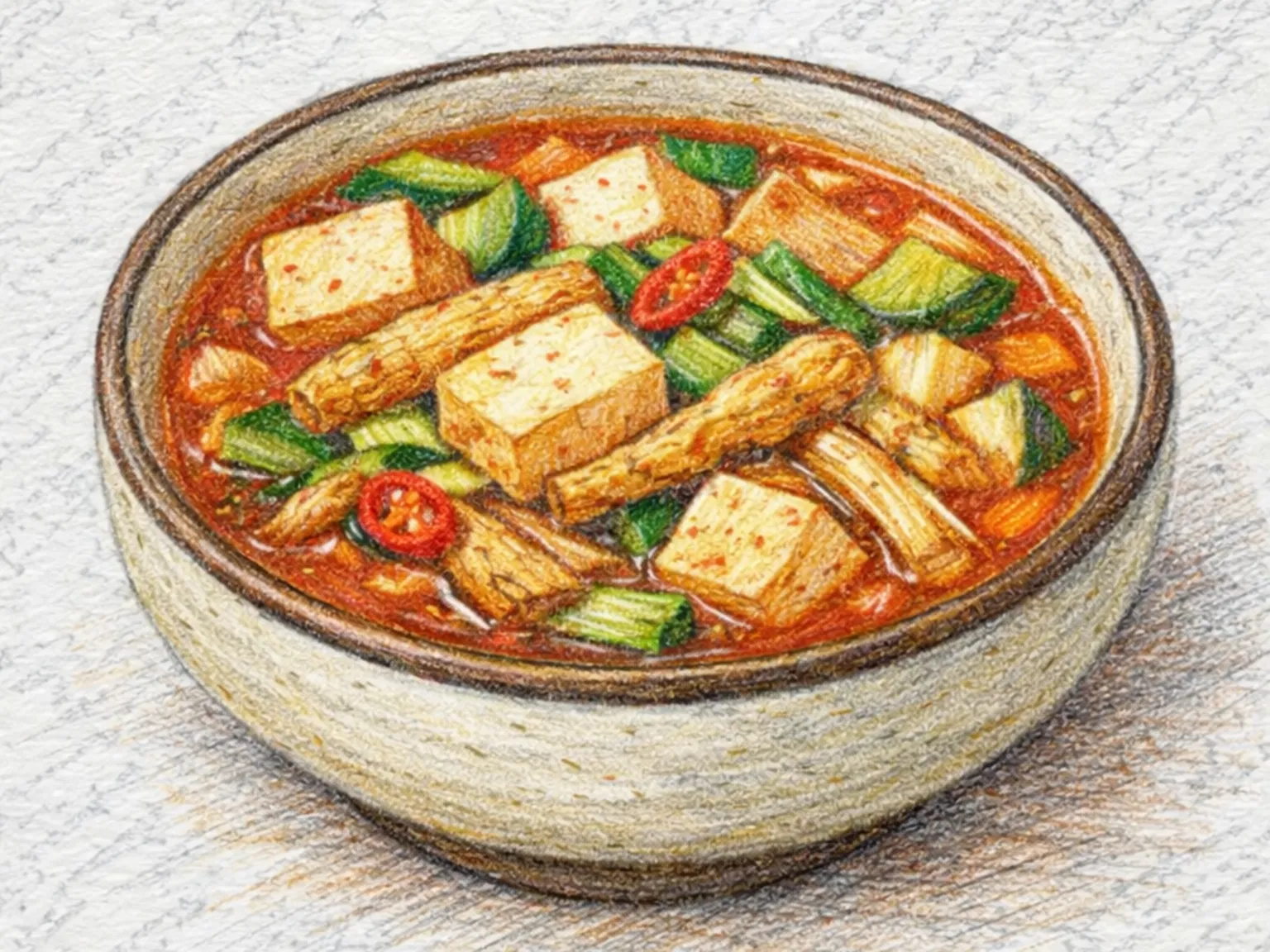
Korean Bellflower Root Tofu Stew
A hearty jjigae that pairs bellflower root (deodeok) with soft tofu in a rice-rinse water base. The broth gets its complex flavor from a blend of gochujang and doenjang, creating a spicy yet earthy profile. Bellflower root contributes a distinctly bitter-sweet, herbaceous note along with a firm, slightly chewy texture. The rice-rinse water thickens the broth naturally and mellows the stronger flavors into a balanced, warming bowl.
Adjust Servings
Instructions
- 1
Peel and slice bellflower root diagonally, then cut tofu and vegetables.
- 2
Dissolve gochujang and doenjang in rice-rinse water, then bring to a simmer.
- 3
Add bellflower root and onion first, simmer 6 minutes to infuse aroma.
- 4
Add zucchini, tofu, and minced garlic, then cook for 8 more minutes.
- 5
Add cheongyang chili for the final minute and adjust seasoning to taste.
As an Amazon Associate, we may earn from qualifying purchases.
Tips
Nutrition (per serving)
More Recipes

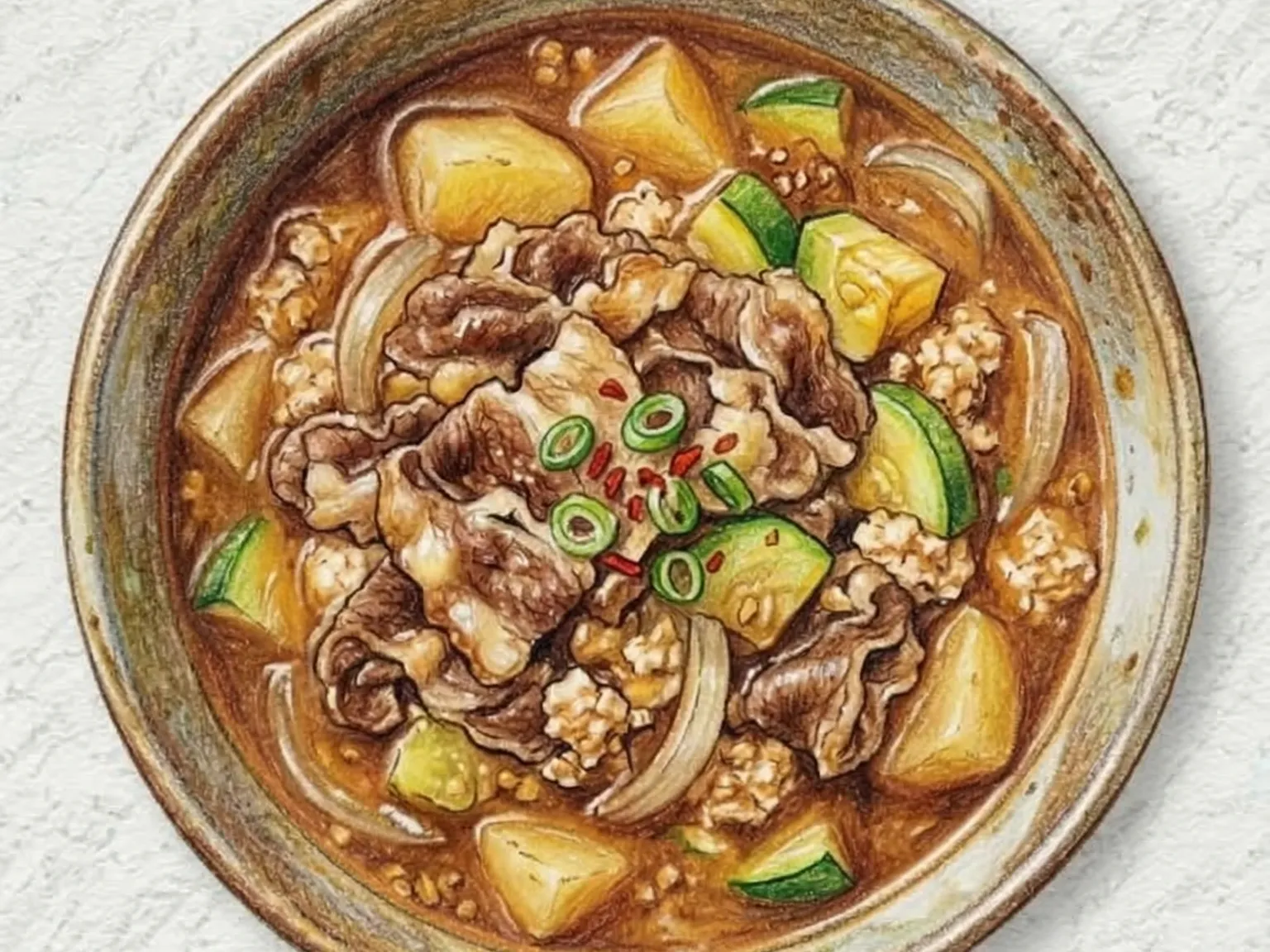
Korean Bellflower Root Pork Stew
This stew combines pork shoulder and bellflower root in a bold, chili-laced broth made with rice-rinse water. Gochujang, gochugaru, and soup soy sauce build layers of heat and umami, while oyster mushrooms add meaty depth. The bellflower root's slight bitterness cuts through the richness of the pork, keeping each spoonful clean on the palate. With generous chunks of meat and vegetables, it works well as a standalone main dish over steamed rice.

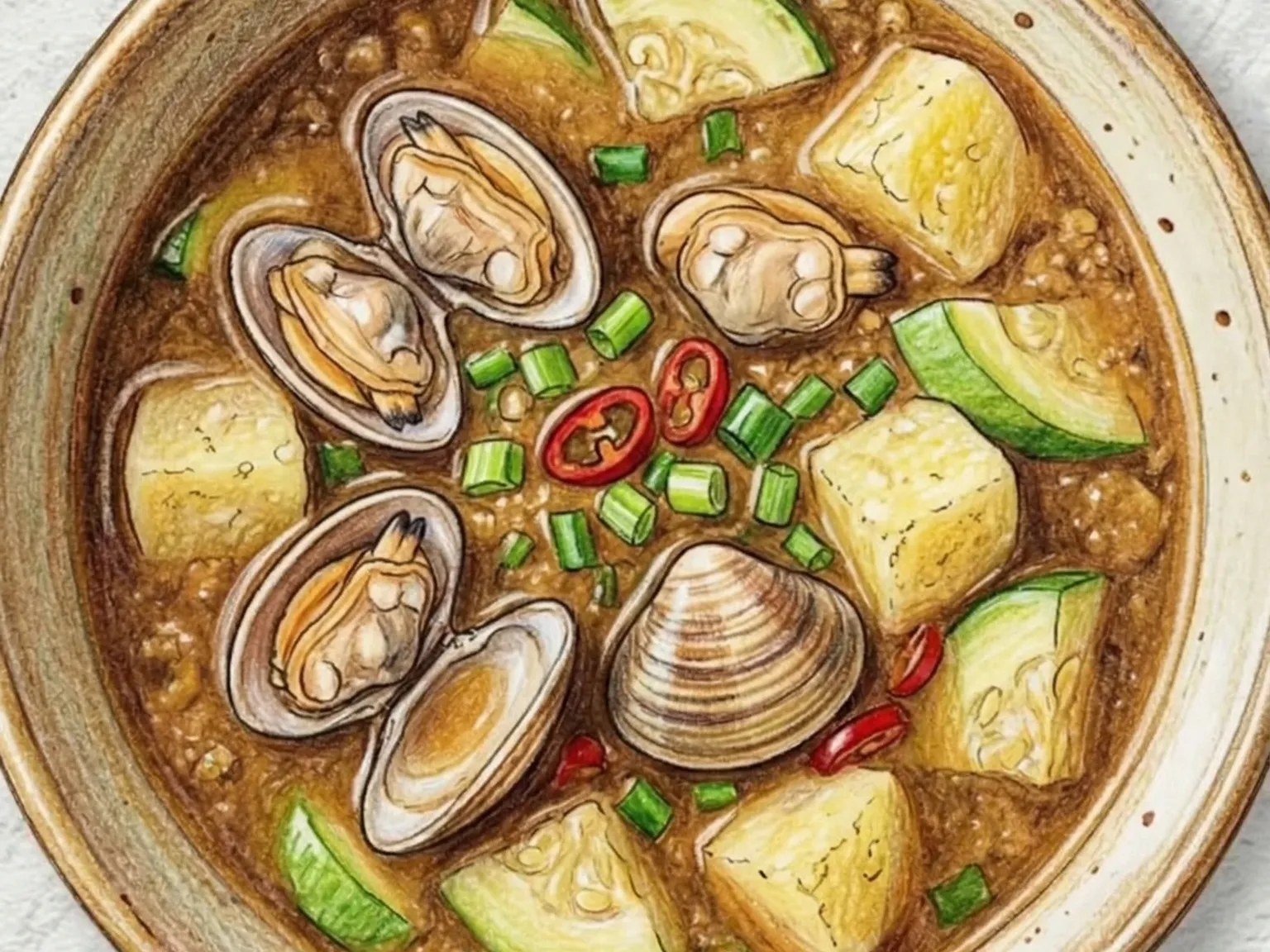
Korean Gul Dubu Jjigae (Oyster Tofu Stew)
Gul dubu jjigae pairs 180 grams of fresh oysters with firm tofu in an anchovy-kelp stock. The oysters plump up as they cook, releasing their briny juices into the broth. Korean radish adds a mild sweetness, while gochugaru and a Cheongyang chili counter any fishiness with their heat. The generous 300 grams of tofu make this a substantial meal. This stew is best enjoyed during winter months when oysters are at their peak.

Korean Sigeumchi Dubu Jjigae (Spinach Tofu Stew)
This light stew combines fresh spinach and soft tofu simmered in an anchovy-kelp stock seasoned with soup soy sauce and perilla oil. Zucchini and onion add natural sweetness to the clean, mild broth. The earthy flavor of spinach pairs naturally with the creamy texture of tofu, making this a comforting everyday Korean stew that is gentle on the stomach.

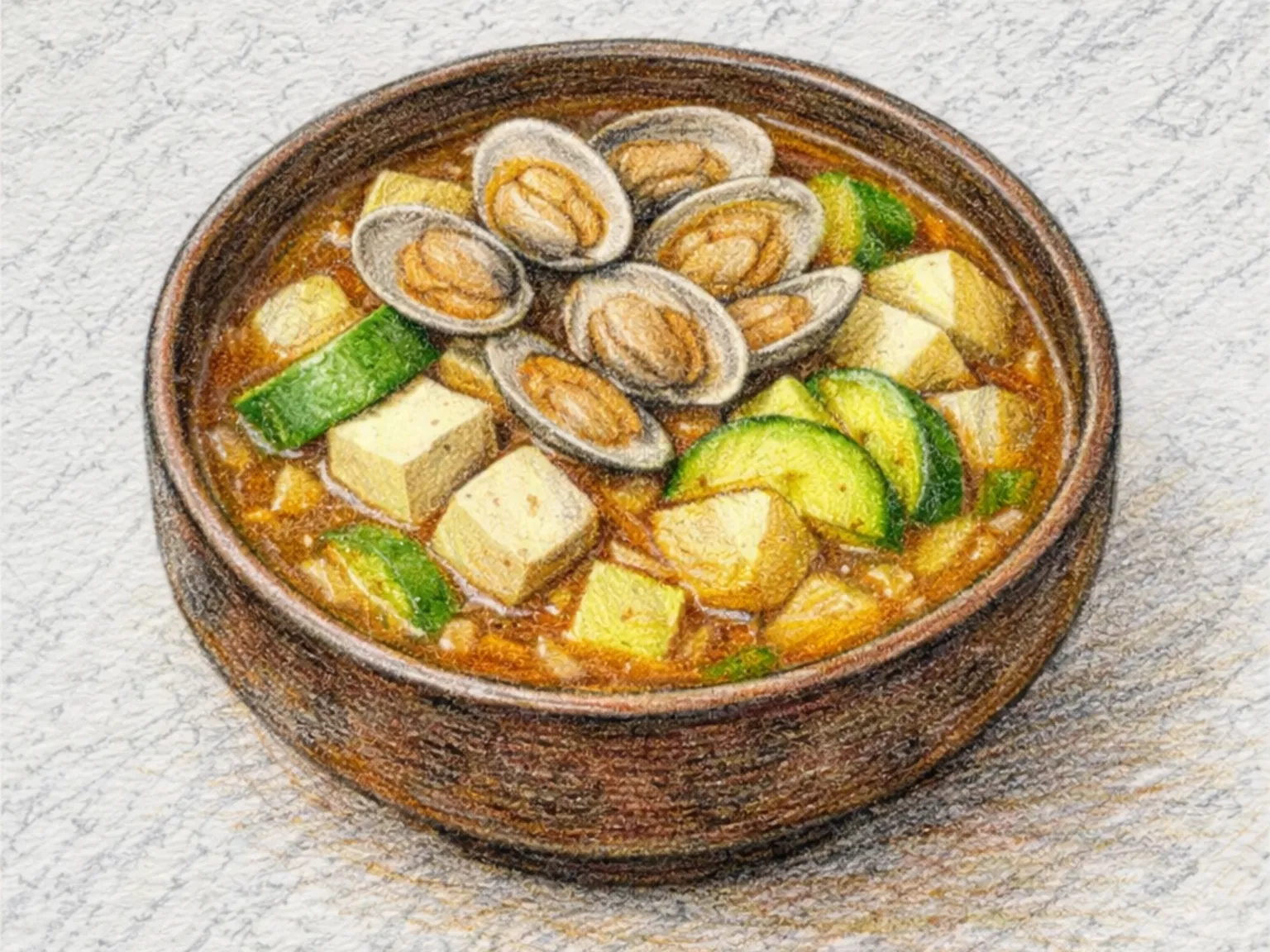
Korean Soybean Paste Stew
Doenjang jjigae is one of the most iconic stews in Korean home cooking. Fermented soybean paste is dissolved into a simple broth and simmered with tofu, potato, zucchini, and onion until everything melds together. Garlic and a Cheongyang chili add aromatic warmth and a mild kick that lifts the rich, earthy base. This is the kind of everyday stew that anchors a Korean meal, pairing effortlessly with rice and any combination of banchan.

Korean Deodeok Honey Latte (Bellflower Root Latte)
Deodeok honey latte is made by peeling and chopping bellflower root, blanching it for two minutes to reduce bitterness, then blending it with a portion of milk and honey into a smooth base. The base is combined with the remaining milk and warmed gently, then finished with condensed milk, vanilla extract, and a pinch of salt for a rich, creamy body. The deodeok's distinctive earthy character persists beneath the layers of sweetness, giving this latte an unusual herbal depth, and a light dusting of cinnamon ties the flavors together.

Korean Grilled Deodeok Root
Deodeok-gui is a traditional Korean mountain vegetable dish where peeled deodeok (codonopsis lanceolata) roots are pounded flat with a mallet, coated in a paste of gochujang, gochugaru, honey, sesame oil, and garlic, then grilled over high heat. The pounding step is critical: it breaks down the tough fibers so the seasoning absorbs evenly and the root develops a pleasant chewiness instead of remaining stringy. Deodeok has a distinctive bittersweet, slightly medicinal aroma that sits in balance between the fermented spice of gochujang and the sweetness of honey. Quick grilling at high temperature chars the glaze just enough to add smokiness while keeping the interior moist, and toasted sesame seeds scattered on top contribute nuttiness to the wild herb's earthy character.