Korean Deodeok Honey Latte (Bellflower Root Latte)
Quick answer
Deodeok honey latte is made by peeling and chopping bellflower root, blanching it for two minutes to soften its natural bitterness, then blending it smooth with a portion...
What makes this special
- Blanching deodeok root before blending with milk reduces astringency in this Korean honey latte.
- Blanched deodeok blended with milk reduces its raw astringency
- Condensed milk, vanilla, and salt wrap the earthy root in creaminess
Key ingredients
Core cooking flow
- 1 Peel 60 g of deodeok and trim away any tough core if present, then chop it finely.
- 2 If the blanched deodeok is very hot, cool it for about 2 minutes so it does not warm the milk too quickly.
- 3 Add the deodeok and blend for at least 40 seconds until the base looks smooth and pale.
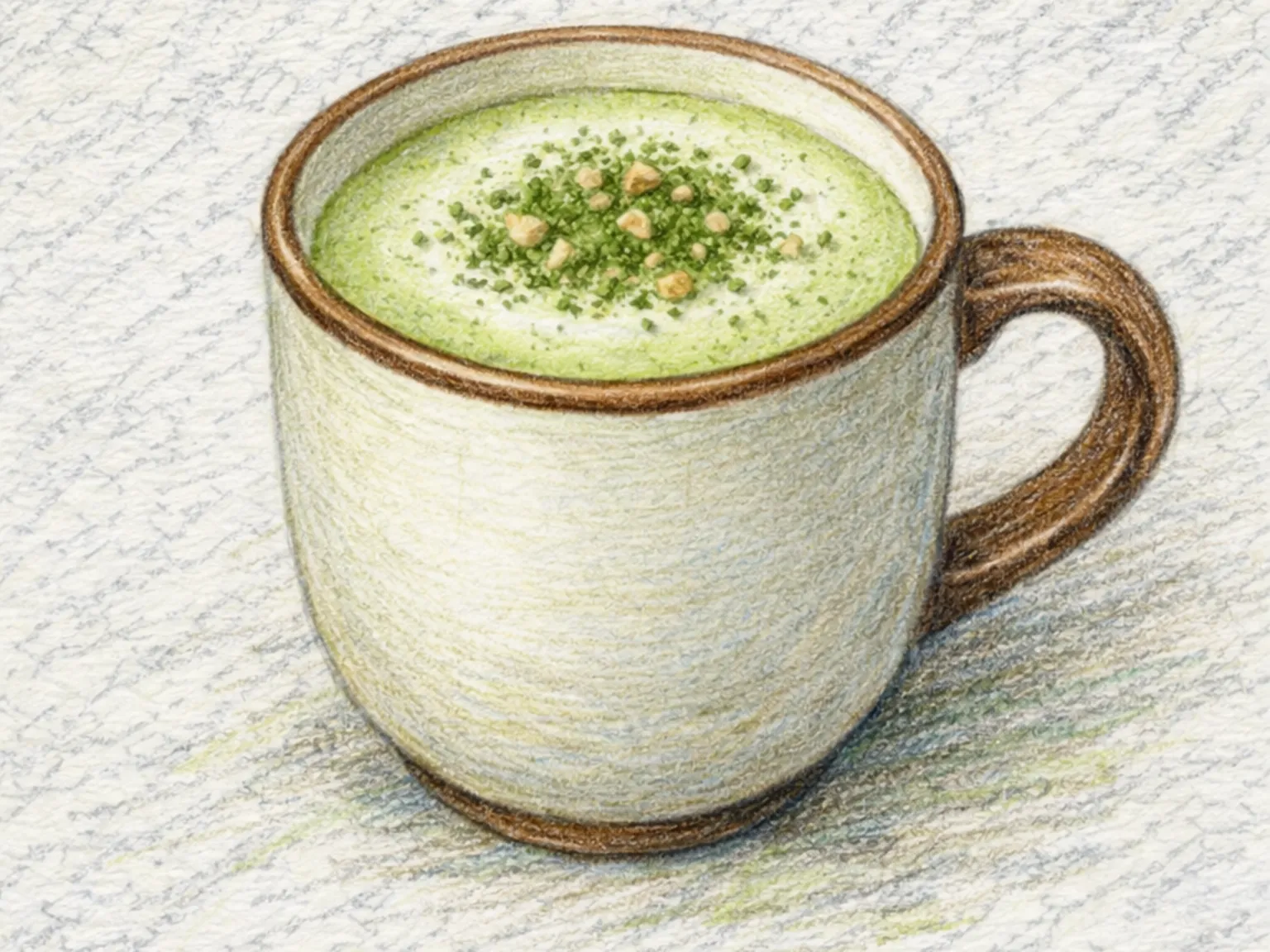
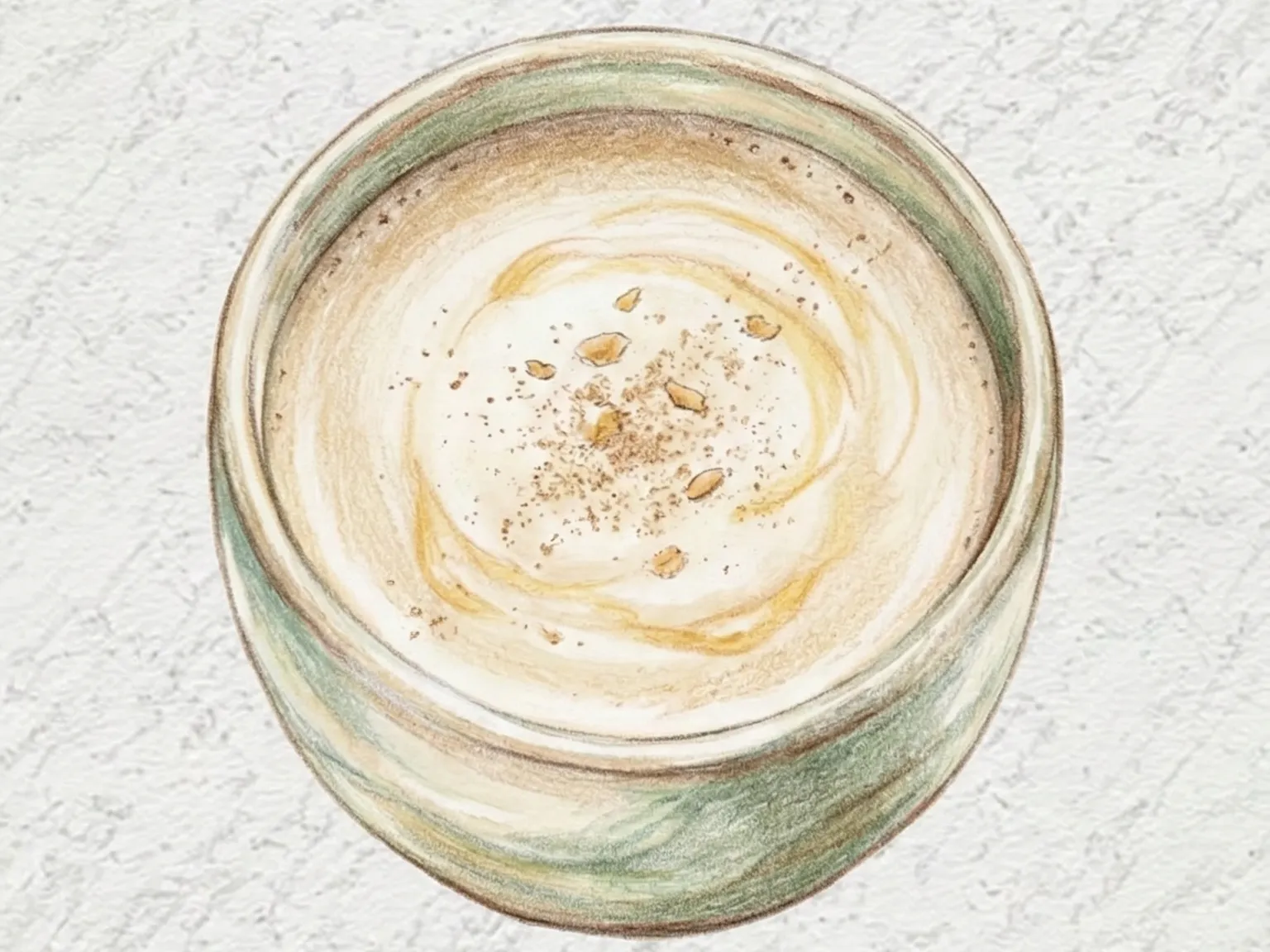
Deodeok honey latte is made by peeling and chopping bellflower root, blanching it for two minutes to soften its natural bitterness, then blending it smooth with a portion of milk and honey to form the base. The base is combined with the remaining milk and warmed gently over low heat, then finished with condensed milk, vanilla extract, and a pinch of salt to build a rich, creamy body. The deodeok's earthy character, a faintly medicinal and mineral quality, persists just beneath the layers of sweetness, giving this latte an herbal depth that sets it apart from standard cafe drinks. A light dusting of cinnamon over the surface ties the flavors together on the finish. It represents a category of Korean yakseon beverages that draw on mountain ingredients traditionally valued for their nutritional properties.
Instructions
Read the steps as a cooking flow: prep, heat, seasoning, doneness control, and finish.
- 1Heat
Peel 60 g of deodeok and trim away any tough core if present, then chop it finely.
Blanch it in boiling water for 2 minutes to soften the harsh bitterness, drain well, and let excess water run off.
- 2Step
If the blanched deodeok is very hot, cool it for about 2 minutes so it does not warm the milk too quickly.
Add 150 ml milk and 2 tablespoons honey to the blender and pulse once to start the base.
- 3Step
Add the deodeok and blend for at least 40 seconds until the base looks smooth and pale.
If pieces remain on the sides, scrape them down with a spatula and blend again to prevent a fibrous texture.
- 4Control
Pour the deodeok base and the remaining 300 ml milk into a small saucepan.
Warm over low heat for about 4 minutes, stirring often and scraping the bottom so the milk and honey do not scorch.
- 5Season
When small bubbles form around the edge and steady steam rises, stop before it boils.
Add 1 tablespoon sweetened condensed milk, the salt, and vanilla extract, then whisk until the sweetness is evenly dissolved.
- 6Finish
Taste the latte, and if the deodeok aroma feels too sharp, warm it 30 seconds longer while stirring.
Pour into warm cups, divide the 0.25 teaspoon ground cinnamon over the tops, and serve immediately.
After the steps
Pick a recipe that fits this dish.
Continue with shared ingredients, meal pairings, or a similar method.
Recipes That Go Well With This
More Drinks →Based on shared ingredients and meal pairing
Korean Chestnut Latte
Bam latte is a Korean autumn drink made by blending boiled chestnuts into a smooth paste and warming it with milk. The chestnuts are pureed with water until the mixture is completely smooth, then combined with milk and heated gently on the stovetop over low heat. Maple syrup introduces a caramel sweetness over the mild, starchy flavor of the chestnuts. Ground cinnamon adds warmth, and a small amount of vanilla extract gives the overall aroma more depth. Blending the chestnuts longer yields a silkier drink; leaving some texture produces a thicker, more porridge-like consistency. The full preparation takes about twenty minutes, making it a practical homemade version of the seasonal chestnut lattes that appear in Korean cafes each autumn.
Korean Bellflower Root Pear Cooler
Deodeok-bae cooler uses a base built by simmering peeled and gently pounded deodeok root with fresh ginger over low heat for ten minutes, then straining and cooling the infusion completely. Clear pear juice pressed from freshly grated Korean pear, honey, lemon juice, and a pinch of salt are stirred into this base to form a concentrate. Poured over ice and topped slowly with sparkling water, the drink balances the herbal bitterness of deodeok against the clean, bright sweetness of pear. Carbonation carries the aromatics upward so each sip delivers the herbal note first, then the fruit. Adjusting the ratio of honey to lemon juice lets the drink lean sweeter or more tart depending on preference.
Gotgam Cream Cheese Roll (Dried Persimmon Rolls)
Gotgam cream cheese roll is a no-cook Korean dessert that requires nothing more than a knife, a bowl, and a refrigerator. Dried persimmons are slit open and flattened into thin sheets, each one acting as the outer wrapper. The filling is cream cheese mixed with honey and fresh lemon juice to balance its natural richness with acidity, and finely chopped walnuts are folded in throughout to add a crunchy, nutty element to every bite. The filling is spread across the opened persimmon, which is then rolled tightly and wrapped in plastic wrap. Twenty minutes in the refrigerator firms the roll enough to slice cleanly. Dipping the knife in warm water and wiping it dry before each cut produces the smoothest cross-sections. The finished slices reveal clearly defined layers: the chewy, caramel-sweet dried persimmon on the outside, the tangy cream cheese in the middle, and flecks of walnut distributed throughout. The combination makes it a natural pairing with wine or a polished addition to a traditional holiday table.
Korean Malcha Duyu Latte (Matcha Soy Latte)
Matcha duyu latte is a vegan drink that pairs whisked matcha with gently warmed unsweetened soy milk. The tea's vegetal bitterness meets the soy milk's natural nuttiness in a creamy balance, anchored by acacia honey and a pinch of salt that clarify both flavors. A small measure of vanilla extract adds a background sweetness, and roasted soybean powder dusted on top reinforces the nutty character. Heating the soy milk only until tiny bubbles appear at the edges prevents any off-flavors from developing.
Serve with this
Korean Spicy Octopus Skewers
Blanched octopus is cut into bite-sized pieces, threaded onto skewers, and grilled on a pan or open flame while being basted repeatedly with a spicy sauce of gochujang, soy sauce, sugar, minced garlic, and sesame oil. Octopus toughens dramatically with prolonged heat, so high-temperature, quick grilling is essential. Adding a slice of ginger to the blanching water removes any fishiness before the octopus hits the grill. The layered sauce builds up with each basting: gochujang contributes heat, sugar balances it with sweetness, soy sauce deepens the umami, and sesame oil finishes with a nutty fragrance. Keeping the heat at medium-high and turning the skewers frequently prevents the sugar in the glaze from burning while still achieving light char marks. The result has a caramelized, sticky crust over a chewy, springy center. Equally at home as street food or as bar snacks alongside cold beer or soju, these skewers are a reliable crowd-pleaser.
Korean Seasoned Kelp Strips
Kelp strips are soaked in cold water for ten minutes to draw out excess salt, then blanched for twenty seconds, just long enough to turn them pliable without losing their snap. The strips are dressed with gochugaru, vinegar, soy sauce, sugar, and garlic while julienned cucumber adds a cool, refreshing contrast. The seasoning sits over the mineral-dense ocean flavor of the kelp, layering a bright, acidic kick onto each bite. Sesame oil and whole sesame seeds finish the dish. The strips keep a satisfying resistance between the teeth that sets them apart from softer Korean seaweed preparations. Best served cold; the texture and flavor hold up well in packed lunches. Blanching beyond twenty seconds causes the kelp to soften and lose the chew that defines this banchan.
Dasik (Korean Honey-Pressed Roasted Grain Confection)
Dasik is a traditional Korean pressed confection made by kneading roasted grain or nut powders with honey and pressing the mixture into carved wooden molds. Unlike baked goods, dasik holds its shape entirely through the binding power of honey, with no heat applied during preparation. This technique produces a texture that is slightly resistant at first contact, then dissolves gently at body temperature in a way that releases the full aroma of the main ingredient. Roasted soybean powder yields a nutty version, black sesame produces a deeply aromatic one, and additions of pine nut powder or cinnamon develop the flavor in different directions. The wooden molds carve decorative patterns into the surface of each piece, giving dasik a visual refinement that matches its restrained sweetness. For centuries, dasik has been a standard offering at Korean tea gatherings, and its subtle flavor remains a natural match for the gentle bitterness of green tea.
Similar recipes
Korean Ginger Honey Latte
Ginger honey latte is a warm Korean latte built on a concentrated ginger infusion made by simmering thinly sliced fresh ginger in water over medium-low heat for ten minutes. Straining out the fibrous solids leaves a clean, sharp liquid that is returned to the pot with milk and heated until it just begins to steam, allowing the ginger's spicy heat to diffuse gradually through the dairy without becoming harsh. Adding honey only after the heat is turned off is important because prolonged exposure to heat causes its aromatic compounds to evaporate, leaving behind only sweetness without fragrance. A pinch of salt acts as a bridge between the sharp ginger and the floral sweetness of honey, drawing both flavors into sharper focus. A small dusting of cinnamon powder at the end adds a woody, resinous layer on top of the ginger that creates a warm-spice finish that lingers well after the last sip. The gingerols present in fresh ginger make this drink a common choice during seasonal transitions and on days when the body feels cold or run-down.
Korean Bellflower Root Pork Stew
Deodeok-dwaeji-jjigae is a spicy Korean stew that primarily features pork shoulder and bellflower root as its core components. These main ingredients are simmered together in a liquid base prepared from water used to rinse rice, which provides a different consistency and flavor profile compared to standard tap water. The seasoning for this broth relies on a combination of gochujang, which is red chili paste, gochugaru or red chili flakes, and soup soy sauce to establish a foundational heat and saltiness. To provide further texture and structural depth to the stew, oyster mushrooms and sliced onions are included in the pot during the simmering process. As the bellflower root is heated and cooked through, its natural and slightly bitter flavor profile begins to integrate into the surrounding broth. This subtle bitterness serves a functional purpose by counteracting the richness of the pork shoulder fat, which results in a final taste that feels clean on the palate rather than greasy. Utilizing rice-rinse water instead of plain water helps to mellow the intense spice of the gochujang while adding a light savory quality to the soup that simple water does not provide. By cutting the pork shoulder into small, bite-sized pieces before cooking, the fat is able to render out more effectively into the broth while the meat remains soft and easy to chew. The finished stew has a high level of spice and contains a significant amount of meat and vegetables, making it a filling dish when served alongside a bowl of steamed white rice.
Korean Bellflower Root Tofu Stew
Deodeok dubu jjigae is a Korean stew that simmers bellflower root and soft tofu in a broth made from rice-rinse water. Gochujang and doenjang are dissolved together to build a base that is simultaneously spicy and deeply savory. Bellflower root contributes a signature bitter-herbal fragrance and firm bite that sets the soup apart from standard tofu jjigae. Rice-rinse water acts as a natural thickener and rounds off any residual bitterness from the root. The contrast between the chewy deodeok and the yielding tofu gives each spoonful an interesting texture. Before cooking, the bellflower root is traditionally pounded to open its fibrous grain, which allows the seasoning to penetrate more evenly.