Korean Perilla Oil Noodles
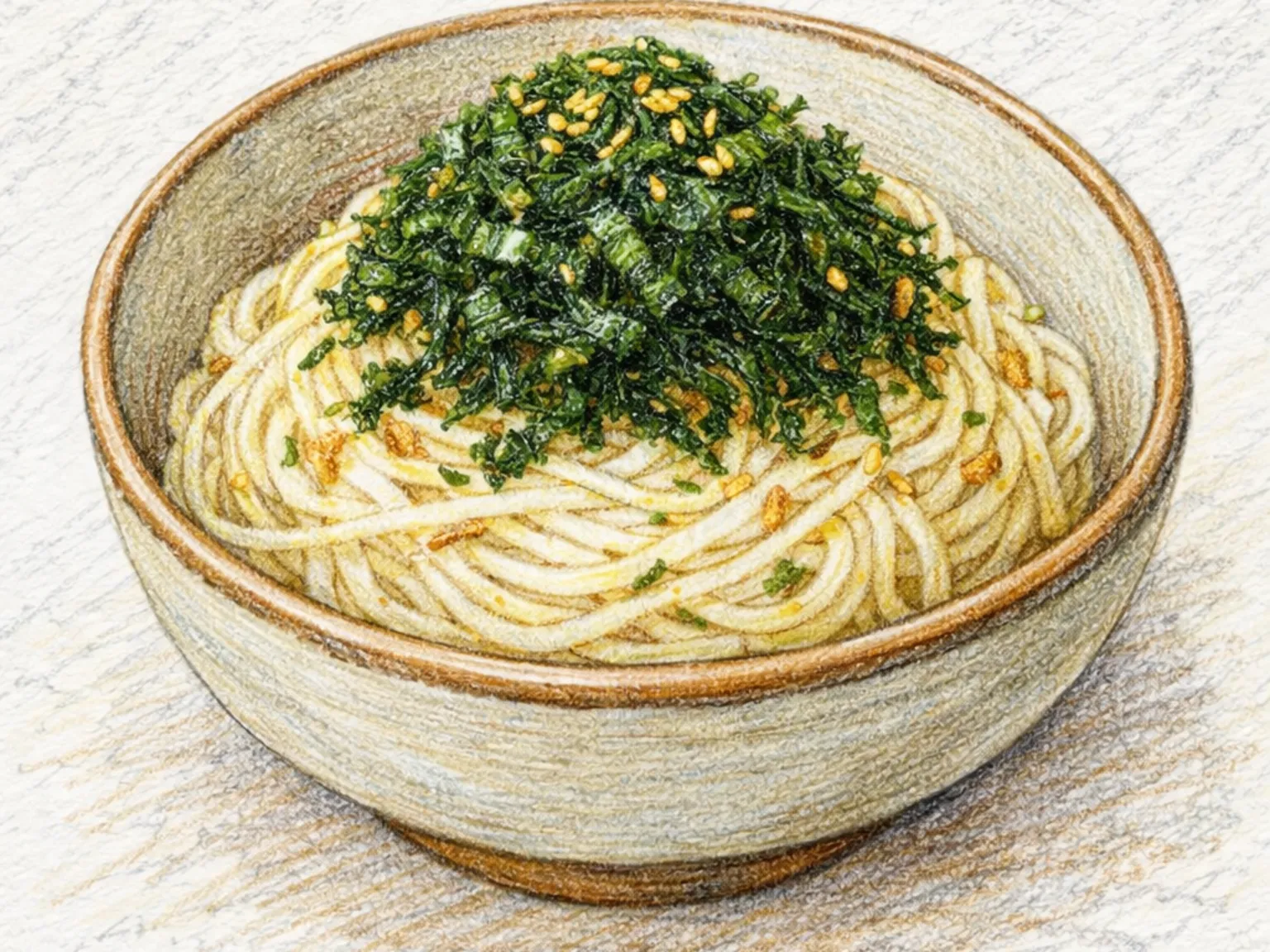
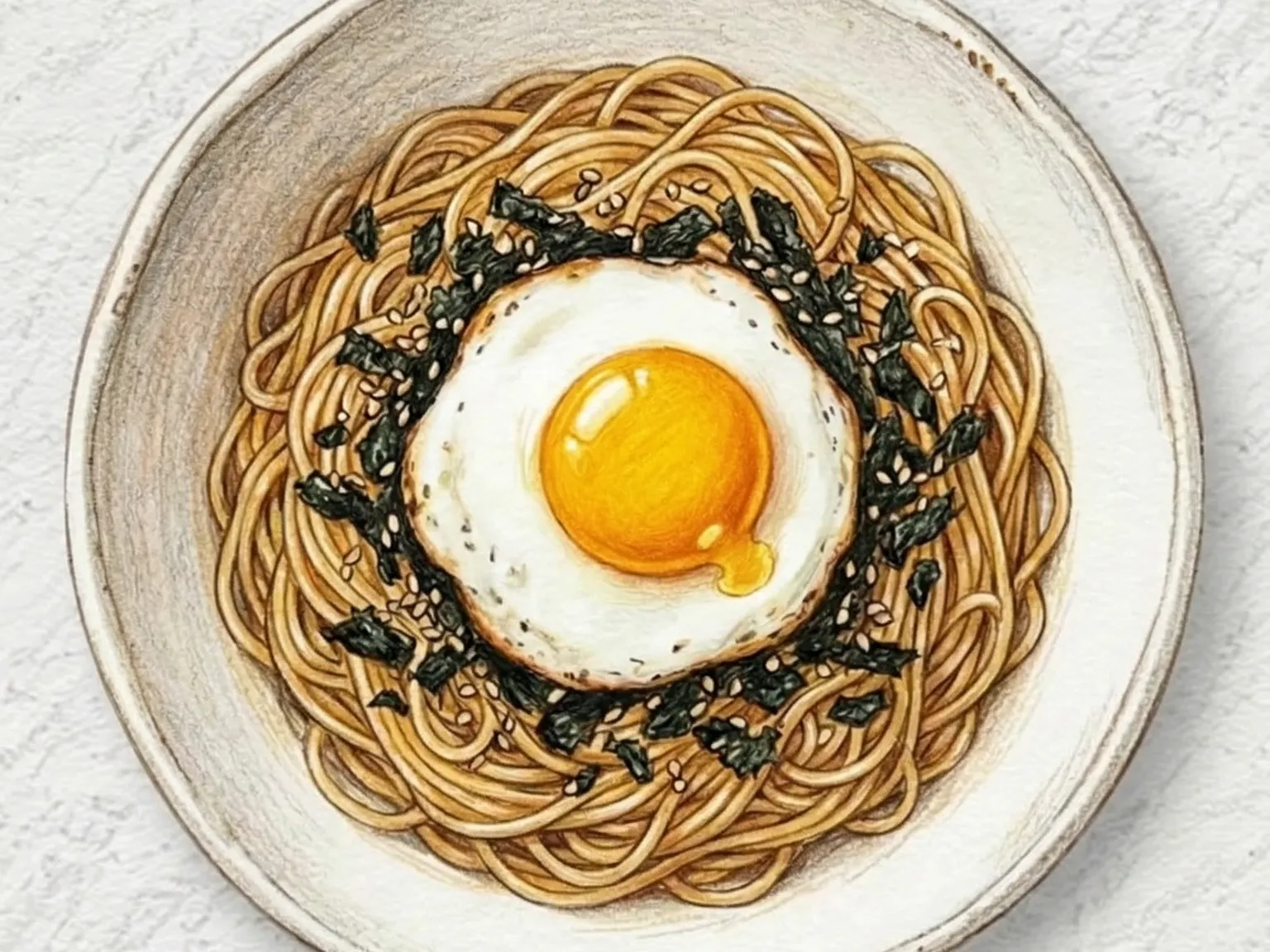
Deulgireum guksu is a Korean noodle dish where boiled somyeon are rinsed in cold water to strip away surface starch, tossed first in a soy sauce seasoning, then finished with a generous pour of perilla oil. The oil coats each strand in a roasted, nutty fragrance that is distinctly different from sesame - earthier and more aromatic. Shredded roasted seaweed adds a crisp, briny layer, and sesame seeds contribute a quiet crunch. The entire preparation takes under ten minutes, which makes it a practical late-night or solo meal. A fried egg on top is a common addition; the runny yolk breaks into the dressed noodles, enriching the texture with its own fat.
Adjust Servings
Instructions
- 1
Combine soy sauce, sugar, and minced garlic to make a base sauce.
- 2
Boil noodles, rinse cold, and drain thoroughly.
- 3
Toss noodles evenly with the sauce in a large bowl.
- 4
Add perilla oil and toss again lightly.
- 5
Finish with seaweed and sesame seeds.
As an Amazon Associate, we may earn from qualifying purchases.
Tips
Nutrition (per serving)
More Recipes

Korean Gamtae Sesame Oil Somyeon
Gamtae chamgireum somyeon is a Korean noodle dish where boiled thin wheat noodles are dressed in sesame oil and soy sauce, then topped generously with gamtae seaweed flakes. Gamtae is thinner and more intensely aromatic than standard roasted seaweed, laying a pronounced ocean fragrance over the noodles. The sesame oil and soy sauce form a simple but effective pairing - the oil's toasted nuttiness against the soy's salty depth. A small amount of minced garlic introduces a sharp warmth that gives the otherwise straightforward flavors a sense of direction. Rinsing the noodles thoroughly in cold water after boiling is essential to prevent clumping and ensure the dressing distributes evenly.

Korean Cold Perilla Oil Buckwheat Noodles
Naeng deulgireum memilmyeon is a Korean cold noodle dish where chilled buckwheat noodles are dressed with perilla oil, soy sauce, vinegar, and allulose syrup. The noodles are boiled for four to five minutes, rinsed multiple times in cold water, then briefly plunged into ice water to remove surface starch and firm up their texture. Thorough draining is essential so the dressing stays concentrated on the noodles rather than pooling at the bottom. Perilla oil provides a bold, nutty fragrance that pairs naturally with the earthy buckwheat, while soy sauce and vinegar add salt and acidity in balance. Thinly julienned cucumber contributes moisture and crunch, and roasted seaweed flakes with toasted sesame seeds bring oceanic and nutty finishing notes.

Korean Spicy Mixed Wheat Noodles
Bibim guksu is a chilled Korean noodle dish in which boiled and cold-rinsed somyeon wheat noodles are tossed in a sauce of gochujang, chili flakes, plum syrup, vinegar, soy sauce, and sesame oil. The heat from the gochujang, the sweetness of plum syrup, and the brightness of vinegar layer together into a multi-dimensional flavor in every bite. Rinsing the noodles thoroughly in cold water removes excess starch, giving them a bouncy chew and allowing the sauce to cling evenly. Torn lettuce and julienned cucumber folded in at the end contribute crunch and moisture that loosen the thick sauce just enough. A tablespoon of noodle cooking water can thin the sauce if it feels too heavy.

Korean Perilla Seed Kalguksu
Perilla kalguksu is a Korean noodle soup where ground perilla seeds give the broth a distinctly nutty, creamy quality. Potatoes are simmered first to release starch, naturally thickening the liquid before the noodles go in. Onion and garlic add mild sweetness, and soup soy sauce seasons the bowl without darkening the color. The perilla powder is stirred in near the end of cooking to preserve its fragrance.

Korean Egg Fried Rice (Quick Wok-Tossed Grain Bowl)
Two beaten eggs and one bowl of rice are all it takes to make this ten-minute fried rice. The eggs are poured into a smoking-hot oiled pan, and rice is added the moment the eggs are half-set, then tossed rapidly so every grain gets an individual egg coating - producing a texture that is fluffy and slightly glossy rather than clumpy. Cold leftover rice works best because its lower moisture content lets the grains separate cleanly during stir-frying. A finishing drizzle of sesame oil and a scattering of chopped green onion add a toasty fragrance that rounds out this minimal but satisfying solo meal.

Korean Gochujang Bibim Udon Cup (Spicy Mixed Udon Cup)
Gochujang bibim udon cup is a cold-tossed udon dish served in a cup, dressed with a sauce of gochujang, soy sauce, oligosaccharide syrup, vinegar, and sesame oil. The fermented heat of gochujang meets the vinegar's acidity to create a tangy-spicy profile without harshness, while the syrup adds body that helps the sauce coat the thick udon strands evenly. Raw julienned cabbage and carrot are mixed in for textural crunch against the soft noodles. Cooling the noodles completely before tossing prevents the sauce from clumping, ensuring every strand is evenly seasoned.