Korean-Style Sirloin Steak
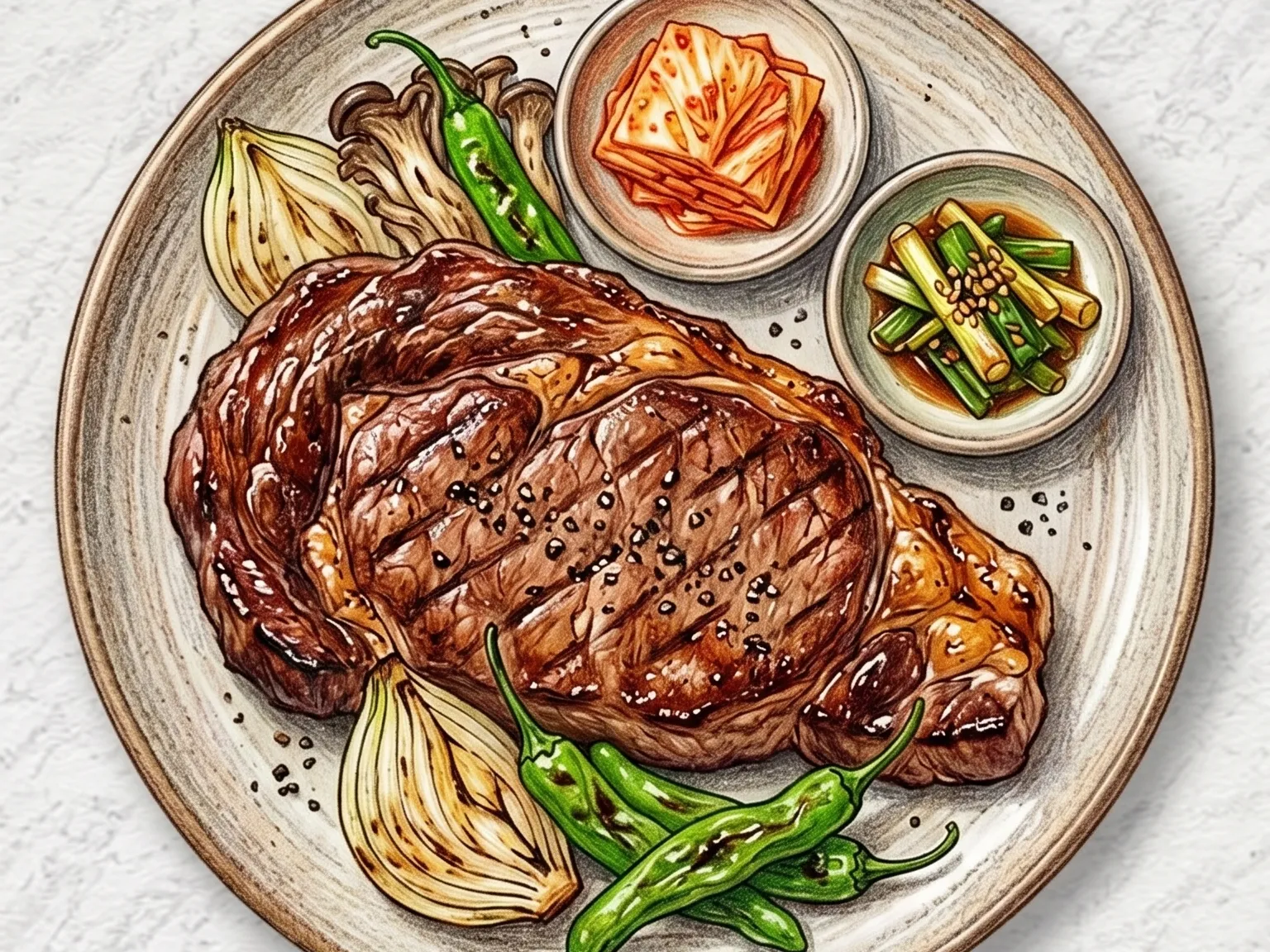
Deungsim steak-gui is a Korean-style sirloin steak marinated in soy sauce, sesame oil, sugar, minced garlic, and Korean pear juice, then seared on a hot pan or grill. The pear juice contains enzymes that tenderize the surface fibers of the meat, but marinating beyond thirty minutes risks making the texture mushy, so timing is key. Unlike Western steaks that rely on salt, pepper, and butter, this version builds its flavor around soy sauce and sesame oil, with sugar caramelizing at high heat to form a sweet-salty crust on the surface. Coarsely cracked black pepper finishes the steak, adding a spicy sharpness that bridges the gap between Korean bulgogi and a classic grilled steak.
Adjust Servings
Instructions
- 1
Mix soy sauce, sesame oil, sugar, garlic, pear juice, and pepper for the marinade.
- 2
Marinate sirloin for 30 minutes.
- 3
Heat a pan or grill to very high heat.
- 4
Wipe off excess marinade and grill each side 3~4 minutes.
- 5
Rest for 3 minutes before slicing and serving.
As an Amazon Associate, we may earn from qualifying purchases.
Tips
Nutrition (per serving)
More Recipes

Korean Marinated Beef Short Rib Grill
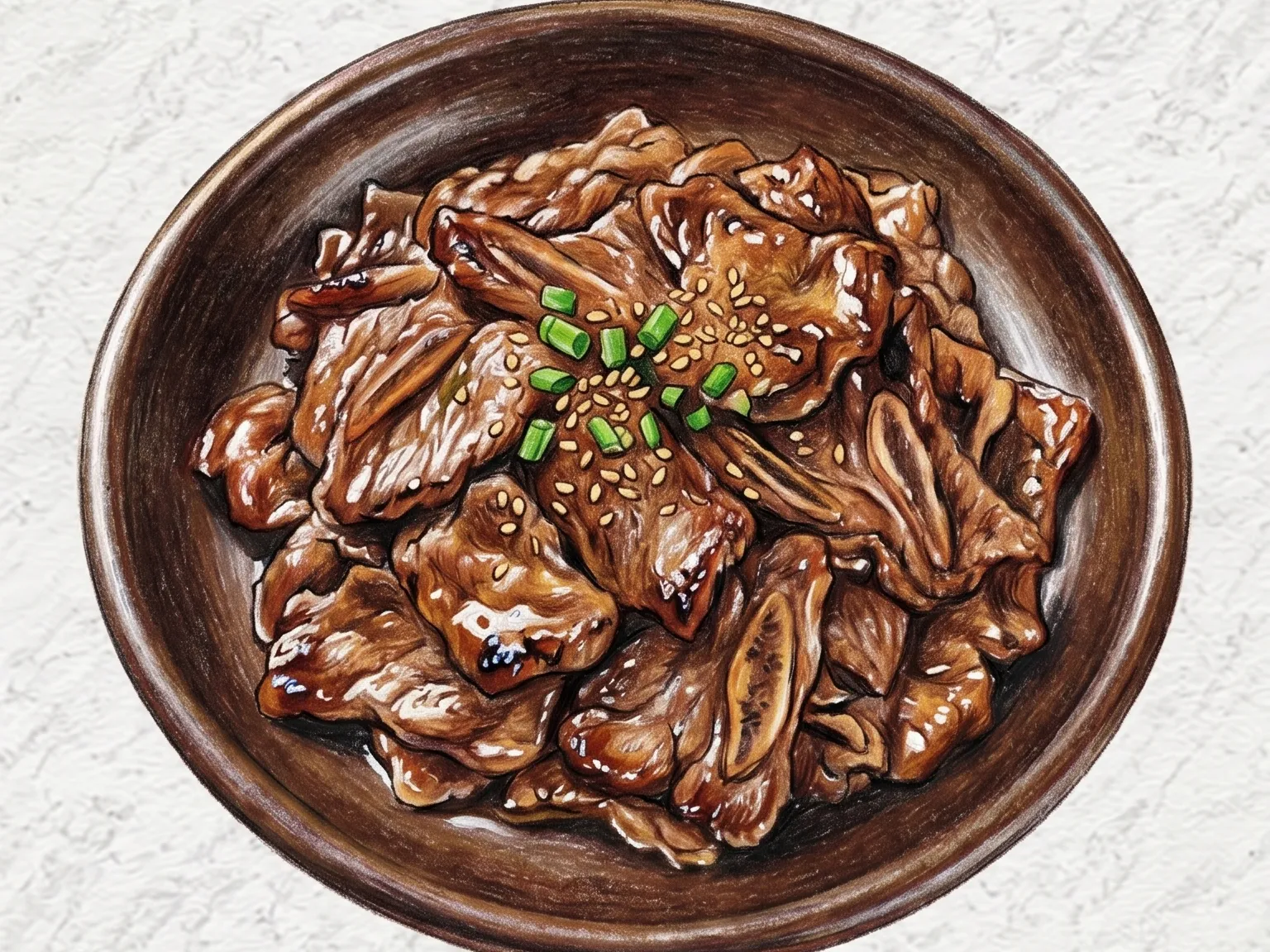
Beef ribs or bulgogi-cut slices are marinated for at least an hour in a blend of soy sauce, Korean pear juice, sugar, minced garlic, sesame oil, and black pepper. The pear's natural enzymes break down connective tissue while the soy-sugar combination penetrates deep into the meat. On a high-heat grill, the sugars in the marinade caramelize rapidly, forming a glossy, dark-brown glaze with visible char marks. Thin-cut pieces cook through in under four minutes total, and the interplay of charcoal smoke with the sweet-salty marinade defines the signature taste of Korean yangnyeom-gui.

Korean Flanken Ribs (Pear-Soy Marinated LA-Cut Beef Short Ribs)
LA-galbi-gui is a Korean grilled short rib dish using flanken-cut beef ribs marinated in a mixture of Asian pear juice, soy sauce, sugar, minced garlic, sesame oil, black pepper, and green onion. The enzymes in the pear juice break down tough connective tissue in the thin-sliced ribs, and the combination of soy sauce and sugar caramelizes over high heat to create a dark, glossy crust. Because the marinade contains significant sugar, cooking over medium heat and flipping frequently prevents charring, with each side needing only three to four minutes to cook through to the bone. Marinating overnight in the refrigerator allows the seasoning to penetrate fully between the bones, deepening the sweet-salty flavor considerably.

Korean Marinated Beef Short Ribs
One kilogram of beef short ribs is soaked in cold water for thirty minutes, then marinated for at least an hour in grated Korean pear, onion juice, soy sauce, sugar, honey, minced garlic, sesame oil, cooking wine, and black pepper. The enzymes in pear and onion tenderize the meat, while soy sauce and honey caramelize on the grill into a dark, lacquered glaze. The ribs are seared on a preheated grill, then cooked at medium heat for three to four minutes per side with a final thin brush of marinade. This is a centerpiece dish for Korean holidays and dinner parties, with portions generous enough for a family of four.

Korean Gangwon-Style Soy Bulgogi
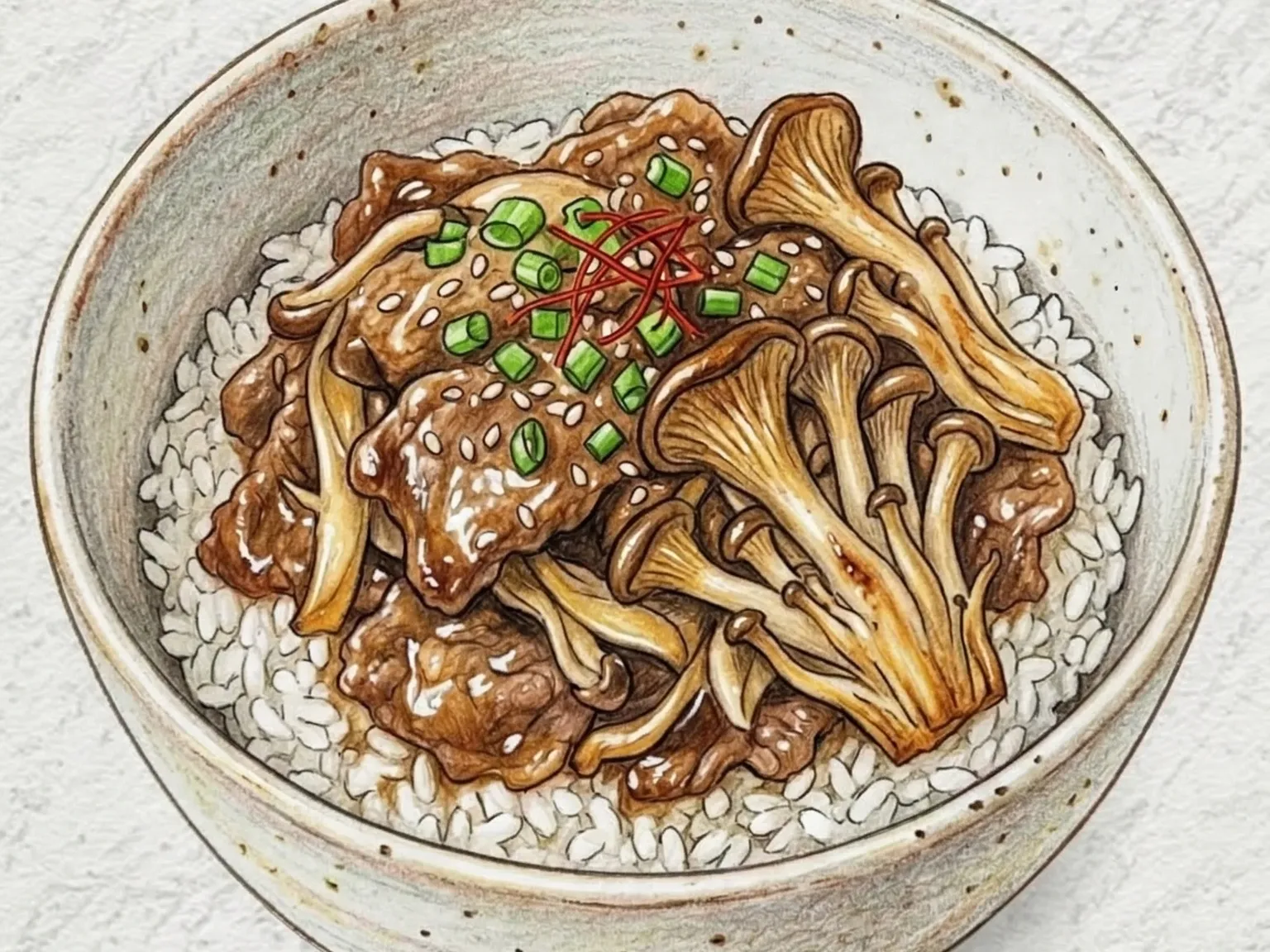
Gangwon-style soy bulgogi marinates thin-sliced beef in a blend of soy sauce, pear juice, sugar, and garlic before stir-frying over high heat. The pear juice tenderizes the meat while lending a gentle fruit sweetness that balances the salty soy base. Shiitake mushrooms and onion cook alongside the beef, absorbing the marinade and building layers of umami. A final toss of diagonally sliced green onion adds a bright, fresh note. This regional take on bulgogi is lighter and cleaner in flavor compared to many other versions.

Korean Garlic-Grilled Skirt Steak
Anchangsal - Korean skirt steak, specifically the inner diaphragm cut - is one of the most prized beef parts in Korean barbecue culture, known for its coarse grain and intense beefy flavor. Each cow yields only a small amount, making it an expensive cut that Korean grill restaurants often list as a premium item. The meat is marinated briefly in soy sauce, sesame oil, minced garlic, and black pepper - heavy marinades would overwhelm the cut's natural character. On a blazing-hot charcoal grill, the thin slices cook in under a minute per side, with fat rendering along the coarse muscle fibers and creating charred, caramelized edges. Whole garlic cloves grill alongside, softening and sweetening as they roast. The combination of chewy, deeply flavored meat and mellow roasted garlic wrapped in a lettuce leaf with ssamjang is one of Korean barbecue's most satisfying bites.

Korean Andong-style Soy Bulgogi
Andong-style bulgogi differs from the Seoul version in one fundamental way: it is not grilled. In Andong - a city in North Gyeongsang Province known for preserving Joseon-era culinary customs - bulgogi is braised in a shallow pan with the marinade and vegetables rather than cooked over open flame. Thinly sliced beef is marinated in soy sauce, sugar, sesame oil, garlic, and pear juice, then layered with glass noodles, onion, scallion, and mushroom in a wide, flat pan. As the liquid simmers down, the sweet soy marinade reduces into a glaze that coats every ingredient. The result is wetter and more intensely seasoned than grilled bulgogi, with the noodles soaking up the concentrated braising liquid. This style appears at Andong's ancestral rite ceremonies and family gatherings, where the dish is served communally from the pan it was cooked in.