Korean Braised Beef Knee Cartilage
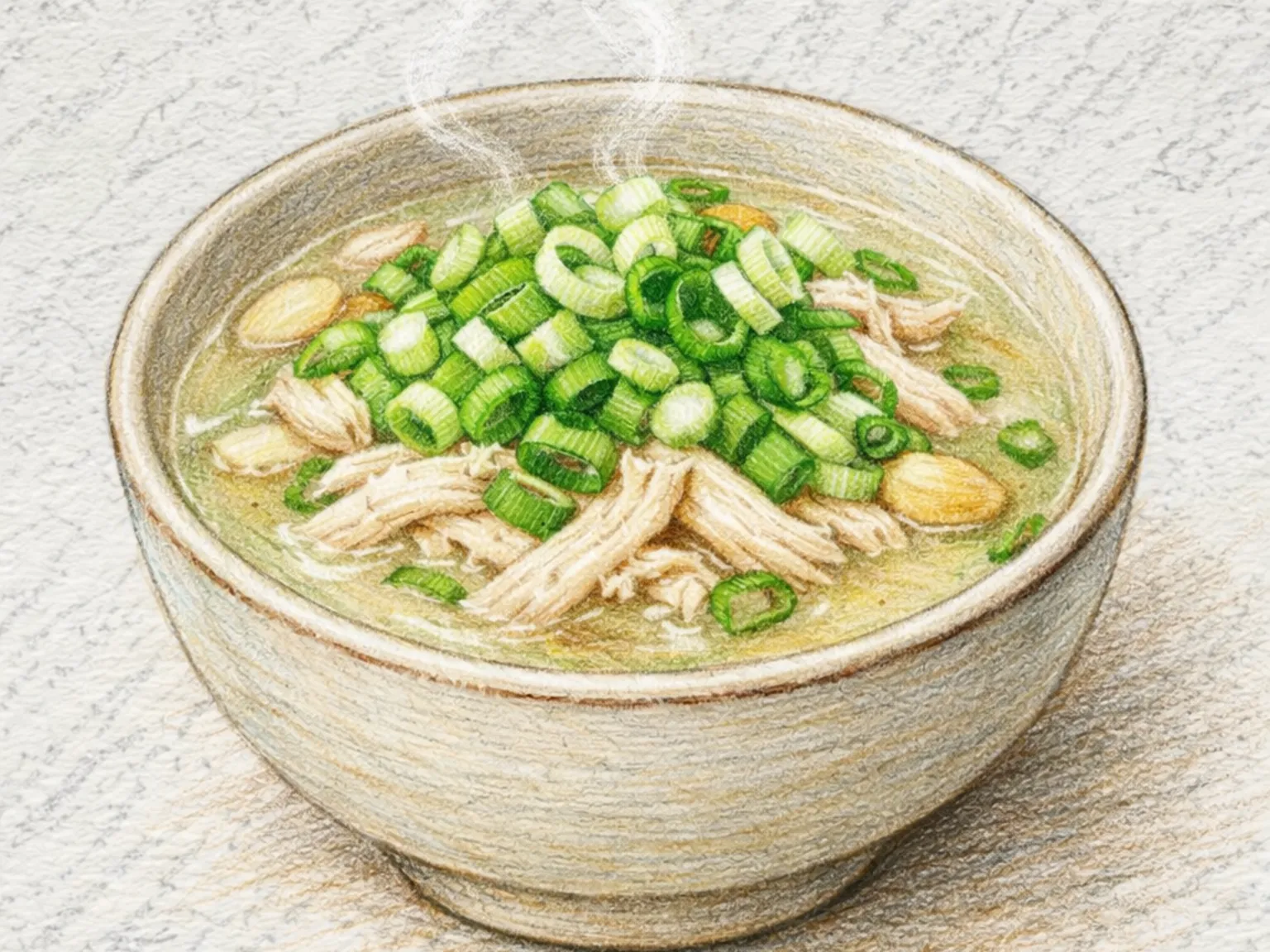
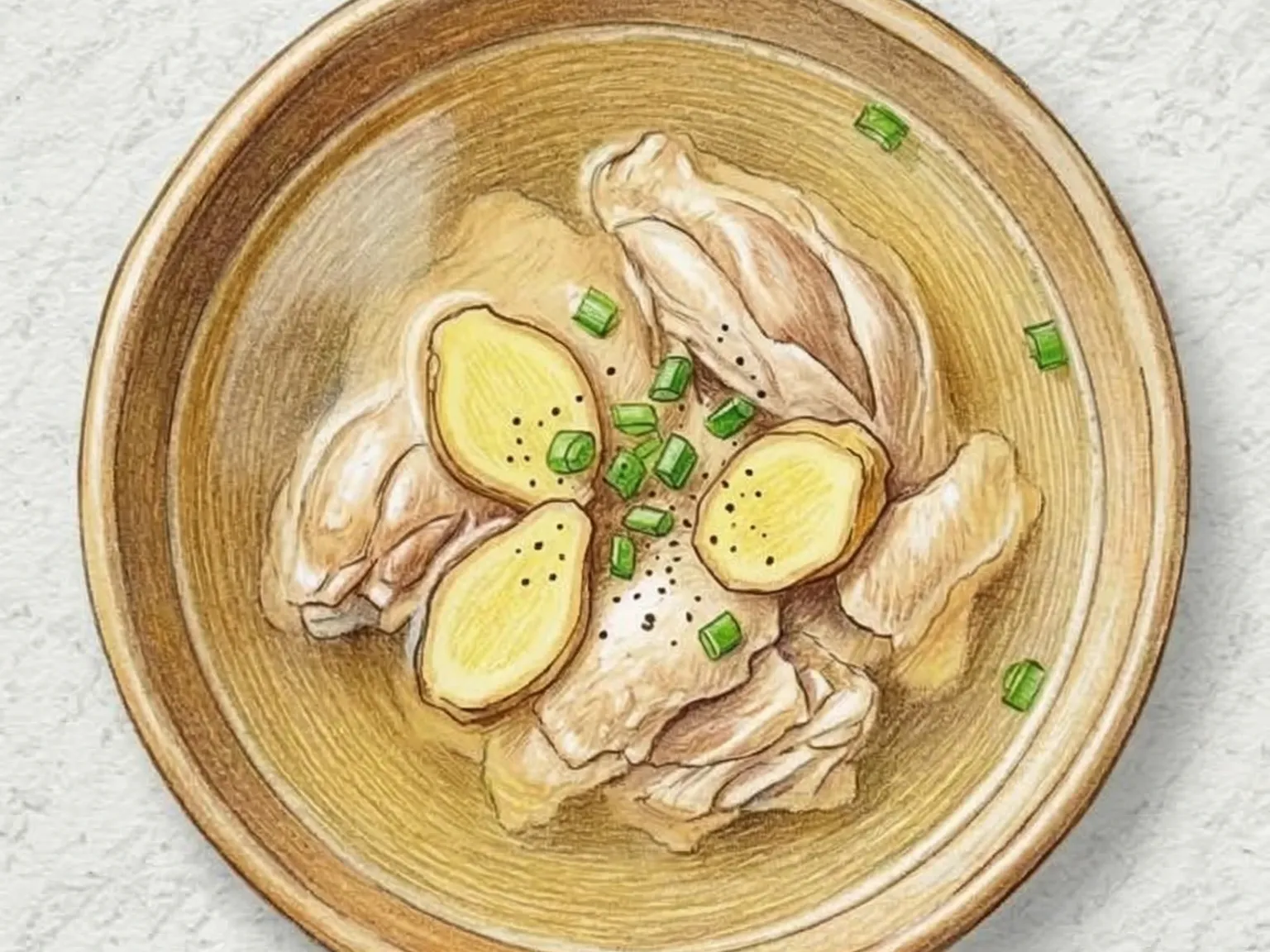
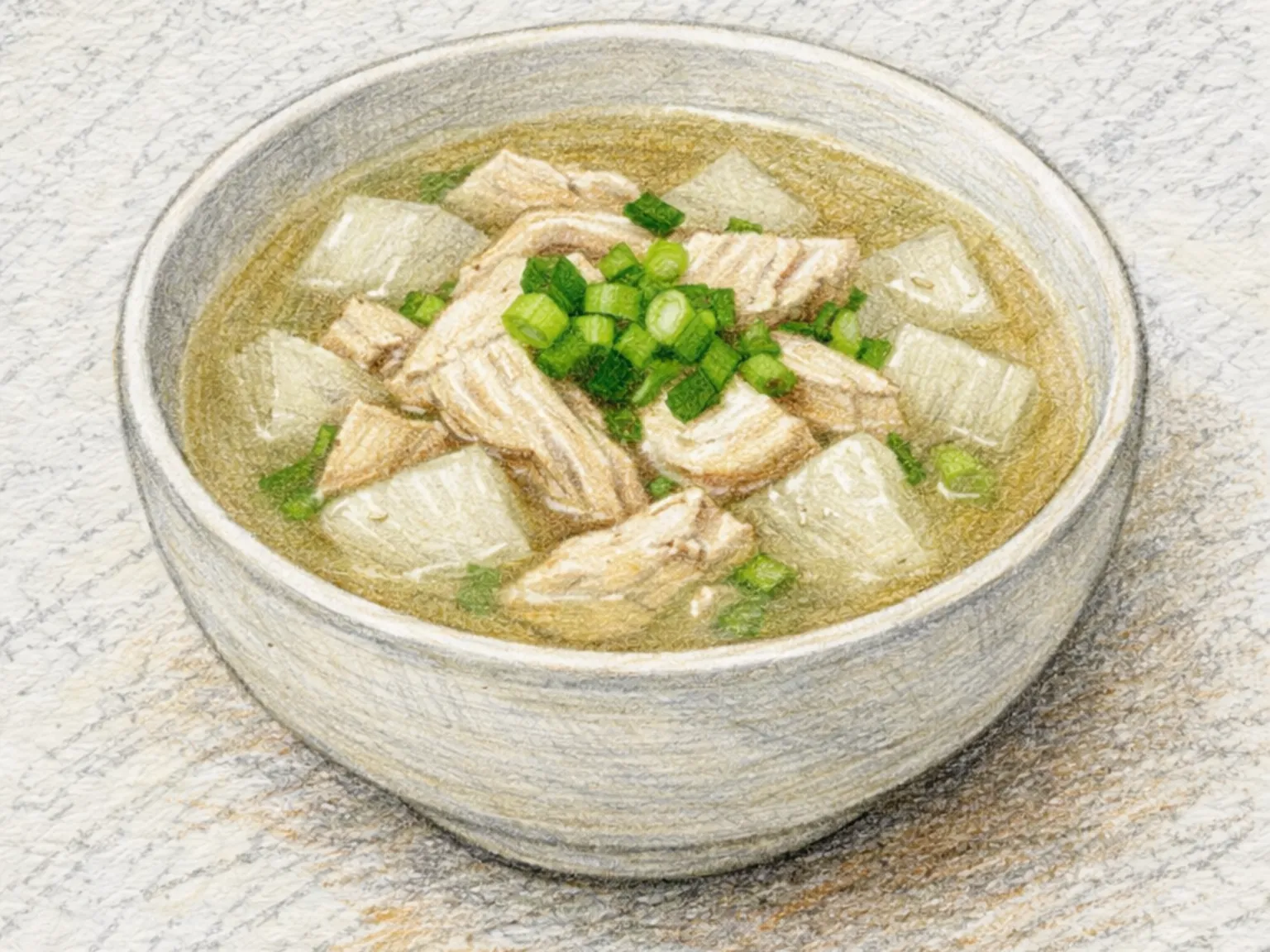
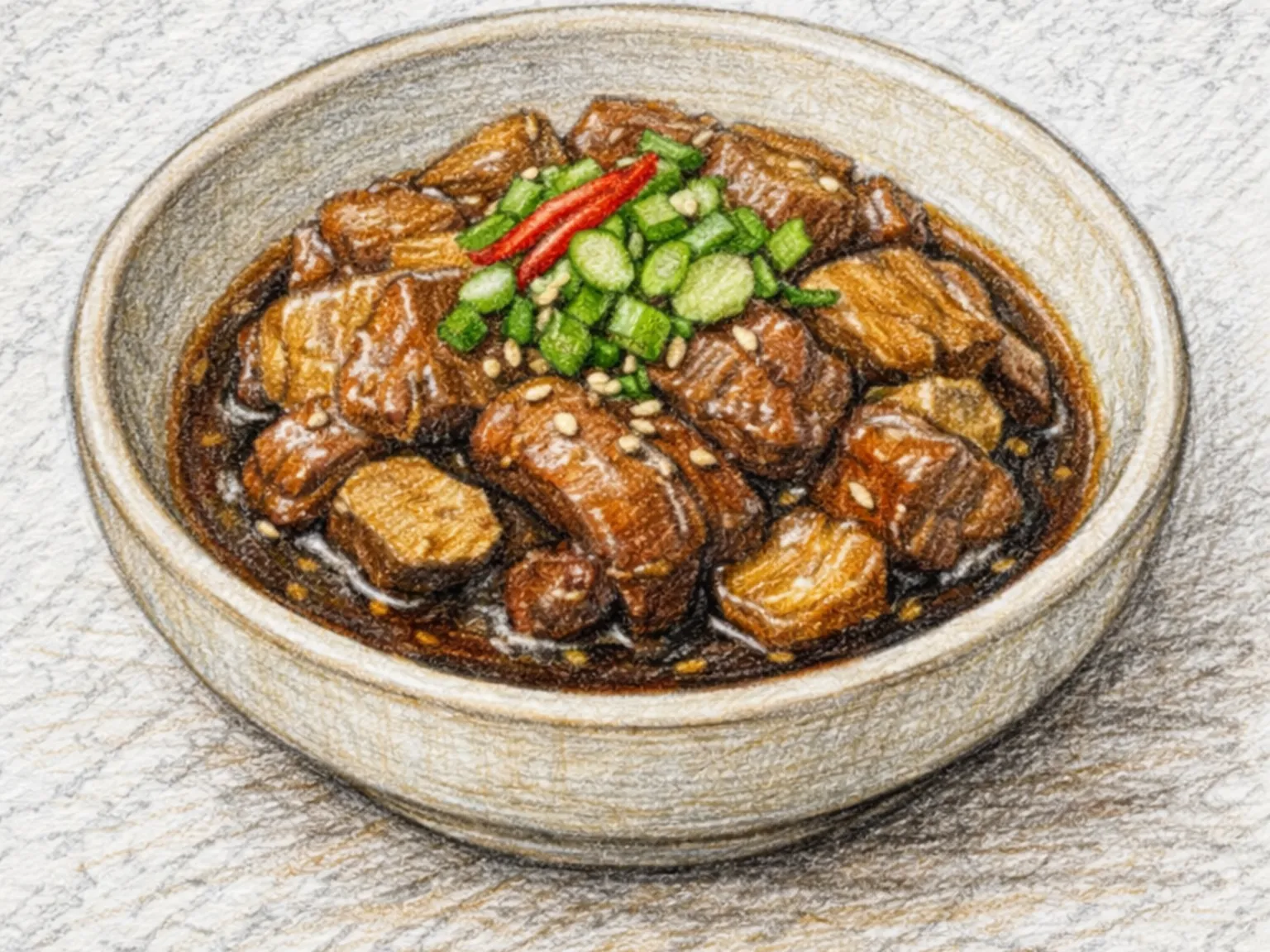
Dogani-jjim is beef knee cartilage slow-braised with soy sauce, cooking wine, garlic, and ginger until the connective tissue turns soft and gelatinous. Hours of simmering dissolve the collagen so the cartilage becomes jiggly and yielding, while the broth grows so rich it sets into a jelly when cooled. Onion and green onion mellow any off-flavors and contribute a quiet sweetness, and ginger cleans up the finish. Traditionally valued as a nourishing food believed to support joint health, it is especially popular among older generations in Korea.
Adjust Servings
Instructions
- 1
Soak cartilage in cold water for 1 hour to remove blood.
- 2
Parboil for 5 minutes and discard the water.
- 3
Simmer with fresh water, green onion, and onion for 70 minutes.
- 4
Add soy sauce, wine, garlic, and ginger, then braise 20 more minutes.
- 5
When the sauce thickens slightly, rest, slice, and serve.
As an Amazon Associate, we may earn from qualifying purchases.
Tips
Nutrition (per serving)
More Recipes

Korean Braised Beef Trotter
Ujok-jjim is Korean braised beef trotter simmered for over two hours with soy sauce, garlic, ginger, and green onion until the collagen-rich joints turn soft and gelatinous. The long, low braise dissolves the connective tissue into the cooking liquid, making it so concentrated that it sets into a firm jelly when cooled. Sugar and soy sauce create a sweet-savory seasoning that penetrates deep into the layered skin and tendons. Traditionally regarded as a nourishing food for joint health, this is a slow-cooked comfort dish especially popular among older generations in Korea.

Korean Braised Oxtail (Soy Collagen Radish Braise)
Kkori-jjim is a Korean braised oxtail dish that begins with a long initial boil to tenderize the joints, followed by a second braise in soy sauce, sugar, and garlic. The collagen in the oxtail joints melts during the extended cooking, thickening the sauce into a glossy, gelatinous consistency while the meat becomes fork-tender. Korean radish and carrot cook alongside the tail pieces, contributing sweetness, while jujubes and ginkgo nuts add an understated elegance. This is a celebratory dish, typically reserved for holidays and special occasions, prized for its deep beef flavor and rich mouthfeel.

Korean Braised Beef Shank
Satae jjim is a Korean braised beef shank dish that requires soaking the meat in cold water to draw out blood, then simmering it with aromatics for over two hours. The extended cook breaks down the shank's tough connective tissue until the beef can be pulled apart along its grain, yielding a satisfying, fork-tender texture. Soy sauce and sugar establish a deeply savory-sweet base, and radish added midway through absorbs the concentrated broth while contributing its own refreshing sweetness as a counterpoint. Chilling the finished braise overnight and reheating it the next day lets the seasoning permeate the meat even further.

Korean Braised Pollock (Frozen Pollock with Radish in Spicy Sauce)
Dongtae-jjim is frozen pollock braised with Korean radish and bean sprouts in a sauce of gochugaru, soy sauce, garlic, and ginger. Using frozen rather than fresh pollock is traditional - the freezing-and-thawing process gives the flesh a firm, slightly spongy texture that holds up well in the spicy broth. Radish soaks up the chili-laced liquid and turns sweet against the heat, while bean sprouts contribute crunch and a clean, refreshing aftertaste. The sauce reduces to a shallow pool at the bottom, meant to be spooned over rice as a wintertime staple.

Korean Ox Knee Cartilage Soup
Dogani-tang is a Korean ox knee cartilage soup simmered for over two and a half hours on low heat, extracting collagen into a broth that appears clear but coats the lips with a rich gelatin film. Soaking the cartilage in cold water for an hour and blanching for ten minutes before the main cook are non-negotiable steps - they draw out blood and impurities that would otherwise cloud the broth and leave an off-taste. The cartilage pieces, once cooked, have a uniquely bouncy, chewy texture that differs from both muscle meat and organ - each bite springs back before yielding. Seasoned with just soup soy sauce, salt, and pepper, the soup relies entirely on the depth built through its extended simmer.

Korean Braised Short Ribs
Galbi-jjim is one of Korea's most celebrated braised dishes, built on thick-cut beef short ribs that simmer for over an hour in a glaze of soy sauce, Asian pear juice, sugar, garlic, and sesame oil. The long cooking breaks down the collagen in the ribs until the meat practically slides off the bone, while the sauce reduces into a dark, glossy coating that is simultaneously sweet, salty, and deeply savory. Radish and carrot chunks absorb the braising liquid and soften into something almost buttery, while chestnuts and jujubes, often added for holidays, contribute subtle sweetness and a festive look. The finished dish glistens on the plate, and a single spoonful of sauce over steamed rice is enough to make the grain disappear. Galbi-jjim appears on Chuseok and Lunar New Year tables but is equally welcome on an ordinary weekend when the house deserves to smell extraordinary.