Korean Meatball Jeon Stew
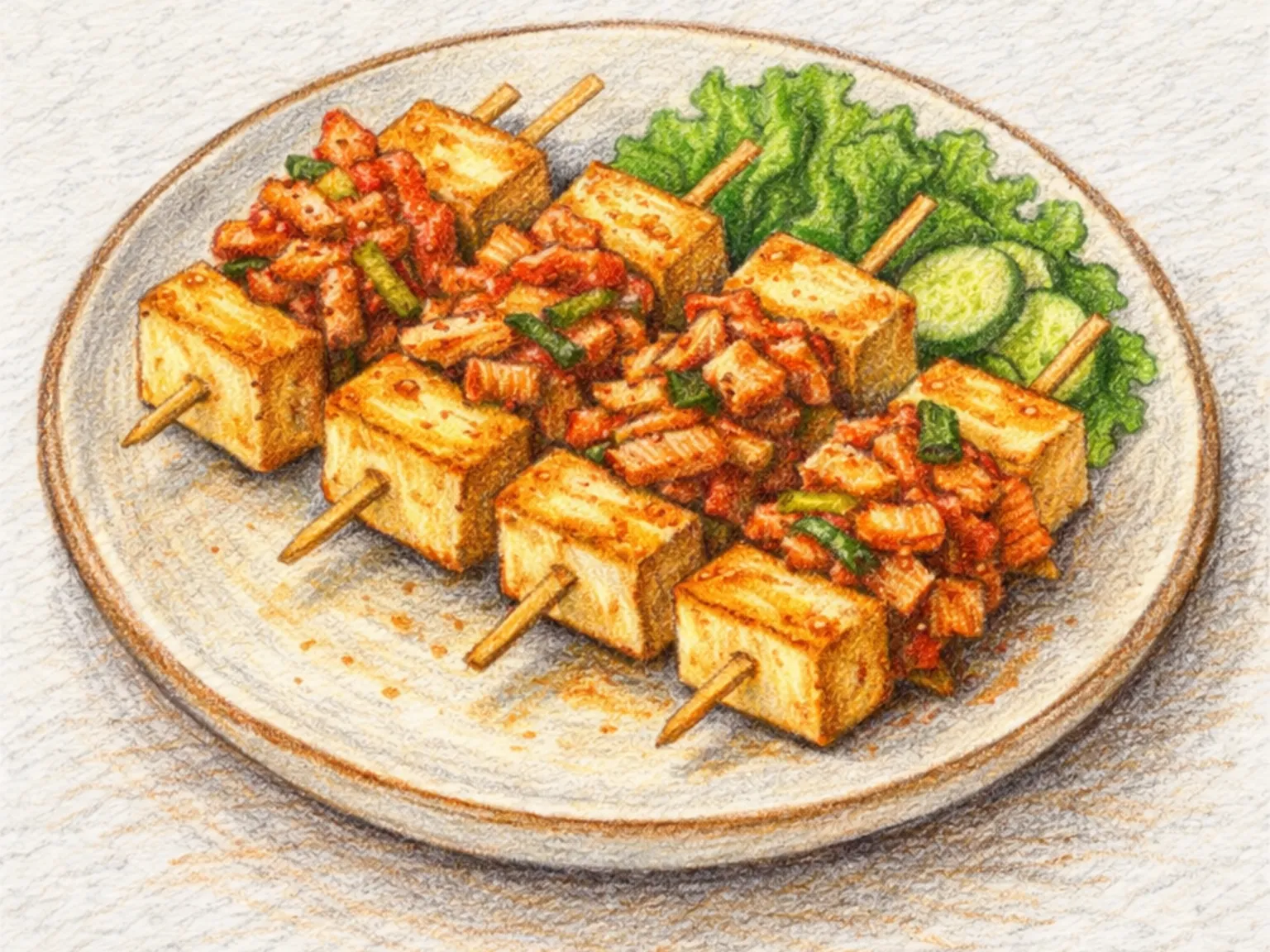
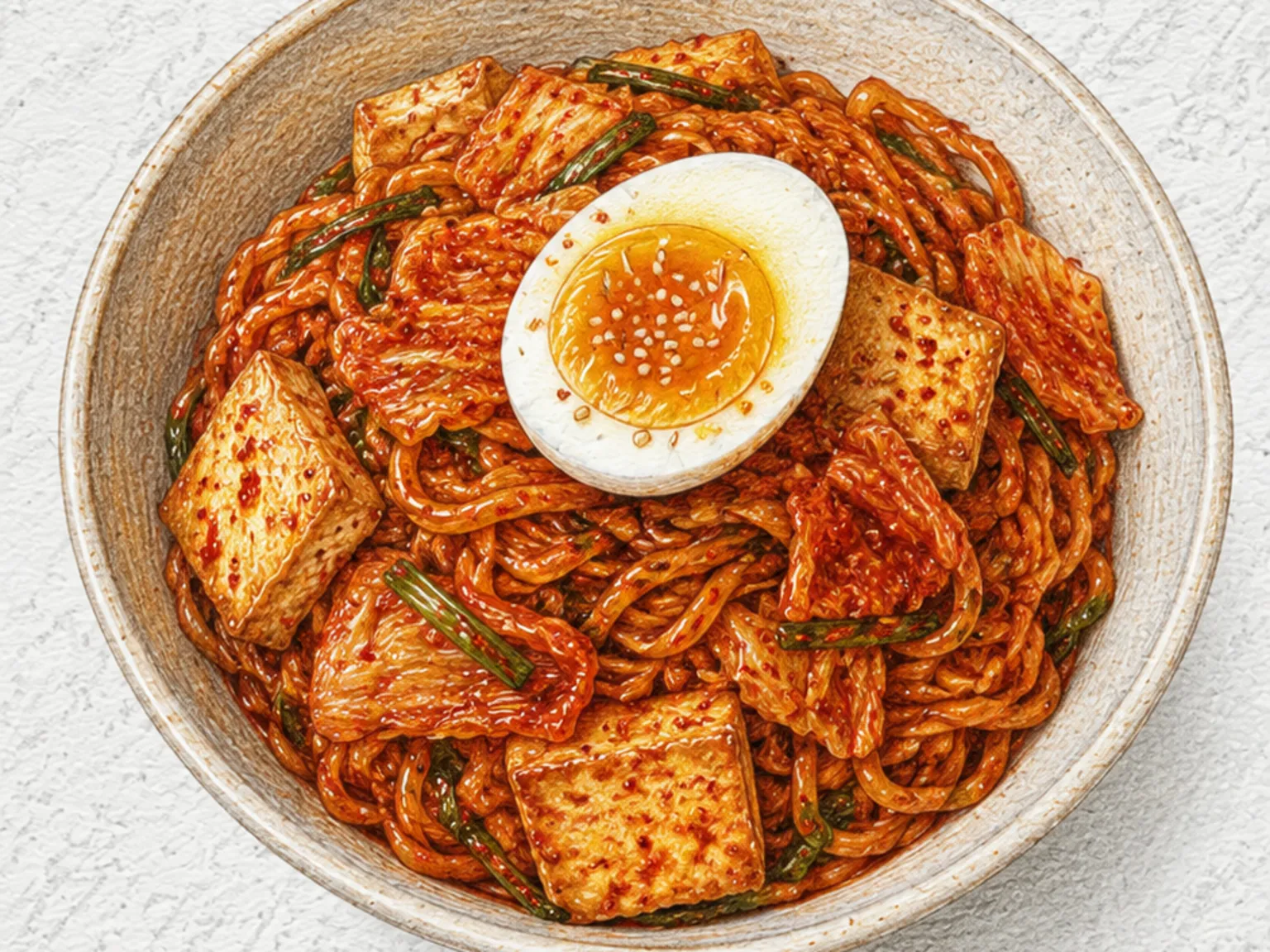
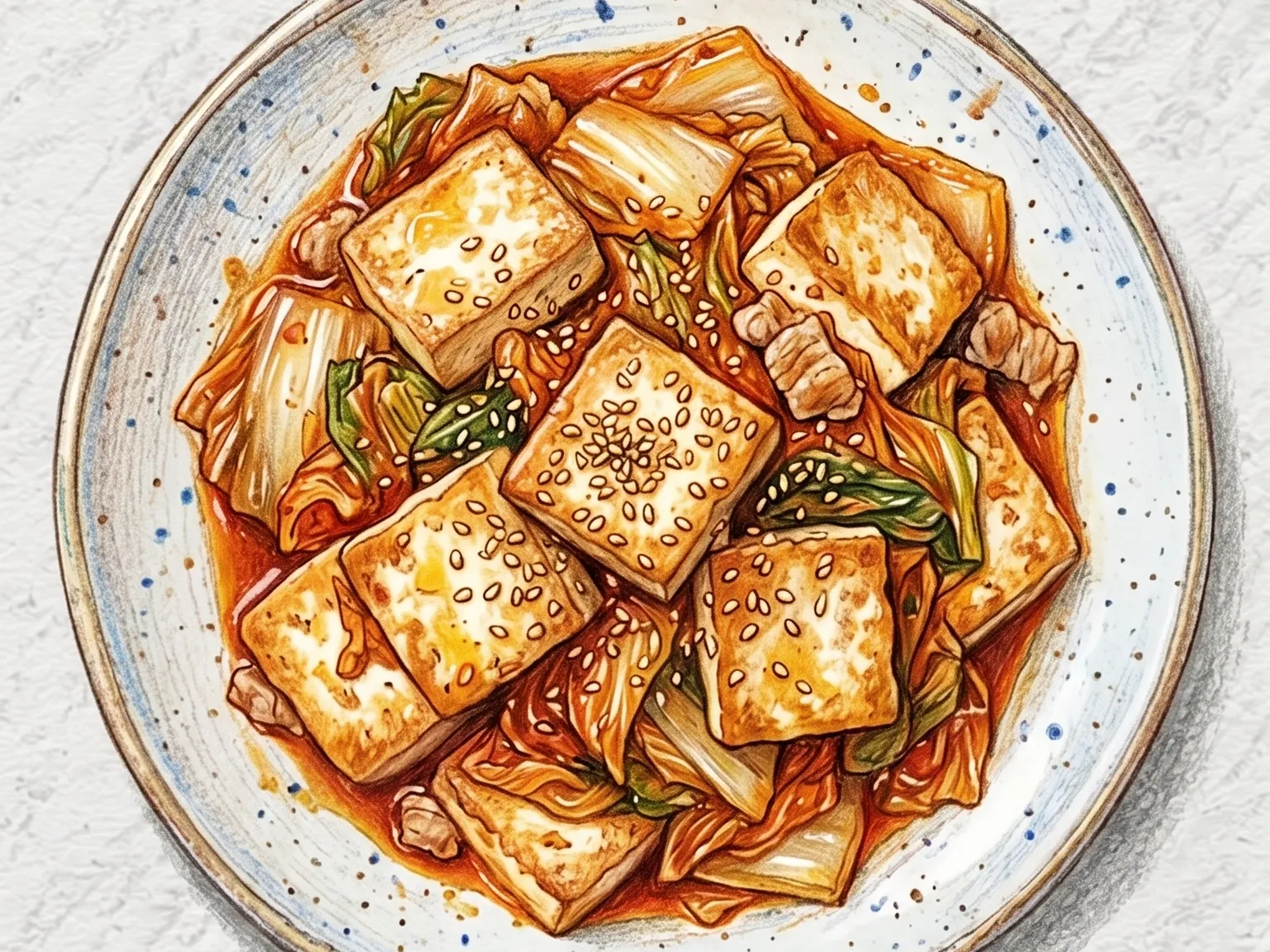
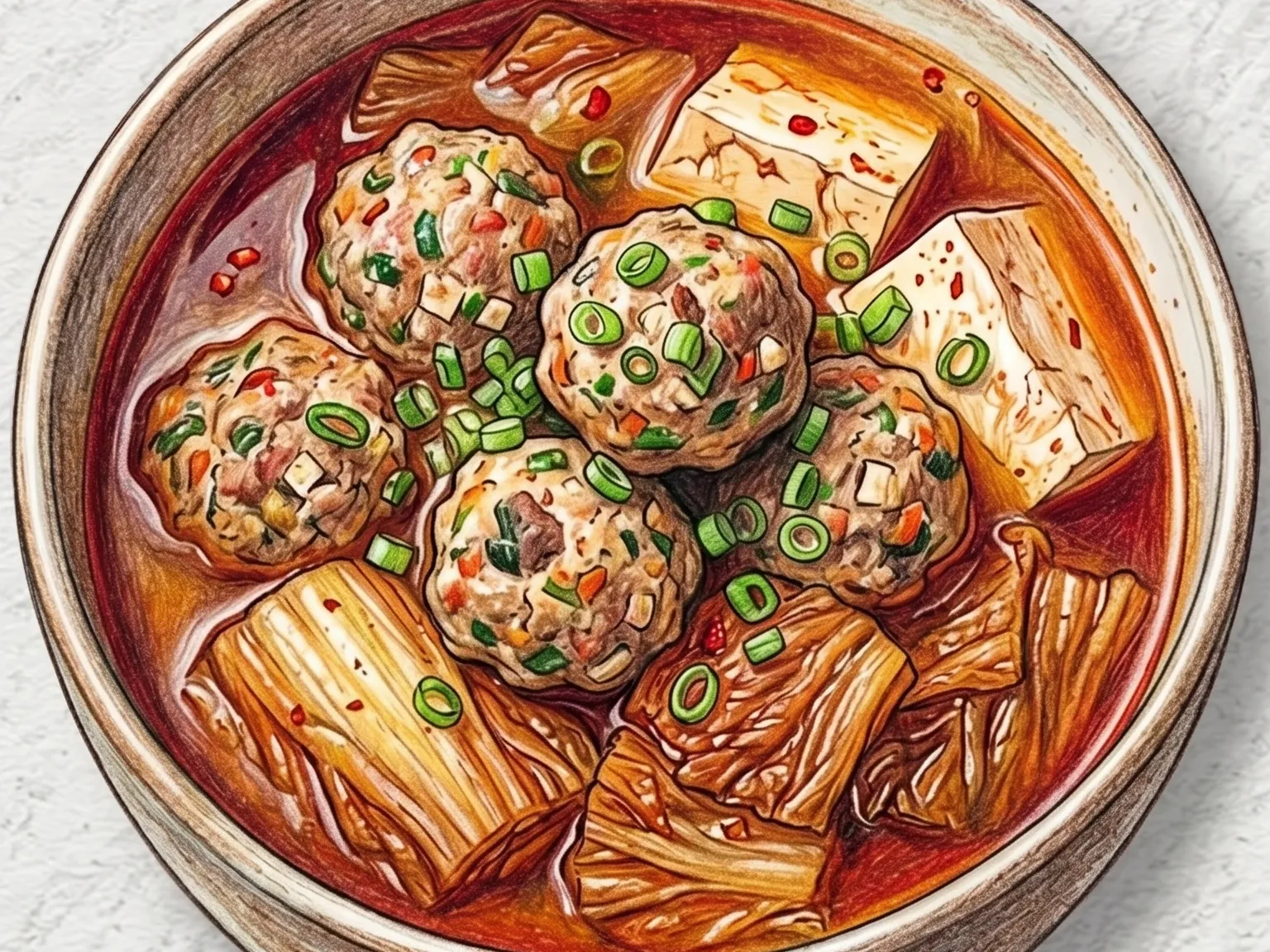
Donggeurang-ttaeng-jjigae is a quick Korean stew that turns pan-fried meat-and-tofu patties and aged kimchi into a deeply flavored broth without requiring a separate stock. The patties are made from ground meat, tofu, and finely chopped vegetables, and as they simmer they steadily release their savory juices into the broth, building flavor from the inside out. Fully fermented kimchi contributes a tangy, sharp acidity that gives the broth a satisfying weight and complexity. Tofu added to the pot absorbs the spiced liquid while softening the overall heat level, and a tablespoon of gochugaru lets you dial the spiciness to preference. The stew is a practical, no-waste solution for leftover patties and comes together in under twenty minutes with minimal effort.
Adjust Servings
Instructions
- 1
Bring water and red pepper flakes to a boil.
- 2
Add kimchi and simmer.
- 3
Add meatball patties and tofu; simmer 5 more minutes.
- 4
Season with salt and serve.
As an Amazon Associate, we may earn from qualifying purchases.
Tips
Nutrition (per serving)
Goes Well With

Korean Lotus Root Rice (Steamed Rice with Crunchy Lotus Root Slices)
Yeongeun-bap is Korean rice cooked together with sliced lotus root, which keeps a distinctive crunch even after steaming. As the lotus root heats, its starch turns slightly sticky on the surface while the core stays firm, giving each bite a layered texture. A simple seasoning sauce of soy sauce and sesame oil is mixed in at the table. The lotus root's natural mild sweetness permeates the entire pot, making this a satisfying one-bowl meal on its own.

Korean Stir-Fried Dried Seaweed
Gim bokkeum is one of Korea's most beloved banchan - dried seaweed crumbled by hand and toasted slowly over low heat in sesame oil until every last trace of moisture cooks off. As the seaweed dries out, its inherent oceanic character concentrates into a deep, nutty savory flavor and the texture becomes satisfyingly crisp rather than papery. A very small amount of soy sauce and sugar is all the seasoning needed to add a gently sweet-salty edge, finished with a scatter of sesame seeds. The technique requires restraint above all: high heat scorches the seaweed instantly, and too much oil turns it greasy and limp. Done correctly, this is one of those banchan that makes plain steamed rice disappear faster than expected, earning it the Korean nickname bap-doduk - rice thief. It keeps well in the refrigerator for over a week and works equally well tucked inside hand-formed rice balls or used as a filling for triangle kimbap.

Korean Water Parsley Soy Pickle
Preparing this dish starts with cutting water parsley stems into 5-centimeter segments and ensuring they are thoroughly dried. The pickling process involves a mixture of soy sauce, rice vinegar, and sugar that is boiled and then completely cooled before being poured over the prepared stems, garlic, and cheongyang chili peppers. As the herbs submerge in the savory liquid, the fresh scent of the water parsley evolves into a complex aromatic profile that is absent in its raw state. Rice vinegar provides a crisp finish to the palate, while the sharp heat from the chili peppers prevents the flavor from becoming flat or one-dimensional. Garlic acts as a stabilizing element for the entire seasoning base. The pickle reaches its optimal state around the second or third day of refrigeration when the initial sharpness of the vinegar mellows out while the stems maintain their firm crunch. Since the texture tends to soften over time, making frequent small batches is a practical approach to enjoy this preserve. This side dish functions well alongside grilled pork belly or other main courses with high fat content by clearing the palate between bites. The remaining brine can be reused for subsequent batches of vegetables, often resulting in a more developed and layered taste than the first round. Adding a small amount of lemon or yuzu juice introduces a citrus scent that complements the natural herbal characteristics of the water parsley.

Korean Shiitake Tofu Pancake
Shiitake-tofu jeon is a savory Korean pancake made by finely chopping fresh shiitake mushrooms and firm tofu, then mixing them into a batter of pancake mix, egg, and a touch of sesame oil before pan-frying. The shiitakes contribute a meaty chew and pronounced umami depth, while the tofu lightens the texture and keeps the interior moist. Carrot and chives are added for color contrast and a fresh, slightly pungent bite. The egg binds everything together, and the sesame oil in the batter gives a nutty fragrance. Cooked uncovered over medium-low heat until both sides are golden, the exterior crisps up while the inside stays tender. When using dried shiitakes, soaking them in water first is worthwhile because the soaking liquid can be reserved for use in soups or braising liquid. Served with a dipping sauce of soy sauce and vinegar, the salty acidity sharpens the overall savory flavor.
More Recipes

Korean Potato Stew (Pork & Potato Spicy Gochujang Pot)
Gamja-jjigae is a straightforward Korean stew of potatoes and pork seasoned with gochujang and gochugaru. The potatoes are added in large pieces and cooked until completely soft, releasing starch into the broth as they break down and giving the liquid a naturally thick, hearty consistency without any thickening agent. Pork provides a mild, clean meatiness that anchors the stew without overwhelming it, while the gochujang contributes a fermented depth and slight sweetness and the gochugaru adds a sharper, drier heat. The seasoning builds gradually as the ingredients cook together, and by the time the potatoes are done the broth has absorbed the flavors from both the meat and the chili paste. With a short ingredient list and no complex steps, this is a reliable home-style stew that comes together quickly.

Korean Eel Stew (Freshwater Eel in Spicy Perilla Broth)
Jangeo jjigae is a nourishing Korean stew featuring freshwater eel simmered in a gochujang-based broth enriched with ground perilla seeds. The eel's fatty, firm flesh melds with the fermented chili paste to produce an intensely savory liquid, while the perilla adds a creamy, nutty body that gives the finished stew a thick, substantial texture. Gochugaru layers an additional level of heat on top of the gochujang's deep sweetness, so the spice builds in complexity across each spoonful rather than hitting at one flat register. Cooking the eel with the bones left in extracts collagen into the broth and deepens the overall richness, while boneless pieces are easier to eat. Garlic and ginger are added in generous amounts to counter the eel's strong aroma, and the perilla powder is stirred in only at the very end of cooking so its nutty fragrance is preserved rather than cooked off. Traditionally regarded as a stamina food, the stew is especially popular on the three hottest days of the Korean lunar calendar - sambok - and throughout the summer months when the body loses energy to the heat. A bowl served piping hot produces a spreading warmth from the inside out.

Korean Crab Doenjang Stew
Gejang-jjigae is a Korean stew made by simmering a whole blue crab in an anchovy broth base seasoned with doenjang, the fermented soybean paste. The crab shell and meat release a concentrated seafood stock as they cook, and that liquid merges with the doenjang to create a broth that is simultaneously briny, earthy, and deeply savory. Using anchovy broth as the foundation amplifies the oceanic notes rather than diluting them, so both the doenjang umami and the crab sweetness come through at the same time. Tofu and zucchini absorb the rich cooking liquid throughout the simmering process, becoming flavorful in their own right rather than acting merely as filler. The tofu in particular pulls in the solids that settle from the fermented paste, softening into a silky texture that contrasts with the firmer crab meat. Picking the sweet crab meat out of the shell with chopsticks is one of the characteristic pleasures of eating this stew, and the contrast between the naturally sweet crab flesh and the bold, fermented broth gives each mouthful a satisfying complexity.

Korean Dried Pollack Stew
Hwangtae jjigae is a straightforward Korean stew built on dried pollack strips, tofu, and eggs, with a broth that tastes far deeper than its short ingredient list suggests. Sauteing the pollack strips in sesame oil before any liquid is added draws out a roasted, nutty aroma that becomes the flavor backbone of the entire pot. Water poured over the toasted fish produces a broth that is simultaneously clear and richly savory, a character specific to hwangtae that fresh fish cannot replicate. Soft tofu cut into cubes settles into the broth and contributes a delicate texture alongside its protein, while beaten eggs stirred in during the final minutes form silky, fine-grained ribbons throughout the liquid. The minimal ingredient list makes this stew genuinely practical when pantry and refrigerator supplies are running low.

Gamjaguk (Potato Doenjang Anchovy Soup)
Gamjaguk is a clear, mild Korean soup built on a foundation of anchovy stock with potatoes as the main ingredient, seasoned with either doenjang or plain salt. As the potatoes cook through, they release starch gradually into the broth, giving it a subtle body that makes each spoonful feel substantial without turning the liquid cloudy. When doenjang is used, the fermented paste contributes a layered, earthy savoriness that wraps around the gentle sweetness of the potato. Seasoning with salt alone lets the potato's natural, unadorned flavor stand at the center without competition. Garlic and green onion are added as the aromatic base, providing a mild, savory fragrance that keeps the broth from tasting flat. A handful of zucchini slices added midway through cooking introduces a soft, yielding texture and a touch of pale green color. The potatoes need to be pulled from heat at the point when a chopstick slides through without resistance, because overcooking breaks them apart and muddies the broth. With only a few ingredients required, this soup comes together quickly even when the refrigerator is nearly empty, which is part of why it appears on Korean tables more consistently than almost any other soup.

Korean Mallow Soup (Joseon-Era Doenjang Mallow Soup)
Auk-guk - mallow doenjang soup - has been part of Korean home cooking since the Joseon era, when auk (mallow) was among the most commonly grown leafy greens in household kitchen gardens. An anchovy-kelp stock provides the base, and doenjang is pushed through a sieve directly into the simmering liquid so it dissolves without lumps. Garlic contributes a quiet, pungent undercurrent beneath the fermented paste. Mallow leaves, torn roughly by hand, wilt into the broth in under a minute. What separates auk-guk from other doenjang-guks is textural: the mallow's natural mucilage thickens the soup slightly and gives it a slippery, almost coating quality on the tongue, unlike the clean, transparent broth of spinach or radish versions. Korean folk tradition holds that nursing mothers ate auk-guk to support milk production, a belief that reflects how deeply the plant was embedded in everyday domestic life. The soup reaches its best in early summer when fresh mallow leaves are at their most tender.