Korean Spicy Pollock Stew
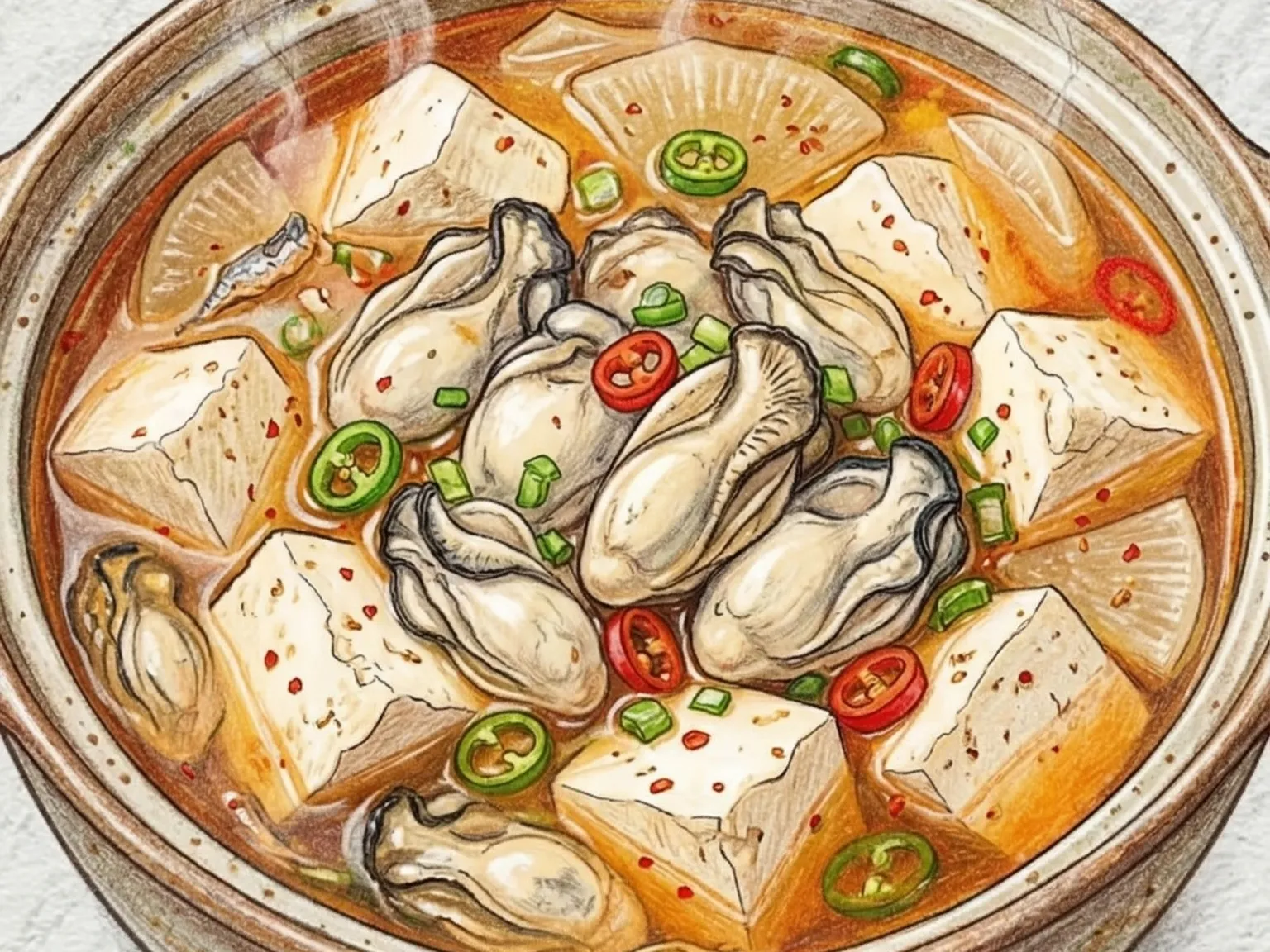
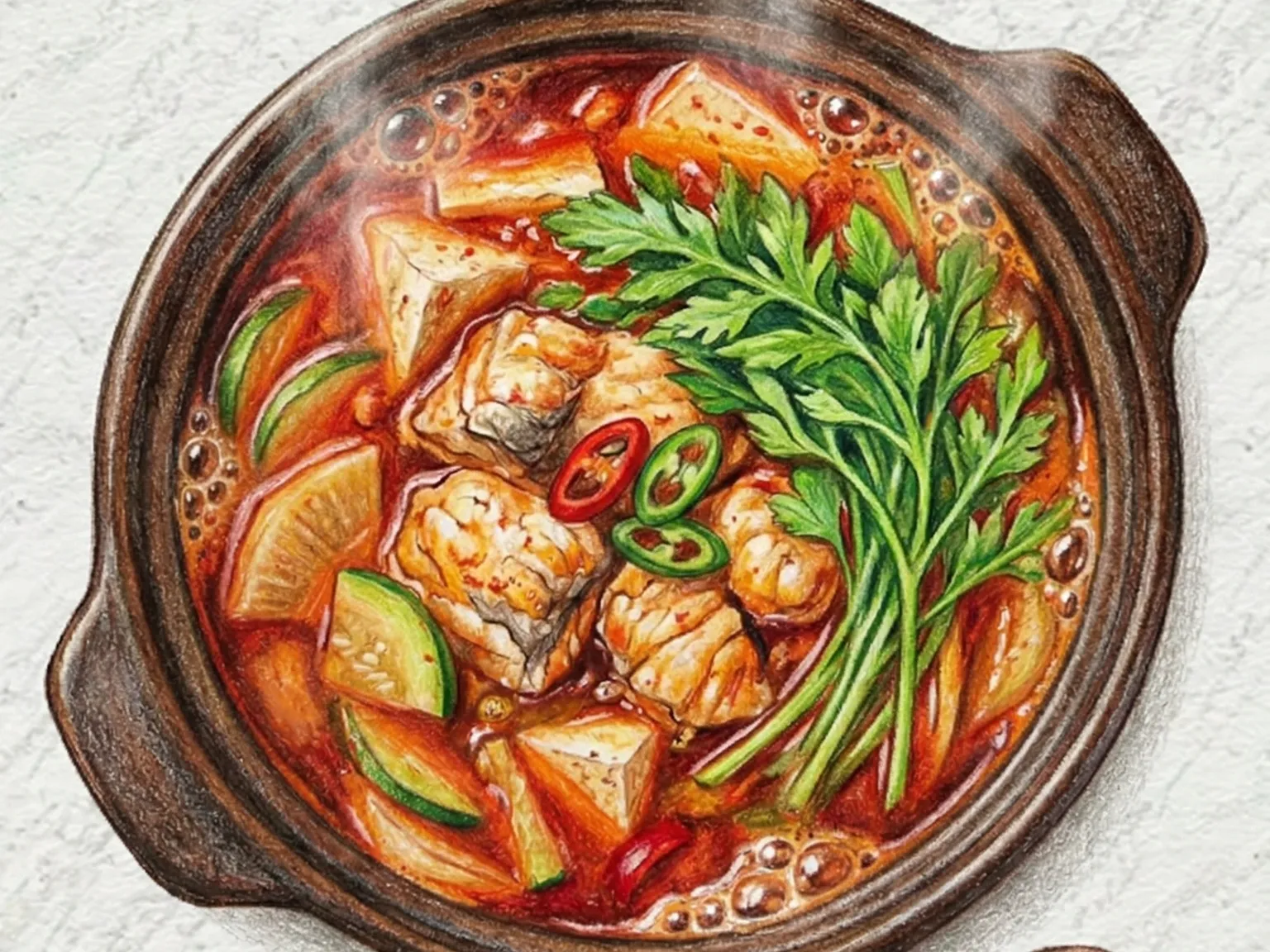
Dongtae-tang is a Korean spicy pollock stew made with frozen pollock, radish, tofu, and green onion in a gochugaru-laced broth. Radish is simmered first for ten minutes to establish a sweet, clean base, then chili flakes, soup soy sauce, and garlic transform the liquid into a vivid red, peppery stock. The pollock must be cut into large pieces after thawing and cooked for no more than ten minutes - overcooking draws a bitter, fishy taste from the bones and causes the flesh to disintegrate. Tofu and cheongyang chili added in the final five minutes absorb the spicy broth, softening its intensity while the chili seeds add sharp bursts of heat.
Adjust Servings
Instructions
- 1
Thaw pollock, rinse well, and trim fins.
- 2
Boil water with radish for 10 minutes to build a clean base.
- 3
Add gochugaru, soup soy sauce, and garlic to season the broth.
- 4
Add pollock and boil for 10 minutes, skimming foam.
- 5
Add tofu, green onion, and chili; simmer 5 more minutes.
As an Amazon Associate, we may earn from qualifying purchases.
Tips
Nutrition (per serving)
More Recipes

Maeuntang (Spicy White Fish Radish Stew)
Maeuntang is a spicy Korean fish soup that uses white-fleshed fish such as cod or frozen pollock as its centerpiece. The fish is salted for ten minutes beforehand to firm the flesh and draw out impurities, while radish simmers in water to create a clean, sweet base. Gochujang, gochugaru, soup soy sauce, and garlic are stirred into the broth, and the fish and tofu are added together and cooked for ten minutes without flipping, using ladled broth to cook the top side evenly. Zucchini, green onion, and cheongyang chili are added in the final three minutes for color and crunch.

Korean Monkfish Soup (Spicy Southern Coastal Fish Broth)
Agwi-tang is the soup version of Korea's monkfish preparations, originating from the fishing villages along the southern coast where monkfish - called agwi or agu depending on dialect - is landed fresh. Unlike braised or stir-fried monkfish dishes, the tang form prioritizes a clear, brothy base built on anchovy stock. Radish simmers first for eight minutes, sweetening the liquid before the monkfish enters. The fish cooks gently at medium heat, its collagen dissolving into the broth and giving it body. Bean sprouts go in last, contributing a clean crunch that contrasts the soft fish flesh. A final addition of sliced green onion and a punch of gochugaru turns the broth a hazy red. This is hangover food in Korea's coastal towns - hot, spicy, and restorative, traditionally served steaming at dawn markets.

Korean Pacific Codlet Soup
Mulmegi-tang is a winter-only Korean fish soup made with the Pacific sailfin sandfish, a gelatinous deep-water species harvested along the East Sea coast from December through February. The fish has extraordinarily soft flesh that almost dissolves into the broth during cooking, releasing natural gelatin that gives the liquid a silky, slightly sticky body unlike any other Korean soup. Bean sprouts go in for crunch and a clean vegetal note, while water dropwort neutralizes any fishiness and adds its signature herbal fragrance. The soup is traditionally prepared without any fermented pastes - just salt, garlic, and green onion - so that the pure, mild flavor of the fish remains the centerpiece. Locals in Gangwon-do and the northern Gyeongsang coast consider this the finest hangover remedy of the cold months, served steaming in earthenware pots at seaside restaurants. The broth cools into a jelly-like consistency if left at room temperature, which is a testament to how much collagen the fish contributes. Mulmegi-tang is one of those seasonal dishes that Koreans travel to the coast specifically to eat, and its short availability window makes it all the more anticipated each year.

Korean Rockfish Soup (Whole Rockfish in Spicy Radish Broth)
Ureok-tang is a Korean rockfish soup that uses the entire fish, bones and all, to produce a broth with real body. Radish is boiled first to sweeten the water, then red pepper flakes, garlic, and soup soy sauce season the liquid before the fish and tofu go in for fifteen minutes of simmering. Water parsley is tossed in just before serving, adding a fresh herbal note that balances the spicy, ocean-flavored broth. The rockfish's many small bones require careful eating, but they are also what give the soup its distinctive depth.

Korean Spicy Fish Roe Stew
Altang is a Korean stew built around pollock roe - the egg sacs prized in Korean coastal cooking for their briny, concentrated marine flavor. The dish has long been associated with Korea's east coast fishing towns, where fresh roe is available during winter spawning season and needs to be used quickly. Anchovy-kelp stock simmers first with radish to establish a clean, sweet base before the roe and tofu go in. The roe sacs release their eggs into the broth as they cook, turning the liquid cloudy and giving it a rich, oceanic body. Gochugaru and doenjang season the stew with a spicy-fermented edge that cuts through the fishiness. Crown daisy greens - ssukgat - are dropped in at the last moment, contributing a sharp, herbaceous perfume. A popular hangover remedy in Korean drinking culture, altang is often ordered steaming hot at the end of a long evening.

Korean Frozen Pollack Stew
Dongtae jjigae is a spicy Korean stew built around frozen pollack, which breaks into flaky, delicate pieces as it simmers. Korean radish provides a clean, sweet undertone to the broth, while tofu and zucchini round out each bowl. The seasoning combines gochugaru with a spoonful of doenjang for a broth that is simultaneously spicy, salty, and deeply savory. Green onions and Cheongyang chilies cut through any fishiness, leaving a clear, warming heat.