Tonkatsu Korean Style (Panko-Breaded Pork Cutlet with Sweet Sauce)

Tonkatsu Korean Style (Panko-Breaded Pork Cutlet with Sweet Sauce)

Quick answer

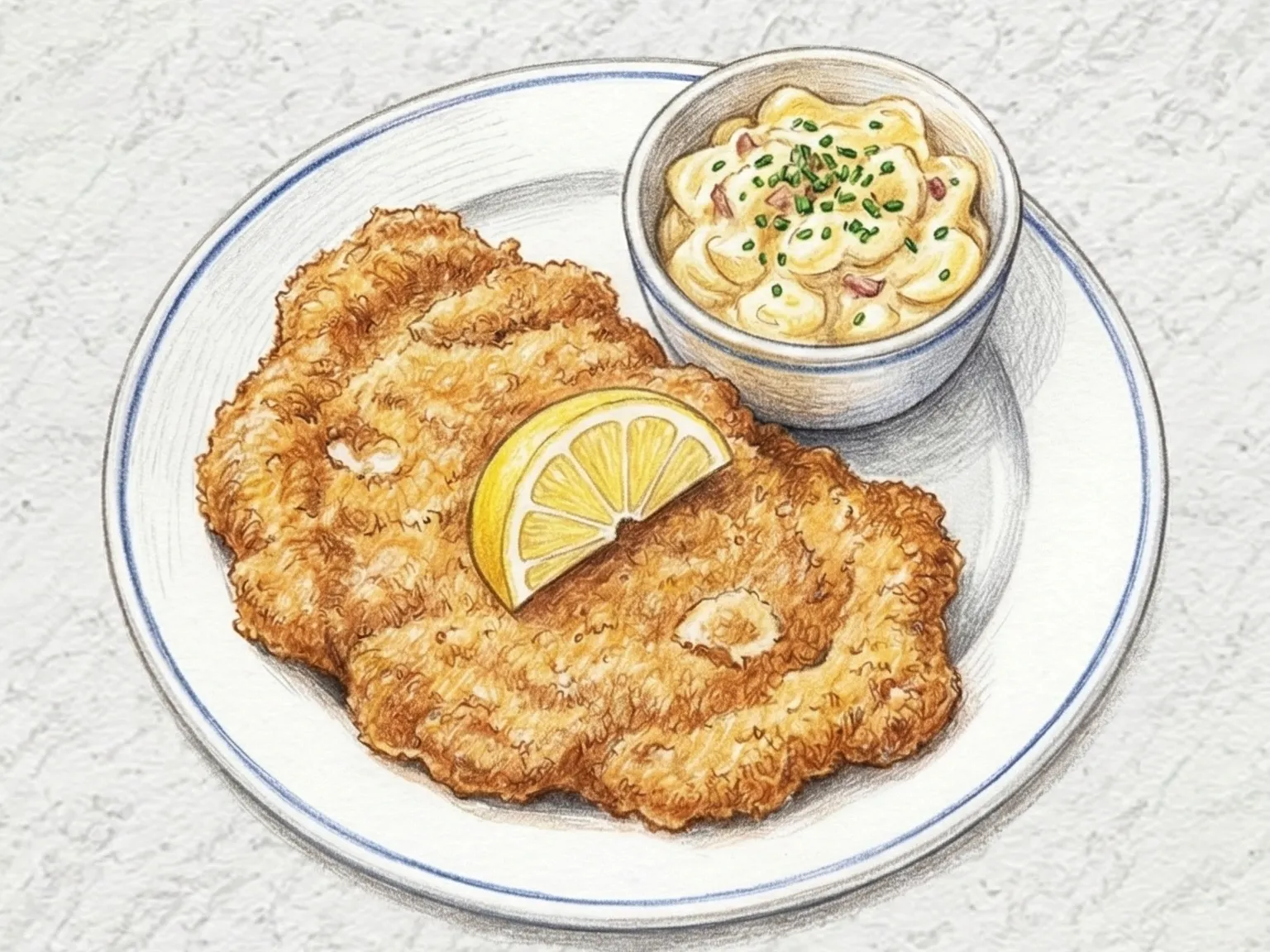
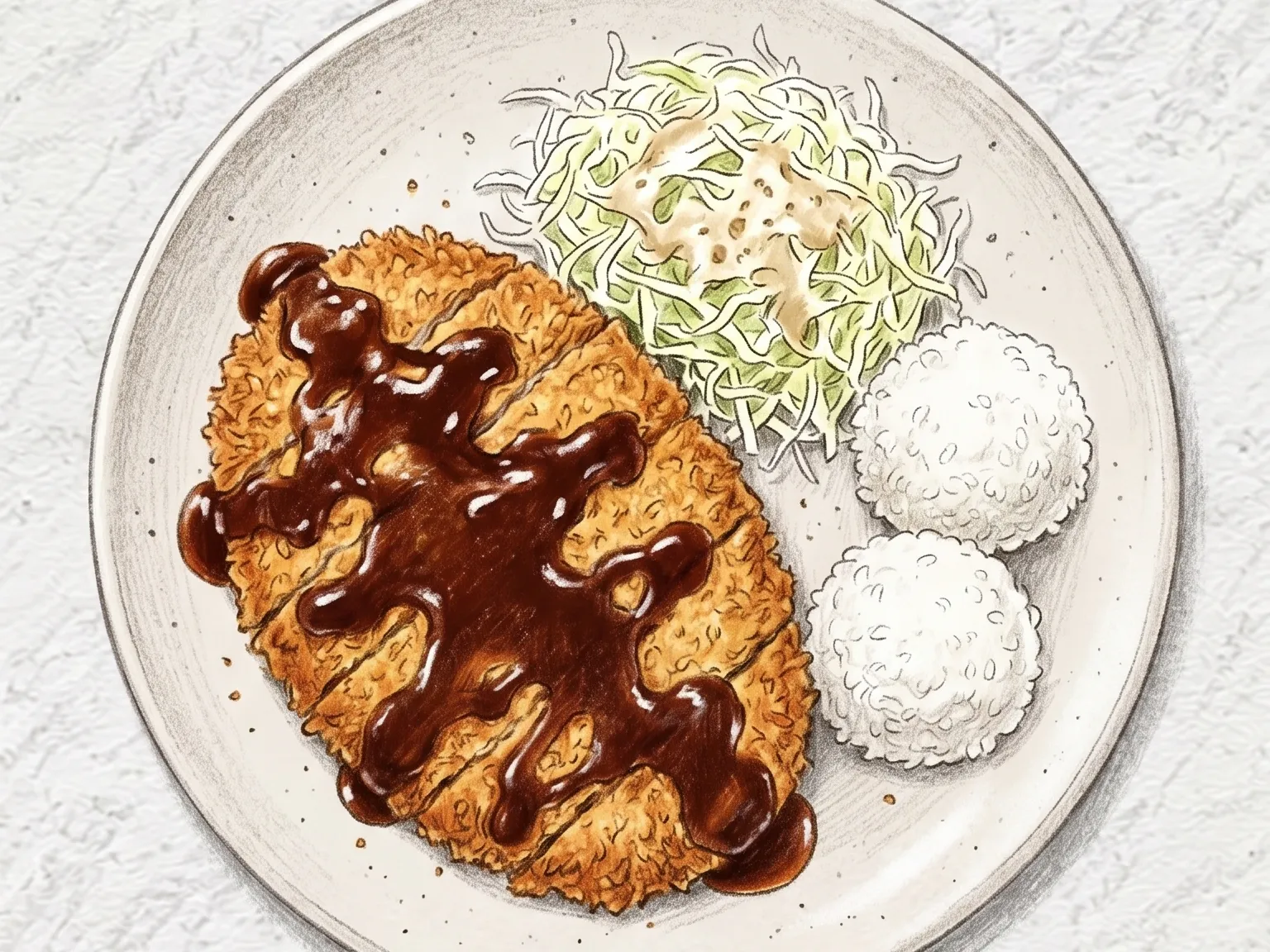
Donkatsu is Korean-style breaded pork cutlet, made by dredging pork loin through flour, egg, and panko breadcrumbs in sequence before deep-frying in hot oil.

What makes this special

  • Pounded pork loin is dredged in panko and fried for a uniform golden crust in this Korean tonkatsu.
  • Pounded to even thickness so heat reaches the center uniformly
  • Ketchup-Worcestershire-sugar sauce sweeter than Japanese katsu
Total time
35 min
Level
Easy
Servings
2 servings
Ingredients
7
Calories
520 kcal
Protein
28 g

Key ingredients

pork loinfloureggpanko breadcrumbscooking oil

Core cooking flow

  1. 1 Shred 100g cabbage as finely as possible and soak it in cold water for 5 minutes.
  2. 2 Pound 300g pork loin with the back of a knife or a meat mallet until it is an even 1.5cm thick.
  3. 3 Set 60g flour, 1 beaten egg, and 100g panko in separate wide dishes.

Donkatsu is Korean-style breaded pork cutlet, made by dredging pork loin through flour, egg, and panko breadcrumbs in sequence before deep-frying in hot oil. Pounding the loin with a meat mallet to an even thickness ensures uniform heat transfer so the interior cooks through while staying moist, and the panko shell turns golden and audibly crunchy. Korean donkatsu sauce blends ketchup, Worcestershire sauce, and sugar into a sweet-salty condiment that is noticeably sweeter than Japanese tonkatsu's demi-glace-based sauce. Shredded raw cabbage served alongside provides a crisp, refreshing contrast to the fried cutlet and cuts through the richness. In Korean bunsik restaurants, donkatsu typically arrives as a set with rice and soup.

Prep 20min Cook 15min 2 servings
Recipes by ingredient → flour egg cabbage

Instructions

Read the steps as a cooking flow: prep, heat, seasoning, doneness control, and finish.

6 steps
  1. 1
    Season

    Shred 100g cabbage as finely as possible and soak it in cold water for 5 minutes.

    Drain it well before frying starts, so water does not dilute the sauce or soften the crisp cutlet later.

  2. 2
    Season

    Pound 300g pork loin with the back of a knife or a meat mallet until it is an even 1.5cm thick.

    Flatten thicker spots first, then season both sides with salt and pepper.

  3. 3
    Step

    Set 60g flour, 1 beaten egg, and 100g panko in separate wide dishes.

    Coat the pork lightly in flour, shake off excess, then dip in egg and press firmly into panko so the crust stays attached.

  4. 4
    Heat

    Heat 800ml oil to 170C and lower in the cutlet carefully.

    Keep the heat at medium and fry for 3 to 4 minutes, then remove it when the coating turns pale golden and rest for 1 minute.

  5. 5
    Heat

    Raise the oil to 180C and fry the cutlet again for just 1 minute.

    Remove it as soon as the crust deepens to golden brown, then drain well so trapped oil does not make it soggy.

  6. 6
    Finish

    Slice the donkatsu diagonally and place it over the drained cabbage.

    Drizzle 4 teaspoons tonkatsu sauce evenly over the top, then serve right away while the breading is still crisp.

After the steps

Pick a recipe that fits this dish.

Continue with shared ingredients, meal pairings, or a similar method.

Recipes That Go Well With This

More Street food →

Based on shared ingredients and meal pairing

Pork Cutlet Sandwich
Shared ingredient: flour Street food

Pork Cutlet Sandwich

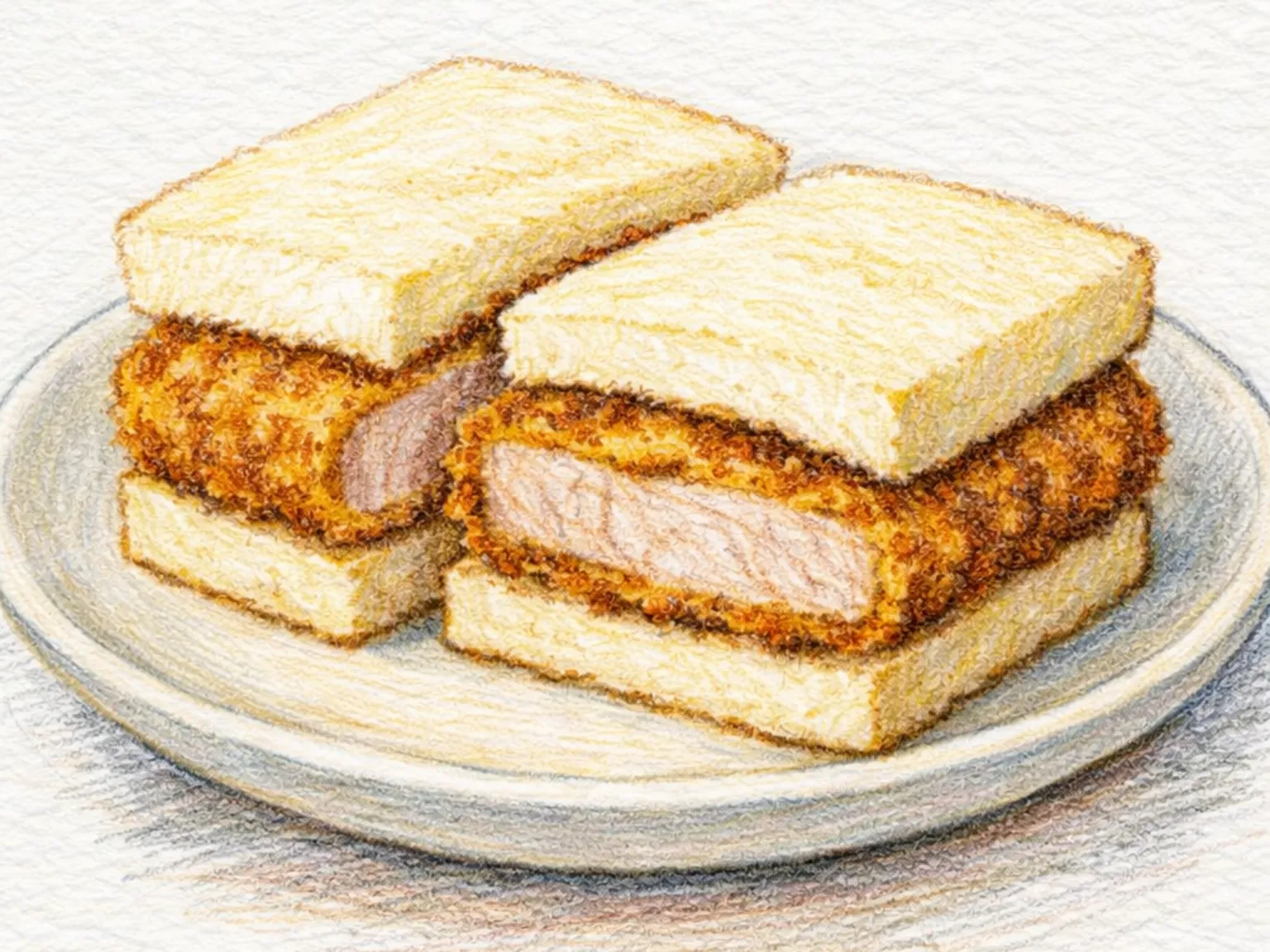
Katsu sando is a Japanese sandwich built around a thick pork loin cutlet breaded in flour, egg, and panko, then deep-fried at 170C until the exterior turns a deep, even gold. The cutlet rests on soft milk bread generously spread with tonkatsu sauce, and a layer of shredded cabbage dressed in mayonnaise goes in between. The contrast between the cutlet's rigid panko crust and the yielding bread is what defines the sandwich, while the mayo-dressed cabbage absorbs some of the richness and keeps the whole thing from feeling heavy. Wrapping the assembled sandwich firmly in plastic wrap and resting it for three minutes gives the sauce time to soak into the bread, producing a clean cross-section when cut. Draining the cutlet upright for a minute after frying removes surface oil and prevents the bread from going soggy. Using fine-ground fresh panko rather than dried gives the crust a slightly denser, more refined texture.

Katsu Sando (Japanese Crispy Pork Cutlet Sandwich)
Shared ingredient: flour Asian

Katsu Sando (Japanese Crispy Pork Cutlet Sandwich)

Katsu sando is a Japanese sandwich built around a thick, crispy pork cutlet pressed between slices of soft milk bread. The pork loin is sliced at least two centimeters thick, pounded lightly to tenderize, seasoned with salt and pepper, then coated in flour, beaten egg, and coarse panko breadcrumbs before being lowered into oil at 180 degrees Celsius. The result is a deep golden crust that shatters on the first bite while the interior stays moist and tender. Tonkatsu sauce, a thick condiment with a fruity, sweet-savory profile similar to Worcestershire, is spread generously on one side of the bread, while a thin layer of Japanese mayonnaise goes on the other. Finely shredded cabbage is layered beneath the cutlet, providing a fresh, watery crunch that cuts through the richness of the fried meat. The crusts are trimmed from the bread, the sandwich is pressed firmly and sliced cleanly in half, and the cross-section of pale bread, pale cabbage, and dark golden cutlet becomes the defining visual of the dish. Katsu sando works as a packed lunch, a picnic item, a late-night snack, or a quick meal at the counter of a butcher shop in Tokyo.

Candied Sweet Potato
Serve together Desserts

Candied Sweet Potato

Goguma mattang is a Korean candied sweet potato snack made by cutting peeled sweet potatoes into large chunks and deep-frying them at 170 degrees Celsius until the interior turns floury and soft. A syrup of sugar, corn syrup, water, and a measured splash of soy sauce is cooked separately until large, foamy bubbles form - the visual cue for adding the fried sweet potatoes. Everything must be coated within thirty seconds to lock in a thin, glass-like caramel shell that crisps and turns translucent as it cools. The soy sauce shifts the flavor from purely sweet to a rounded, slightly savory depth. Pre-draining surface moisture from the cut sweet potatoes reduces oil splatter during frying and helps the syrup grip the pieces evenly. Black sesame seeds are scattered over the finished pieces for a toasted, nutty note, and each piece is spread individually on parchment paper while still warm so they cool without sticking together.

Korean Donkatsu Gimbap (Pork Cutlet Roll)
Similar recipe Street food

Korean Donkatsu Gimbap (Pork Cutlet Roll)

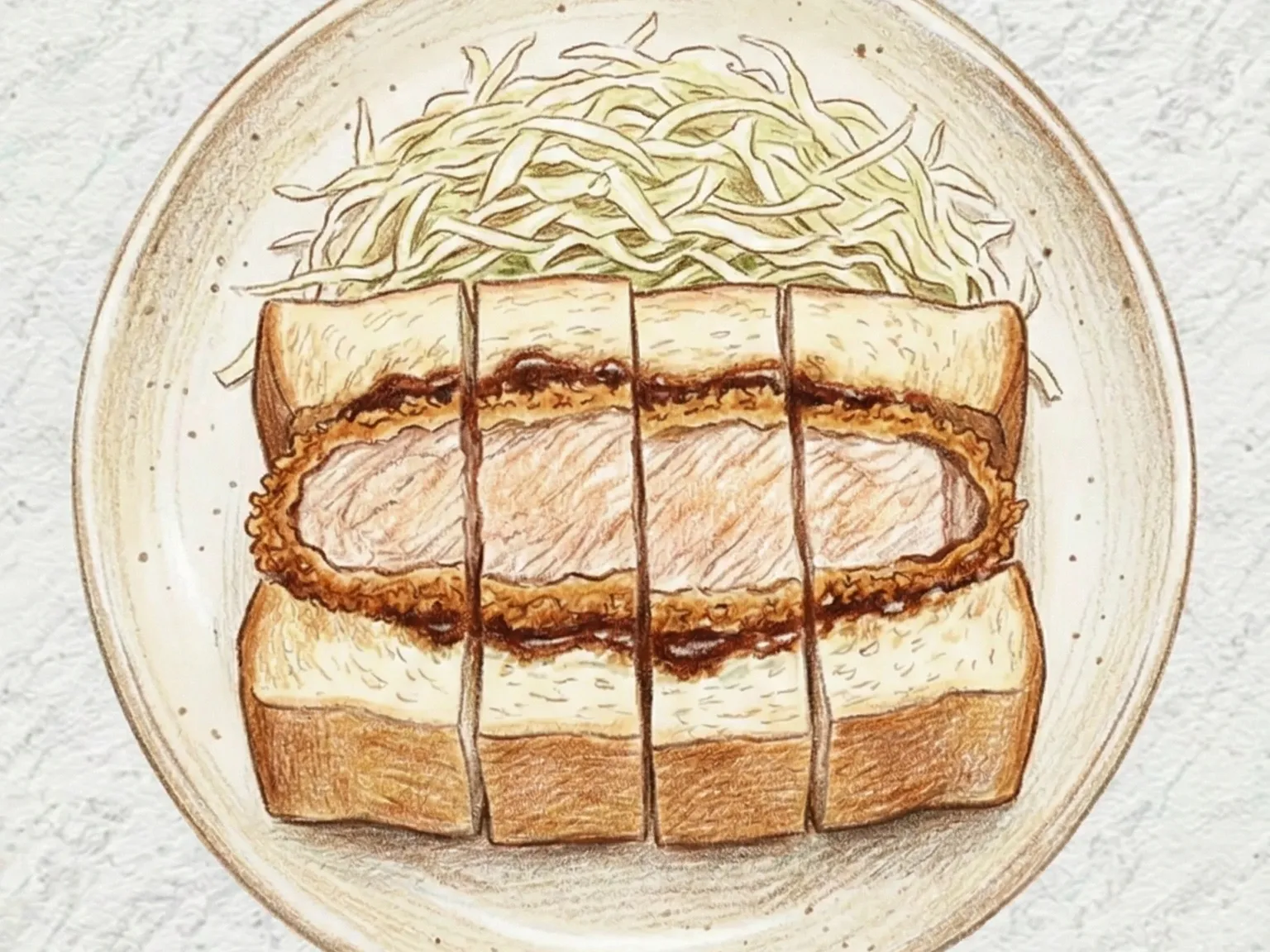
Donkatsu gimbap rolls an entire crispy pork cutlet inside a seaweed rice roll. Sesame oil and salt-seasoned rice is spread thinly over a sheet of dried seaweed, tonkatsu sauce is drizzled generously over the rice, and the full cutlet along with shredded cabbage is placed at the near edge before rolling tightly. The structural goal of the roll is to keep the breadcrumb coating on the cutlet crispy between the layers of rice and seaweed rather than letting it soften against the moisture in the rice. To achieve this, the cutlet must be well-drained of oil and cooled to room temperature before rolling, and the roll should be cut and eaten promptly rather than held for long. When sliced, the cross-section reveals the full width of the pork cutlet occupying most of the interior, which is a visual cue for the substantial filling inside. The sweet, savory tonkatsu sauce melds with the sesame-scented rice and the salt of the dried seaweed wrapper, making each section of the roll satisfying enough to serve as a complete meal.

Serve with this

Korean Crispy Glazed Tofu Bites
Side dishes Medium

Korean Crispy Glazed Tofu Bites

Dubu gangjeong applies the double-coating logic of Korean fried chicken to tofu, pressing each cube dry before dredging in potato starch, frying until the shell turns shattering crisp, then tossing in a concentrated sticky glaze. The dish originated in temple cuisine as a meatless adaptation of gangjeong and has since become a staple anju in Korean bars. Pressing the tofu is non-negotiable: at least twenty minutes under a heavy weight wrapped in paper towels removes enough moisture to prevent oil from splattering and allows the starch coating to adhere evenly. Potato starch produces a noticeably thinner and more translucent crust than wheat flour, which cracks cleanly rather than bending when bitten. The glaze is made by boiling gochujang, soy sauce, sugar, and rice syrup together until large bubbles break on the surface, signaling that the mixture has concentrated and will cling rather than pool. Pouring the hot glaze over the fried tofu and tossing quickly coats every surface in an even, lacquer-like finish. The defining quality of a well-made dubu gangjeong is the contrast between the caramelized shell with its slight chew and the soft, almost custard-like interior. Once made, it must be eaten within ten minutes before the coating absorbs moisture and goes soft.

🏠 Everyday 🧒 Kid-Friendly
Prep 18min Cook 15min 2 servings
Korean Minari Bulgogi Bibim Udon
Noodles Medium

Korean Minari Bulgogi Bibim Udon

Minari bulgogi bibim udon is a Korean mixed noodle dish combining soy-marinated beef bulgogi with fragrant water dropwort over chewy udon noodles. The beef is marinated for ten minutes in soy sauce, garlic, and syrup, then stir-fried quickly with onion over high heat to develop caramelized edges while keeping the interior moist. Udon is blanched for two minutes and rinsed in cold water to restore its springy chew. A gochujang, soy sauce, and sesame oil dressing coats the noodles first, then the bulgogi and minari are folded in gently at the end so the herb's distinctive aroma stays intact rather than wilting away. Sesame seeds scattered on top add a final nutty accent that bridges the savory meat and the fresh, grassy minari. Adding a small amount of pear juice or kiwi juice to the marinade tenderizes the beef noticeably, which sharpens the contrast between the silky meat and the firm noodle.

🍺 Bar Snacks 🏠 Everyday
Prep 25min Cook 12min 2 servings
Korean Sweet Corn Latte (Butter Sauteed Corn Milk Drink)
Drinks Easy

Korean Sweet Corn Latte (Butter Sauteed Corn Milk Drink)

Sweet corn latte begins by sauteing cooked corn kernels in butter until fragrant, then simmering them in milk to draw out the corn's natural sugars before blending everything smooth. The butter amplifies the starchy, roasted aroma during the initial saute, coating each kernel so that the fat-soluble flavor compounds dissolve fully into the milk during the five-minute simmer. Blending the mixture until completely smooth and then straining it through a fine sieve removes any remaining hull pieces, producing a texture as silky as a custard sauce. This straining step makes a noticeable difference in the final quality. Condensed milk adds a rounded sweetness, and a small amount of white pepper introduces a faint spiced warmth that gives the drink depth beneath the sweetness. It works equally well served hot in a ceramic mug or chilled and poured over ice; the corn aroma remains vivid in both versions.

🍺 Bar Snacks 🧒 Kid-Friendly
Prep 8min Cook 10min 2 servings

Similar recipes

Korean Meat Mandu (Pork and Beef Dumplings with Tofu Filling)
Street food Medium

Korean Meat Mandu (Pork and Beef Dumplings with Tofu Filling)

Gogi-mandu is a Korean meat dumpling filled with ground pork, ground beef, squeezed tofu, onion, scallion, and garlic, seasoned with soy sauce and sesame oil. Kneading the filling in a single direction develops myosin bonds in the meat proteins, giving the mixture a sticky consistency that helps it hold together and retain moisture during cooking. The pork contributes fat and a mild sweetness, the beef adds a deeper, more savory flavor, and the tofu, wrung dry before mixing, softens the overall texture and prevents the filling from becoming too dense. These dumplings can be steamed in a basket for a clean, light result, or cooked using the steam-then-fry method: a splash of water in a covered pan brings them through with heat, then the lid is removed and the bottoms are crisped directly on the pan surface, producing a golden, crunchy base that contrasts with the soft filling above.

🧒 Kid-Friendly 🌙 Late Night
Prep 30min Cook 15min 4 servings
Korean Kimchi Jjigae (Kimchi Stew)
Stews Easy

Korean Kimchi Jjigae (Kimchi Stew)

Kimchi jjigae is a staple Korean stew made by simmering well-fermented kimchi with pork belly and tofu. The preparation starts by stir-frying pork belly in a pot with sesame oil to render the fat, then adding the kimchi and cooking it until translucent to mellow the sharp acidity. A spoonful of doenjang and gochugaru are stirred into the mixture to enhance the umami base before pouring in water and kimchi brine. Simmering the stew on medium heat allows the rich pork fat and fermented kimchi to combine, creating a deeply savory and spicy broth. Slices of tofu are added to absorb the flavored broth, providing a soft texture that contrasts with the other ingredients. The dish is finished with green onions for a fresh crunch and is served warm with steamed rice.

🏠 Everyday
Prep 10min Cook 30min 4 servings
Korean Jeju Style Pork Suyuk
Steamed Easy

Korean Jeju Style Pork Suyuk

Dombae-suyuk is a Jeju-style boiled pork dish made by simmering skin-on pork belly low and slow with doenjang, green onion, garlic, and ginger. The doenjang in the cooking water draws out the gamey odor specific to pork, leaving the meat clean and mild. A long, gentle boil renders the skin translucent and gives it a gelatinous, bouncy bite, while the interior fat layers become soft enough to melt against the tongue. Sliced thick and laid out at room temperature, each piece offers a layered contrast between the springy rind, the fatty middle, and the lean inner meat. Salted anchovy sauce or fermented shrimp paste served alongside is the traditional accompaniment -- the briny, fermented condiments cut through the richness and define the eating rhythm. The name comes from dombae, the Jeju word for cutting board, referring to the old practice of serving the meat directly sliced on the board.

🎉 Special Occasion
Prep 10min Cook 60min 4 servings

Tips

Double frying creates superior crunch and reduces greasiness.

Nutrition (per serving)

Calories
520
kcal
Protein
28
g
Carbs
45
g
Fat
24
g