Korean Tofu Jeon (Golden Egg-Coated Pan-Fried Tofu)
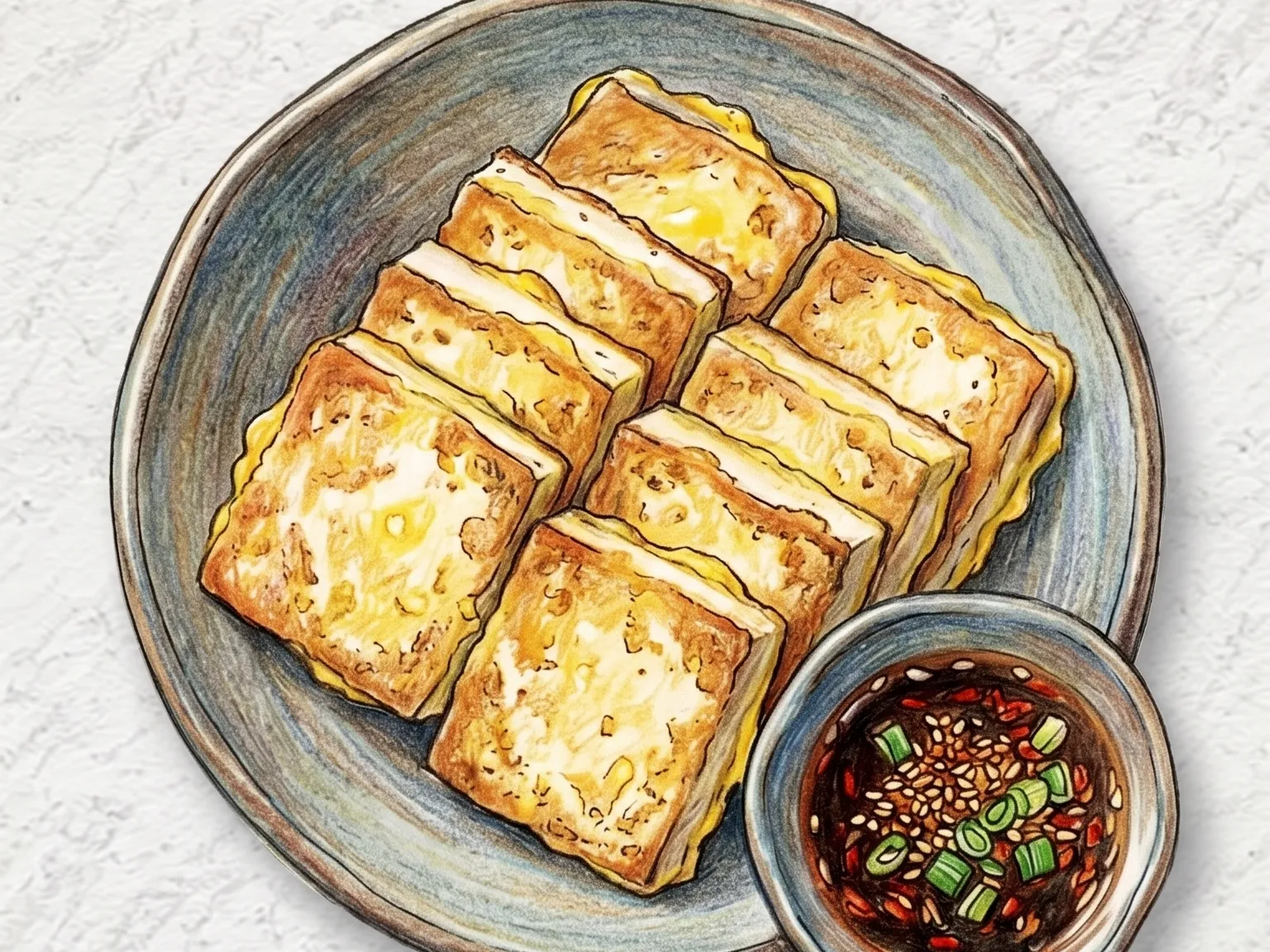
Dubu-jeon is a Korean pan-fried tofu dish where firm tofu is sliced into 1 cm thick pieces, seasoned with salt and pepper, dusted in flour, dipped in beaten egg, and fried until golden. Pressing the tofu for at least fifteen minutes under a heavy weight wrapped in paper towels is the most important step-excess moisture causes oil to splatter and prevents the egg coating from adhering properly. Each side needs three to four uninterrupted minutes over medium heat to develop an even golden crust; flipping too often strips the egg batter away. A dipping sauce of soy sauce, vinegar, and chili flakes transforms the mild, nutty tofu into something more complex, adding salt, acidity, and heat that complement the plain simplicity of the base.
Adjust Servings
Instructions
- 1
Slice tofu 1 cm thick and remove moisture with paper towels.
- 2
Season tofu with salt and pepper.
- 3
Dust tofu lightly with flour.
- 4
Dip in egg wash and pan-fry over medium heat.
- 5
Cook both sides golden and serve with soy sauce.
As an Amazon Associate, we may earn from qualifying purchases.
Tips
Nutrition (per serving)
More Recipes

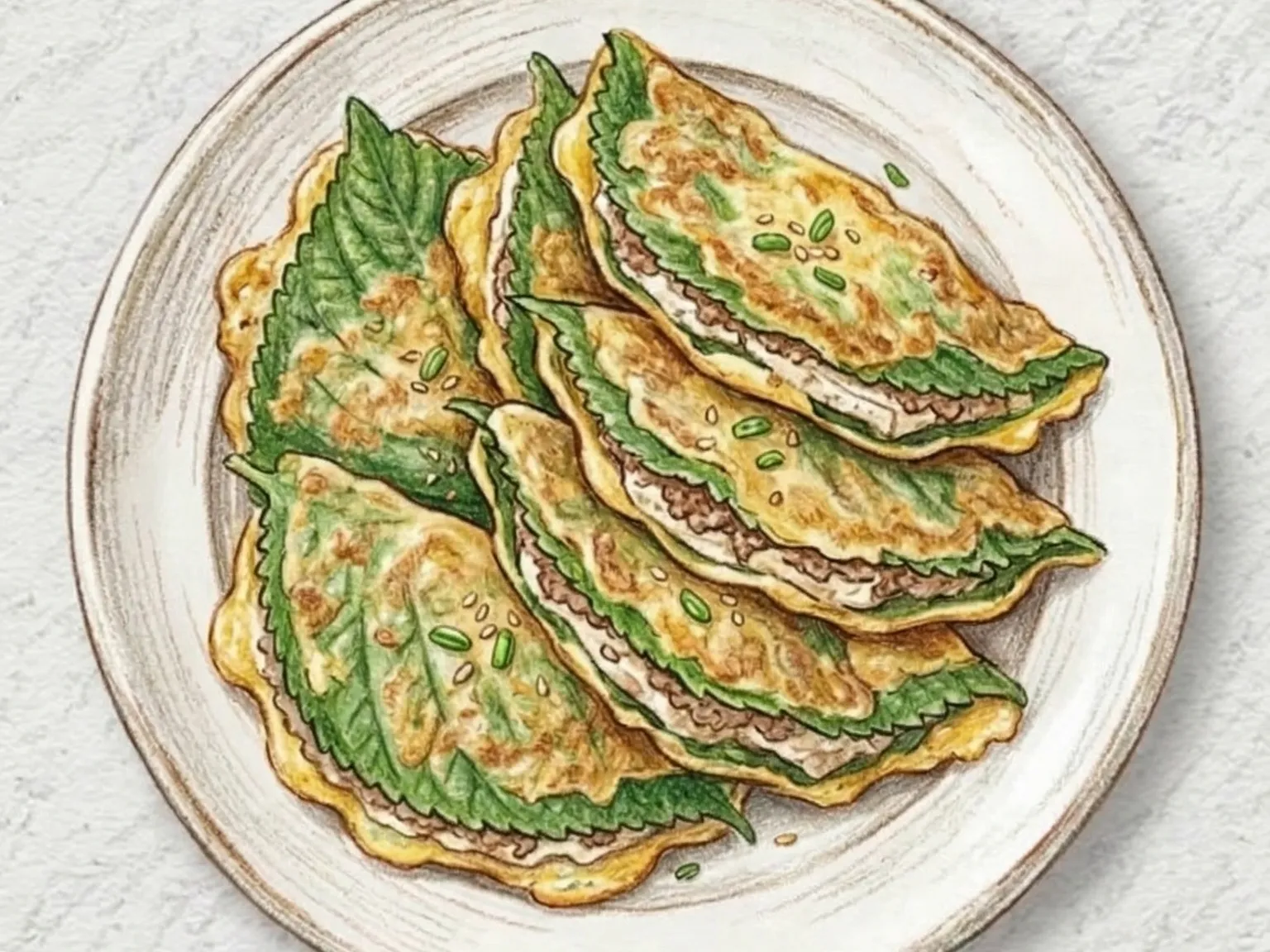
Korean Pan-fried Zucchini Jeon
Hobak-jeon is a Korean pan-fried zucchini pancake made by slicing Korean zucchini into even half-centimeter rounds, salting them for five minutes to draw out excess moisture, then dusting in flour, dipping in beaten egg, and frying over medium heat for two to three minutes per side. The salting step is essential-it removes water that would otherwise make the jeon soggy, and it simultaneously concentrates the zucchini's mild natural sweetness into a more pronounced flavor. The egg coating acts as a gentle heat buffer, keeping the interior soft and moist while the exterior develops a pale golden crust with a subtle nuttiness from the cooked egg. It is one of the most versatile banchan in Korean cooking, equally at home in a child's lunchbox, on an everyday dinner table alongside soup or stew, or stacked on a holiday platter.

Korean Beef Jeon (Egg-Coated Pan-Fried Thin Beef Slice)
Thinly sliced beef round is seasoned with salt, pepper, and garlic, dusted in flour, then dipped in beaten egg and pan-fried over medium heat. The flour layer bonds the egg batter to the meat, keeping the coating intact through cooking, while a short fry time preserves the beef's soft grain. Yukjeon is a staple of Korean holiday spreads and gathering tables, often served alongside other assorted jeon.

Korean Pan-fried Oyster Jeon
Gul-jeon is a Korean pan-fried oyster pancake where fresh seasonal oysters are rinsed gently in salted water, patted dry, dusted lightly in flour, dipped in beaten egg, and cooked over medium heat for about two minutes per side. Thorough drying is critical-residual moisture causes oil splatter and prevents the flour from adhering evenly, and a thick flour coating muffles the oyster's delicate brine, so the lightest possible dusting is the goal. The egg batter acts as an insulating jacket that transmits heat gently, keeping the oyster's interior moist and plump while the exterior turns a soft golden color that releases ocean-mineral aroma with each bite. Chopped garlic chives added near the end of cooking introduce a sharp, garlicky note that accentuates the oyster's mineral character.

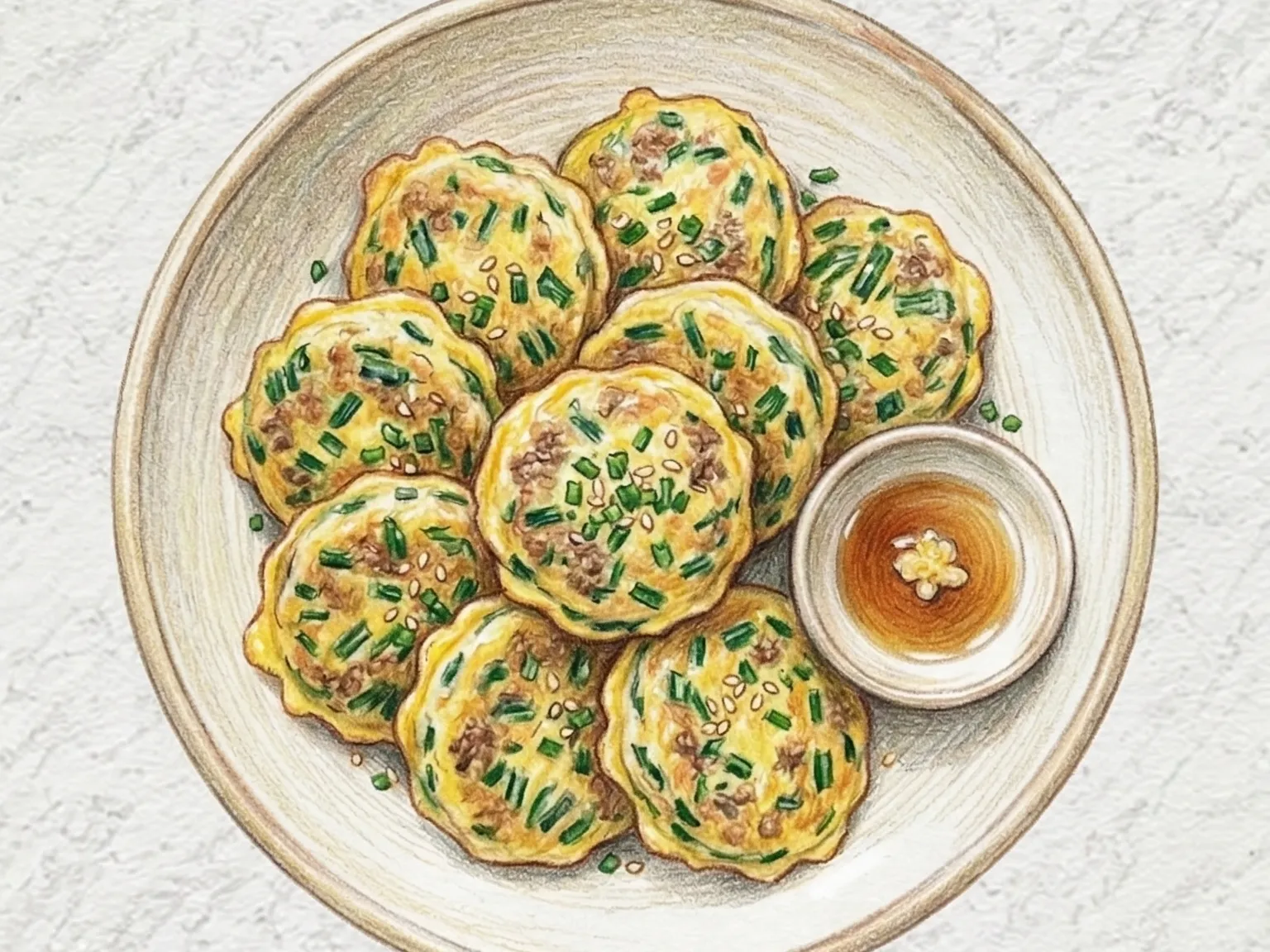
Korean Meatball Jeon (Beef and Tofu Pan-Fried Meatball Patty)
Ground beef is kneaded with pressed tofu, minced onion, chopped scallion, and soy sauce until the mixture becomes sticky enough to hold its shape. Bite-sized balls are flattened slightly, dredged in flour, dipped in beaten egg, and pan-fried on both sides over medium heat. The egg wash forms a thin golden casing that seals in moisture, and the tofu in the filling makes each bite softer and lighter than an all-meat patty. Wanja-jeon is a fixture on Korean holiday tables and ancestral rite spreads, and it travels well in lunch boxes since the flavor and texture hold up at room temperature.

Korean Pan-fried Radish Pancakes
Mu-jeon is a Korean pan-fried radish pancake belonging to the same vegetable-jeon family as hobak-jeon and gaji-jeon, though daikon radish brings a textural character distinctly its own. Slicing to an even 3mm thickness is critical - the radish must cook through until soft and sweet inside while the egg coating crisps golden outside. Too thick and the raw center retains an acrid bite; too thin and the slices collapse. Five minutes of salting draws surface moisture so the flour adheres properly and the oil does not splatter during frying. Slow cooking over low heat is essential: the egg batter sets gradually into a golden shell while the heat converts the radish's starch into sugars, replacing the raw spiciness with a gentle sweetness completely unlike the uncooked root. Dipped in cho-ganjang (soy-vinegar sauce), the acidity cuts through the pan-fried richness. Mu-jeon appears on Korean holiday tables during Chuseok and Seollal alongside other vegetable jeon as part of the traditional jeon platter.

Korean Pan-Fried Tofu with Seasoned Soy Sauce
Dubu buchim yangnyeom is one of the most common Korean home-cooked banchan - a dish that every Korean learns to make early because the technique is forgiving and the ingredients are always on hand. Firm tofu is sliced thick, salted briefly to draw moisture from the surface, then pan-fried in a thin film of oil until both faces develop a golden crust that crackles against the still-soft interior. The seasoned soy sauce - yangnyeom-jang - is made tableside by mixing soy sauce with gochugaru, chopped scallion, garlic, and sesame oil, then spooned directly over the hot tofu. The residual heat of the tofu slightly wilts the raw scallion and blooms the sesame oil, releasing its fragrance. This banchan has been part of Korean temple cuisine for centuries, where it serves as a primary protein source in meat-free meals.