Charim

2686 Korean & World Recipes

2686+ Korean recipes, clean and organized. Ingredients to instructions, all at a glance.

Korean Tofu with Stir-fried Kimchi

Korean Tofu with Stir-fried Kimchi

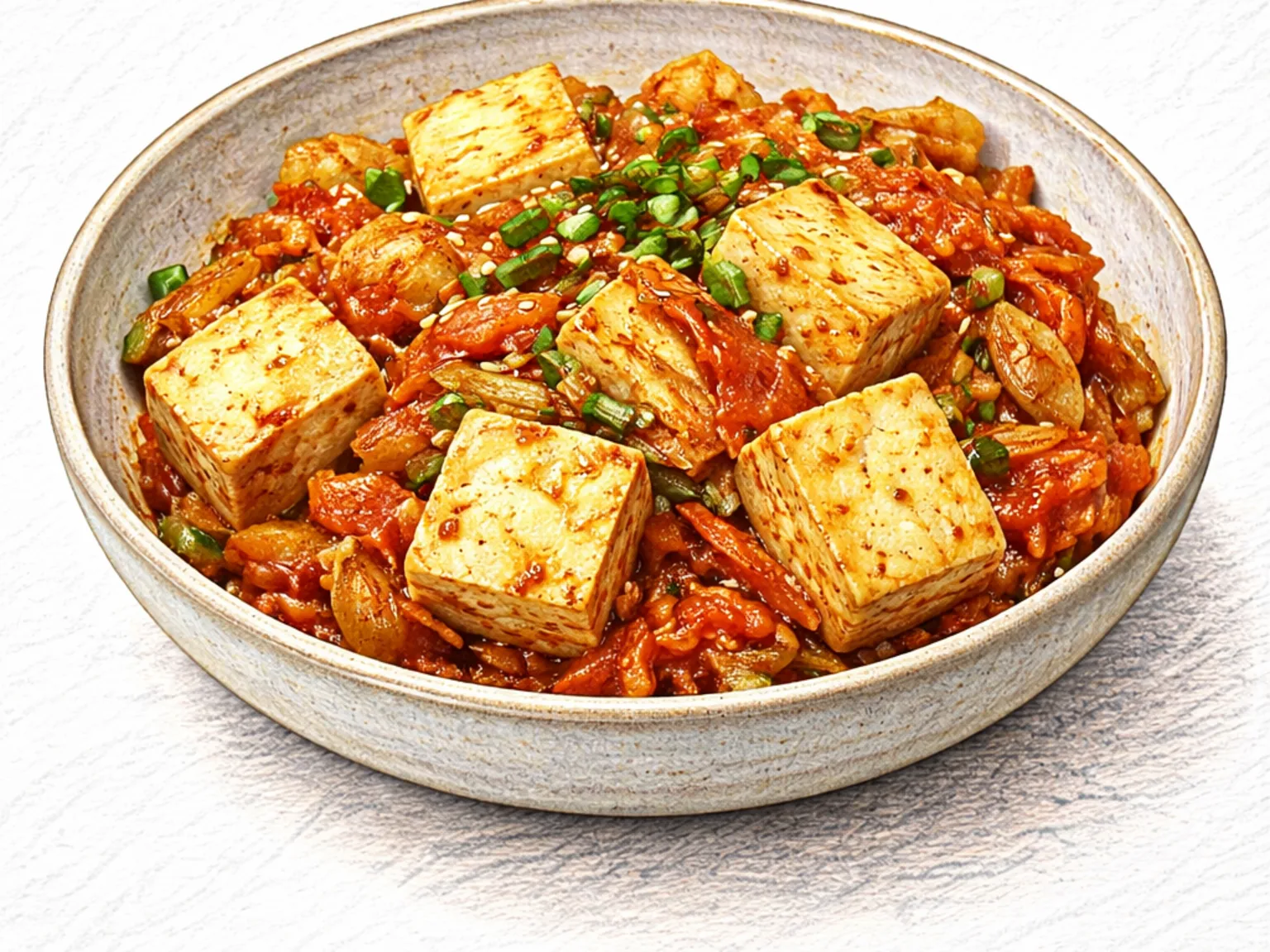
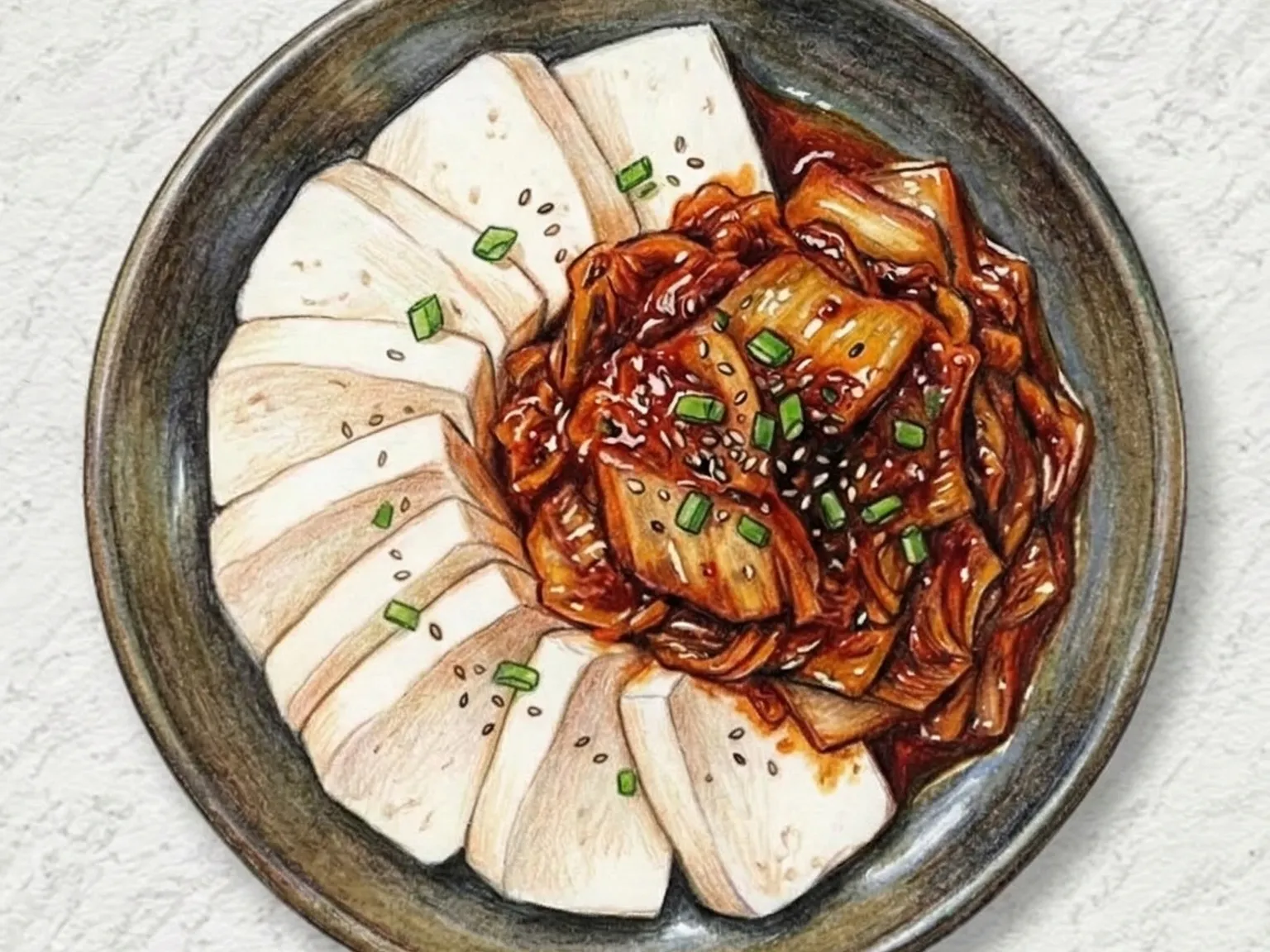
Dubu-kimchi pairs thick slices of blanched tofu with aged kimchi stir-fried alongside pork shoulder and onion. The deep fermentation sourness of the aged kimchi concentrates as it cooks in oil with gochugaru, and a small amount of sugar bridges the gap between the sour and spicy notes. The tofu is blanched just briefly in salted water so it stays firm without crumbling, and placing it under the hot kimchi stir-fry lets the surface absorb the seasoning. A finish of sesame oil adds a nutty aroma, and sliced green onion on top provides a fresh contrast.

Prep 10min Cook 12min 2 servings

Adjust Servings

2servings
servings

Instructions

  1. 1

    Blanch tofu in lightly salted water for 5 minutes and drain.

  2. 2

    Stir-fry pork and onion in oil first.

  3. 3

    Add kimchi, gochugaru, and sugar; cook for 5 more minutes.

  4. 4

    Add green onion and finish with sesame oil.

  5. 5

    Slice tofu on a plate and serve with the stir-fried kimchi topping.

🛒Shop Ingredients on Amazon

As an Amazon Associate, we may earn from qualifying purchases.

Tips

Over-boiling tofu can make it fragile.
Add a little extra sugar if kimchi is very sour.

Nutrition (per serving)

Calories
285
kcal
Protein
19
g
Carbs
11
g
Fat
19
g

More Recipes

Korean Spicy Stir-fried Cartilage
DrinksMedium

Korean Spicy Stir-fried Cartilage

Odolppyeo-bokkeum is a fiery Korean stir-fry of chicken cartilage marinated in a sauce of gochujang, gochugaru, soy sauce, garlic, and sugar, then cooked at maximum heat for a short burst. The cartilage delivers a distinctive crunch-then-chew that no other cut can replicate, and thorough drying with paper towels before marinating ensures the sauce clings directly to the surface. After ten minutes of marinating, the cartilage hits a ripping-hot oiled pan to pick up smoky wok char, followed by onion, green onion, and hot green chilies that are tossed until all moisture evaporates and the glaze turns glossy. Keeping the total stir-fry time brief is critical, since prolonged cooking turns the cartilage from pleasantly crunchy to unpleasantly tough.

🍺 Bar Snacks🌙 Late Night
Prep 15minCook 12min2 servings
Korean Stir-Fried Kimchi (Caramelized Aged Kimchi Banchan)
Side dishesEasy

Korean Stir-Fried Kimchi (Caramelized Aged Kimchi Banchan)

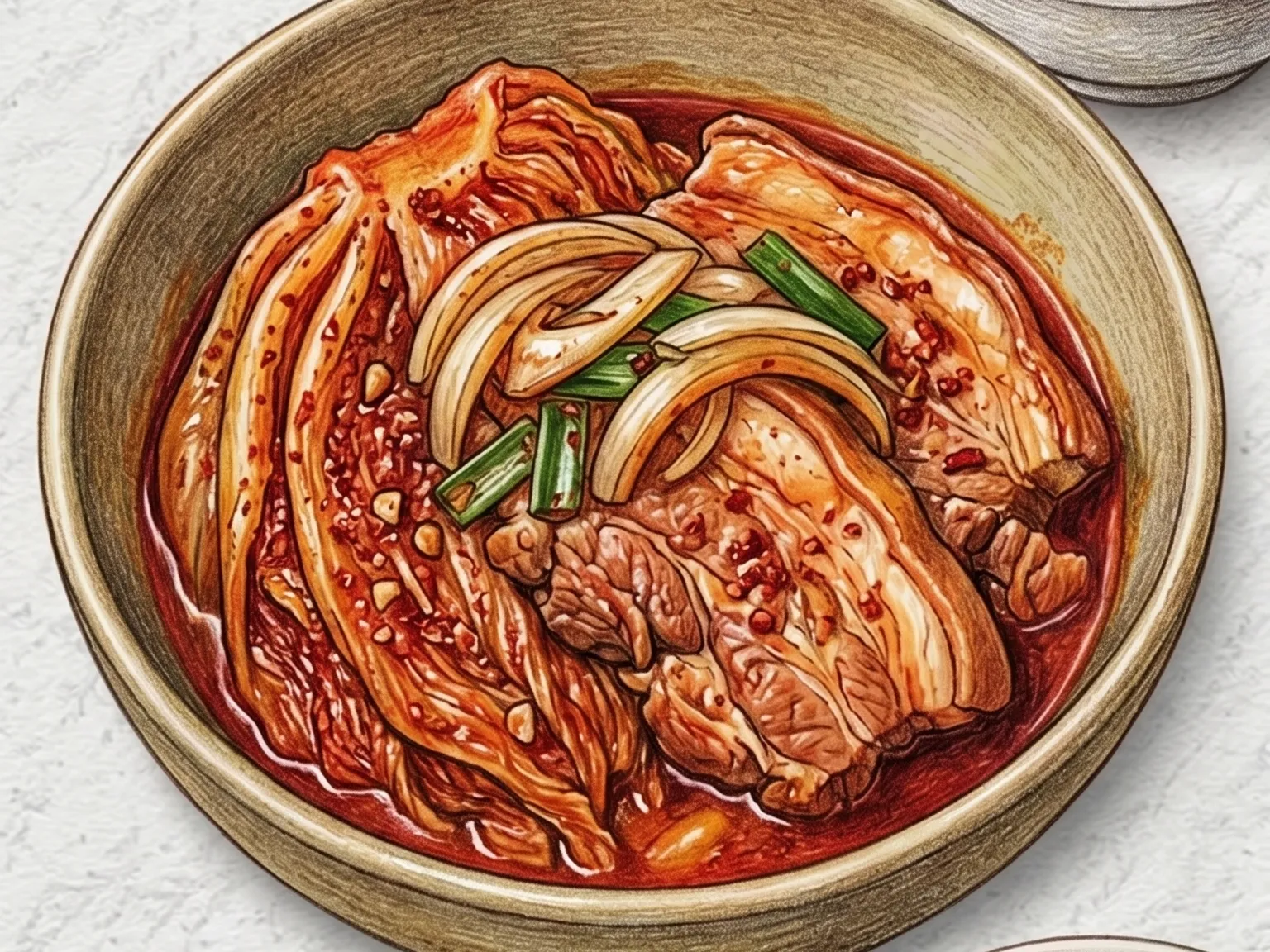
Kimchi-bokkeum is the default way Korean households use up kimchi that has fermented past its fresh prime. Stir-frying tempers the sharp lactic acidity that over-ripe kimchi develops - the heat transforms the sourness into something mellower, sweeter, and more rounded. Onion goes in first and cooks until translucent, laying a sweet foundation before the kimchi and garlic join. Medium heat is essential: it drives off moisture gradually, yielding a thick, concentrated sauce rather than a watery stew. A small addition of gochugaru brightens the color, and a pinch of sugar balances the fermented tang. One tablespoon of kimchi brine amplifies the umami from the lactobacillus culture itself. The finished banchan is versatile enough to eat straight over rice, fold into fried rice, or pile on top of ramyeon.

🏠 Everyday🍱 Lunchbox
Prep 8minCook 10min4 servings
Korean Grilled Dried Pollack
DrinksEasy

Korean Grilled Dried Pollack

Hwangtae-po-gui is a grilled dried pollack snack prepared by brushing seasoning paste onto semi-dried hwangtae fillets and cooking them over medium-low heat. Hwangtae is pollack that has been freeze-dried repeatedly through winter cycles, a process that puffs up the flesh and gives it a softer grain and chewier texture than ordinary dried fish. A paste of gochujang, soy sauce, and oligosaccharide syrup is spread on both sides and grilled slowly so the sugars caramelize into a glossy, sticky coating. Minced garlic, sesame oil, and sesame seeds add roasted richness, and each torn piece delivers alternating salty and sweet notes.

🍺 Bar Snacks Quick
Prep 10minCook 8min2 servings
Korean Stir-Fried Bok Choy and Tofu with Doubanjiang
Stir-fryEasy

Korean Stir-Fried Bok Choy and Tofu with Doubanjiang

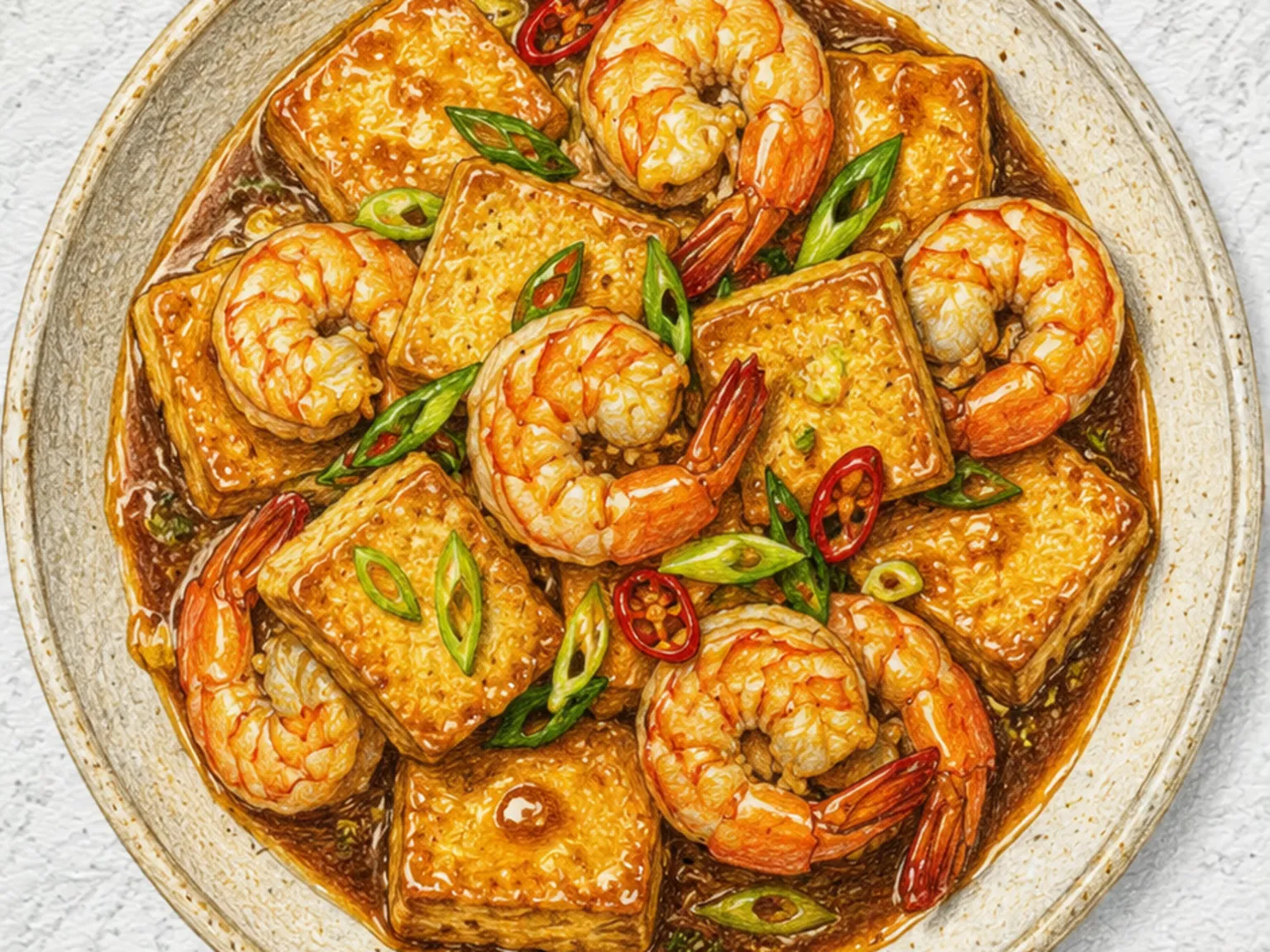
Firm tofu is patted completely dry and pan-seared in oil for three minutes until golden on each side, then set aside while green onion and garlic are stir-fried in the same pan to build an aromatic base. Doubanjiang, soy sauce, sugar, and water are combined into a sauce directly in the pan; the fermented chili bean paste brings both salt and heat in high concentration, so the soy sauce should be added sparingly and adjusted only after a final taste. Bok choy stems and leaves are separated and added at different stages: stems first for two minutes of direct heat, leaves last for just one minute, so the stalks remain firm while the greens wilt to a silky texture. One teaspoon of sugar softens the sharp salinity of the doubanjiang, rounding the finish into something warm rather than aggressive. When the seared tofu cubes return to the pan, their crisp exterior absorbs the sauce like a sponge, releasing a burst of spicy, fermented flavor with each bite. At 290 calories and 17 grams of protein, the dish proves that a satisfying protein intake does not require meat.

🏠 Everyday🍱 Lunchbox
Prep 12minCook 10min2 servings
Korean Stir-fried Aged Kimchi and Tofu
Stir-fryEasy

Korean Stir-fried Aged Kimchi and Tofu

Mukeunji-dubu-bokkeum brings together aged kimchi's deep sourness and firm tofu's neutral mildness in a single pan. The tofu is pan-fried to golden first, building a crust that prevents breakage and absorbs sauce more effectively. Meanwhile, onion and aged kimchi are stir-fried with gochugaru until the kimchi's moisture evaporates and its flavor concentrates, then soy sauce and sugar balance the acidity. The tofu returns to the pan to soak up the seasoning, and a final addition of perilla oil softens the kimchi's sharpness while green onion lifts the aroma.

🏠 Everyday🍱 Lunchbox
Prep 12minCook 14min2 servings
Korean Egg Drop Soup for Anju
DrinksEasy

Korean Egg Drop Soup for Anju

Gyeran-tang is a light Korean egg drop soup built on a clear broth seasoned simply with soup soy sauce and minced garlic. Beaten eggs are drizzled into the boiling liquid along chopsticks, forming delicate ribbons that cook almost instantly into soft, silky strands. A pinch of black pepper adds a mild, peppery warmth that cuts through the mildness of the egg. Thinly sliced green onion is scattered on top just before serving, releasing a fresh, sharp fragrance that rises with the steam from the hot bowl.

🍺 Bar Snacks Quick
Prep 5minCook 10min2 servings
More Drinks →