Korean Braised Tofu with Kimchi
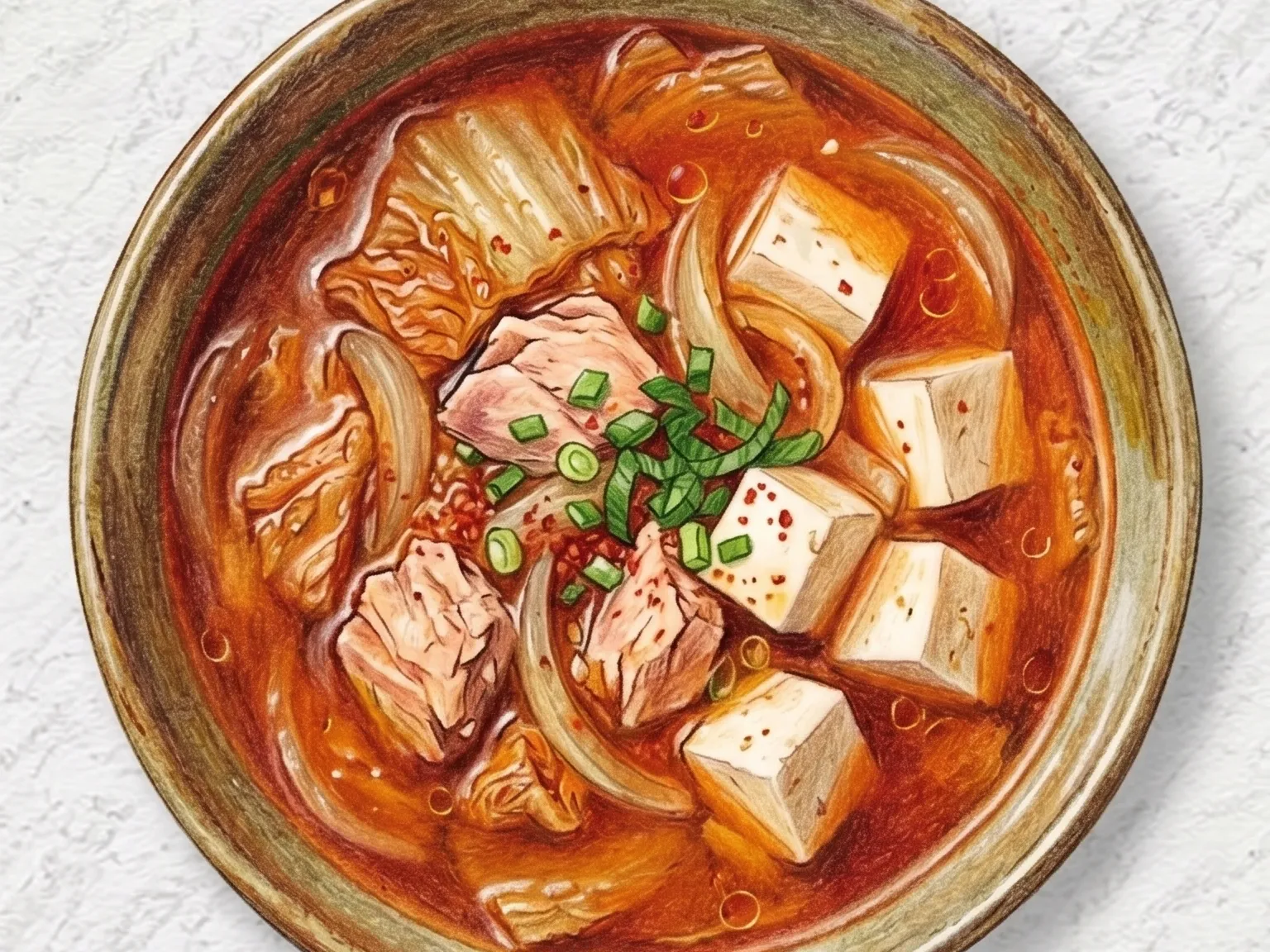
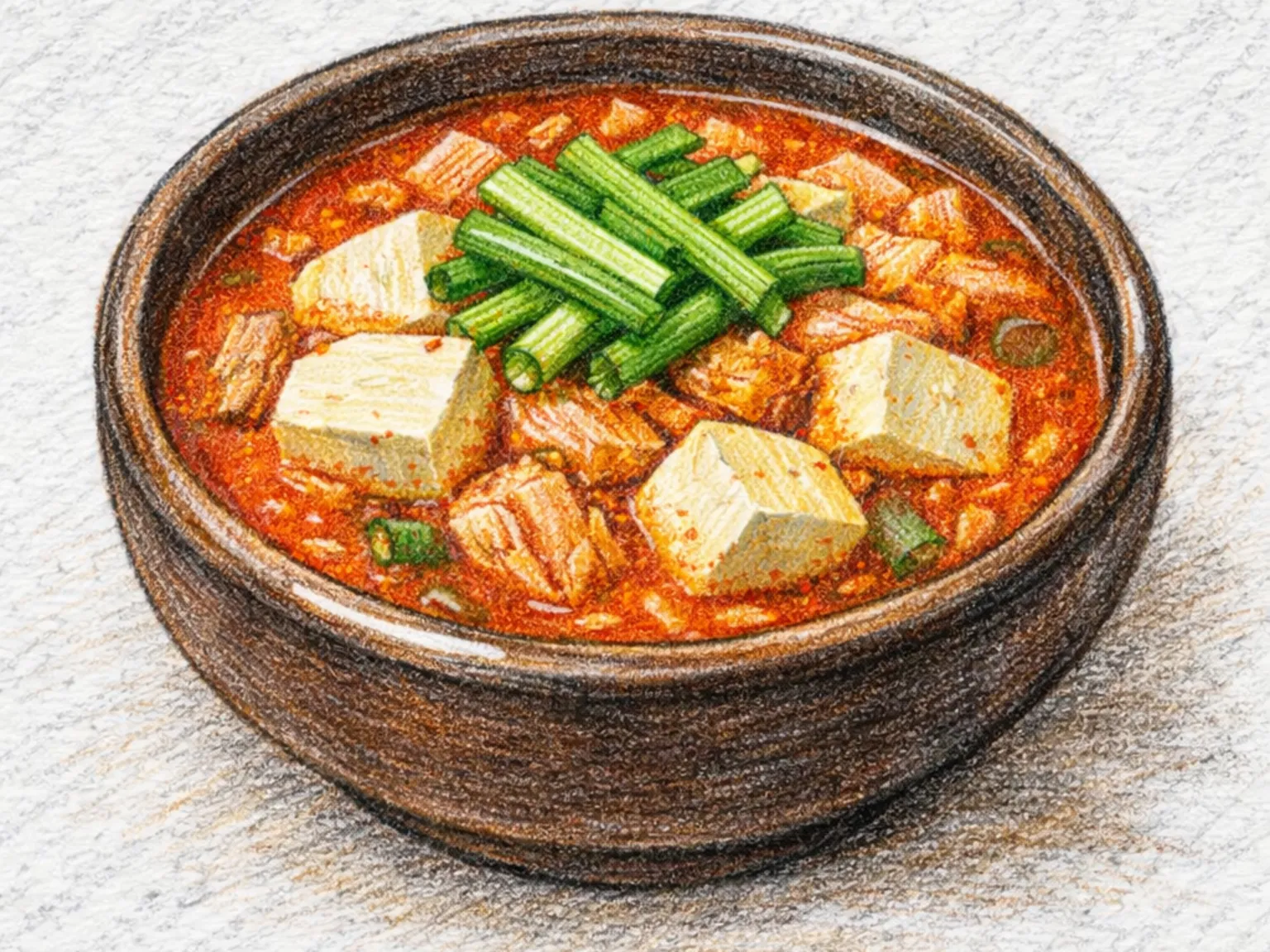
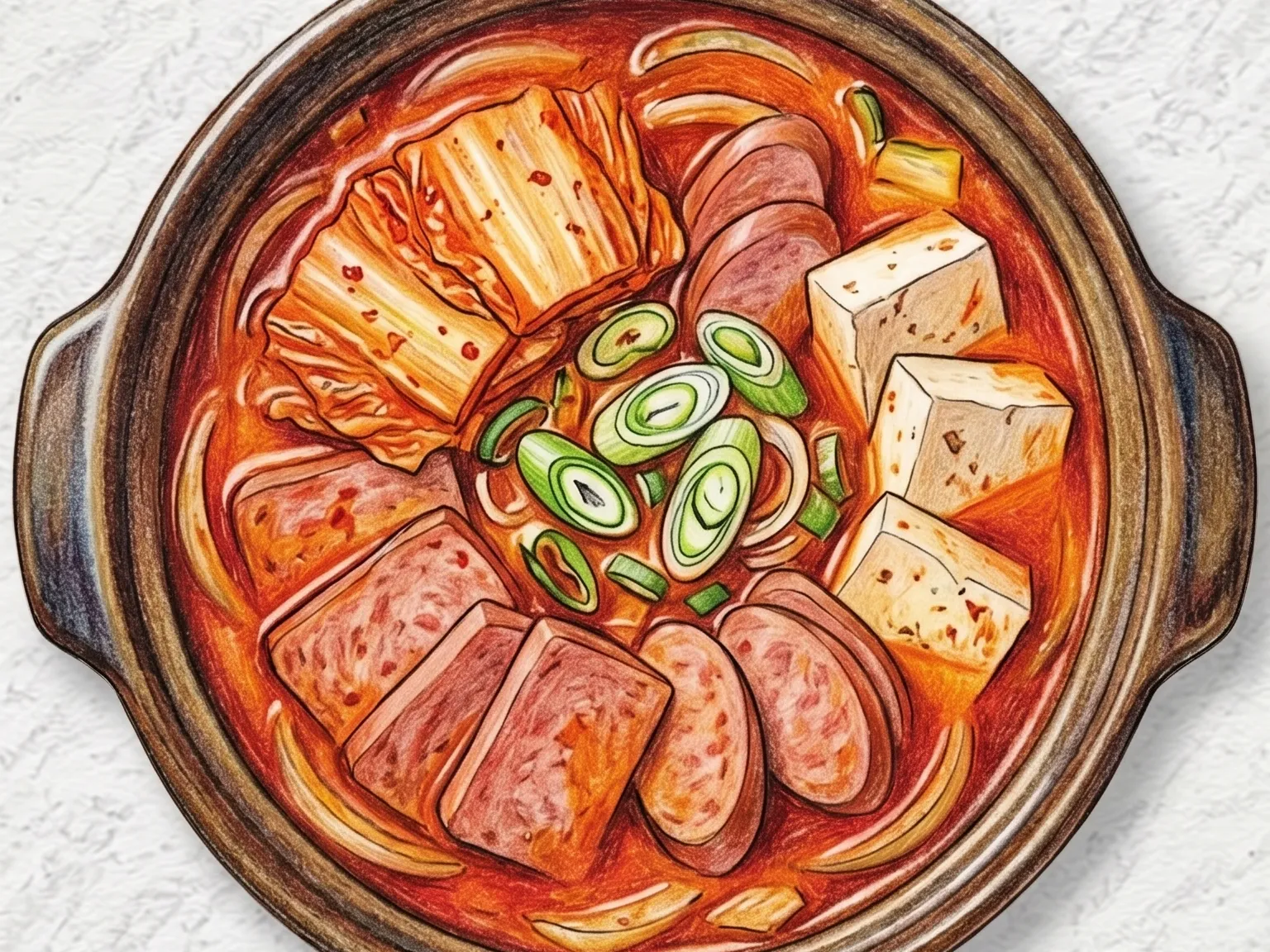
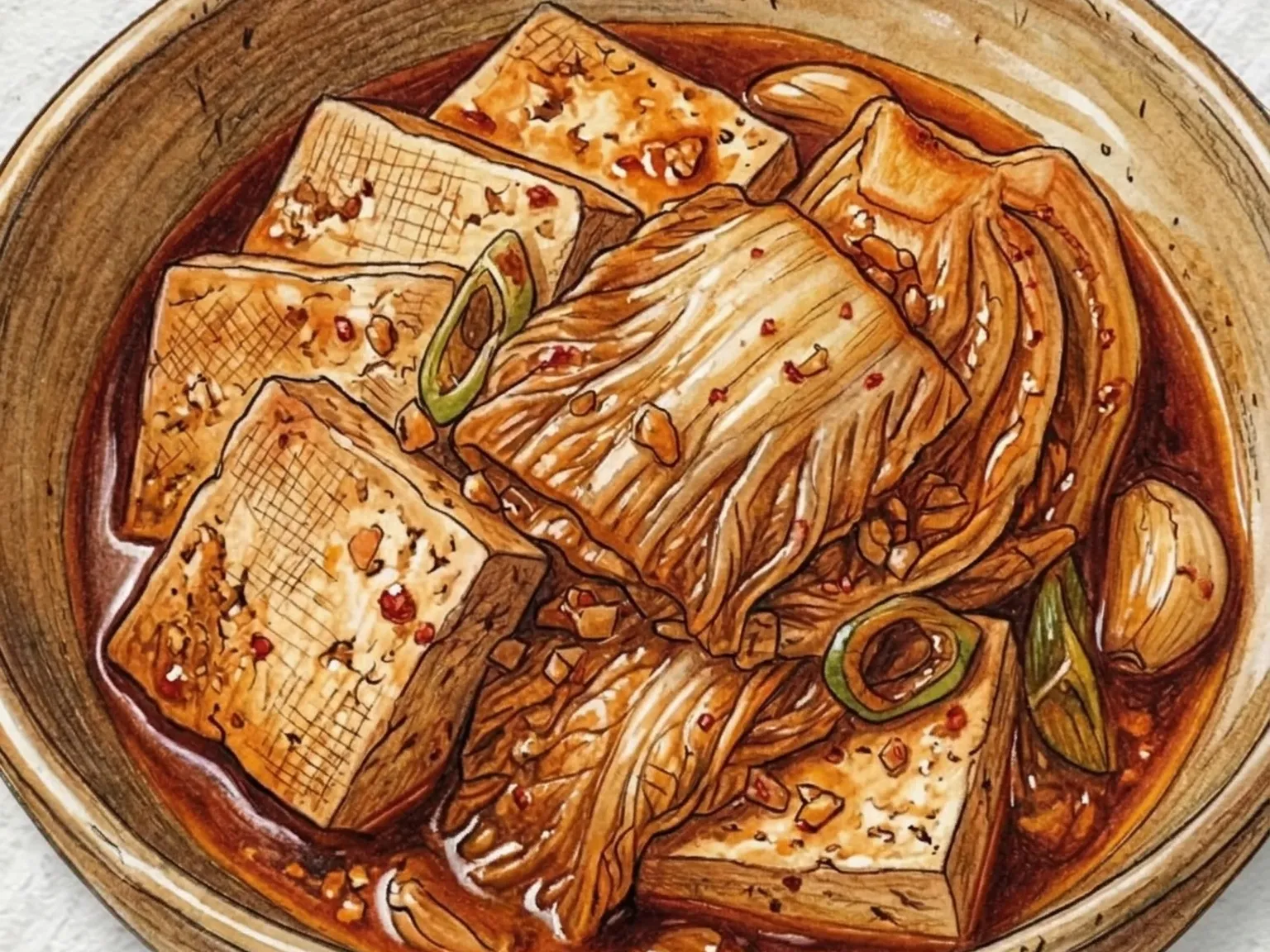
Dubu-kimchi-jorim is firm tofu braised with well-fermented aged kimchi in a sauce of soy sauce, gochugaru, minced garlic, and a pinch of sugar. The sharp acidity of the aged kimchi mellows during braising while its deep, fermented flavor remains fully intact. The tofu absorbs the chili-stained braising liquid like a sponge, carrying the kimchi flavor into every bite. Sugar takes the edge off the sourness just enough, and sesame oil stirred in at the end ties all the flavors together. Pressing the tofu before cooking prevents excess moisture from diluting the sauce, and pan-frying the pieces until golden on both sides before braising creates a firmer surface that holds together better. This dish is an efficient way to use kimchi that has sat in the refrigerator for months, as the stronger the sourness, the better suited it is for braising. Adding thinly sliced pork shoulder deepens the flavor considerably. It goes best spooned generously over a bowl of hot steamed rice.
Adjust Servings
Instructions
- 1
Cut tofu into 1.5 cm slices and remove excess moisture with paper towels.
- 2
Cut kimchi into bite-size pieces and slice the onion.
- 3
In a pot, add kimchi, onion, water, soy sauce, gochugaru, sugar, and garlic; simmer 5 minutes.
- 4
Add tofu in a single layer, cover, and braise over medium-low heat for 10 minutes.
- 5
Spoon sauce over the tofu and reduce 3 more minutes so flavor absorbs well.
- 6
Add green onion and sesame oil, cook 1 minute, then finish.
As an Amazon Associate, we may earn from qualifying purchases.
Tips
Nutrition (per serving)
Goes Well With

Korean Cucumber Doenjang Salad
Oi-doenjang-muchim dresses cucumber in a doenjang-based seasoning - a milder alternative to the gochugaru-forward oi-muchim, foregrounding the fermented soybean paste's savory depth over spicy heat. Cucumber is sliced into half-moons or diagonal cuts and salted for five minutes to draw out moisture; skipping this step dilutes the dressing into a watery puddle. The seasoning blends doenjang, soup soy sauce, minced garlic, sesame oil, and sesame seeds, with the doenjang quantity being the critical ratio - too much and the dish is aggressively salty, too little and the cucumber's blandness dominates. Roughly one tablespoon of doenjang to two cucumbers is the working proportion. The cucumber's cool moisture meets doenjang's deep umami to produce a combination that is refreshing yet substantial enough to anchor a rice meal, especially in summer. This banchan must be eaten promptly after assembly - over time, osmotic pressure draws water from the cucumber and collapses its crunch. Served alongside grilled meat, the doenjang's savoriness complements the char while cleansing the palate.

Korean Bacon Kimchi Fried Rice
Bacon kimchi fried rice takes the most common Korean leftover combination - cold rice and aging kimchi - and substitutes rendered bacon fat for the traditional sesame oil base. The bacon goes into a cold pan and cooks slowly so the fat renders completely before the meat crisps, creating a pool of smoky drippings that replace cooking oil entirely. Well-fermented kimchi, squeezed of excess juice and chopped roughly, goes into the hot fat and sizzles until its edges caramelize and the sharp lactic tartness mellows into a deeper, roasted sourness. Day-old rice is pressed flat against the pan to develop a crust reminiscent of nurungji - the scorched rice layer that fried rice enthusiasts seek. Soy sauce and a pinch of sugar season the dish, though both should be used in small amounts to avoid masking the interplay between the bacon's smokiness and the kimchi's fermented character. A fried egg on top, with a yolk still runny, becomes a sauce when broken and stirred through the rice. Bacon became a standard Korean grocery item in the 2000s, and this dish has since become a common home-cooking variation, with many cooks preferring its deeper, smokier flavor profile over the sesame oil original.

Korean Mushroom Jangajji (Shiitake Oyster Soy Pickle)
Beoseot jangajji is a Korean fermented mushroom side dish produced by briefly blanching shiitake and king oyster mushrooms, then submerging them in a soy sauce, vinegar, and sugar brine that has been brought to a boil and cooled. The shiitake brings a thick, meaty chew that firms further as it absorbs the pickling liquid, while the king oyster stays springy and dense, so a single batch of this jangajji provides two distinct textures from one marinade. Soy sauce supplies a deep umami foundation and vinegar cuts through with its sharp acidity, creating a balance that tastes substantial and complete without any meat or added stock. The ratio of vinegar to soy sauce can be adjusted to preference: more vinegar produces a brighter, more assertive pickle, while reducing it brings out the soy sauce's savory depth. Stored in the refrigerator, beoseot jangajji keeps well for over a week, making it one of the more practical banchan to prepare in advance and draw from throughout the week.

Korean Young Napa Soybean Paste Soup
Eolgari doenjang-guk is a soybean paste soup that uses rice-rinse water as its base liquid rather than plain water. The starch left in the rinse water tempers the sharpness of doenjang, softening the broth and adding a mild, rounded sweetness that plain water cannot replicate. Young napa cabbage is added near the end of cooking, just long enough to wilt slightly while retaining its fresh, lightly grassy flavor and a faint crunch. Anchovy powder is stirred in early to establish a quiet savory foundation, while a sliced cheongyang chili introduces a gentle, building heat that lingers on the finish. A finishing handful of sliced green onion adds aroma and rounds out the bowl, producing a broth that is simultaneously simple and satisfying alongside steamed rice.
More Recipes

Korean Spicy Braised Tofu
Spicy dubu-jorim pan-sears firm tofu slabs cut 1.5 centimeters thick until golden on both sides, then braises them in a sauce of soy sauce, gochugaru, garlic, and sugar. Searing first firms the tofu so it holds its shape through the eight-minute simmer, during which onion and green onion cook alongside in the reducing liquid. The chili flakes deliver a direct, persistent heat that penetrates the tofu as the sauce thickens, balanced by the sugar's sweetness. A final circle of sesame oil ties the flavors together with a roasted, nutty aroma.

Korean Braised Tofu with Shishito Peppers
Kkwarigochu-dubu-jorim is a Korean braised dish of pan-fried tofu and shishito peppers in a soy sauce, gochugaru, and garlic seasoning. The tofu is seared first to create a firm, golden crust that contrasts with its soft interior once it finishes braising in the sauce. Shishito peppers absorb just enough liquid to carry the seasoning while adding their own fresh, vegetal note. Soy sauce and sesame oil pull the flavors together into a cohesive, savory whole, making this a satisfying plant-based banchan that holds its own on any table. Mixing the braising sauce into a bowl of rice alongside makes for a simple but rewarding meal.

Korean Braised Beef with Dried Radish
Mumallaengi sogogi jorim is a Korean soy-braised side dish of rehydrated dried radish strips and lean beef round, cooked down until the sauce just barely covers the ingredients. Drying concentrates the radish's natural sugars and umami, and once soaked and braised the strips become chewy and deeply flavored in a way fresh radish cannot replicate. Before soaking, a quick rinse removes any dust or impurities from the drying process, and twenty minutes or more in cold water restores just enough elasticity for a satisfying texture after cooking. Thin-sliced beef is pre-seasoned with cooking wine to neutralize any off-smell, then added to the pan so it cooks cleanly and without a heavy aroma. Oligosaccharide syrup adds a gentle sheen and sweetness to the soy base without making the dish cloying. Toasted sesame seeds scattered over the top finish the dish with a nutty fragrance. Like most Korean braised side dishes, this one improves after a night in the refrigerator as the seasoning continues to penetrate, making it a practical and reliable choice for lunchboxes and weekday meal preparation that can be made ahead and eaten across several days.

Korean Doenjang Braised Tofu
Doenjang-dubu-jorim is a braised tofu banchan in which tofu slices are simmered in a broth of fermented soybean paste, water, and aromatics until the liquid reduces and the seasoning permeates the tofu throughout. Doenjang is a Korean fermented soybean paste with a deeply savory, earthy character distinct from Japanese miso, and its slow penetration into the porous interior of the tofu produces a richness that simple soy-seasoned tofu does not achieve. Zucchini and onion are added to the same pot, and their natural sweetness tempers the salt of the paste, giving the final braise a more balanced flavor. The tofu is braised until its surface firms slightly, which helps it hold its shape while the interior stays soft and fully seasoned. Any remaining braising liquid is well-seasoned and pairs naturally with a bowl of rice. It is an economical banchan that requires minimal preparation and stores in the refrigerator for several days.

Braised Korean Radish (Soy Garlic Slow-Cooked Side)
Mu-jjim is a Korean braised radish dish where thick-cut Korean radish is simmered slowly in a covered pot with soy sauce, sugar, and garlic. The radish absorbs the seasoned liquid as it cooks, turning translucent from edge to center and developing a natural sweetness that balances the saltiness of the soy base. A drizzle of sesame oil at the end adds a nutty fragrance, and a single sliced green chili contributes a mild kick to the finish. Despite the short ingredient list, this banchan pairs naturally with rice at any meal and holds up well as a make-ahead side throughout all seasons. Keeping the heat at medium or below for at least twenty minutes allows the radish to soften fully and take in the seasoning without becoming mushy.

Korean Perilla Braised Tofu
Deulkkae dubu-jorim is a Korean braised tofu side dish finished with ground perilla seeds for a distinctly nutty, creamy character. Firm tofu slabs are lightly pan-seared, then simmered in a soy sauce and garlic broth with sliced onion. Ground perilla powder is stirred in toward the end, thickening the sauce into a pale, velvety coating that clings to each piece. A final drizzle of sesame oil and a scattering of green onion rounds out the dish with fragrant warmth.