Charim

2686 Korean & World Recipes

2686+ Korean recipes, clean and organized. Ingredients to instructions, all at a glance.

Korean Braised Tofu with Shrimp

Korean Braised Tofu with Shrimp

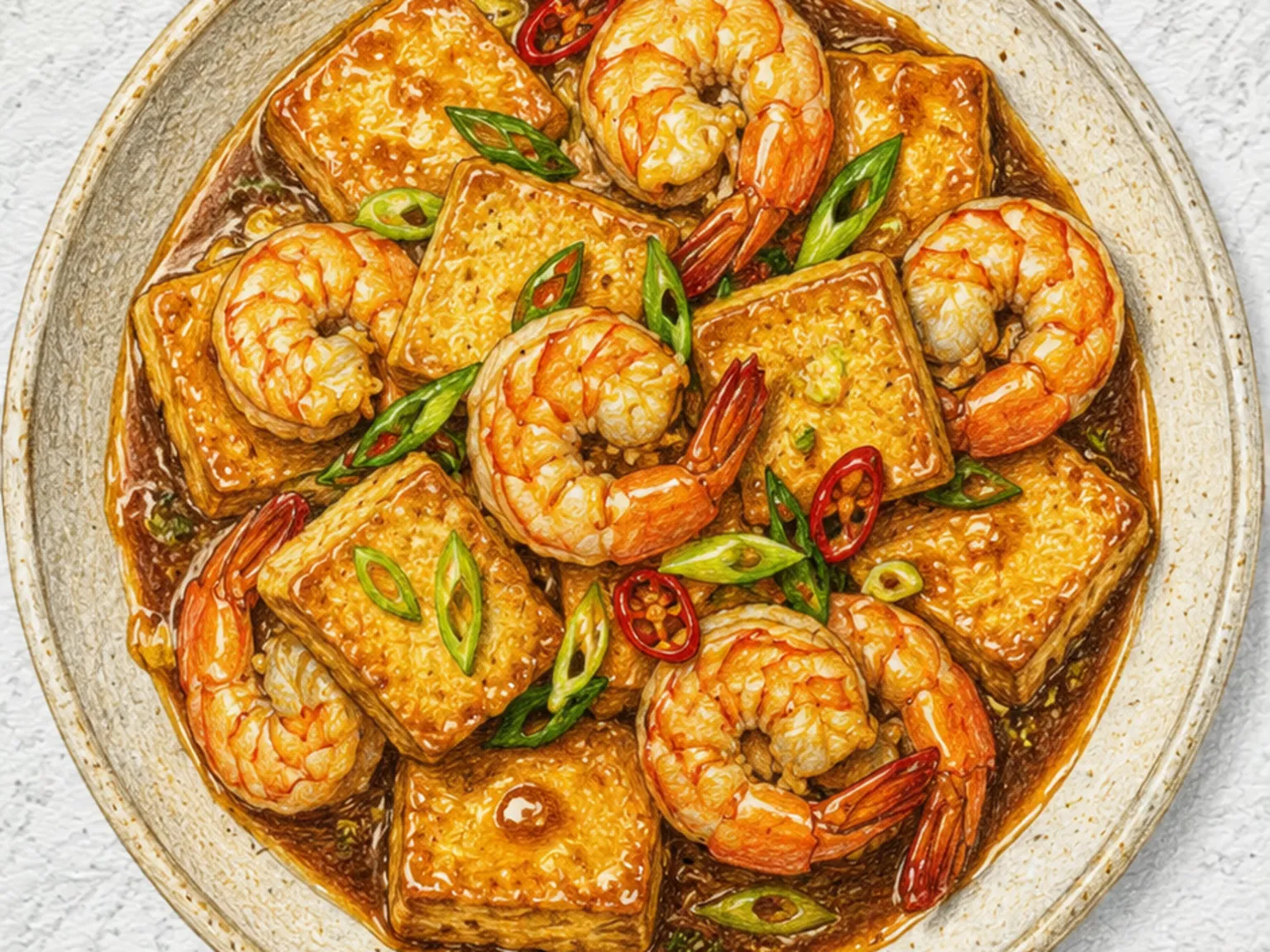
Dubu-saeu-jorim pairs pan-fried tofu with whole shrimp in a soy-based braising sauce - a combination that bridges the protein gap in banchan beyond the usual tofu-only preparations. The tofu is seared first until golden, then set aside while shrimp cook briefly in the same pan, picking up the fond. The braising sauce - soy sauce, garlic, sugar, cooking wine, and a touch of gochugaru - goes in next, and both proteins return to simmer together for five minutes. The shrimp release their marine sweetness into the sauce, which the porous tofu absorbs alongside the soy seasoning. The textural pairing matters: the tofu is yielding and soft, while the shrimp curl and firm up with a springy bite. A banchan that works equally well as a main dish over rice when made in larger quantity.

Prep 15minCook 15min2 servings

Adjust Servings

2servings
servings

Instructions

  1. 1

    Slice tofu into 1.5 cm pieces and pat dry thoroughly.

  2. 2

    Pan-sear tofu in oil until lightly golden on both sides.

  3. 3

    Peel and devein shrimp.

  4. 4

    Mix soy sauce, pepper flakes, garlic, sugar, and water for the braising sauce.

  5. 5

    Add onion and shrimp over tofu, pour sauce, and braise over medium heat for 6 minutes.

  6. 6

    When sauce reduces, add green onion and sesame oil, then simmer 1 more minute.

🛒Shop Ingredients on Amazon

As an Amazon Associate, we may earn from qualifying purchases.

Tips

Searing tofu first helps it hold shape during braising.
Do not overcook shrimp; 6–7 minutes in sauce is enough.

Nutrition (per serving)

Calories
290
kcal
Protein
21
g
Carbs
10
g
Fat
18
g

More Recipes

Korean Braised Eggplant with Shrimp
SteamedEasy

Korean Braised Eggplant with Shrimp

Gaji saeu jorim is a Korean braised dish pairing eggplant with medium shrimp in a soy sauce and oyster sauce base. The shrimp release their natural umami into the sauce as they cook, and the eggplant absorbs every bit of that flavor, turning soft and deeply seasoned. A small amount of gochugaru adds gentle warmth without overpowering the seafood. The contrast between the plush eggplant and the firm, bouncy shrimp gives this banchan an appealing variety of textures.

🍱 Lunchbox
Prep 14minCook 16min2 servings
Korean Spicy Braised Tofu
Stir-fryEasy

Korean Spicy Braised Tofu

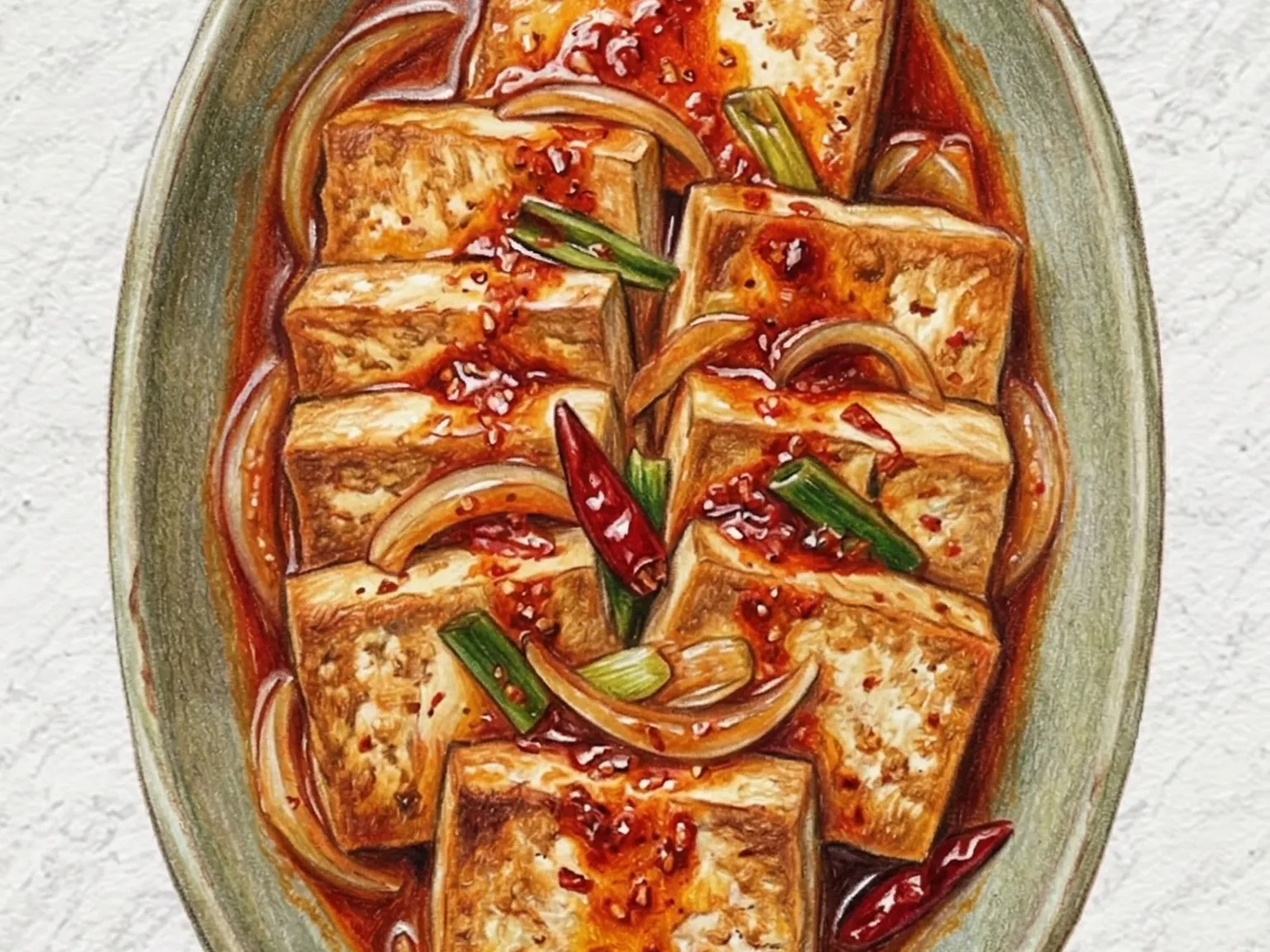
Spicy dubu-jorim pan-sears firm tofu slabs cut 1.5 centimeters thick until golden on both sides, then braises them in a sauce of soy sauce, gochugaru, garlic, and sugar. Searing first firms the tofu so it holds its shape through the eight-minute simmer, during which onion and green onion cook alongside in the reducing liquid. The chili flakes deliver a direct, persistent heat that penetrates the tofu as the sauce thickens, balanced by the sugar's sweetness. A final circle of sesame oil ties the flavors together with a roasted, nutty aroma.

🏠 Everyday🍱 Lunchbox
Prep 10minCook 15min2 servings
Korean Braised Tofu and Mushrooms
Stir-fryEasy

Korean Braised Tofu and Mushrooms

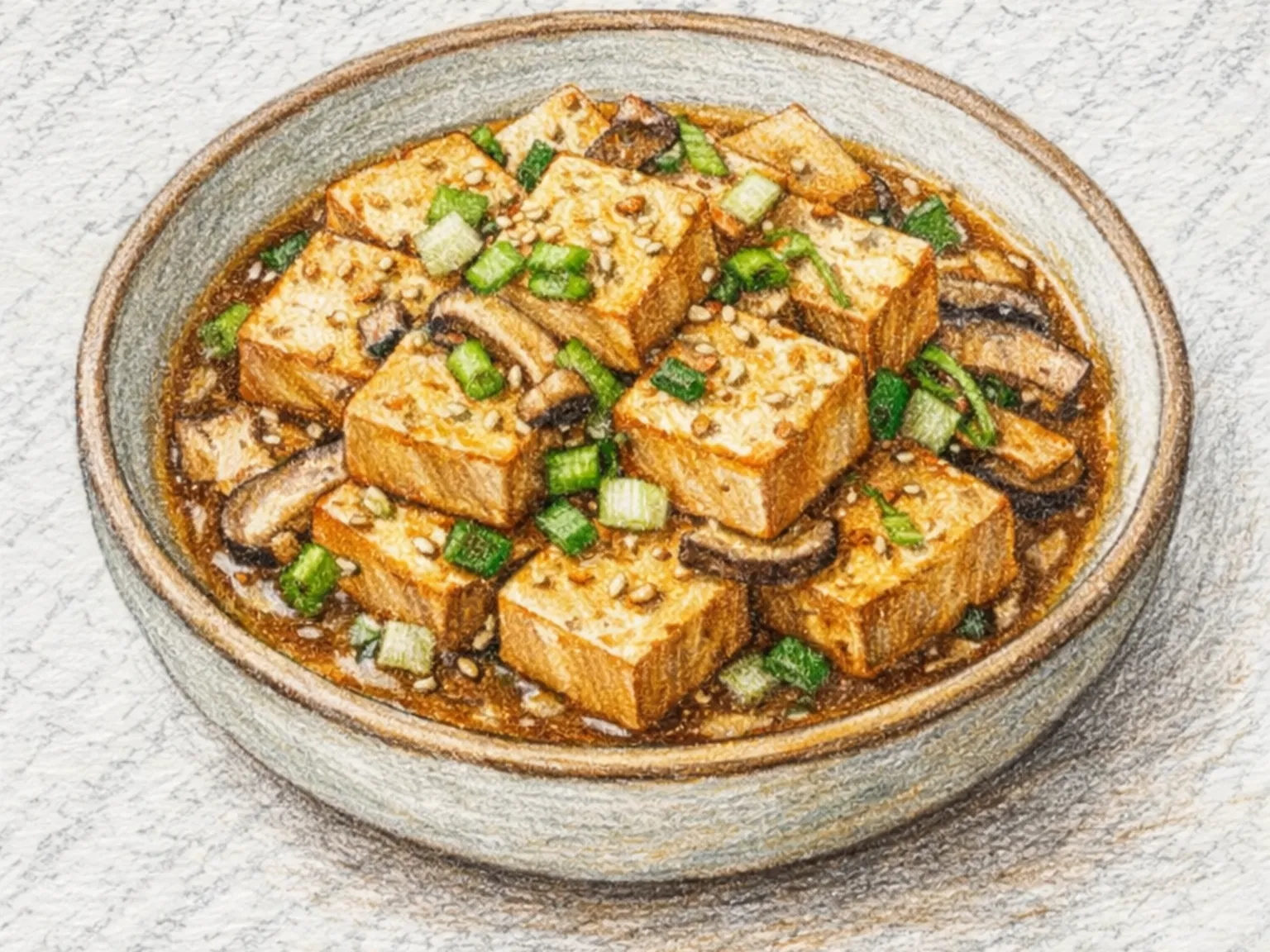
Dubu-beoseot-jorim is a Korean braised dish of firm tofu and oyster mushrooms simmered in a soy-based sauce. The tofu develops a lightly firm exterior while staying soft inside as it absorbs the seasoning. Oyster mushrooms contribute a chewy bite and natural umami that deepens the overall flavor without additional stock. It is a straightforward braise that requires only soy sauce, water, and a few basic seasonings to produce a satisfying result.

🏠 Everyday🍱 Lunchbox
Prep 15minCook 18min3 servings
Korean Braised Tofu with Shishito Peppers
SteamedEasy

Korean Braised Tofu with Shishito Peppers

Kkwarigochu-dubu-jorim is a Korean braised dish of pan-fried tofu and shishito peppers in a soy sauce, gochugaru, and garlic seasoning. The tofu is seared first to create a firm, golden crust that contrasts with its soft interior once it finishes braising in the sauce. Shishito peppers absorb just enough liquid to carry the seasoning while adding their own fresh, vegetal note. Soy sauce and sesame oil pull the flavors together into a cohesive, savory whole, making this a satisfying plant-based banchan that holds its own on any table.

🏠 Everyday🍱 Lunchbox
Prep 10minCook 20min2 servings
Korean Braised Tofu in Spicy Sauce
Side dishesEasy

Korean Braised Tofu in Spicy Sauce

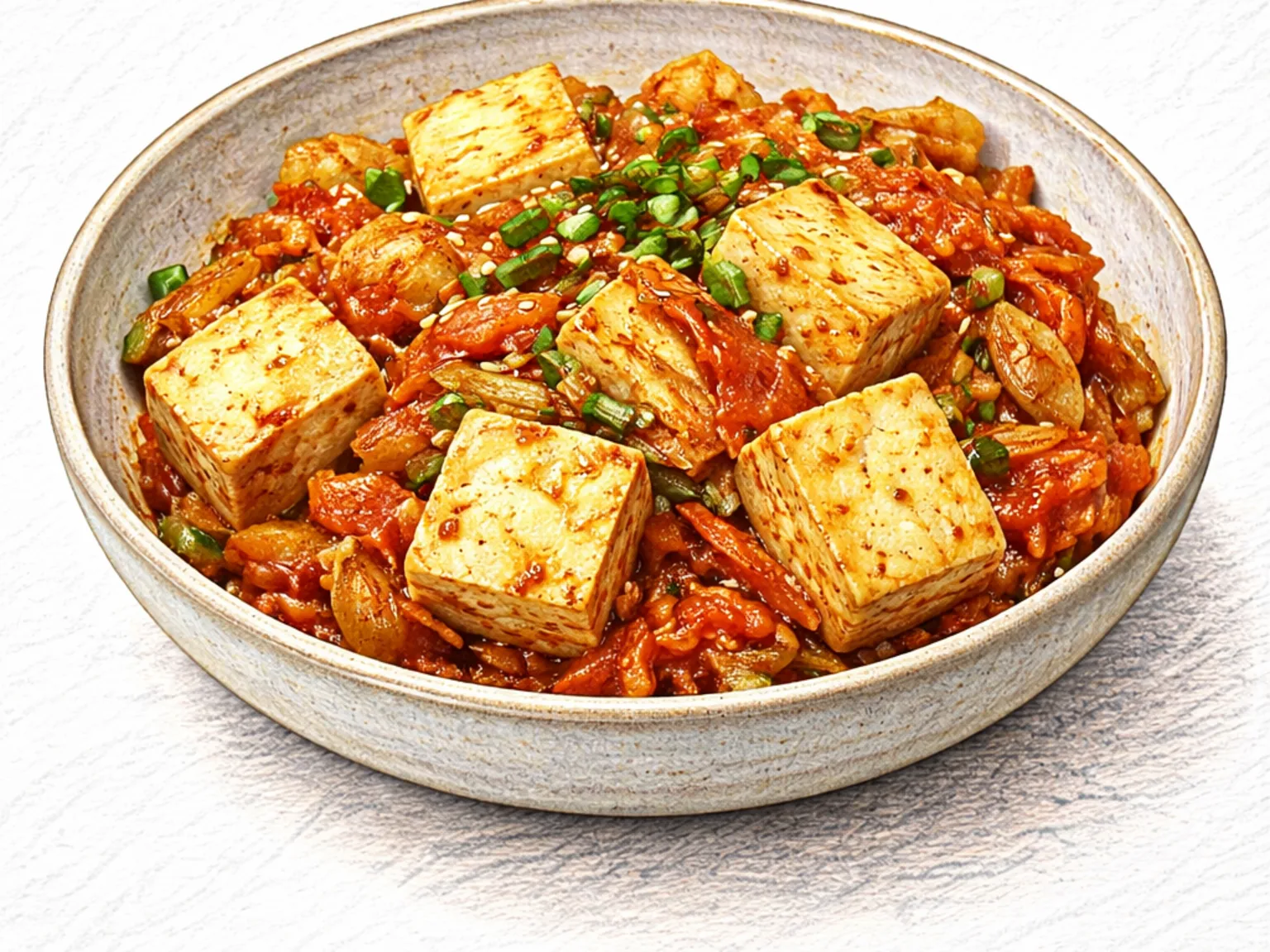
Dubu-jorim is arguably the single most frequently made tofu dish in Korean home kitchens. The technique is straightforward but the sequence matters: tofu must be fried first to build a crust that holds its shape during braising, then simmered in a sauce that penetrates through that crust into the soft interior. The braising liquid - soy sauce, gochugaru, garlic, sugar, and water - reduces around the tofu slabs for eight to ten minutes, concentrating into a thick, spicy-sweet glaze. The finished tofu has three distinct zones: a dark, slightly chewy exterior where sauce has caramelized, a transitional layer where seasoning has seeped in, and a pristine white center that provides a bland, creamy contrast. Korean home cooks often make a double batch on Sunday, refrigerating half for weekday lunches. The dish dates back to Buddhist temple cooking traditions where tofu was the primary protein.

🏠 Everyday🍱 Lunchbox
Prep 10minCook 15min4 servings
Korean Crumbled Tofu Stir-fry
Side dishesEasy

Korean Crumbled Tofu Stir-fry

Dubu seoboro - crumbled tofu stir-fry - is a Korean banchan that transforms a block of tofu into something resembling a dry, granular scramble. The tofu is crumbled by hand into rough, irregular pieces rather than diced, creating varied textures from large curds to fine crumbs. Squeezed thoroughly in a cloth to remove as much moisture as possible, it then goes into a hot pan with diced carrot, onion, and zucchini. The key technique is cooking on high heat without stirring too often, allowing the tofu crumbles to develop lightly golden edges before seasoning with soy sauce and sesame oil. The result is a fluffy, granulated side dish that soaks into rice like a savory topping. Popular in Korean daycare and school lunches because it delivers plant protein in a form that children eat willingly, and it travels well in lunchboxes without leaking.

🥗 Light & Healthy🏠 Everyday
Prep 12minCook 10min2 servings
More Side dishes