Charim

2686 Korean & World Recipes

2686+ Korean recipes, clean and organized. Ingredients to instructions, all at a glance.

Korean Aralia Shoot Pork Belly Skewers
Grilled Medium

Korean Aralia Shoot Pork Belly Skewers

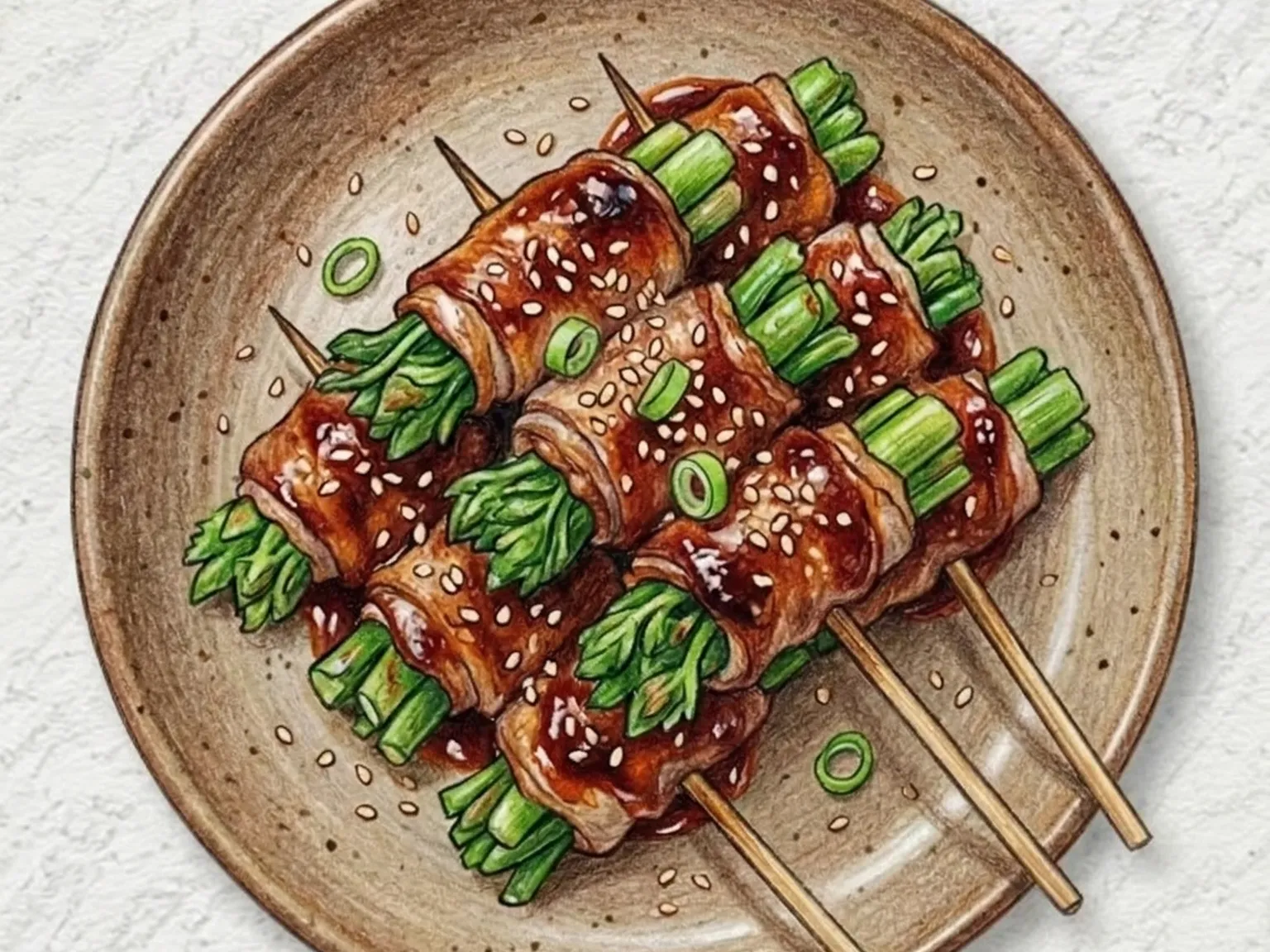
Dureup-samgyeop-kkochi-gui is a Korean spring skewer in which blanched aralia shoots (dureup) are wrapped in thin slices of pork belly, threaded onto skewers, glazed with a gochujang-based sauce, and grilled. The aralia shoots must be blanched in lightly salted boiling water for no more than thirty seconds. Longer blanching destroys the firm, slightly snappy bite and drives off the volatile aromatic compounds responsible for dureup's characteristic bitter-herbal fragrance -- the defining quality that makes this a spring seasonal dish. After blanching, the shoots should be thoroughly blotted dry so the pork belly adheres cleanly without slipping. The glaze is made from gochujang, soy sauce, maesil-cheong (plum extract syrup), minced garlic, and sesame oil, and it should be applied in two stages -- once before grilling and once partway through -- to build up a layered, intensely flavored coating. Over the grill, the fat in the pork belly renders and bastes the dureup inside the wrap, while the shoot's clean, slightly astringent bitterness cuts through the pork's richness in a pairing that is complementary rather than competing. The plum extract in the glaze caramelizes under direct heat into a sticky, sweet-tart lacquer, and a finishing scatter of whole sesame seeds adds both visual contrast and a toasted, nutty close. The dish works equally well as a drinking snack or as a main banchan.

Prep 22min Cook 12min 2 servings

Adjust Servings

2servings
servings

Instructions

  1. 1

    Trim aralia shoots, blanch for 20 seconds, then cool.

  2. 2

    Mix gochujang, soy sauce, plum syrup, and garlic for the sauce.

  3. 3

    Coat pork belly with half the sauce, wrap around aralia, and skewer.

  4. 4

    Start grilling over medium-high heat, turning skewers every 3 minutes.

  5. 5

    Brush remaining sauce and grill 4-5 minutes until browned.

  6. 6

    Finish with sesame oil and sesame seeds, then serve immediately.

🛒Shop Ingredients on Amazon

As an Amazon Associate, we may earn from qualifying purchases.

Tips

Brief blanching keeps aralia aroma and texture intact.
Soak wooden skewers for 10 minutes to prevent burning.

Nutrition (per serving)

Calories
430
kcal
Protein
19
g
Carbs
9
g
Fat
35
g

Goes Well With

Korean Paengi Beoseot Jeon (Enoki Pancake)
Side dishesEasy

Korean Paengi Beoseot Jeon (Enoki Pancake)

Paengibeoseot-jeon is a thin Korean pancake built around 200 grams of enoki mushrooms separated into loose strands and coated in a light batter of pancake mix, egg, and water. Cooked over medium-low heat, the batter spreads thin enough that the edges turn golden and crisp while the mushroom clusters in the center stay moist and chewy. Chopped scallions add color and a mild onion fragrance throughout. The pancake is served with a dipping sauce of soy sauce, vinegar, and a pinch of chili flakes, whose acidity and salt lift the subtle earthiness of the mushrooms. Keeping the heat moderate is essential - too high and the outside burns before the interior sets.

🍺 Bar Snacks🏠 Everyday
Prep 15minCook 12min2 servings
Korean Oxtail Soup
SoupsHard

Korean Oxtail Soup

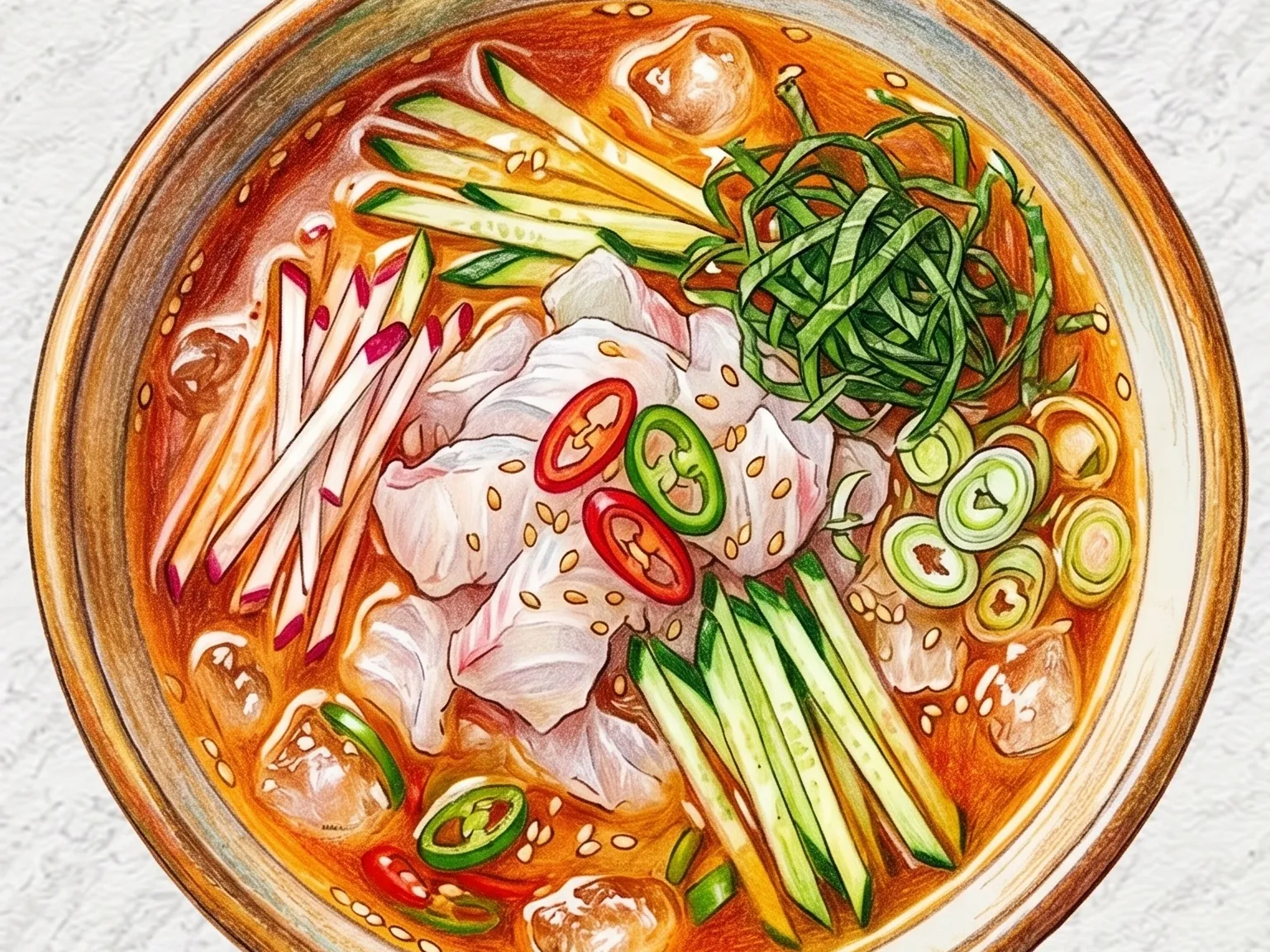
Sokori-guk demands patience - oxtail pieces are soaked in cold water to draw out blood, then placed in a heavy pot with enough water to cover and simmered for at least three to four hours. During that long, slow cook, collagen buried in the joints and connective tissue dissolves into the liquid, producing a broth so rich in gelatin that it sets into a solid block when refrigerated. Skimming fat and foam at regular intervals keeps the final broth a clean, milky white with no greasy residue. The meat, once it slides easily off the bone, is torn along the grain into shreds that are impossibly soft, while the tendon segments offer a pleasantly bouncy chew. Seasoning is deliberately minimal - coarse salt, black pepper, and sliced scallion - because the bones themselves have already contributed all the depth the soup needs. Served with a bowl of steamed rice and a side of kkakdugi, the cubed radish kimchi's sharp tang provides the only counterpoint this quietly powerful broth requires.

🏠 Everyday🎉 Special Occasion
Prep 25minCook 210min4 servings
Korean Dureup Pot Rice (Spring Angelica Shoot Pot Rice)
RiceMedium

Korean Dureup Pot Rice (Spring Angelica Shoot Pot Rice)

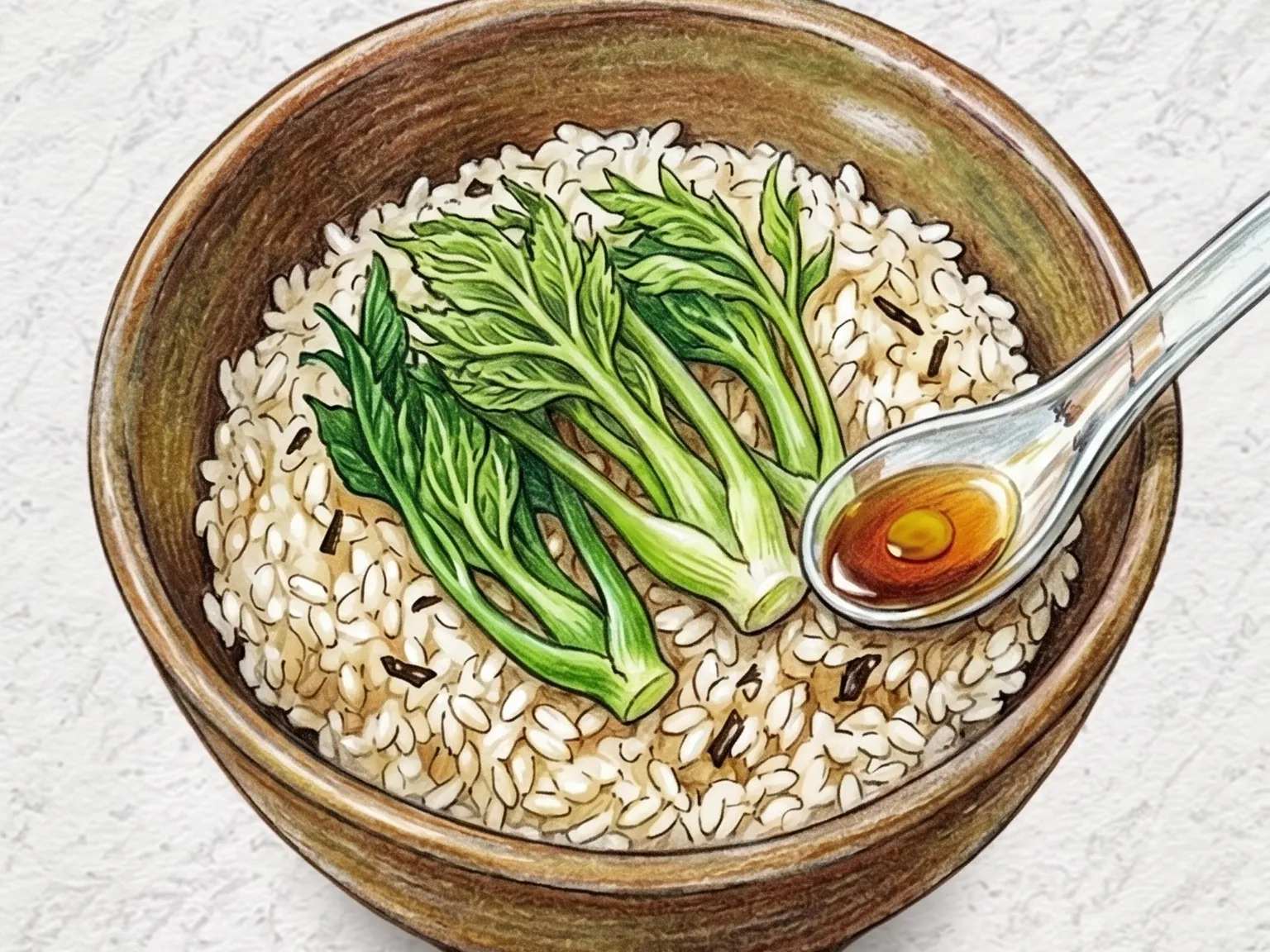
Durup sotbap is a Korean spring pot rice centered on dureup, the young shoots of the Aralia elata tree that appear for only a few weeks between late March and late April. During this narrow season, the shoots carry a pleasantly bitter, faintly woodsy flavor that is unlike any other vegetable used in Korean cooking, and sotbap is one of the most direct ways to taste that character. The rice cooks in kelp stock rather than plain water, giving every grain a subtle umami base, with soup soy sauce and garlic seasoning from within the pot. Blanching the dureup requires restraint: twenty to thirty seconds in boiling water is enough to soften the fibrous ends and mellow the sharpness slightly, while keeping the bright green color intact and the slender stems with just enough resistance. Blanching longer dulls both the color and the flavor. The shoots are placed over the nearly finished rice just before the pot rests with its lid sealed for ten minutes. During that resting period the steam carries the herbal fragrance of the dureup into every grain of rice. The lid must not be opened during this time, as releasing the steam interrupts even cooking. Served with a soy-sesame dipping sauce mixed through the rice, the nuttiness of the oil wraps around the bitterness of the shoots, and the combination captures something specifically tied to early spring in the Korean mountains.

🏠 Everyday
Prep 15minCook 30min2 servings
Korean Cabbage Kimchi (Crunchy Green Cabbage Kimchi)
KimchiEasy

Korean Cabbage Kimchi (Crunchy Green Cabbage Kimchi)

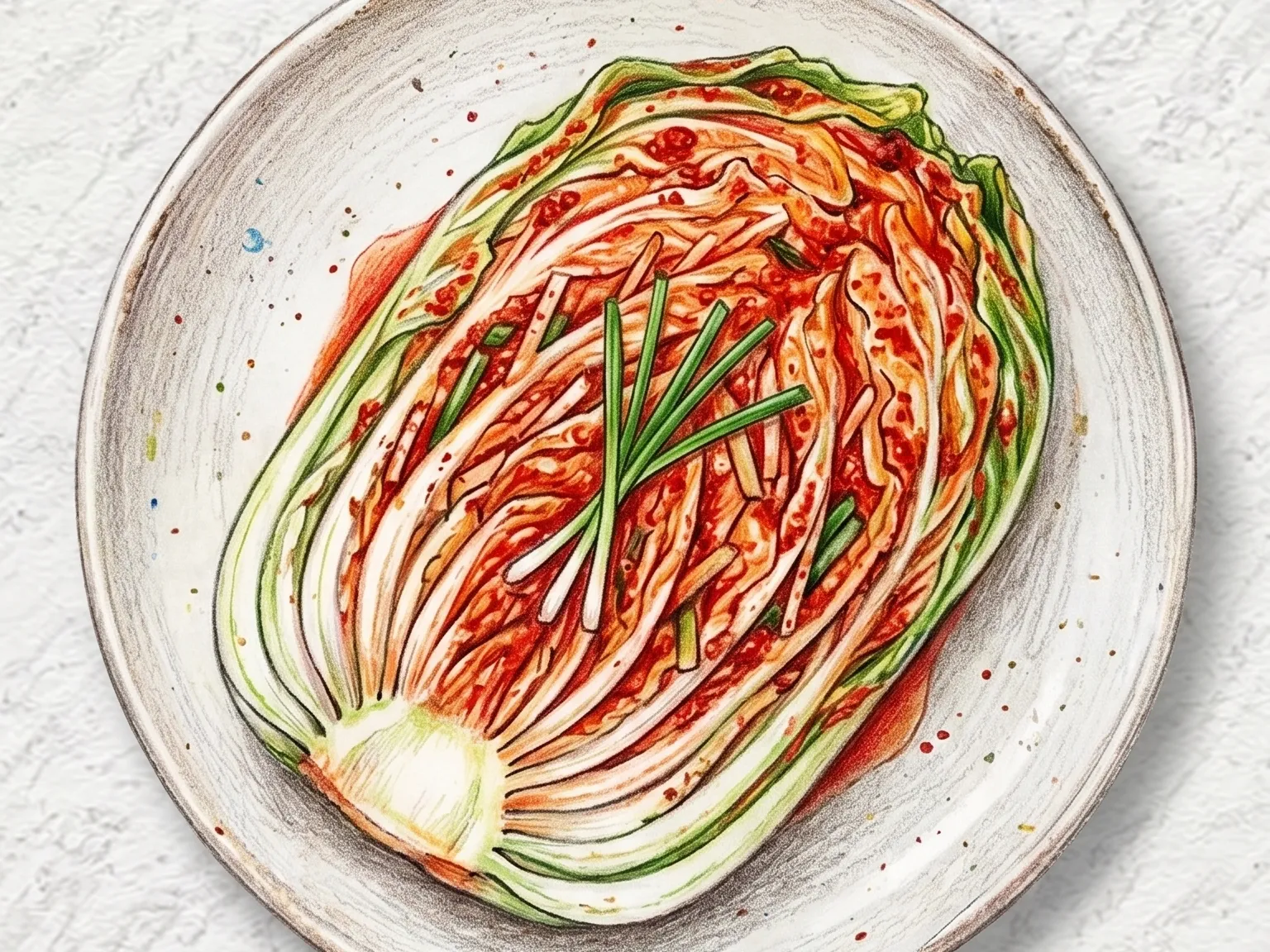
Yangbaechu kimchi is a Korean cabbage kimchi made by salting green cabbage and tossing it with chili flakes, fish sauce, and minced garlic. The thicker leaves and lower moisture content of green cabbage compared to napa cabbage result in a noticeably crunchier texture that persists through fermentation. The natural sweetness of cabbage softens the heat from the chili seasoning, while carrot and scallion pieces add color and freshness. Six hours of fermentation at room temperature followed by refrigeration lets the tanginess develop gradually. It serves as a lighter alternative when traditional napa kimchi feels too heavy.

🏠 Everyday🍱 Lunchbox
Prep 30minCook 10min4 servings

More Recipes

Korean Spicy Pork Bulgogi Grill
GrilledMedium

Korean Spicy Pork Bulgogi Grill

Pork shoulder is marinated for at least thirty minutes in a mixture of gochujang, soy sauce, sugar, and ginger juice, then grilled over high flame. The sugars in the marinade caramelize at high heat, forming a dark, flavorful crust on the surface. Wrapping the grilled meat in fresh lettuce leaves combines the charred smokiness with the crunch and freshness of raw greens.

🍺 Bar Snacks
Prep 30minCook 15min2 servings
Korean Grilled Pork Belly
GrilledEasy

Korean Grilled Pork Belly

Samgyeopsal-gui is Korean grilled pork belly, the country's most iconic barbecue dish, where 400 grams of pork belly is cut into ten-centimeter lengths and grilled on a preheated pan or griddle over high heat without added oil-the alternating layers of fat and lean render enough grease to cook the meat in. Flipping only once, after four to five minutes per side, is critical because frequent turning lets juices escape before the fat has properly rendered and crisped. Once golden and cooked through, the meat is cut into bite-sized pieces with scissors, and thinly sliced garlic is toasted on the same surface until lightly browned. Each piece is eaten wrapped in lettuce with ssamjang, grilled garlic, and green onion, and an optional side of green onion oil dip-sesame oil mixed with salt and chopped scallion-adds nutty depth and a sharp allium kick on top of the pork fat's richness.

🍺 Bar Snacks
Prep 10minCook 20min2 servings
Korean Grilled Pork Neck (Salt-Seasoned Fatty Neck Cut BBQ)
GrilledEasy

Korean Grilled Pork Neck (Salt-Seasoned Fatty Neck Cut BBQ)

Dwaeji-moksal-gui is Korean salt-grilled pork neck sliced one centimeter thick and seasoned with nothing more than coarse salt and black pepper before being laid on a blazing grill. The neck cut is laced with fine intramuscular fat that renders quickly over high heat, basting the meat from within and producing a rich, clean pork flavor that needs no marinade to taste complete. Cuts with roughly a seven-to-three fat-to-lean ratio give the best results, where fat and juice remain in balance through the cooking. Each side must sear for under two minutes over maximum heat to build a dark, caramelized crust while the center stays moist. Flipping repeatedly drops the surface temperature and produces a gray, steamed result rather than the charred exterior that defines the dish. The standard way to eat moksal-gui is in a ssam: a leaf of lettuce loaded with a roasted garlic clove, a smear of ssamjang, and a slice of the grilled meat, folded and eaten in a single bite.

🍺 Bar Snacks
Prep 15minCook 14min2 servings
Korean Beef Skewers (Soy-Glazed Grilled Beef)
GrilledEasy

Korean Beef Skewers (Soy-Glazed Grilled Beef)

Bite-sized beef cubes and chunks of bell pepper and onion are threaded onto wooden skewers in an alternating pattern. The beef marinates for twenty minutes in soy sauce, oligosaccharide syrup, minced garlic, sesame oil, and black pepper before assembly. Grilling over medium-high heat while rotating the skewers lets the marinade reduce into a sticky glaze on the meat, while the vegetables soften and pick up faint char. The result is a hand-held format where each bite delivers soy-seasoned beef alongside lightly smoky, still-crisp vegetables.

🍺 Bar Snacks
Prep 30minCook 12min4 servings
Korean Aralia Shoot Soybean Paste Stew
StewsEasy

Korean Aralia Shoot Soybean Paste Stew

Dureup, the young shoots of the aralia tree, appear for only a few weeks in spring. Their pleasant bitterness and firm bite translate well into the savoury heat of doenjang broth. Anchovy stock forms the base, and both doenjang and gochujang are stirred in together to give the soup an earthy depth with a steady background heat. Zucchini and onion round out the bitterness with sweetness. Tofu fills the bowl with a soft contrast. The shoots go in late in the cooking so their crunch survives the heat of the broth.

🏠 Everyday
Prep 12minCook 16min2 servings
Korean Seasoned Fatsia Shoots
Side dishesEasy

Korean Seasoned Fatsia Shoots

Dureup, the young shoots of aralia elata, emerge for barely three weeks each April from thorny stalks, ranking among the most prized of Korea's spring mountain vegetables. Each shoot carries a distinctive piney, slightly resinous fragrance that cannot be found in any other Korean namul. Blanching the shoots in salted water for exactly 40 seconds softens the fibrous base of the stalk while preserving the volatile aromatic oils concentrated at the leaf tips. The traditional dressing is cho-gochujang, a vinegared chili paste whose acidity and sweetness provide a flavor framework without overwhelming the shoots' natural bitterness. In Korean folk medicine, dureup has long been associated with blood sugar regulation, which contributes to the premium it commands at spring markets. The fragrance fades rapidly after harvest, so the shoots are best eaten the same day they are picked, and even refrigerated storage should not extend beyond one day.

🏠 Everyday🍱 Lunchbox
Prep 10minCook 3min4 servings
More Grilled →