Charim

2686 Korean & World Recipes

2686+ Korean recipes, clean and organized. Ingredients to instructions, all at a glance.

Korean Spring Aralia Soybean Noodle Soup

Korean Spring Aralia Soybean Noodle Soup

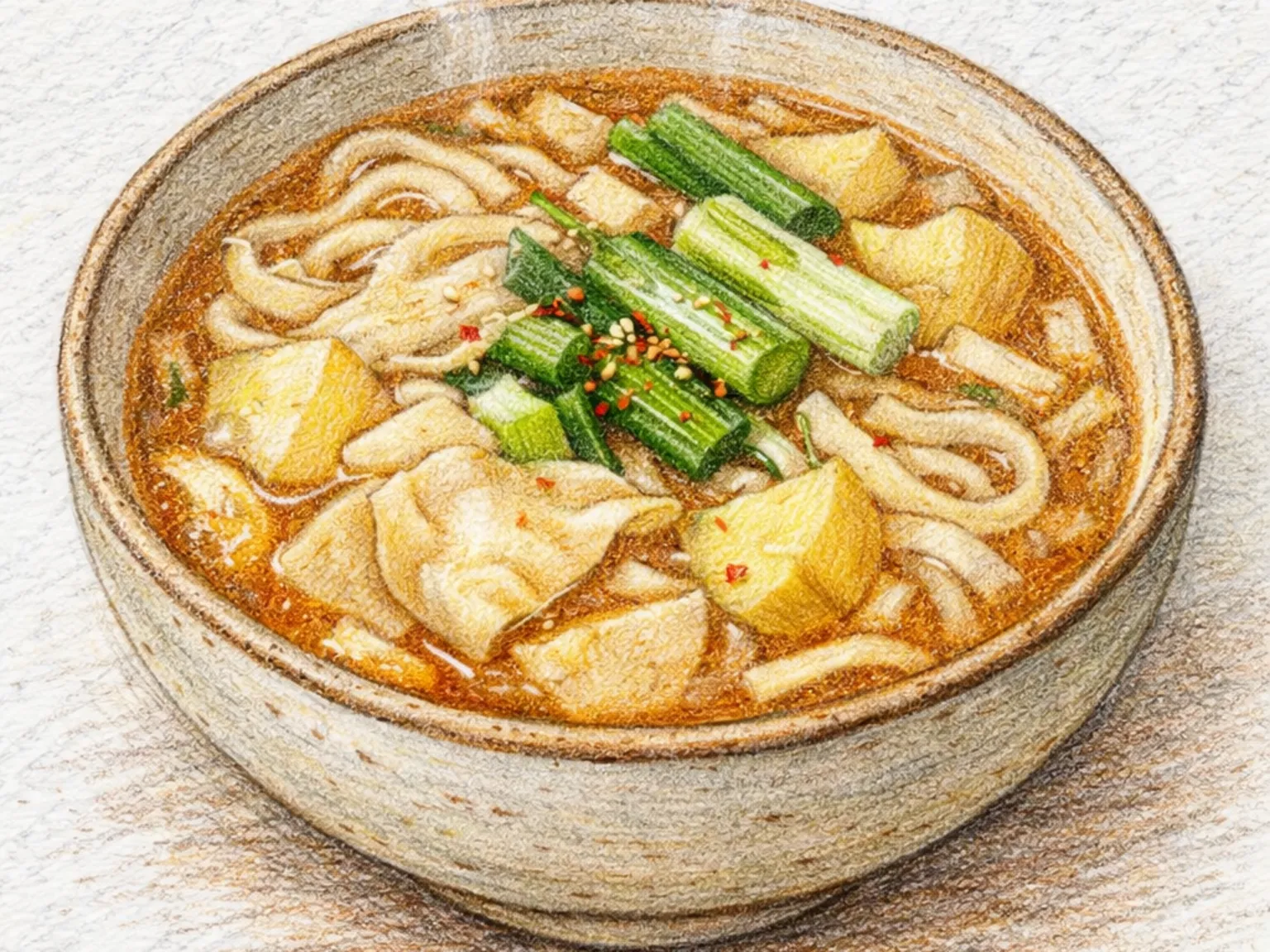
Durup doenjang kalguksu is a seasonal Korean noodle soup that layers blanched aralia shoots over a rich doenjang broth with potato and zucchini. The potato partially breaks down during simmering, lending the broth a natural starchy thickness and mild sweetness that complements the fermented soybean paste. Knife-cut noodles hold up well in the dense liquid, and their chewy bite contrasts with the soft vegetables. The aralia shoots are blanched separately and placed on top just before serving, because boiling them directly in the broth would strip away their distinctive bitter-herbal spring fragrance. This dish is available only during the brief aralia season in early spring.

Prep 15min Cook 20min 2 servings

Adjust Servings

2servings
servings

Instructions

  1. 1

    Trim durup and blanch for 20 seconds, then rinse in cold water.

  2. 2

    Slice potato and zucchini thinly, and chop green onion.

  3. 3

    Bring anchovy stock to a boil and dissolve doenjang through a strainer.

  4. 4

    Add potato and garlic first, simmer 5 minutes, then add noodles.

  5. 5

    When noodles are nearly done, add zucchini and durup and cook 2 more minutes.

  6. 6

    Add green onion, bring to a final boil, and serve immediately.

🛒Shop Ingredients on Amazon

As an Amazon Associate, we may earn from qualifying purchases.

Tips

Add durup near the end to keep its aroma.
Straining doenjang gives a cleaner broth.

Nutrition (per serving)

Calories
520
kcal
Protein
18
g
Carbs
92
g
Fat
9
g

More Recipes

Korean Shepherd's Purse Soybean Paste Noodles
NoodlesEasy

Korean Shepherd's Purse Soybean Paste Noodles

Naengi doenjang kalguksu is a Korean knife-cut noodle soup simmered in anchovy-kelp stock with doenjang and fresh shepherd's purse, a springtime herb prized for its earthy, peppery fragrance. Dissolving the doenjang through a fine strainer keeps the broth smooth rather than cloudy. Soup soy sauce and minced garlic fine-tune the seasoning so the fermented soybean flavor stays rich without becoming overly salty. The noodles cook for four minutes before zucchini and onion are added for two more, allowing their gentle sweetness to melt into the broth. Shepherd's purse goes in only during the final minute with reduced heat, preserving its volatile aroma that would otherwise dissipate. Adjusting salt with soup soy sauce at the end accounts for the varying saltiness across different doenjang brands.

🏠 Everyday
Prep 20minCook 18min2 servings
Korean Beef Brisket Soybean Paste Noodles
NoodlesMedium

Korean Beef Brisket Soybean Paste Noodles

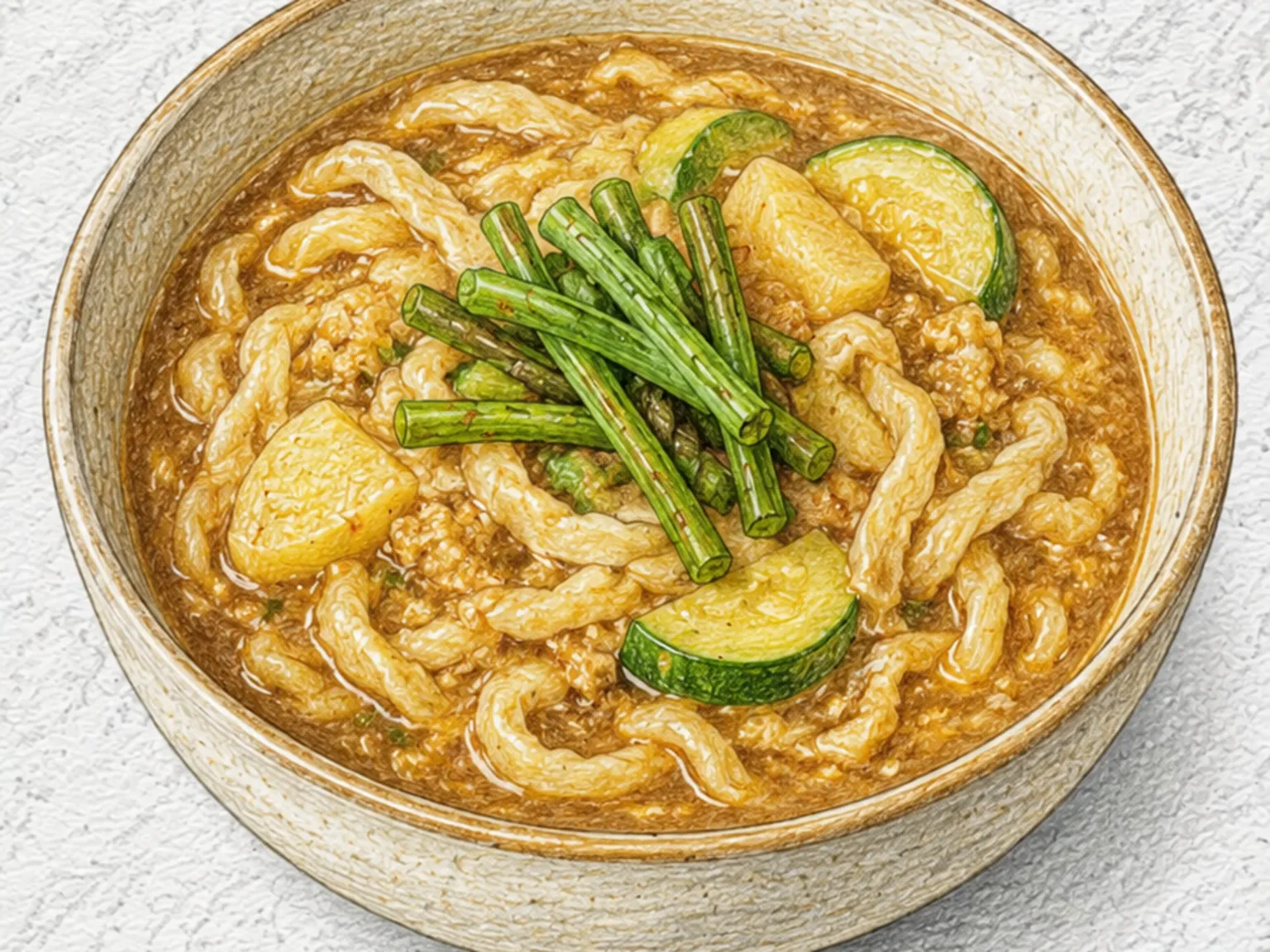
Knife-cut wheat noodles swim in a soybean paste broth enriched by thin slices of beef brisket that release their marbled fat into the simmering liquid. The doenjang lends the broth a fermented, earthy depth, while the brisket fat adds body and a gentle richness that rounds out each spoonful. Because the noodles are hand-rolled and sliced with a knife, their uneven thickness creates varied textures, with thinner edges going silky and thicker centers retaining a satisfying chew. Zucchini, potato, and onion cook alongside the noodles, contributing natural sweetness that tempers the saltiness of the paste. Minced garlic and sliced scallion stirred in at the end lift the aroma. The broth thickens as it reduces, so starting with extra liquid ensures a generous, soupy finish.

🏠 Everyday
Prep 15minCook 20min2 servings
Korean Fermented Soybean Paste Noodle Soup
NoodlesEasy

Korean Fermented Soybean Paste Noodle Soup

Doenjang kalguksu is a Korean noodle soup of knife-cut wheat noodles in an anchovy broth flavored with fermented soybean paste. Straining the doenjang through a sieve as it dissolves prevents lumps and yields a smooth, deeply savory liquid where fermented depth - not raw salt - leads the taste. Zucchini half-moons and sliced shiitake mushrooms add sweetness and aroma to the broth, and cubed tofu brings a soft textural contrast. Timing is important: the final seasoning goes in just before the noodles, because extended boiling can push doenjang toward bitterness.

🏠 Everyday
Prep 10minCook 20min2 servings
Korean Doenjang Thin Noodle Soup
NoodlesEasy

Korean Doenjang Thin Noodle Soup

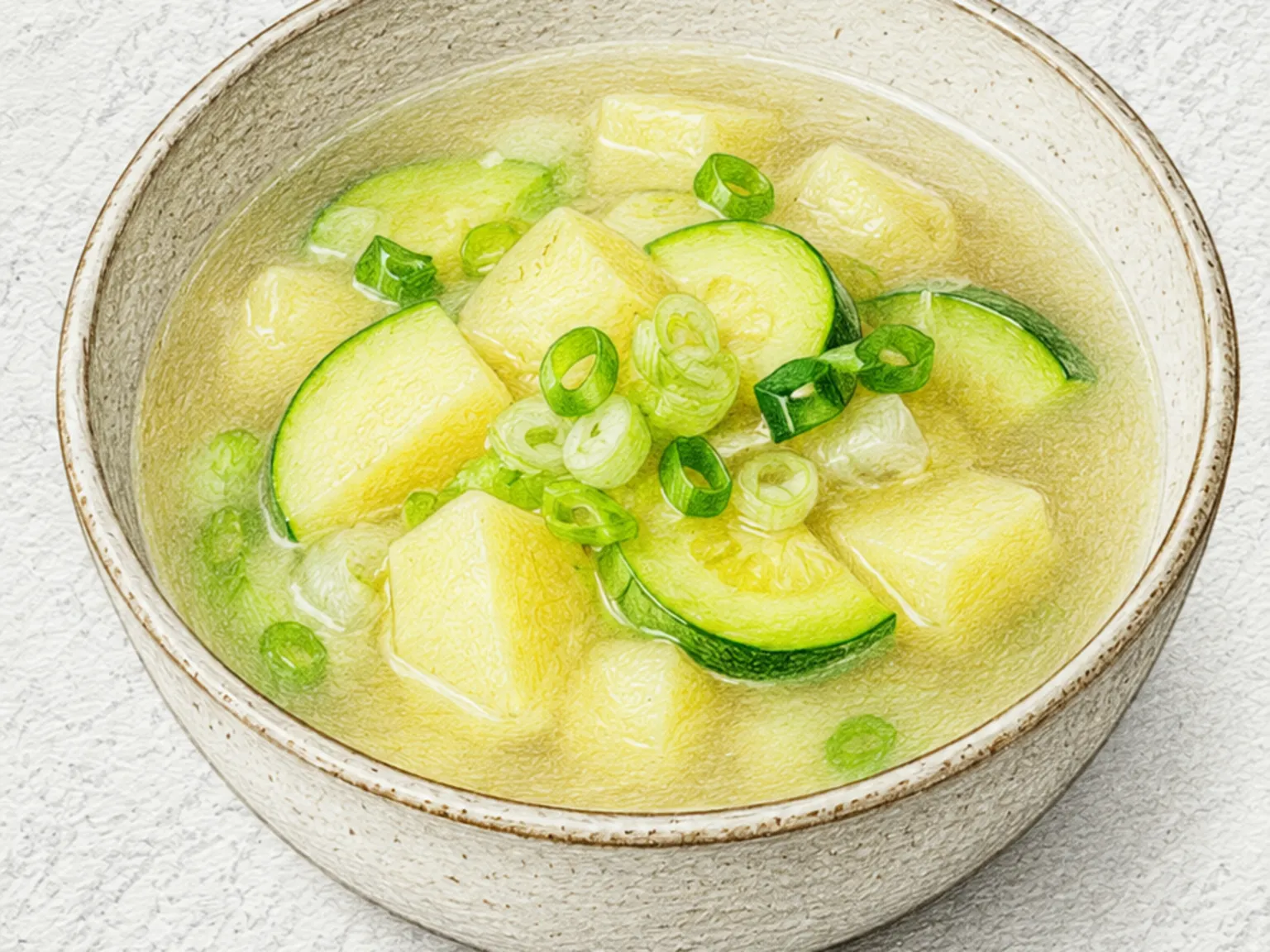
Doenjang somyeon is a simple Korean noodle soup of thin wheat noodles in an anchovy broth flavored with fermented soybean paste. Potato, zucchini, and onion - whatever is on hand in the refrigerator - go into the broth first, releasing moisture and natural sugars that round out the doenjang's earthy depth. The somyeon cook in just three to four minutes, so they go in last to avoid becoming soggy. Sliced green onion scattered on top adds a bright, fresh note to the fermented broth. The ingredient list is short and flexible, making this a practical weeknight dinner with more flavor depth than its simplicity suggests.

🏠 Everyday
Prep 10minCook 15min2 servings
Korean Aralia Shoot Soybean Paste Stew
StewsEasy

Korean Aralia Shoot Soybean Paste Stew

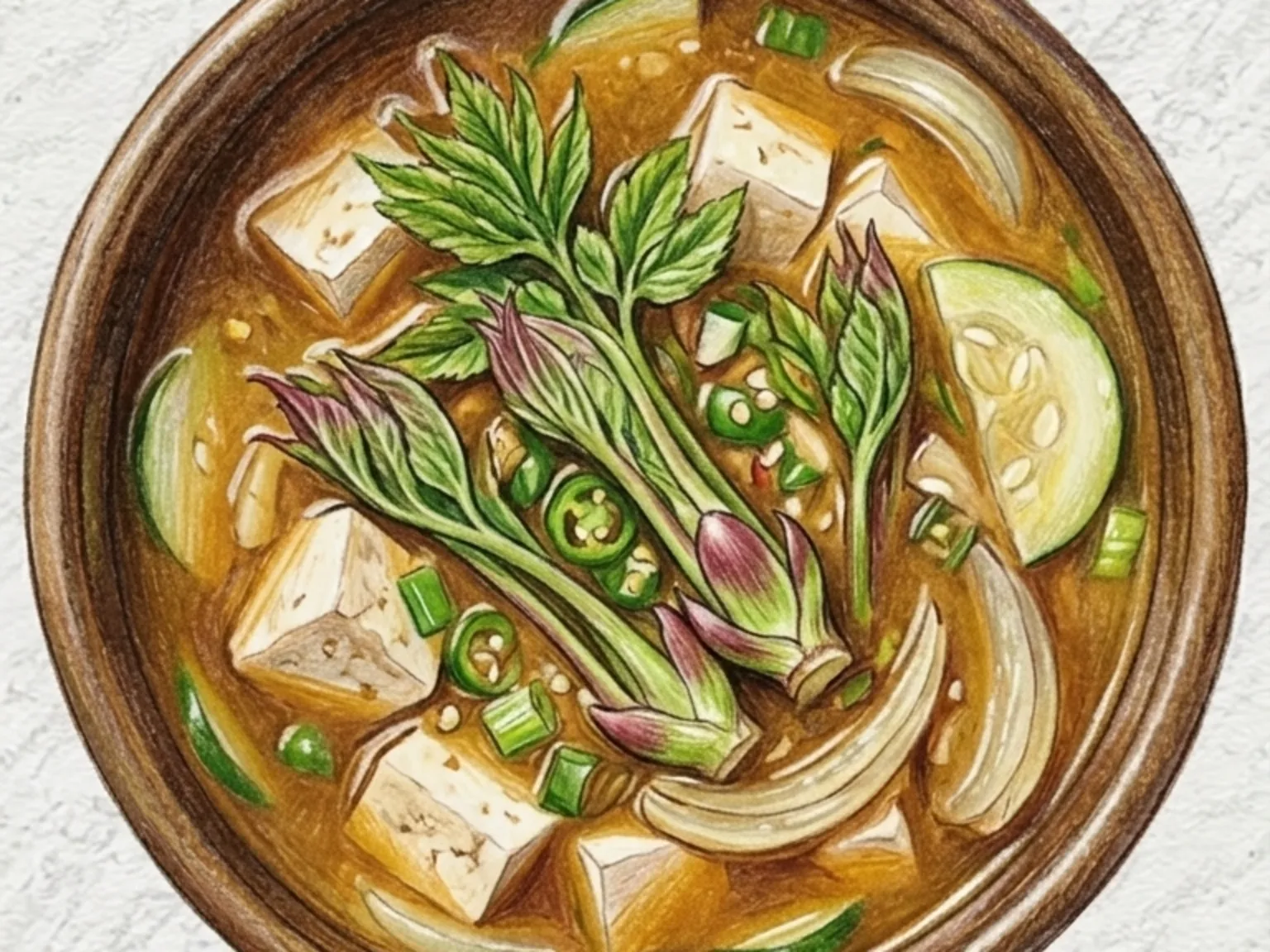
This seasonal doenjang jjigae features dureup (aralia shoots), a mountain vegetable prized in Korean spring cuisine. The shoots have a pleasantly bitter edge and a crisp texture that stands out against the soft tofu and zucchini. Doenjang and a touch of gochujang are dissolved into anchovy stock, yielding a broth that is earthy with a subtle kick. It is a springtime dish that captures the fleeting flavors of the Korean mountains.

🏠 Everyday
Prep 12minCook 16min2 servings
Korean Aralia Shoot Soy Pickle
KimchiEasy

Korean Aralia Shoot Soy Pickle

Durup jangajji is a Korean soy pickle that preserves spring aralia shoots beyond their brief season by curing them in a brine of soy sauce, vinegar, and sugar. Pickling the shoots raw rather than blanching them maintains their crisp stem texture and sharp, bittersweet fragrance for longer. Soy sauce brings umami that complements the woody, wild-herb character of the aralia, while garlic and cheongyang chili add a lingering heat at the finish. Refrigerated, this jangajji keeps for over two weeks, making it a practical way to enjoy the distinctive aroma of spring mountain greens well into the warmer months.

🍱 Lunchbox
Prep 20minCook 15min4 servings
More Noodles →