Dutch Baby Pancake
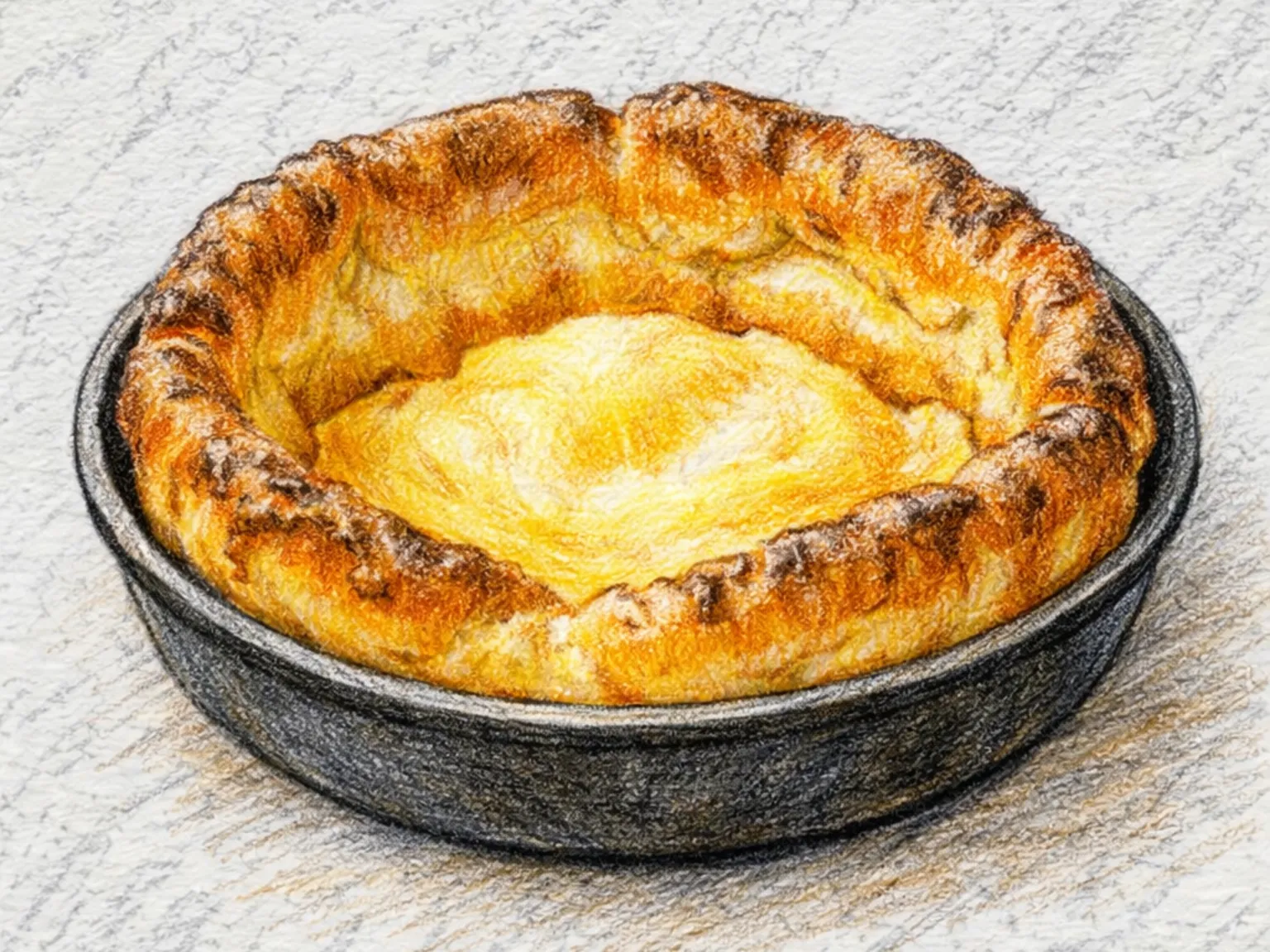
A Dutch baby is a German-American oven-baked pancake made from a thin, loose batter of eggs, flour, milk, and melted butter, poured into a cast iron skillet that has been preheated until it is searing hot. The sudden contact with the hot pan and oven causes the edges to puff dramatically, sometimes rising several inches above the rim and curling inward to form a natural bowl, while the center remains low, custardy, and tender. This contrast between the crisp, golden-brown walls and the soft, eggy base is the whole point of the dish, and the pancake begins deflating the moment it exits the oven, so it needs to go directly to the table while still dramatically puffed. A squeeze of fresh lemon juice over the surface and a heavy dusting of powdered sugar is the classic finishing touch: the bright acidity and the sweetness play directly against the rich, buttery egg base in a way that simple toppings rarely achieve. Fresh berries, sliced stone fruit, or a generous cloud of whipped cream transform it from a simple breakfast into a substantial brunch centerpiece. Getting the skillet genuinely hot -- at least 220 to 230 degrees Celsius before the batter goes in -- is the single most important factor in how high the edges rise. Using eggs at room temperature and letting the mixed batter rest briefly before pouring also contributes to even, dramatic puffing.
Adjust Servings
Instructions
- 1
Blend eggs, milk, flour, sugar, vanilla into a smooth batter.
- 2
Preheat a cast iron skillet in 220C oven for 5 minutes.
- 3
Melt butter in hot pan, pour in batter.
- 4
Bake 18-20 minutes until dramatically puffed.
- 5
Dust with powdered sugar and lemon juice, serve immediately.
As an Amazon Associate, we may earn from qualifying purchases.
Tips
Nutrition (per serving)
Goes Well With

Black Sesame Brownies
Black sesame brownies are built on a base of dark chocolate and butter melted together over a double boiler, with roasted black sesame powder sifted in before folding. The bitter edge of the chocolate meets the toasted, grain-like aroma of the sesame, adding a nutty depth that standard brownies lack. The cake flour ratio is kept low to produce a fudgy, dense center that stays slightly underdone-looking even after the full bake at 175 degrees Celsius for twenty to twenty-five minutes. Because black sesame powder is naturally oily and prone to clumping, it must be sifted together with the flour and salt before going into the batter - skipping this step leaves uneven pockets of undistributed sesame. Pull them from the oven with a faint wobble at the center, and the residual heat finishes the interior as the pan cools. Wait until fully cool before cutting for clean edges.

Chicago Deep Dish Pizza
Chicago deep dish pizza is a pie-style pizza where dough is pressed into a deep cast iron or dark metal pan to cover the bottom and climb the walls, then layered with mozzarella cheese and Italian sausage before crushed tomatoes and oregano are spread across the top. Positioning the sauce on the uppermost layer shields the cheese from direct oven heat, preventing it from scorching while the tomato reduces and concentrates over the long bake. The sausage must be pre-cooked with onion to drive off excess moisture, keeping the thick base from turning soggy under the weight of the filling. Stretching the dough wide enough to reach the rim keeps the molten contents contained during baking. After 30 to 35 minutes at 220 degrees Celsius, the pizza requires at least ten minutes of resting before slicing so the interior sets and the layers hold their shape when cut. The dish traces its origins to Pizzeria Uno in Chicago in 1943 and has since become one of the city's defining foods.

Fruit Yogurt Salad
Apple, banana, strawberry, and blueberry are cut into bite-sized pieces and folded into plain yogurt for a fruit salad where the dressing serves as background rather than centerpiece. The yogurt provides gentle acidity that anchors the sweetness of the fruit without overwhelming it. Honey softens the sharper edge of the yogurt, and a squeeze of lemon juice does double duty: it slows the browning of cut apple and banana while leaving a clean citrus note on the finish. Roughly chopped walnuts scattered over the top introduce a crunchy, slightly bitter contrast to the soft fruit and smooth yogurt, breaking the monotony of texture. Swapping in seasonal fruit makes the recipe adaptable year-round without adjusting the base formula - peaches and melon in summer, persimmon and pear in autumn all work within the same yogurt, honey, and lemon framework. Light enough for a morning meal and refreshing enough after a heavy dinner, it sits comfortably in either role.

Fresh Lemon Ade
Fresh lemonade is a citrus drink assembled by pouring hand-squeezed lemon juice and simple syrup over ice, then topping slowly with sparkling water. The sharp acidity of fresh lemon is tempered by the syrup's rounded sweetness, creating a balance that bottled juice cannot replicate. A tiny pinch of salt amplifies both the sweet and sour notes simultaneously, a small addition with a noticeable effect. Lemon slices and mint leaves added to the glass release fragrance continuously as the drink sits. Pouring the sparkling water last and gently preserves the carbonation through every sip, so the order of assembly matters as much as the ingredients themselves.
More Recipes

Maple Pecan Pound Cake
Maple syrup and toasted pecans anchor this dense, buttery pound cake with woodsy sweetness and deep nuttiness. Brown sugar replaces white, contributing a caramel undertone that aligns naturally with the maple flavor. Creaming the room-temperature butter and sugar for several minutes introduces enough air to lighten the heavy crumb without losing the characteristic density of a pound cake. Eggs added one at a time keep the emulsion stable, and alternating the dry ingredients with milk and maple syrup prevents the batter from splitting. Toasting the pecans for five minutes before chopping and folding them in amplifies their flavor and ensures even distribution throughout each slice. At 170 degrees Celsius, the cake bakes for roughly 45 minutes; if the top darkens too quickly, a foil tent protects it while the center finishes setting. A skewer emerging mostly clean signals doneness. Resting the cake wrapped overnight allows the maple oils to permeate every layer of crumb, producing a deeper, more unified flavor the next day.

Fluffy Pancakes
A straightforward American breakfast staple built from flour, egg, milk, and melted butter. Baking powder lifts the batter into thick, pillowy rounds with a golden-brown exterior. The key to a tender pancake is restraint when mixing: a few small lumps in the batter are preferable to a smooth but overworked one, which produces a tough, chewy result. Resting the batter for five to ten minutes lets the gluten relax and the leavener activate fully, yielding a noticeably fluffier rise on the griddle. Cooking over medium-low heat prevents the outside from scorching before the center sets. Maple syrup, fresh berries, or a pat of butter on the warm stack are the classic accompaniments.

Brownie Cookie Bars (Layered Brownie and Cookie Bar)
Brookie bars combine brownie batter and cookie dough in a single baking pan, stacking the two components so that each cut piece delivers both in one bite. The cookie layer sits at the bottom of the pan and is built on brown sugar and melted butter, which together produce a deep caramel flavor that plain white sugar cannot achieve. At the edges, where the batter is thinnest and heat penetrates fastest, the cookie bakes into a crisp, snapping crust. Toward the center, the same layer stays chewy and slightly underdone, with a pull to the texture that contrasts with the firmer brownie above. The brownie layer uses both cocoa powder and dark chocolate chips, a dual approach that delivers two distinct expressions of chocolate flavor. Cocoa powder spreads its bitter intensity throughout the entire layer, while the chips melt into pockets of concentrated richness that survive as soft inclusions in the finished bar. Where the two layers press against each other during baking, a narrow transition zone forms in which cookie and brownie are partially merged. This interstitial region carries the vanilla-butter warmth of the cookie alongside the bitter darkness of the brownie simultaneously. The bars must cool completely before cutting. Removing them from the pan too soon results in crumbling and smearing that destroys the clean cross-section that makes brookie bars visually satisfying.

Flaky Oven Biscuits
Buttermilk biscuits are built on the tension between cold butter and high oven heat. Cubes of chilled butter are cut into flour until pea-sized pieces remain, and the dough is brought together quickly with buttermilk - just enough mixing to bind, no more. In the oven, the butter melts and releases steam, forcing the dough apart into flaky, irregular layers. The exterior bakes to a golden, slightly crisp shell while the interior stays soft and crumbly. Buttermilk provides a faint tanginess that sharpens the overall flavor and reacts with baking soda to give the biscuits additional lift. Overworking the dough is the most common mistake, as it develops gluten and produces a tough, bread-like result instead of the tender, pull-apart texture that defines a good biscuit. Split while still warm and spread with butter and jam, they are a cornerstone of American Southern breakfast. Lower-protein flour produces a more tender crumb, and keeping the butter frozen until just before use helps maintain the distinct layers throughout baking.

Loaded Baked Potato
Loaded baked potato starts with a russet potato baked whole at 200 degrees Celsius for about 50 minutes until the inside is fluffy and the skin is crisp. Rubbing the skin with salt and butter before baking and poking holes with a fork ensures even heat penetration and a thin, crunchy shell. The hot potato is split open, the flesh is fluffed with a fork, then piled with shredded cheddar cheese - which melts on contact - crumbled crispy bacon, cold sour cream, and chopped chives. The sour cream's cool tang balances the salty bacon and rich cheese, while the chives add a mild onion freshness. No additional cooking is needed beyond the bake itself, making it equally suited as a side dish or a full meal.

BBQ Ribs
BBQ ribs begin with a rack of pork spare ribs rubbed thoroughly with paprika, brown sugar, garlic powder, and black pepper, then left overnight so the seasoning penetrates deep into the meat. Low-and-slow cooking at around 130 degrees Celsius for two or more hours breaks down connective tissue until the meat separates cleanly from the bone without pulling. The dry rub caramelizes against the rendered fat into a sticky, darkened crust that carries the most concentrated flavor. A final glaze of barbecue sauce layers smoky sweetness and a faint vinegar tang over that crust, so each bite alternates between savory depth and bright acidity. Served alongside coleslaw or grilled corn, the side dishes offset the heavy richness of the ribs. Skipping the overnight rest or rushing the oven time produces noticeably tougher, less flavorful results.