Korean Grilled Pork Neck (Salt-Seasoned Fatty Neck Cut BBQ)
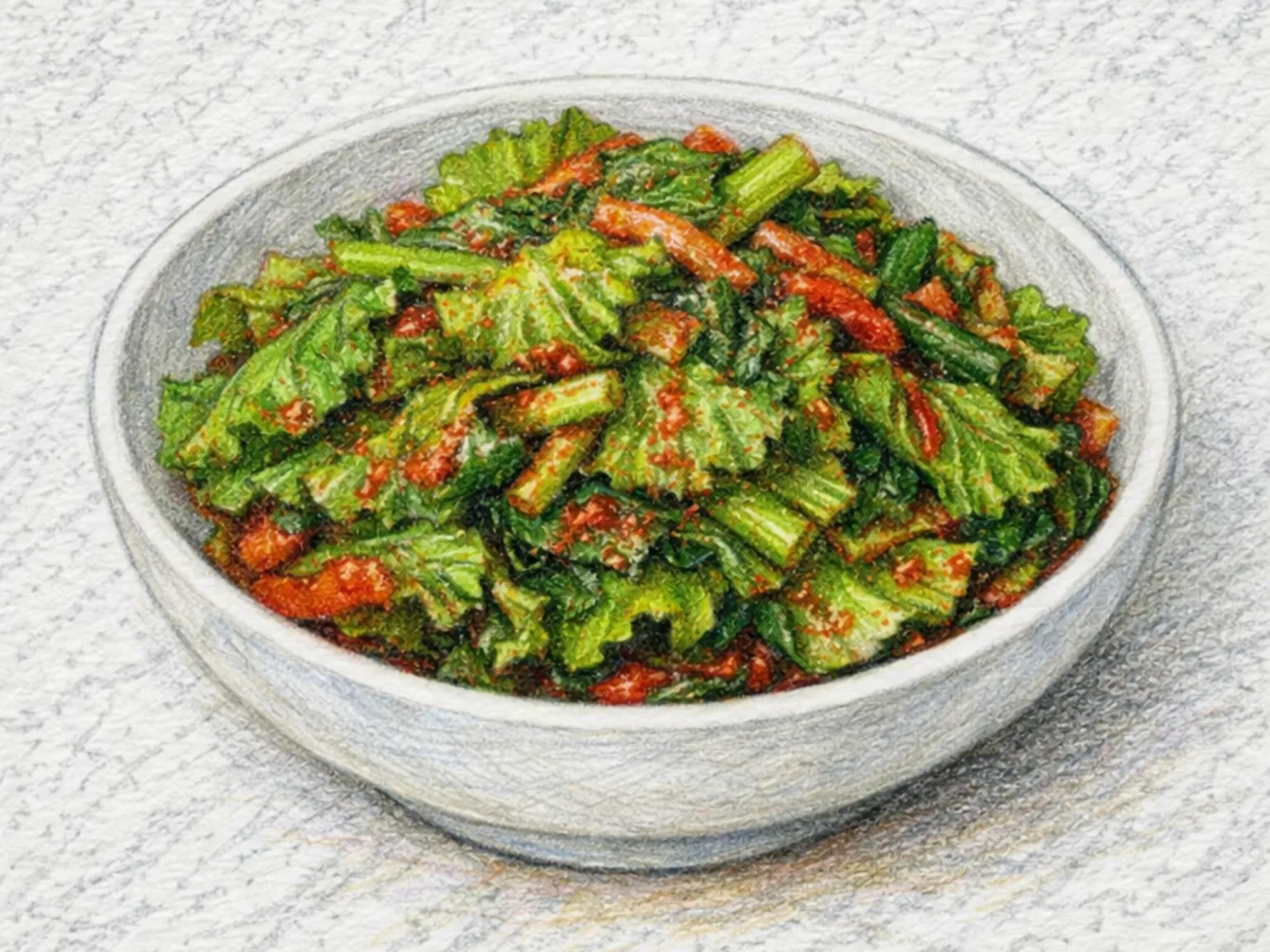
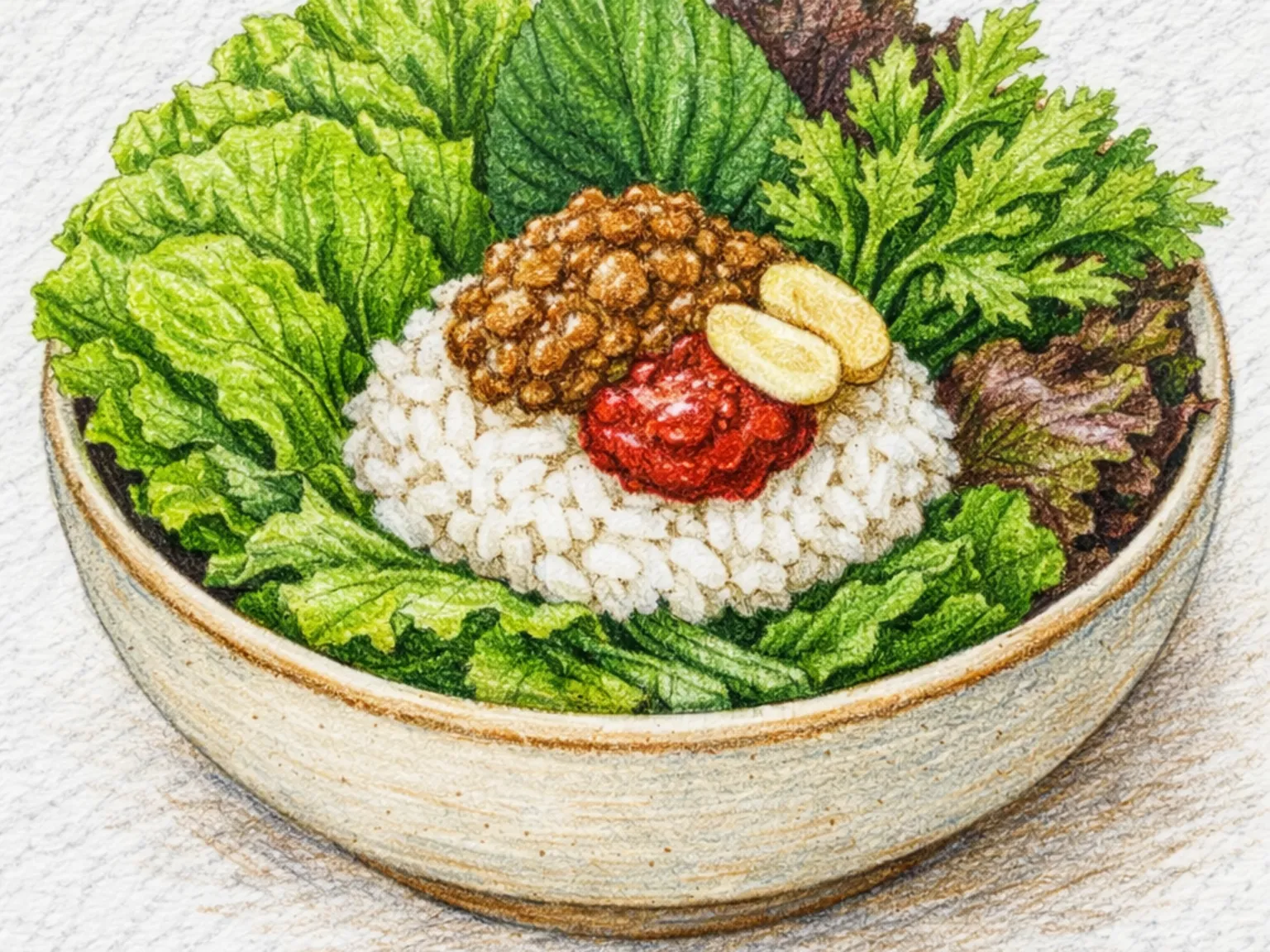
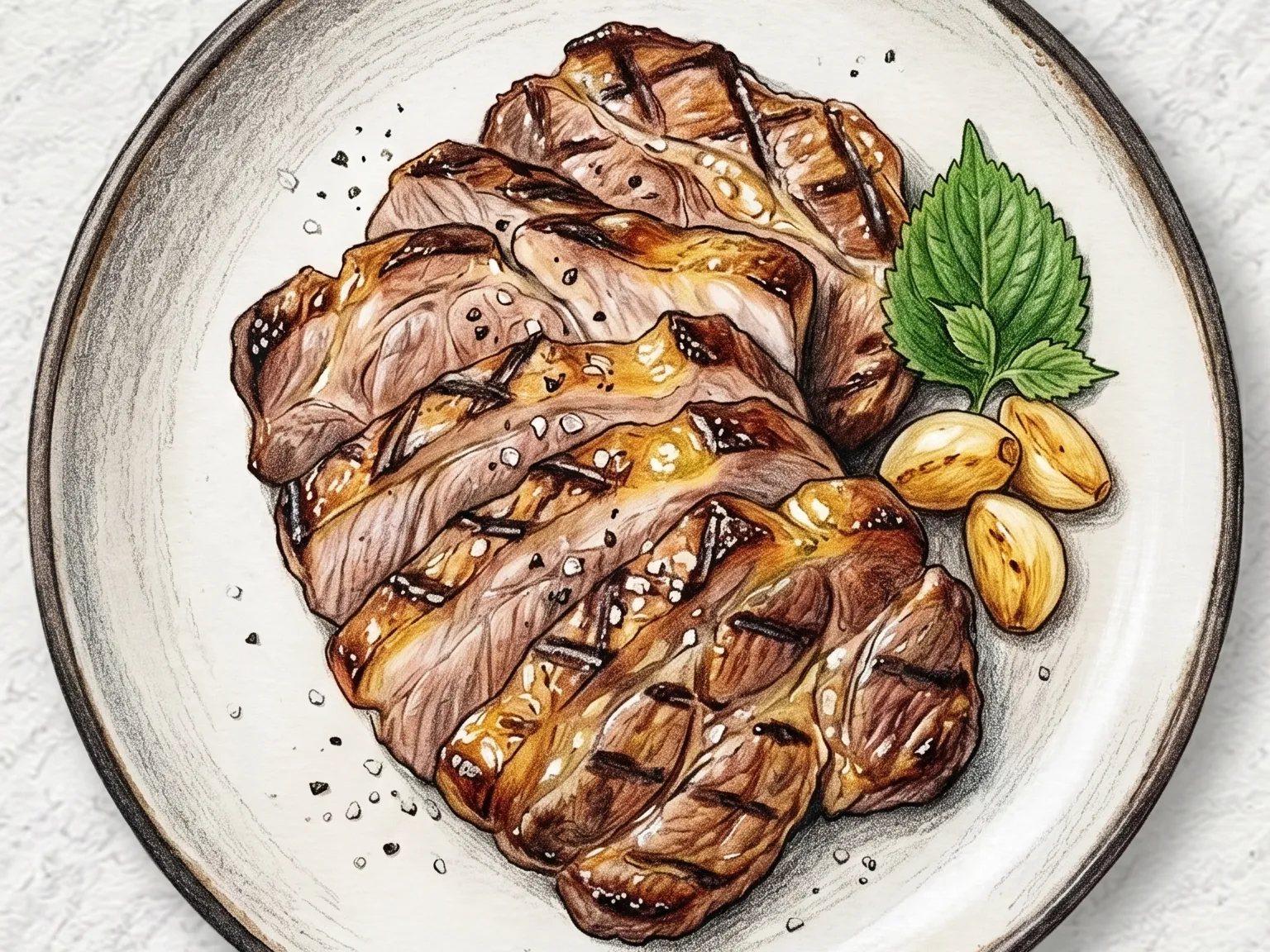
Dwaeji-moksal-gui is Korean salt-grilled pork neck sliced one centimeter thick and seasoned with nothing more than coarse salt and black pepper before searing on a blazing grill. The neck cut is threaded with fine intramuscular fat that renders during cooking, producing a self-basting effect and a rich, porky flavor that needs no marinade-the best pieces have roughly a seven-to-three fat-to-lean ratio. Each side should cook for under two minutes over maximum heat to develop a dark sear while keeping the interior moist; flipping too often drops the surface temperature and produces a steamed, gray result instead of charred grill marks. The standard Korean barbecue way to eat it is in a lettuce wrap with a roasted garlic clove and a dab of ssamjang.
Adjust Servings
Instructions
- 1
Pat pork dry, season with salt and pepper, and rest for 10 minutes.
- 2
Preheat a pan well over high heat.
- 3
Sear both sides, then lower to medium heat to finish cooking through.
- 4
Add garlic slices and grill together for aroma.
- 5
Finish with a little sesame oil, slice, and serve.
As an Amazon Associate, we may earn from qualifying purchases.
Tips
Nutrition (per serving)
More Recipes

Korean Grilled Soy-Doenjang Pork
Maekjeok-gui is a traditional Korean grilled pork dish with roots tracing back to the Goguryeo dynasty, made by marinating thick-cut pork neck in a paste of doenjang, soy sauce, rice syrup, minced garlic, ginger powder, sesame oil, and black pepper. The fermented soybean paste fuses with the pork's intramuscular fat during grilling, producing a deep, savory intensity, while the viscous rice syrup transforms into a shiny glaze under heat. Shallow scoring on both sides of the pork allows the marinade to reach the center of each thick slice, and lowering the heat for the final glaze application prevents the doenjang from burning and turning bitter. Resting the meat for two minutes under sliced green onion before cutting lets the juices redistribute evenly.

Korean Grilled Pork Skirt Meat
Galmaegisal-gui is grilled pork skirt meat from the diaphragm, lightly seasoned with soy sauce, garlic, and black pepper, then seared fast over charcoal or a screaming-hot pan. Each pig yields only 200 to 300 grams of this cut, making it a rare find that Korean barbecue enthusiasts seek out for its coarse grain, strong chew, and distinctive porky richness similar to beef skirt steak. The meat is thin enough that each side needs less than a minute over maximum heat-just long enough for the surface to caramelize while the center stays slightly pink, since overcooking toughens the fibers and destroys the springy texture. Dipping each piece immediately into a dish of sesame oil mixed with salt layers the smoky char with a warm, nutty richness.

Korean Grilled Pork Makchang
Makchang-gui is a Korean grilled pork large intestine dish where the offal is thoroughly cleaned, blanched for seven minutes to remove impurities and excess fat, then coated in a spicy marinade of gochujang, soy sauce, sugar, minced garlic, gochugaru, sesame oil, and black pepper. The blanching step is non-negotiable-it eliminates off-flavors and firms the intestine's texture so it holds up on the grill. After fifteen minutes of marinating, the wrinkled surface absorbs the sweet-spicy sauce, which caramelizes into a dark, sticky glaze over medium heat as the interior moisture slowly evaporates. The result is a chewy exterior with a rich, fatty interior that releases its flavor gradually with each bite, and patience with medium heat prevents the sugar-heavy sauce from burning.

Korean Grilled Squid and Pork
Osam-gui is a Korean mixed grill of squid and pork belly marinated together in a spicy sauce of gochujang, soy sauce, sugar, minced garlic, and sesame oil, then cooked on a pan or grill. As the pork belly renders its fat, it merges with the marinade to form a rich, savory-spicy sauce in the pan that the squid absorbs during cooking, producing a deeper flavor than either ingredient would achieve alone. The two proteins cook at very different rates, so the pork belly goes in first for five to six minutes to render its fat and partially cook through before the squid is added-squid toughens past three to four minutes of heat exposure. The gochujang paste scorches easily at high temperatures, so maintaining medium heat and turning the pieces frequently is necessary to build a glossy glaze without any burnt bitterness.

Korean Kimchi Pork Crispy Dumplings
Kimchi pork gunmandu are pan-fried dumplings with a filling of ground pork, well-drained kimchi, garlic chives, firm tofu, soy sauce, garlic, and sesame oil. The near-equal ratio of 180g pork to 150g kimchi puts the kimchi's fermented tang front and center. Garlic chives add a sharp, onion-like depth, and the tofu absorbs excess moisture from the filling to prevent wrapper breakage. The dumplings are first pan-fried to crisp the bottoms, then steamed with a splash of water, and finished uncovered to evaporate remaining liquid.

Korean Butter-Grilled Scallops
Golden-crusted scallops seared in garlic butter with a squeeze of lemon, ready in under ten minutes as a stunning appetizer or drinking snack. Removing all surface moisture is the most critical step because residual water causes steaming rather than searing, preventing the caramelized brown crust from forming. Each side cooks for only one to two minutes at high heat so the interior stays translucent and the texture remains supple rather than rubbery. The remaining butter and minced garlic are added at the end to build aroma, and a squeeze of lemon juice with chopped parsley layers acidity and herb fragrance over the richness.