Charim

2686 Korean & World Recipes

2686+ Korean recipes, clean and organized. Ingredients to instructions, all at a glance.

Japanese-Style Chili Shrimp (Ebi Chili)
Asian Medium

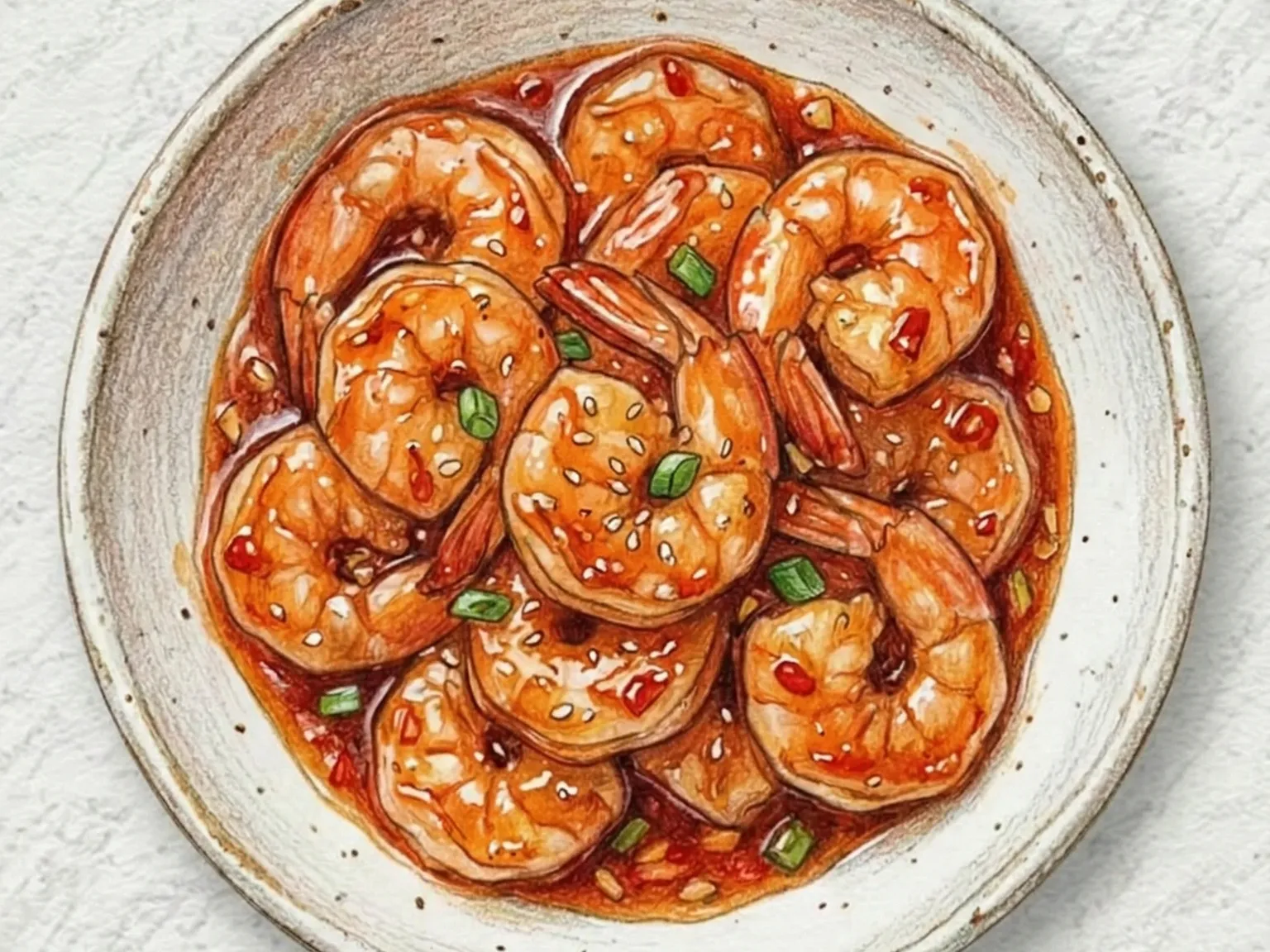
Japanese-Style Chili Shrimp (Ebi Chili)

Ebi chili was born in the 1970s when Chen Kenmin, a Sichuan-born chef working in Tokyo, adapted the fiery Sichuan prawn stir-fry with doubanjiang for Japanese palates by softening the heat with ketchup, egg, and chicken stock. The original Sichuan version hits hard with raw chili-bean paste, but Chen's version wraps that heat in a glossy, slightly sweet sauce that coats each shrimp without overwhelming. Shrimp are lightly dusted in cornstarch and flash-fried to form a thin shell that later absorbs the sauce while maintaining the shrimp's springy bite beneath. Minced garlic, ginger, and scallion are fried first to build an aromatic base, then doubanjiang is toasted in the oil to mellow its raw edge before ketchup and sugar go in, creating the dish's signature lustrous red-orange sauce. Ebi chili is a mainstay of Japanese teishoku restaurants - served as a set meal with rice, miso soup, and a small salad - and one of the most commonly cooked Chinese-inspired dishes in Japanese home kitchens.

Prep 20min Cook 12min 2 servings

Adjust Servings

2servings
servings

Instructions

  1. 1

    Pat shrimp dry and coat evenly with potato starch.

  2. 2

    Pan-fry shrimp in oil until lightly golden on both sides.

  3. 3

    Add garlic, ginger, and green onion, then sauté until fragrant.

  4. 4

    Stir in ketchup, chili sauce, sugar, vinegar, and water.

  5. 5

    Return shrimp to the pan and coat in bubbling sauce for 2 minutes.

  6. 6

    Turn off heat once sauce thickens slightly and serve.

🛒Shop Ingredients on Amazon

As an Amazon Associate, we may earn from qualifying purchases.

Tips

Dry shrimp well to keep the coating crisp.
Increase ketchup for a milder, kid-friendly flavor.

Nutrition (per serving)

Calories
410
kcal
Protein
31
g
Carbs
32
g
Fat
16
g

More Recipes

Japanese Stir-Fried Noodles (Yakisoba)
AsianEasy

Japanese Stir-Fried Noodles (Yakisoba)

Yakisoba is a Japanese stir-fried noodle dish found everywhere from festival stalls to home kitchens. Wheat noodles are tossed on a hot griddle with thinly sliced pork, shredded cabbage, onion, and carrot, then coated in a thick, Worcestershire-based yakisoba sauce that gives the noodles their signature dark glaze and sweet-savory depth. The high heat chars the edges of the vegetables while keeping them crisp, and the noodles pick up slightly caramelized spots where they press against the cooking surface. Bonito flakes scattered on top dance in the rising steam, releasing a smoky, oceanic aroma. Additional garnishes like aonori seaweed powder and pickled red ginger add color and sharpness.

🏠 Everyday🌙 Late Night
Prep 15minCook 12min2 servings
Japanese Beef Bowl (Gyudon)
AsianEasy

Japanese Beef Bowl (Gyudon)

Gyudon starts with paper-thin slices of beef and thinly cut onion simmered together in a broth of soy sauce, mirin, sugar, and grated ginger. The key is keeping the heat at medium rather than high, which prevents the beef from toughening and allows the onion to break down gently, releasing sweetness into the sauce. As the liquid reduces to a glossy, concentrated state, the flavors intensify into a layered combination of salty, sweet, and faintly sharp ginger notes. A one-minute rest off the heat lets the beef absorb more of the seasoned broth before it goes over the rice. The dish differs from stir-fried beef bowls in that the meat is never seared; instead it poaches in the simmering liquid, staying notably soft. A runny egg on top is traditional and adds richness when the yolk breaks into the sauce.

🏠 Everyday
Prep 10minCook 15min2 servings
Japanese Shrimp with Mayo
AsianEasy

Japanese Shrimp with Mayo

Ebi mayo was invented by Hong Kong-born chef Chou Yuanji while working in Japan, fusing Cantonese prawn cookery with the rich creaminess of Japanese mayonnaise. Shrimp are coated in cornstarch and deep-fried until the shell crackles, then tossed in a sauce of mayonnaise, condensed milk, and lemon juice - the condensed milk tempers the mayo's tang and adds a gentle sweetness. Japanese Kewpie mayonnaise, made with egg yolks only rather than whole eggs, is denser and more umami-rich than Western varieties, and this difference is what gives ebi mayo sauce its distinctive body. The crispy starch coating absorbs the thick sauce on the surface while the shrimp beneath stays springy, creating a two-layered texture - creamy on first contact, then bouncy when the teeth reach the center. Ebi mayo is a staple of izakaya menus and Chinese restaurants in Japan, and has crossed into convenience-store bento boxes and onigiri fillings as one of the country's most ubiquitous fusion flavors.

🧒 Kid-Friendly
Prep 15minCook 10min2 servings
Ebi Fry (Japanese Panko-Crusted Shrimp)
AsianEasy

Ebi Fry (Japanese Panko-Crusted Shrimp)

Ebi fry emerged during Japan's Meiji-era adoption of Western cuisine, evolving into a signature dish of yoshoku - the Japanese reinterpretation of European food. Preparation begins by snipping the tendons on the shrimp's belly side and pressing it flat so it holds a straight, elongated shape during frying rather than curling. The three-stage coating - flour, egg wash, then coarse panko breadcrumbs - is essential: panko's jagged, irregular flakes puff up in hot oil to create a golden, airy crunch distinctly lighter than fine Western breadcrumbs. Because the shrimp fries briefly at high temperature, the interior stays moist and springy, snapping cleanly when bitten. Tartar sauce, with its creamy acidity, counterbalances the richness of the fried coating, while tonkatsu sauce offers a sweeter, fruitier alternative dip. Ebi fry appears in bento boxes, perched atop curry rice as ebi fry curry, or tucked into soft bread as an ebi katsu sando - a versatility that makes it one of Japan's most enduring yoshoku dishes.

🍱 Lunchbox
Prep 20minCook 12min2 servings
Buckwheat Noodle Salad
SaladsEasy

Buckwheat Noodle Salad

Buckwheat noodle salad rinses boiled soba noodles several times in cold water to strip away surface starch and firm their texture, then tosses them with leaf lettuce, cucumber, and shredded red cabbage in a tsuyu-based dressing. The cold rinse sharpens the soba's characteristic coarse, chewy bite, and the vegetables weave crisp moisture between the noodle strands. Tsuyu's concentrated savory depth balanced by rice vinegar's acidity creates a dressing that finishes clean on the palate. Shredded roasted seaweed scattered over the top adds a toasted ocean note that carries through each bite. The red cabbage contributes a purple accent that contrasts visually with the muted brown of the buckwheat noodles.

🥗 Light & Healthy
Prep 15minCook 7min2 servings
Grapefruit Shiso Shrimp Salad
SaladsMedium

Grapefruit Shiso Shrimp Salad

Grapefruit shiso shrimp salad tosses ice-chilled blanched shrimp, membrane-free grapefruit segments, shredded shiso leaves, and thinly sliced cucumber and radish in a yuja marmalade dressing. Blanching shrimp for just two minutes and shocking them in ice water locks in a firm, springy texture by rapidly contracting the protein. Removing all white pith from the grapefruit eliminates bitterness, leaving only the clean, tart juice of the flesh. The dressing - yuja marmalade, rice vinegar, olive oil, and pepper - doubles down on citrus aroma, while the mint-like herbal note of shiso leaves neutralizes any hint of fishiness. Serving the salad well chilled keeps every texture and fragrance sharp and distinct.

🥗 Light & Healthy🎉 Special Occasion
Prep 20minCook 5min2 servings
More Asian →