Charim

2686 Korean & World Recipes

2686+ Korean recipes, clean and organized. Ingredients to instructions, all at a glance.

Ricotta-Stuffed Eggplant Rolls
Western Medium

Ricotta-Stuffed Eggplant Rolls

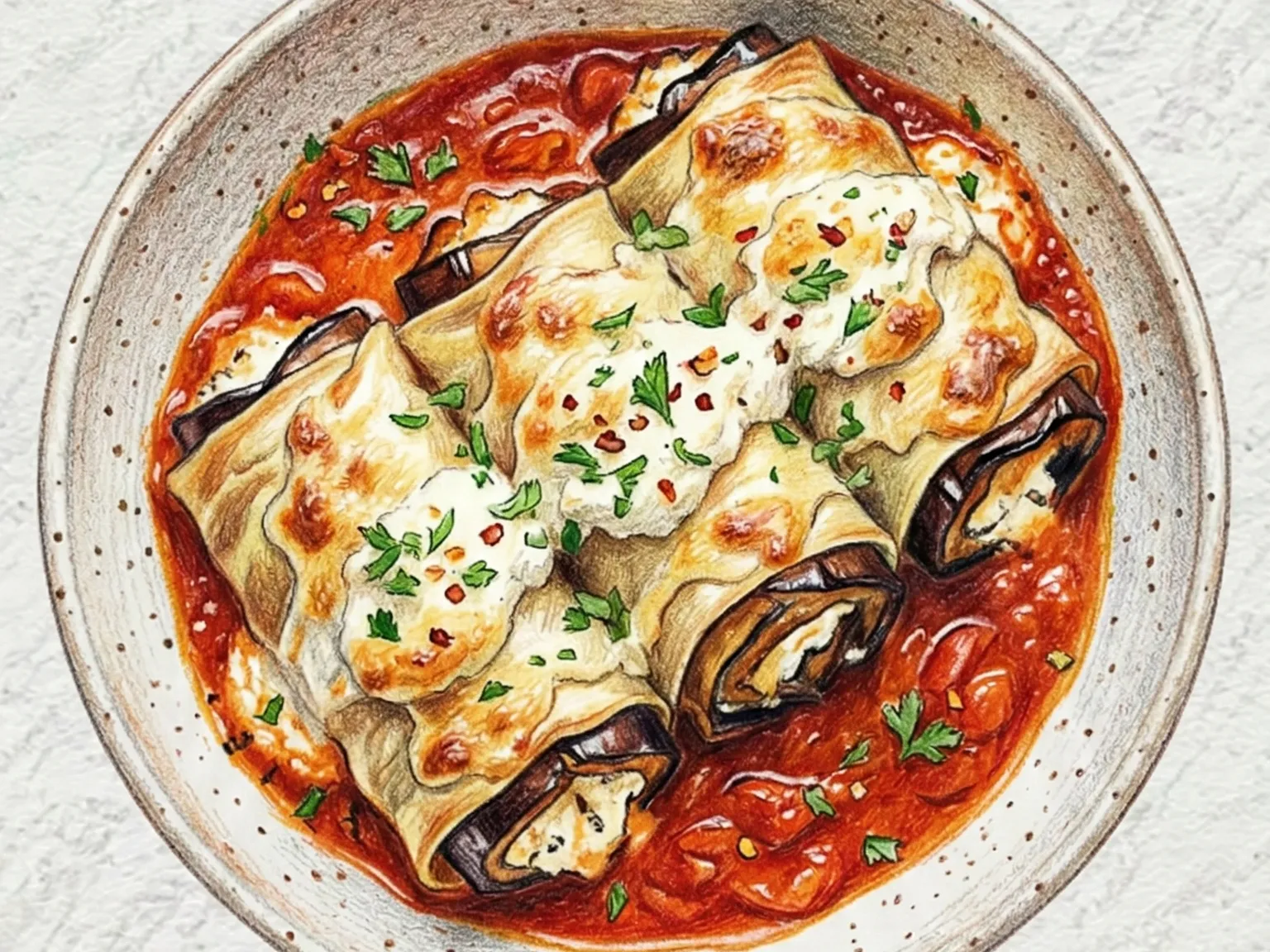
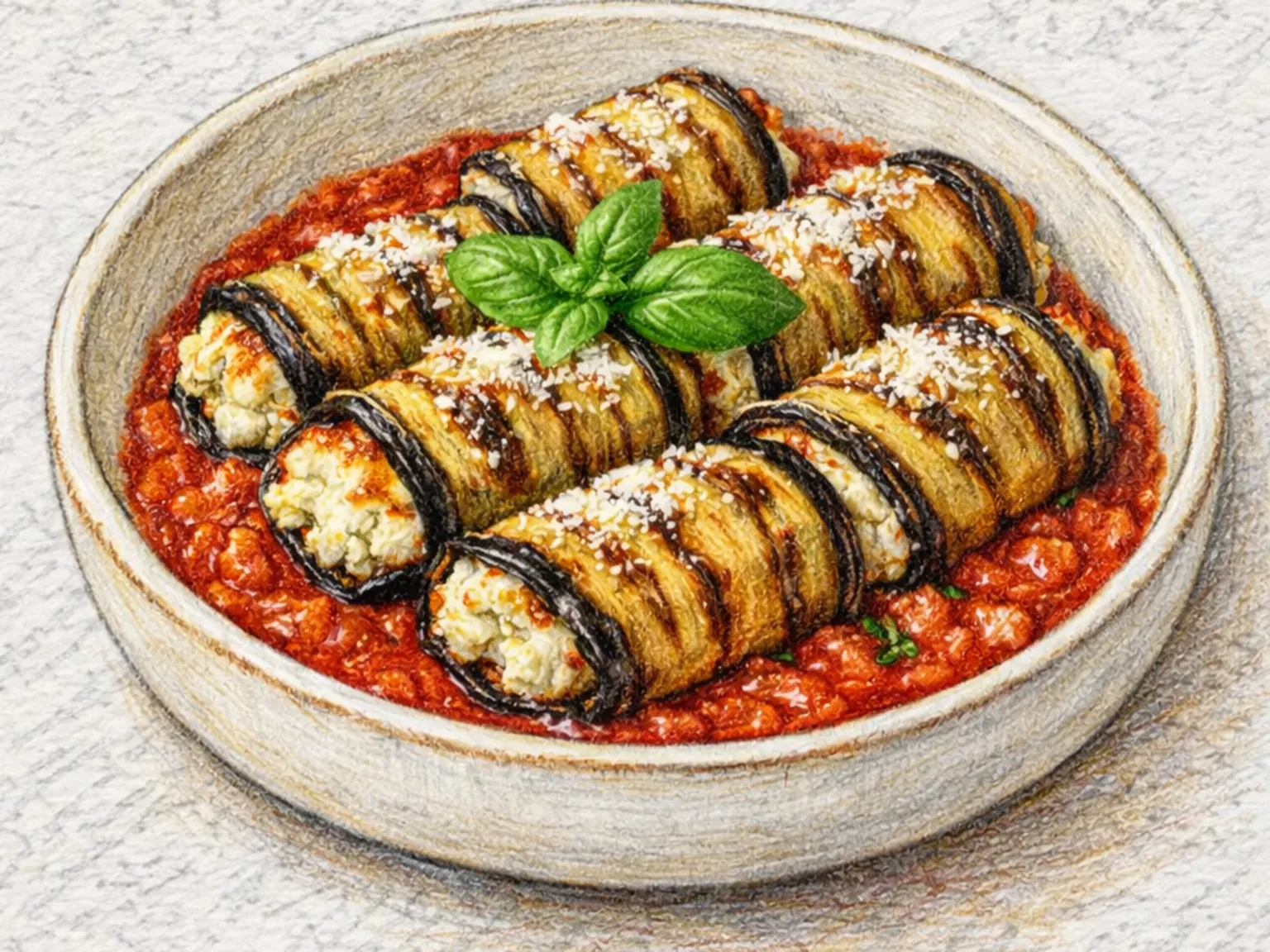
Eggplant rollatini starts by slicing eggplant lengthwise into five-millimeter strips, salting them for several minutes to draw out moisture, then patting dry, brushing with olive oil, and roasting at 220 degrees Celsius for ten minutes until pliable enough to roll without cracking. The filling combines ricotta cheese with an egg, half the Parmigiano-Reggiano, freshly chopped basil, and black pepper, producing a lightly bound mixture that holds its shape inside the roll. Each softened eggplant strip is spread with filling and rolled tightly from one end. The rolls are arranged seam-side down in a baking dish over a base layer of marinara sauce, then topped with additional sauce, shredded mozzarella, and the remaining Parmigiano before going into a 200-degree oven for twenty to twenty-five minutes until the cheese melts and the edges take on color. Resting for five minutes before serving allows the filling to set so the rolls hold their cylindrical shape when plated. Thorough salting at the start is essential because insufficiently dried eggplant releases water during baking and creates a watery sauce.

Prep 30min Cook 35min 4 servings
Recipes by ingredient → egg olive oil

Adjust Servings

2servings
servings

Instructions

  1. 1

    Slice eggplant lengthwise to 5 mm, salt lightly, rest 15 minutes, then pat dry.

  2. 2

    Brush with olive oil and roast at 220C for 10 minutes until pliable.

  3. 3

    Mix ricotta, egg, half the Parmigiano, chopped basil, and pepper for filling.

  4. 4

    Place filling on each slice and roll tightly.

  5. 5

    Spread marinara in a baking dish, arrange rolls, then top with remaining sauce and cheeses.

  6. 6

    Bake at 200C for 20-25 minutes until cheese melts and edges brown lightly.

🛒Shop Ingredients on Amazon

As an Amazon Associate, we may earn from qualifying purchases.

Tips

Pre-salting eggplant removes moisture and prevents sogginess.
Rest 5 minutes before serving so rolls hold their shape.

Nutrition (per serving)

Calories
410
kcal
Protein
21
g
Carbs
19
g
Fat
27
g

Goes Well With

Roasted Kabocha Miso Nut Salad
SaladsEasy

Roasted Kabocha Miso Nut Salad

Kabocha squash is sliced into half-moons and roasted in a hot oven until the cut surfaces caramelize and the flesh turns chestnut-soft and dry in the best possible way. The dressing combines white miso, rice vinegar, and maple syrup into a mixture where salt, acid, and a restrained sweetness reinforce each other and amplify the roasted squash underneath. Arugula provides the peppery, slightly bitter base that keeps the salad from tipping too sweet. Chickpeas add lean protein and a firm, satisfying chew that holds up against the tender squash. Walnuts, crushed roughly rather than chopped fine, contribute crunch and a deep, roasted nuttiness that layers well with the soft squash in each forkful. The contrast between textures, tender squash against resistant walnut, is what makes this salad interesting across every bite. Autumn kabocha, at the peak of its natural sugar content, delivers the most pronounced sweetness, and the dish is filling enough to stand as a vegetarian main course with nothing else alongside it. If using refrigerated squash, adjust oven time and temperature to ensure even caramelization.

🥗 Light & Healthy🎉 Special Occasion
Prep 15minCook 25min4 servings
Korean Ssanghwa Herbal Tea
DrinksHard

Korean Ssanghwa Herbal Tea

Ssanghwa-cha is a traditional Korean tonic tea made by slow-simmering astragalus root, angelica root, cinnamon bark, licorice, and jujube in approximately 1800 ml of water over low heat for more than fifty minutes. The prolonged extraction coaxes layered complexity from each herb, producing a brew that is simultaneously bitter, sweet, and warmly aromatic with cinnamon woven through every sip. Jujubes added during the simmer soften the sharpest herbal edges while contributing a mild natural sweetness that rounds the overall profile. Honey is stirred in after straining to let each person adjust the sweetness to taste. The tea is poured hot into a ceramic cup and finished with a small cluster of pine nuts whose oil blooms on contact with the steaming surface, releasing a gentle, nutty fragrance. The deep medicinal warmth lingers in the throat long after each sip, making the drink a reliable remedy for fatigue and cold weather.

🍺 Bar Snacks🎉 Special Occasion
Prep 10minCook 60min4 servings
Honey Rice Puff Cookies (Korean Double-Fried Puffed Glutinous Rice)
DessertsHard

Honey Rice Puff Cookies (Korean Double-Fried Puffed Glutinous Rice)

Yugwa is a traditional Korean rice puff cookie that is prepared using a base of glutinous rice flour mixed with makgeolli, which is a type of fermented Korean rice wine. This dough is shaped into individual pieces and then left to dry for a duration of at least two hours. This drying period is a mandatory step in the process because any residual moisture within the dough will lead to dangerous oil splattering when the pieces are placed into the frying fat. The cooking process requires a specific two-stage frying technique involving both low and high oil temperatures to facilitate a dramatic expansion of the dough. Tiny air pockets are created within the mixture by the yeast present in the makgeolli during the initial preparation stages. These pockets expand rapidly during the second frying stage at a higher heat, which results in the hollow internal structure that is the defining characteristic of the cookie. Once the frying is complete, the pieces are tossed in a warm glaze consisting of honey and rice syrup. This sticky coating serves to anchor a final layer of puffed rice to the exterior of the cookie. Ground cinnamon is incorporated into the recipe to provide a subtle warm spice that complements the nutty and fermented flavors of the glutinous rice. When consumed, the finished cookie shatters into light, airy shards, offering a texture that is nearly weightless compared to other varieties of Korean confections. Traditionally, yugwa is featured on tables during ancestral rites for the Chuseok and Seollal holidays and remains a common choice for gift-giving during these festive seasons.

🎉 Special Occasion🧒 Kid-Friendly
Prep 35minCook 25min4 servings
Chogochujang Kkotge Cold Capellini (Spicy-Sour Crab Angel Hair)
PastaMedium

Chogochujang Kkotge Cold Capellini (Spicy-Sour Crab Angel Hair)

Chogochujang crab cold capellini is a chilled pasta dressed with chogochujang, a Korean condiment made by blending gochujang with rice vinegar and sugar until the paste becomes a pourable, sweet-tart, spicy dressing. The sauce layers capsaicin heat beneath an acidic brightness that makes it exceptionally well-suited to cold noodles, cutting through any residual starchiness and keeping each strand distinct. Blue crab meat contributes a delicate natural sweetness and a salinity that anchors the entire dish, while julienned cucumber adds crisp, water-rich crunch that lightens the overall texture. Capellini is among the finest pasta shapes available, measuring roughly 0.9mm in diameter, which means it overcooks almost instantly and must be shocked in ice water the moment it finishes boiling to halt cooking and preserve its springy elasticity. At room temperature, the strands begin to clump within minutes, so keeping them submerged in ice water until just before plating is the standard approach. Fresh tomato adds a burst of cool acidity that tempers the dense chogochujang dressing and prevents the dish from feeling heavy, making this a well-balanced warm-weather plate.

🎉 Special Occasion
Prep 20minCook 10min2 servings

More Recipes

Calzone
WesternMedium

Calzone

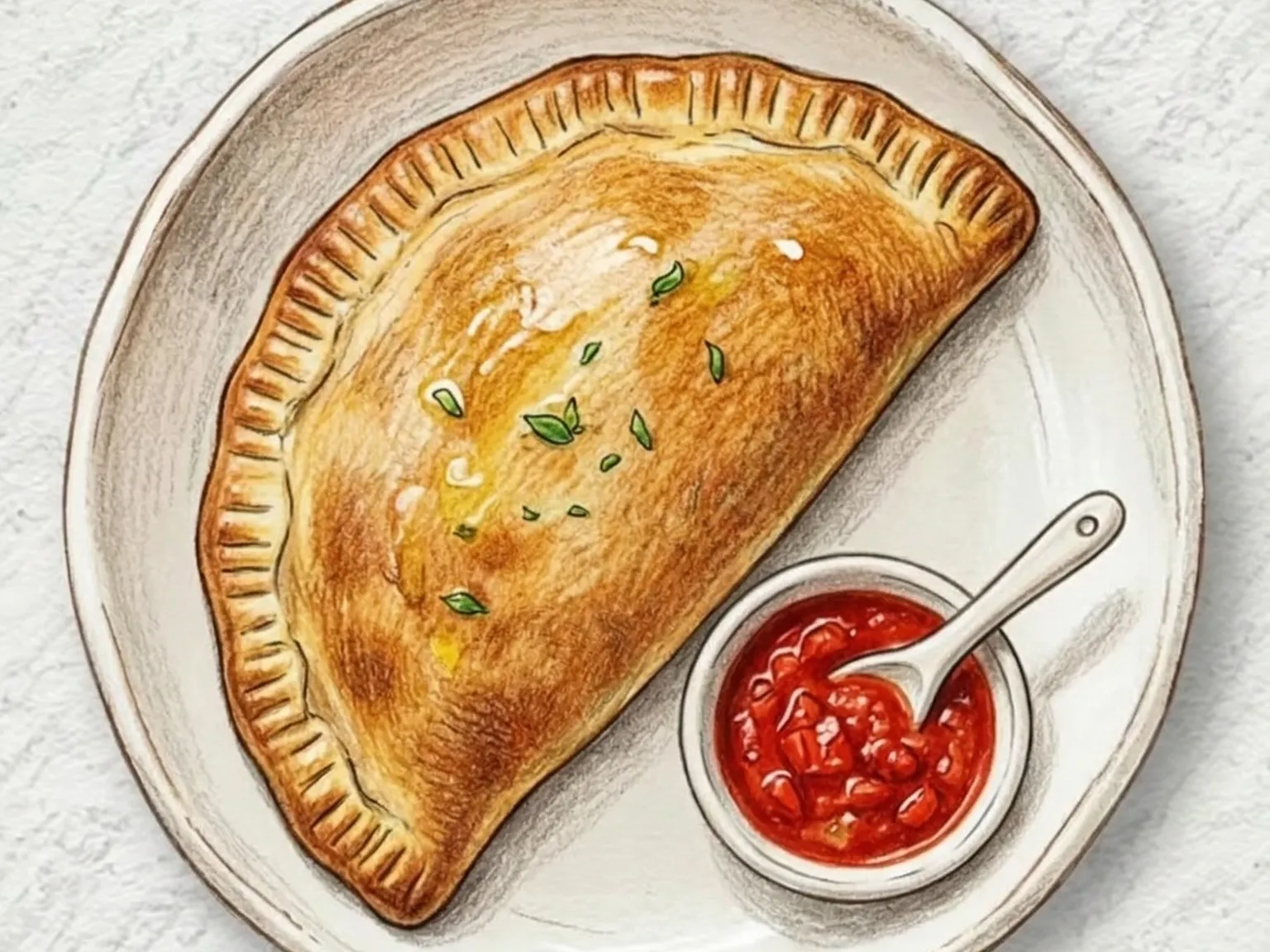
Calzone rolls pizza dough into a circle, fills one half with ricotta, mozzarella, diced ham, and fresh basil, then folds into a half-moon shape, seals the edges with a fork, and bakes until golden at 220 degrees Celsius. Leaving a two-centimeter border free of filling is critical -- overstuffing causes steam pressure to burst the seam during baking. Brushing a thin line of water along the edge before pressing firmly with a fork creates a tighter seal that holds through the full bake. Fifteen to twenty minutes in a well-preheated oven produces a crisp, burnished exterior while the interior heats the ricotta into a soft cream and melts the mozzarella into long, stretchy strings. Brushing olive oil on the surface before baking adds a richer color and a slight nuttiness to the crust. Tomato sauce served on the side for dipping provides an acidic counterpoint that cuts through the dense cheese filling and keeps each bite feeling balanced.

🎉 Special Occasion🧒 Kid-Friendly
Prep 20minCook 20min2 servings
Ricotta Spinach Gnudi (Naked Ricotta Dumplings)
WesternMedium

Ricotta Spinach Gnudi (Naked Ricotta Dumplings)

Ricotta spinach gnudi are Italian dumplings made by mixing ricotta cheese with thoroughly squeezed spinach, Parmigiano Reggiano, egg yolks, and a minimal amount of flour, then poaching in salted boiling water. The name 'gnudi' means 'naked' - these are essentially ravioli filling without the pasta shell, so the cheese and spinach flavors come through directly. Removing every bit of moisture from the spinach is the critical step; any residual water weakens the dough and causes the dumplings to fall apart during cooking. Once they float to the surface, one additional minute of poaching yields a pillowy, crumbly texture. A brown butter sauce with sage leaves adds a deep, nutty richness that complements the mild ricotta.

🎉 Special Occasion
Prep 25minCook 15min4 servings
Spinach Ricotta Cannelloni
WesternHard

Spinach Ricotta Cannelloni

Spinach ricotta cannelloni fills tube-shaped pasta with a mixture of sautéed spinach, ricotta cheese, garlic, and Parmesan, then bakes them in tomato sauce topped with mozzarella. Removing as much moisture from the spinach as possible is the most important step - excess water thins the filling and causes the tubes to split during baking. Half the Parmesan goes into the filling for depth, while the rest is scattered on top with mozzarella to build a golden, bubbling crust. Baking covered at 190 degrees Celsius for the first 25 minutes lets the sauce steam the pasta through, and uncovering for the final 10 minutes crisps the cheese surface. Resting the dish for 10 minutes after it comes out of the oven allows the sauce to thicken and the filling to set, producing cleaner portions when sliced.

🎉 Special Occasion
Prep 25minCook 35min4 servings
Moussaka (Greek Eggplant Lamb Bechamel Bake)
WesternHard

Moussaka (Greek Eggplant Lamb Bechamel Bake)

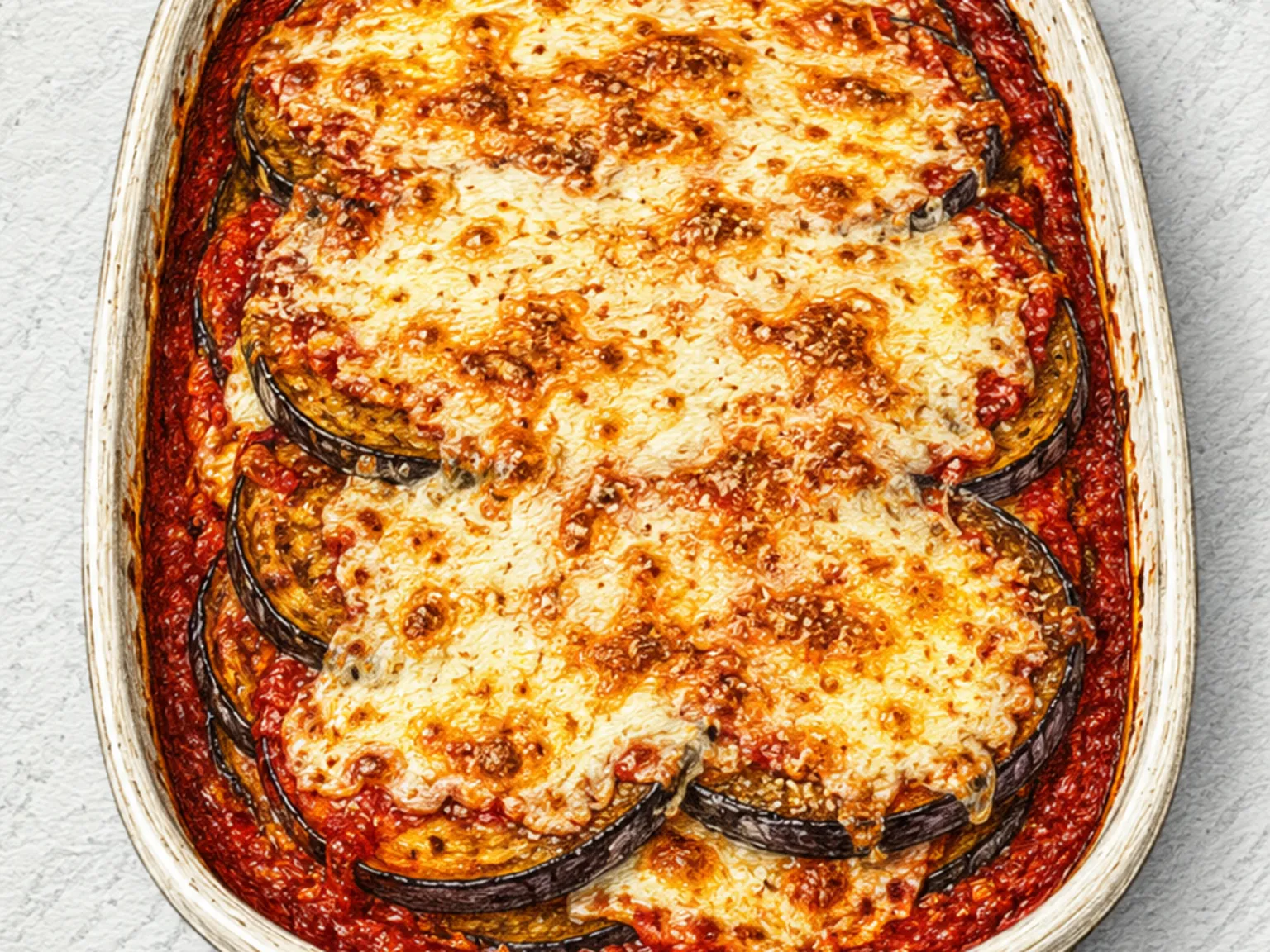
Layers of pan-fried eggplant, cinnamon-scented lamb sauce, and a thick bechamel topping define the structure of this Greek oven-baked casserole. The preparation begins by salting the eggplant slices for thirty minutes to draw out moisture and bitterness, which prevents the vegetable from absorbing excess oil and helps it retain its shape during baking. Inside the meat sauce, ground lamb is simmered with tomatoes and a touch of cinnamon, an addition that tempers the natural gamey scent of the lamb with warm Mediterranean aromatics. To complete the assembly, a layer of bechamel enriched with egg yolks and Parmesan cheese is spread over the top before the dish enters a 180-degree Celsius oven for 40 minutes. The inclusion of egg yolks allows the creamy sauce to set firmly, creating a golden crust that holds the internal components together when the dish is sliced. This structural stability results in clean, visible layers in each serving. Options for customization include replacing or mixing the eggplant with potatoes or zucchini, or substituting the lamb with ground beef. Allowing the moussaka to rest for 15 to 20 minutes after baking ensures the layers settle properly for ideal presentation. Since the flavors intensify when kept in the refrigerator for a day or two, this dish functions well as a make-ahead option for gatherings.

🎉 Special Occasion
Prep 40minCook 60min6 servings
Gochujang Eggplant Ricotta Lasagna Rolls
PastaHard

Gochujang Eggplant Ricotta Lasagna Rolls

Gochujang eggplant ricotta lasagna rolls begin by roasting diced eggplant with olive oil and salt at 200 degrees Celsius. Fifteen minutes in the oven drive out moisture and collapse the flesh into a soft, dense interior. The roasted eggplant is combined with ricotta and spread across boiled lasagna sheets, which are rolled tight and arranged in a baking dish. A sauce of tomato puree, gochujang, sauteed onion and garlic, and dried oregano is simmered for ten minutes until the chili paste loses its raw edge and the tomato acidity settles into the mix, producing a layer that is spicy and faintly tangy. The rolled sheets are covered in sauce and topped with mozzarella, then baked until the cheese browns and blisters into a firm crust. Below that crust the eggplant-ricotta filling stays moist and soft, and the contrast between the crisp cheese cap and the tender interior defines each slice.

🎉 Special Occasion
Prep 25minCook 35min4 servings
Korean Braised Eggplant with Shrimp
SteamedEasy

Korean Braised Eggplant with Shrimp

Gaji saeu jorim is a Korean braised side dish pairing eggplant with shrimp in a sauce of soy sauce and oyster sauce. Lightly stir-frying the eggplant in oil before braising coats the surface and prevents the slices from turning mushy, helping them hold their shape and develop a slight gloss as the sauce reduces. The natural umami from the shrimp combines with the dense savory character of the oyster sauce to deepen the overall flavor, and the eggplant draws all of that into its flesh as it braises slowly. Gochugaru adds a gentle warmth without masking the seafood, onion contributes background sweetness, and green onion lifts the aroma. The soft, juicy texture of the eggplant against the firm bounce of the shrimp gives the dish an appealing contrast, and the glossy dark sauce spooned over rice makes for a satisfying, complete meal with minimal effort.

🍱 Lunchbox
Prep 14minCook 16min2 servings
More Western →