Korean Young Napa Soybean Paste Soup
Eolgari doenjang-guk is a soybean paste soup built on rice-rinse water, which softens the broth and adds a mild starchy sweetness. Young napa cabbage goes in near the end so it keeps its fresh, slightly grassy flavor without turning mushy. Anchovy powder lays down a quiet umami base, while a sliced cheongyang chili brings gentle heat that lingers on the finish. A scattering of green onion rounds out the bowl, making it a reliable weeknight soup that pairs well with plain steamed rice.
Adjust Servings
Instructions
- 1
Cut young napa into 4 cm pieces and finely slice green onion and chili.
- 2
Add rice-rinse water to a pot and dissolve doenjang through a strainer.
- 3
Add anchovy powder and garlic; once boiling, add the napa greens.
- 4
Simmer on medium heat for 12 minutes and season with soup soy sauce.
- 5
Add green onion and chili, simmer 2 more minutes, then serve.
As an Amazon Associate, we may earn from qualifying purchases.
Tips
Nutrition (per serving)
More Recipes

Korean Napa Outer Leaf Soybean Soup
Ugeoji doenjang-guk is a deeply comforting soybean paste soup made with the tough outer leaves of napa cabbage that might otherwise be discarded. The leaves are first massaged with doenjang, perilla oil, and garlic, a step that drives the fermented paste deep into the cabbage's thick veins so that when the soup simmers, the flavor releases gradually into the broth. Rice-rinsing water replaces plain stock as the cooking liquid, adding a gentle starchiness that rounds the doenjang's salt into something softer and more enveloping. As the ugeoji cooks down, it turns from a leathery sheet into a silky, almost melting tangle that drapes over the spoon and floods the mouth with concentrated vegetable-and-miso flavor. The broth itself becomes a murky, golden-brown pool of umami, tasting of earth, fermentation, and the quiet bitterness that only well-cooked greens provide. Cubed tofu gives textural relief, and thin rings of cheongyang chili pepper, if added, introduce a sharp heat that cuts the richness. It is a soup that transforms humble ingredients into something far greater than their parts.

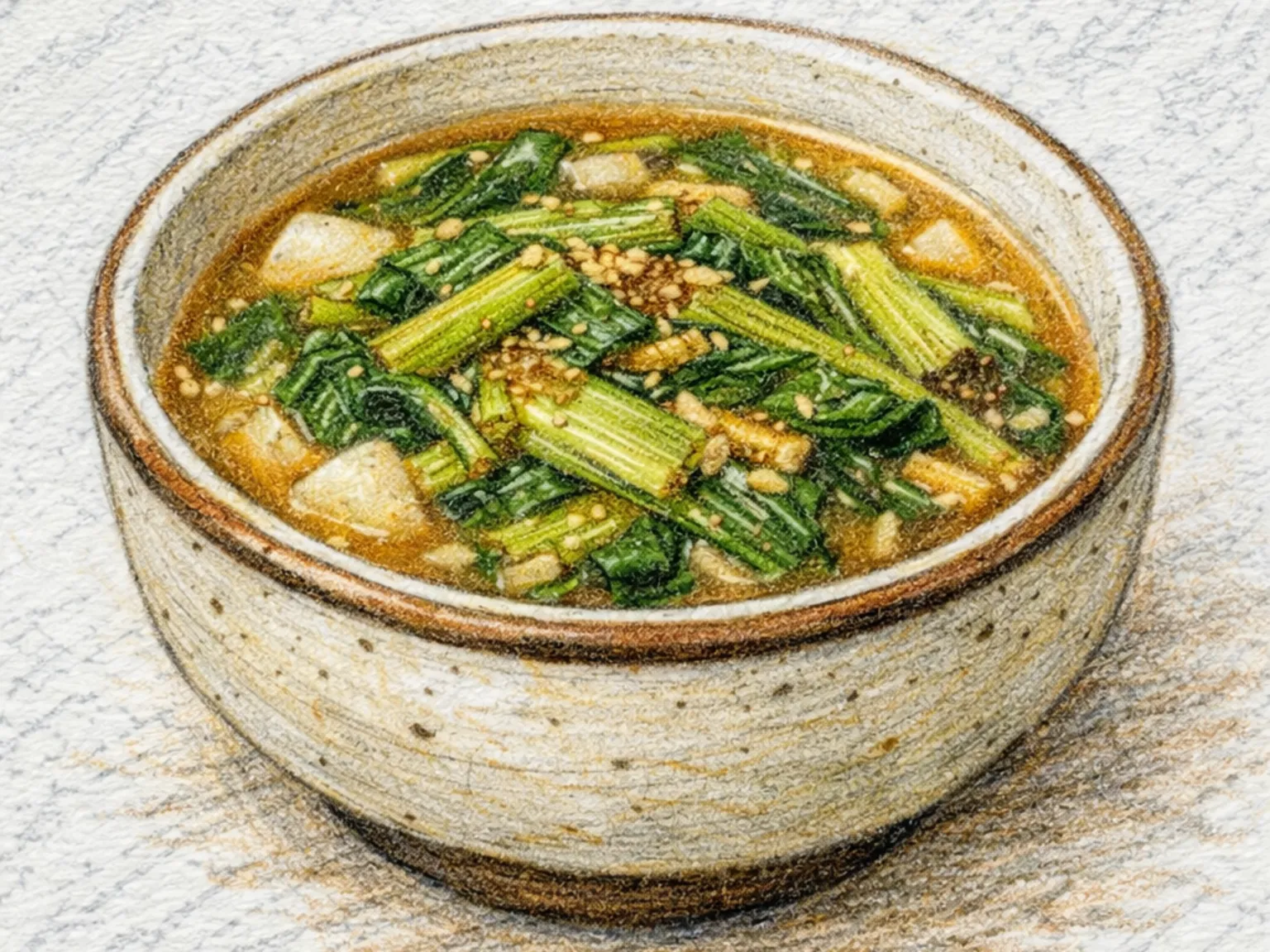
Korean Young Radish Doenjang Soup
Yeolmu doenjang-guk is a summer soybean paste soup that uses rice-rinse water as its base, giving the broth a smoother texture than plain water would. Young radish greens are cut into five-centimeter lengths and simmered for eight minutes until they soften and lose their raw grassy edge. Diced tofu, garlic, and a half tablespoon of chili flakes go in next, cooking for six more minutes so the tofu absorbs the fermented soybean flavor. Soup soy sauce and green onion finish the pot, resulting in a mellow, earthy soup that complements a simple rice-and-banchan meal.

Korean Spinach Soybean Paste Soup
Sigeumchi-doenjang-guk is a foundational Korean soup that combines spinach with soybean paste in anchovy-kelp stock, producing a broth that is earthy, warm, and deeply familiar to anyone who grew up eating Korean home cooking. Doenjang is dissolved into the simmering stock first, establishing a savory, slightly funky baseline. Spinach is added near the end and wilts within seconds, contributing a soft green color and a faint bitterness that, rather than clashing with the fermented paste, amplifies its complexity. Tofu is a common addition that gives the soup more substance and a creamy counterpoint to the leafy greens. Garlic and green onion handle the aromatics, and no chili is used, keeping the soup on the gentle end of the Korean flavor spectrum. The key technical point is timing: spinach left in boiling liquid too long turns dull and mushy, so experienced cooks drop it in and turn off the heat almost immediately. This soup is one of the most frequently prepared versions of doenjang-guk in Korean kitchens precisely because spinach is available year-round, affordable, and cooks in moments. It pairs seamlessly with any banchan spread and never competes for attention on the table.

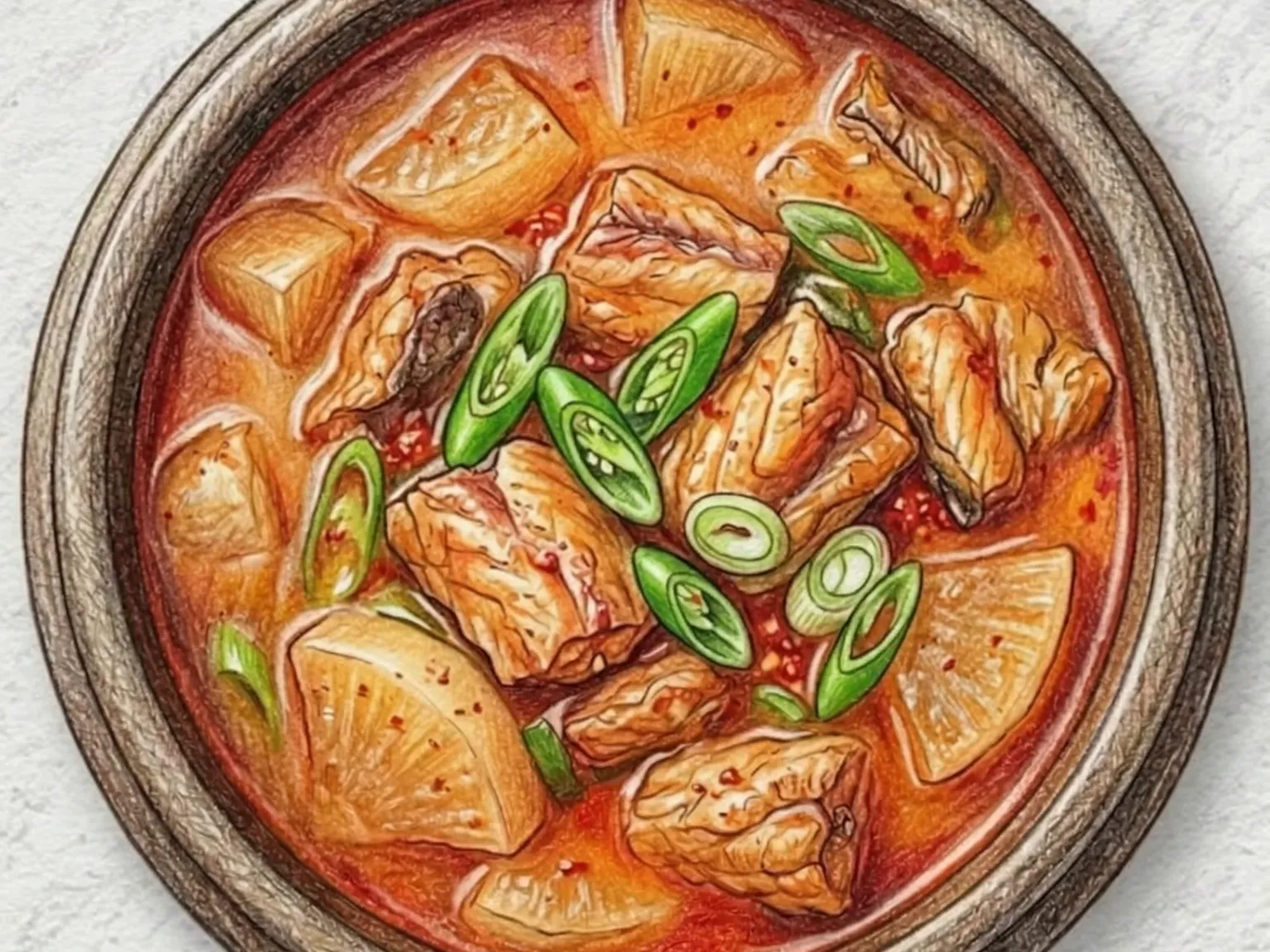
Korean Young Napa Soybean Paste Stew
Young napa cabbage (eolgari) takes center stage in this doenjang jjigae, wilting into the broth and releasing a mild sweetness. The stock is built from dried anchovies and kelp, then seasoned with three tablespoons of fermented soybean paste for a full-bodied base. Firm tofu and onion add substance, while a green chili provides a sharp finish. The cabbage softens completely into the stew, making each spoonful a mix of greens, tofu, and rich, anchovy-laced broth.

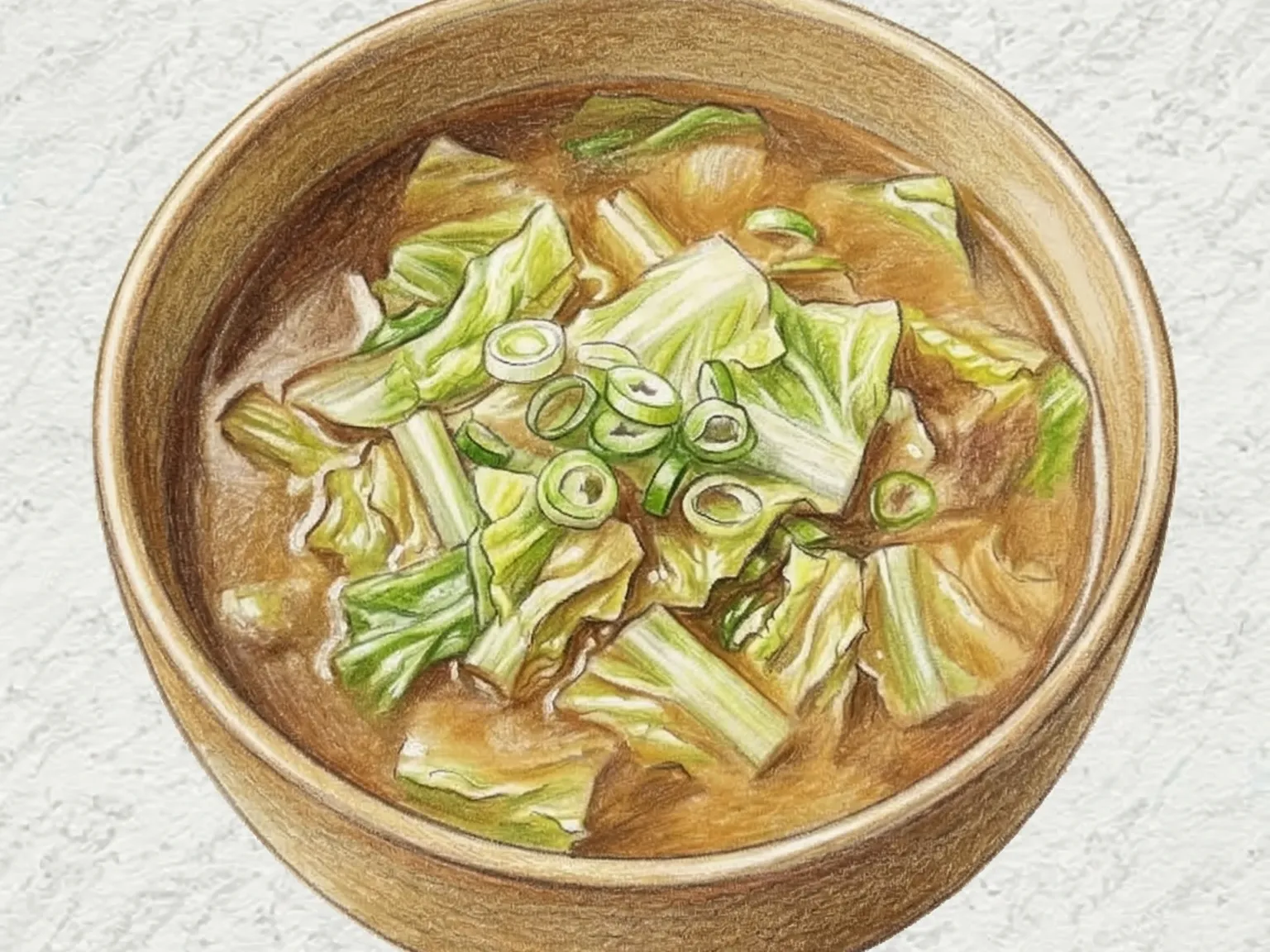
Korean Spring Cabbage Soybean Paste Soup
Spring cabbage and doenjang are simmered in rice-rinsing water, which adds a subtle starchy body to the broth. The thicker cabbage stems go in first to soften properly, while the tender leaves are added later to preserve their natural sweetness. Tofu, a touch of red chili flakes, and green onion round out the bowl, making it a seasonal home-style soup with layered flavor and gentle warmth.

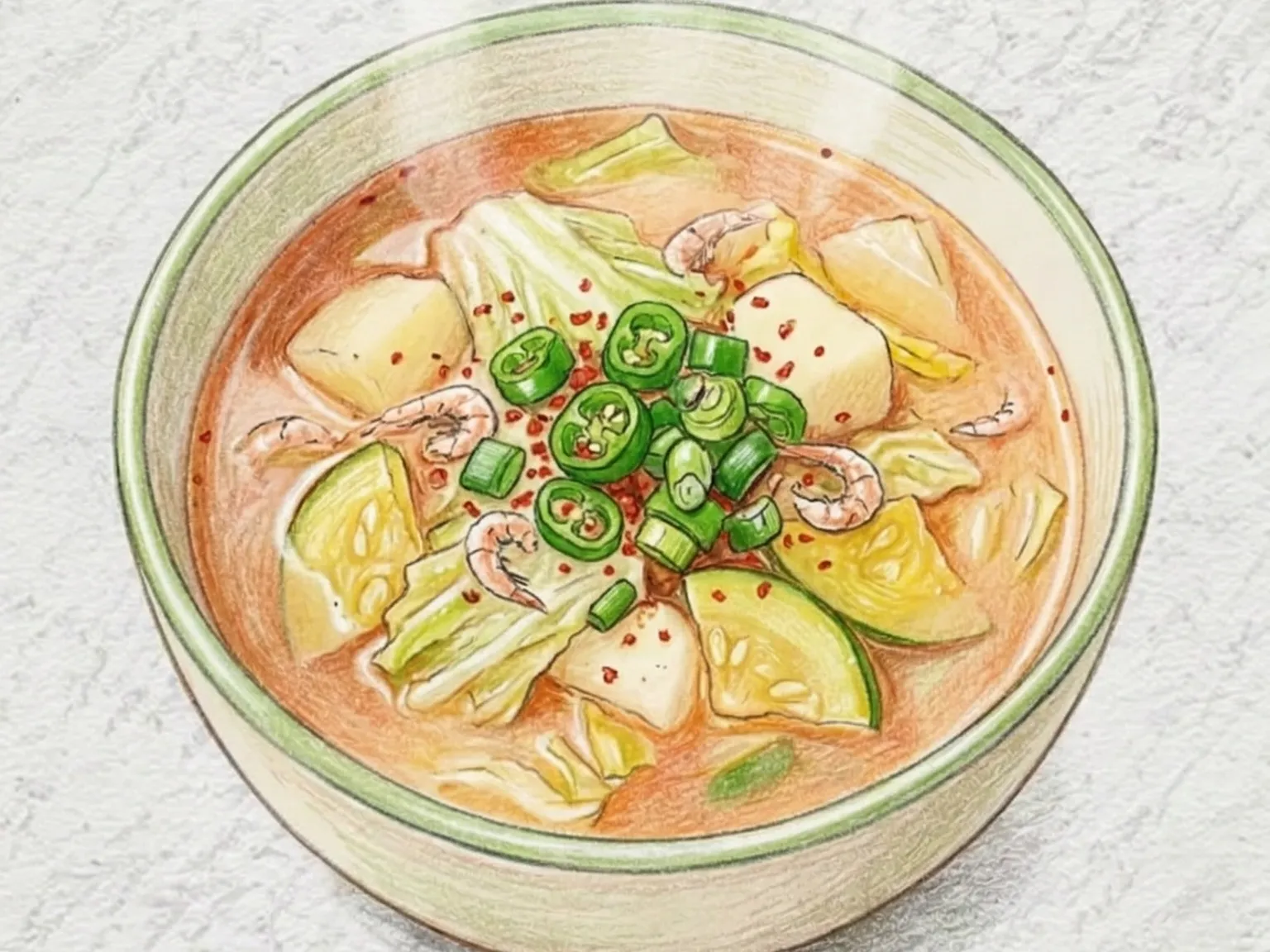
Korean Soybean Paste Stew
Doenjang jjigae is one of the most iconic stews in Korean home cooking. Fermented soybean paste is dissolved into a simple broth and simmered with tofu, potato, zucchini, and onion until everything melds together. Garlic and a Cheongyang chili add aromatic warmth and a mild kick that lifts the rich, earthy base. This is the kind of everyday stew that anchors a Korean meal, pairing effortlessly with rice and any combination of banchan.