Korean Young Napa Soft Tofu Stew
Stews Easy

Korean Young Napa Soft Tofu Stew

Quick answer

Eolgari-sundubu-doenjang-jjigae is a gentle Korean stew that pairs soft tofu with young napa cabbage (eolgari baechu) in a kelp stock base seasoned with doenjang and a sm...

What makes this special

  • Silky soft tofu melts into a mild eolgari sundubu doenjang jjigae base.
  • Soft tofu scooped in large pieces and heated only 2 minutes melts a silky texture through the broth
  • Combining doenjang and gochujang together builds fermented depth alongside subtle heat in one step
Total time
28 min
Level
Easy
Servings
2 servings
Ingredients
9
Calories
240 kcal
Protein
14 g

Key ingredients

young napa cabbagesoft tofupotatooniondoenjang

Core cooking flow

  1. 1 Wash 180 g of young napa cabbage, cut it into 5 cm lengths, and shake off excess water.
  2. 2 Put 750 ml kelp stock and the potato in a pot, then heat over high heat.
  3. 3 Dissolve 1.5 tbsp doenjang and 0.5 tbsp gochujang into the hot stock, pressi...

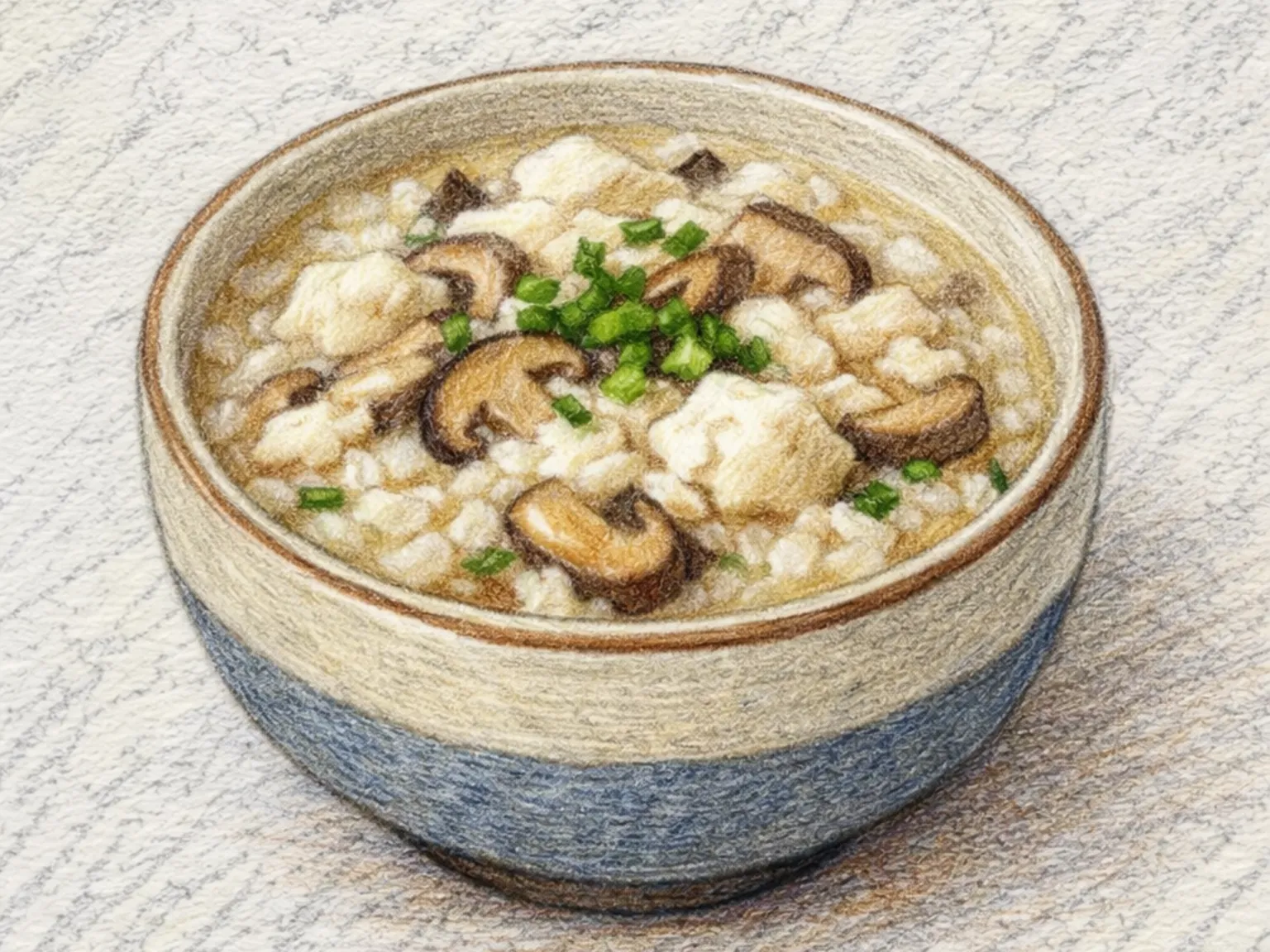
Eolgari-sundubu-doenjang-jjigae is a gentle Korean stew that pairs soft tofu with young napa cabbage (eolgari baechu) in a kelp stock base seasoned with doenjang and a small measure of gochujang. The doenjang brings fermented soybean depth to the broth, while the gochujang adds a measured spiciness that stays mild rather than sharp -- the two pastes work together to produce a broth that is simultaneously savory, slightly sweet, and lightly spiced. Potato and onion are added early to contribute their natural sugars, and the potato softens gradually into the liquid, lending slight body to the stock. Soft tofu should be spooned in gently rather than stirred, as it breaks apart easily -- rocking the pot from side to side distributes it without tearing the curds into pieces. Once in the stew, the soft tofu slowly releases some of its moisture and takes on the broth around it, spreading a silky, almost cream-like texture throughout the liquid. Young napa cabbage provides a light crunch that contrasts with the velvet texture of the tofu and the smoothness of the broth. A finishing addition of minced garlic and a drop of perilla oil deepens the savory fragrance just before serving. The stew is mild enough to work as a morning meal and substantial enough to stand as a light dinner.

Prep 12min Cook 16min 2 servings

Instructions

Read the steps as a cooking flow: prep, heat, seasoning, doneness control, and finish.

6 steps
  1. 1
    Prep

    Wash 180 g of young napa cabbage, cut it into 5 cm lengths, and shake off excess water.

    Slice 120 g potato and 80 g onion about 0.5 cm thick so they soften evenly in the broth.

  2. 2
    Control

    Put 750 ml kelp stock and the potato in a pot, then heat over high heat.

    When it boils, lower to medium and simmer for about 6 minutes, until the potato edges look slightly translucent but the slices still hold together.

  3. 3
    Control

    Dissolve 1.5 tbsp doenjang and 0.5 tbsp gochujang into the hot stock, pressing out any lumps against the spoon or pot side.

    Add the onion and simmer over medium heat for 4 minutes so its sweetness seasons the broth.

  4. 4
    Control

    Add the prepared young napa cabbage and press it down gently with a spoon so it sits in the broth.

    Simmer for about 3 minutes, stopping when the leaves are wilted but the stems still have a light crunch.

  5. 5
    Control

    Spoon 300 g soft tofu into the pot in large pieces.

    Do not stir hard, because the curds break easily; instead, rock the pot side to side to distribute them, then simmer only 2 minutes to warm the tofu through.

  6. 6
    Control

    Add 1 tsp minced garlic and 30 g sliced green onion, then simmer for another 30 seconds so the aroma stays fresh.

    Taste the greens; if they seem bitter, dissolve in an extra 0.5 tbsp doenjang before serving hot.

After the steps

Pick a recipe that fits this dish.

Continue with shared ingredients, meal pairings, or a similar method.

Recipes That Go Well With This

More Stews →

Based on shared ingredients and meal pairing

Korean Perilla Leaf Soft Tofu Stew
Shared ingredient: soft tofu Stews

Korean Perilla Leaf Soft Tofu Stew

Kkaennip sundubu jjigae is a mild, gently seasoned stew of soft tofu and perilla leaves simmered in a light anchovy broth. The 350g of sundubu goes in as large, rustic pieces that hold their shape while cooking, then collapse into silky, cloud-like curds on the spoon. Twelve perilla leaves added stem-on release their aromatic oils gradually as the broth comes to a boil, giving the stew a distinctly herbal, faintly anise-like character that sets it apart from standard sundubu variations. Gochugaru and soup soy sauce provide just enough background seasoning to keep the perilla fragrance forward rather than overwhelmed by heat, and a drizzle of sesame oil at the finish adds a nutty warmth. Low in spice and gentle on the stomach, this is a practical choice on days when a soothing, unfussy bowl is what is needed.

Korean Minari Doenjang Stew
Shared ingredient: potatoes Stews

Korean Minari Doenjang Stew

This variation of doenjang jjigae adds a generous amount of water parsley (minari) to the classic soybean paste stew. Firm tofu, potato, and onion simmer in anchovy-kelp stock with doenjang, building an earthy, deeply fermented base. The minari goes in near the end to preserve its crisp texture and peppery herbaceous aroma. A half tablespoon of chili flakes rounds out the flavor with mild warmth. Minari's grassy, herb-like character layers naturally against doenjang's fermented depth, turning a familiar stew into a seasonal variation worth returning to throughout the year.

Korean Tofu Seaweed Egg Rice Bowl
Serve together Rice

Korean Tofu Seaweed Egg Rice Bowl

Dubu gim gyeran deopbap is a Korean rice bowl built from three pantry staples: pan-fried tofu, soft scrambled egg, and roasted seaweed flakes, all layered over a bowl of steamed rice. The tofu is pressed dry, cut into cubes, and seared until the edges turn golden before being tossed with soy sauce and syrup to form a salty-sweet glaze that coats each piece. Eggs are scrambled to a barely-set, custard-like consistency rather than cooked through, creating a deliberate contrast with the firm, glazed tofu beneath them. Crumbled seaweed scattered over the top introduces a brittle crunch and a faintly briny, toasty aroma that lingers with each bite. A final drizzle of sesame oil draws all three components together into a coherent flavor. Because tofu, eggs, and dried seaweed are refrigerator and pantry staples in most Korean households, the dish can be assembled in roughly ten minutes without a special shopping trip, making it one of the most dependable meals for busy mornings or quick lunches.

Korean Young Napa Soybean Paste Stew
Similar recipe Stews

Korean Young Napa Soybean Paste Stew

Young napa cabbage (eolgari) takes center stage in this doenjang jjigae, wilting into the broth and releasing a mild sweetness. The stock is built from dried anchovies and kelp, then seasoned with fermented soybean paste for a full-bodied base. Firm tofu and onion add substance, while a green chili provides a sharp finish. Eolgari is a tender spring-harvested young cabbage with soft fibers and a pronounced natural sweetness, so when combined with the savory doenjang broth it contributes a mellow, round flavor without any bitterness. Adding a generous amount of tofu helps the cubes absorb the saltiness of the paste and brings the entire soup into a well-balanced, smooth finish that pairs naturally with steamed rice.

Serve with this

Korean Seasoned Mung Bean Jelly Salad
Side dishes Easy

Korean Seasoned Mung Bean Jelly Salad

Cheongpo muk - mung bean jelly - is made by dissolving starch in water, boiling it until thick, then leaving it to set into a translucent, firm block. It has appeared in Joseon-era palace banquet records as a traditional food. The jelly is blanched briefly, cut into matchstick strips, and tossed with julienned cucumber and carrot. A dressing of soy sauce, vinegar, and sugar gives a clean, sharp edge. The jelly itself is nearly flavorless, functioning as a cool, slippery carrier for the seasoning. The crunch of the vegetables contrasts with the smooth jelly, and the vinegar keeps the whole dish light. Gentle tossing is essential to avoid breaking the blocks apart. Served well-chilled, this is a classic Korean summer banchan.

🥗 Light & Healthy 🏠 Everyday
Prep 15min Cook 2min 4 servings
Korean Cheongyang Gochu Doenjang Jangajji (Doenjang Pickled Cheongyang Peppers)
Kimchi Easy

Korean Cheongyang Gochu Doenjang Jangajji (Doenjang Pickled Cheongyang Peppers)

Cheongyang chili peppers are pricked all over with a fork so the brine can reach the interior of each pod rather than sitting on the surface. Kelp is simmered with soy sauce to establish a concentrated umami base, then the heat is cut and doenjang is dissolved into the hot liquid, which layers the nutty, fermented depth of fermented soybean paste over the saltiness of the soy. Rice syrup softens the sharp, raw heat of the chilies so it does not dominate the other flavors, and vinegar sharpens and clarifies the overall profile. The chilies are pressed fully under the brine and left in the refrigerator to mature. After one day the seasoning begins to penetrate toward the core, and by day three the doenjang flavor has fully saturated each pepper. At that point, a single pepper placed on a mouthful of hot rice delivers a compact burst of salty, funky depth and the lingering heat that makes this pickle a classic Korean table condiment.

🏠 Everyday 🍱 Lunchbox
Prep 18min Cook 8min 4 servings
Korean Dried Radish Greens Pancake
Pancakes Easy

Korean Dried Radish Greens Pancake

Boiled dried radish greens are combined with doenjang and pan-fried into a dense, rustic jeon with deep fermented character. The fibrous texture of the radish greens gives the pancake a satisfying chew, and the soybean paste saturates the batter so thoroughly that no dipping sauce is necessary. Buckwheat flour adds an earthy coarseness that suits the greens well. Cheongyang chili provides a spicy accent throughout. Minced garlic benefits from a brief saute in oil before being mixed into the batter-the raw edge cooks off and the garlic's savory depth integrates fully into the finished pancake. Cooking over low heat lets the inside set without burning the outside, producing a crisp surface and a tender, flavorful center.

🍺 Bar Snacks ⚡ Quick
Prep 18min Cook 10min 2 servings

Similar recipes

Korean Silken Tofu Seafood Stew
Stews Easy

Korean Silken Tofu Seafood Stew

Sundubu haemul jjigae is a seafood soft tofu stew that combines silken tofu with shrimp and Manila clams in an anchovy stock seasoned with gochujang and Korean chili flakes. The aromatics are stir-fried in sesame oil first to build a deeper base before the stock is added. As the shrimp and clams cook through, they release their own briny juices into the spicy broth and push the umami noticeably higher. An egg cracked in at the end binds gently with the silken tofu, adding richness and a slight body to the broth. Deveining the shrimp and removing the back intestine keeps the flavor clean, and soaking the clams in lightly salted water beforehand purges any sand that would otherwise cloud the stock.

🏠 Everyday ⚡ Quick
Prep 15min Cook 15min 2 servings
Korean Soft Tofu Stew Rice Bowl
Rice Easy

Korean Soft Tofu Stew Rice Bowl

Fiery soft-tofu stew is cooked until bubbling and poured directly over a bowl of rice so the spicy broth seeps into every grain. The silky tofu breaks apart gently, creating pockets of creamy texture within the chili-laced soup. Cracking a raw egg into the simmering pot softens the heat and adds body to the broth. Variations with shrimp, clams, or pork each shift the base flavor in a different direction, making this a versatile single-bowl meal. Serving it soon after cooking keeps the intended texture clearer, while brief resting lets the sauce or broth settle into the dish.

🏠 Everyday ⚡ Quick
Prep 10min Cook 15min 1 servings
Korean Young Napa Kimchi (Spring Cabbage Quick Ferment)
Kimchi Medium

Korean Young Napa Kimchi (Spring Cabbage Quick Ferment)

Eolgari kimchi is a spring kimchi made with young napa cabbage, briefly salted for twenty to thirty minutes, then dressed in gochugaru, fish sauce, garlic, and glutinous rice paste before fermenting at room temperature for about a day. Limiting the salting time to no more than thirty minutes is important: the young cabbage's thin leaves and tender stems absorb salt quickly, and over-salting destroys the crisp texture before fermentation even begins. Because the leaves are thinner and more porous than those of mature napa, the seasoning penetrates quickly and fermentation produces a pleasant acidity within twenty-four hours. Salted shrimp compensates for the short fermentation period by adding immediate depth, and the young cabbage itself contributes a clean sweetness that balances the chili heat without any added sugar. Using a generous amount of glutinous rice paste helps the seasoning cling evenly to each leaf, which supports uniform fermentation throughout the batch. This is a seasonal kimchi meant as a lighter, fresher alternative to aged kimchi as temperatures begin to rise in spring.

🏠 Everyday 🍱 Lunchbox
Prep 40min Cook 10min 4 servings

Tips

Add soft tofu near the end to keep texture and broth clarity.
If the greens taste bitter, add an extra 0.5 tbsp doenjang.

Nutrition (per serving)

Calories
240
kcal
Protein
14
g
Carbs
20
g
Fat
12
g