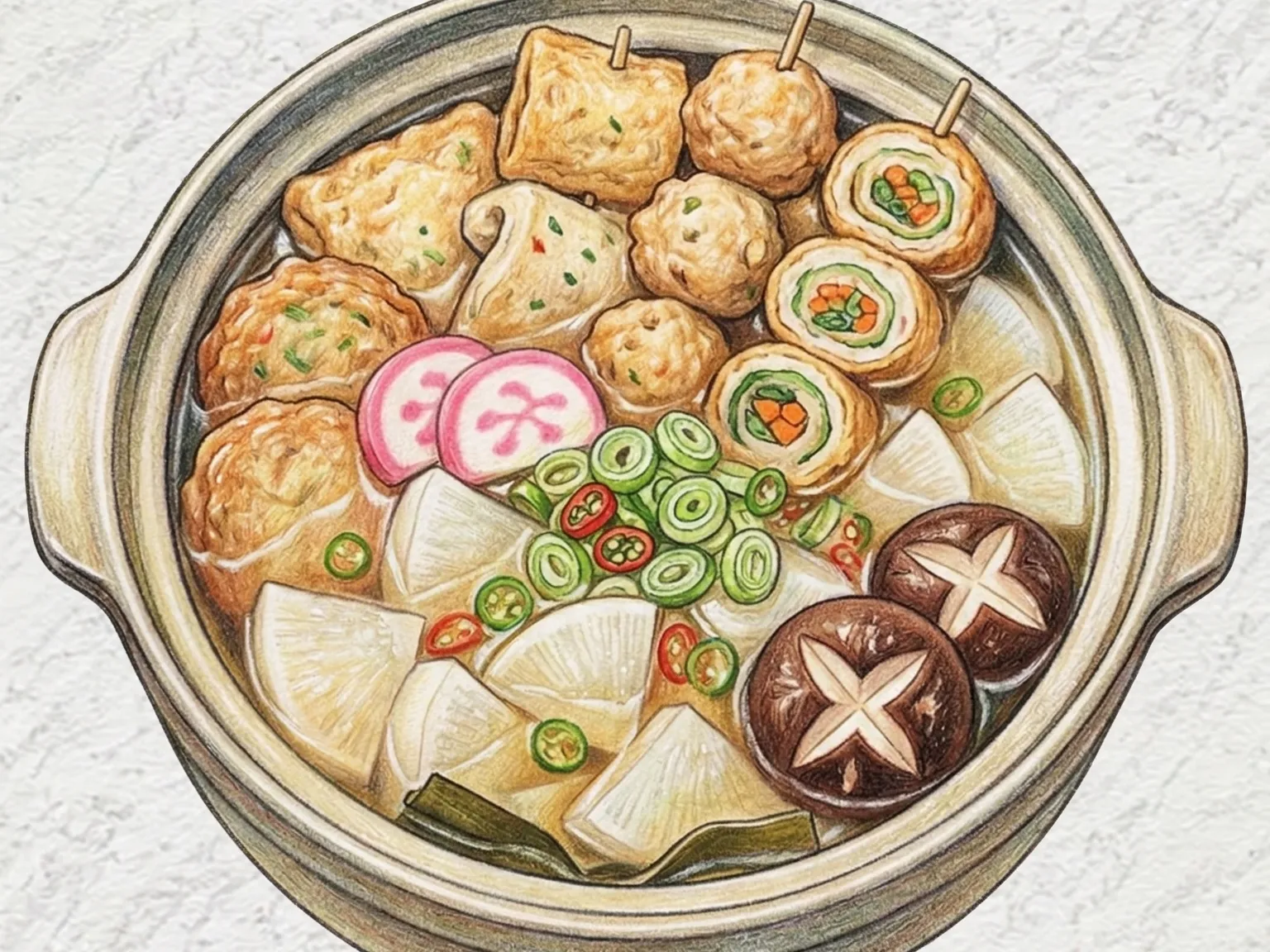
Korean Fish Cake Hot Pot (Skewered Fish Cakes in Clear Broth)
Boil 250 g Korean radish, cut into flat squares about 3 cm wide, with the kelp in 1.2 L water over high heat for 12 minutes, long enough for the radish to sweeten the broth. Take the kelp out, season with 1 1/2 tbsp soup soy sauce, and simmer 350 g fish cake and 100 g shiitake mushrooms over medium heat for 8 minutes. Add the sliced hot chili and green onion for the last 3 minutes.
Quick answer
- Total time
- 45 min
- Level
- Easy
- Servings
- 4 servings
- Ingredients
- 8
About this dish
Fish cakes of assorted shapes simmer with shiitake in a kelp and radish broth and come to the table in the pot, seasoned lightly with soup soy sauce so their own flavor stays in front.
Ingredients
Instructions
- 1
Slice 250g of Korean radish into large, flat squares about 3cm wide, and cut 350g of various shaped fish cakes into manageable, bite-sized pieces for easy eating during the meal.
- 2
Pour 1200ml of water into a pot, add the dried kelp and sliced radish, then boil over high heat for 12 minutes until the radish releases its natural sweetness into the broth.
- 3
Remove the kelp to keep the broth clean, then season with 1.5 tablespoons of soup soy sauce to enhance the savory depth without masking the delicate flavor of the clear soup stock.
- 4
Add the fish cakes and 100g of shiitake mushrooms, then simmer over medium heat for 8 minutes until the fish cakes become soft, silky, and fully absorb the rich flavors of the broth.
- 5
Incorporate one sliced hot chili and one sliced green onion for a sharp kick and subtle aroma, then continue simmering for 3 more minutes to allow the spicy oils to infuse properly.
- 6
Once the broth is perfectly clear and the flavors of the radish and fish cakes have fully melded, serve the hot pot immediately in the cooking vessel to retain its warm temperature.
Use-up ingredient planner
Turn these ingredients into two more meals
The overlap excludes basic seasonings. Open the next recipe and your selected dishes will stay with you.
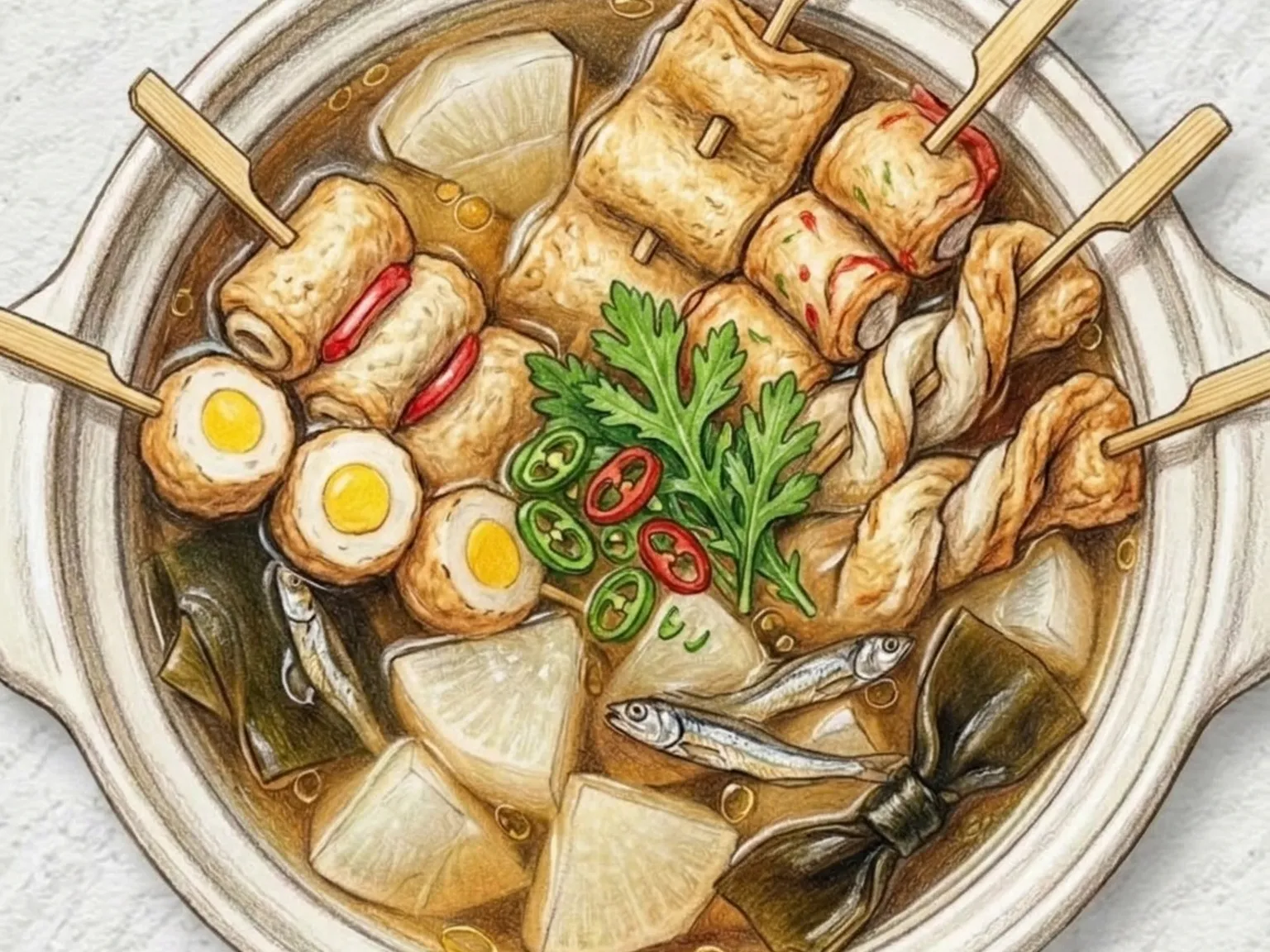
Korean Fish Cake Soup (Clear Anchovy Radish Broth)
fish cake, Korean radish
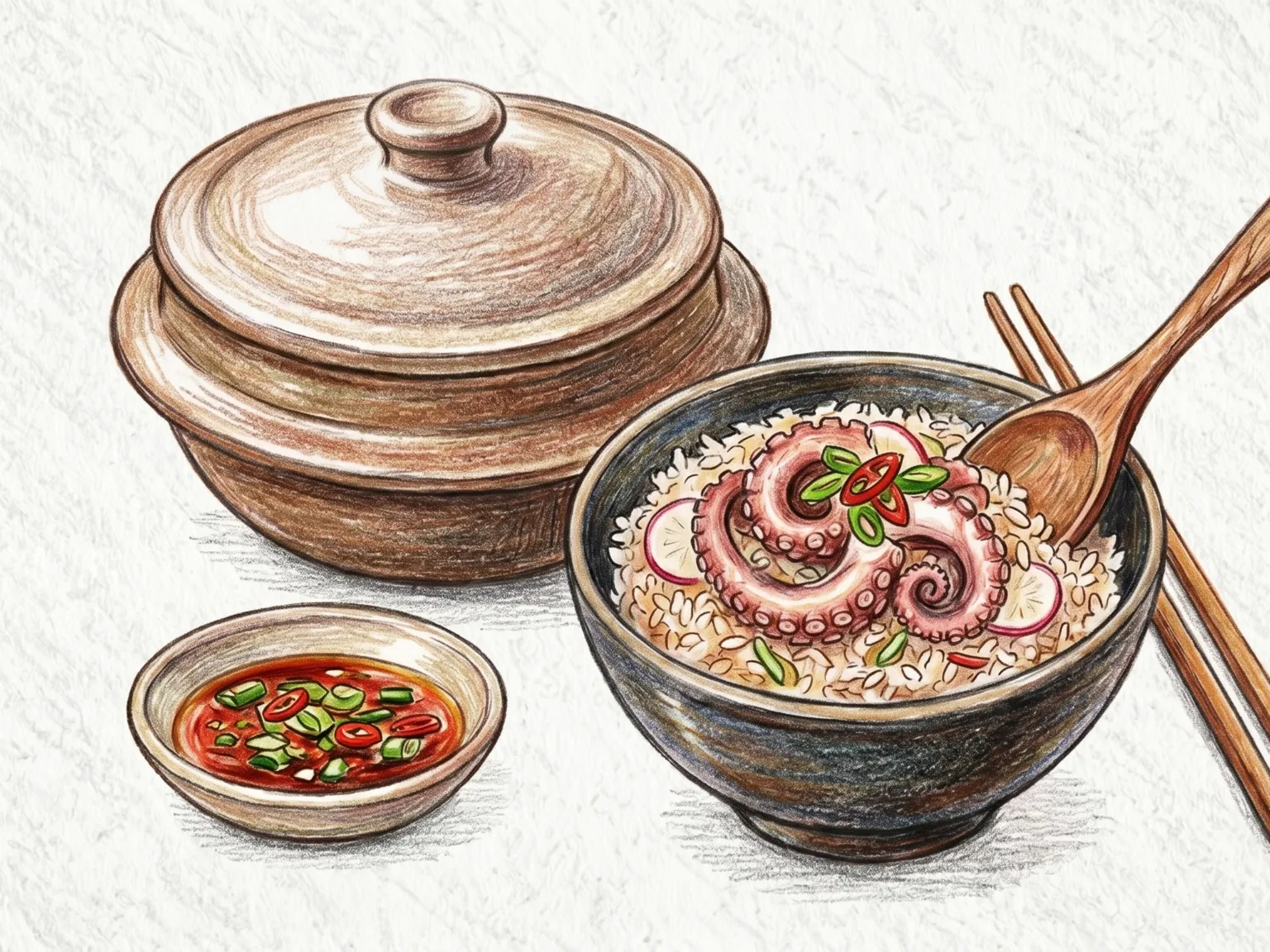
Korean Octopus Pot Rice (Chewy Octopus Ocean-Scented Grain Pot)
Korean radish, hot chili

Korean Soupy Tteokbokki (Rice Cakes in Spicy Gochujang Broth)
fish cake, green onion