Citrus Espresso Tonic with Orange

Citrus Espresso Tonic with Orange

Quick answer

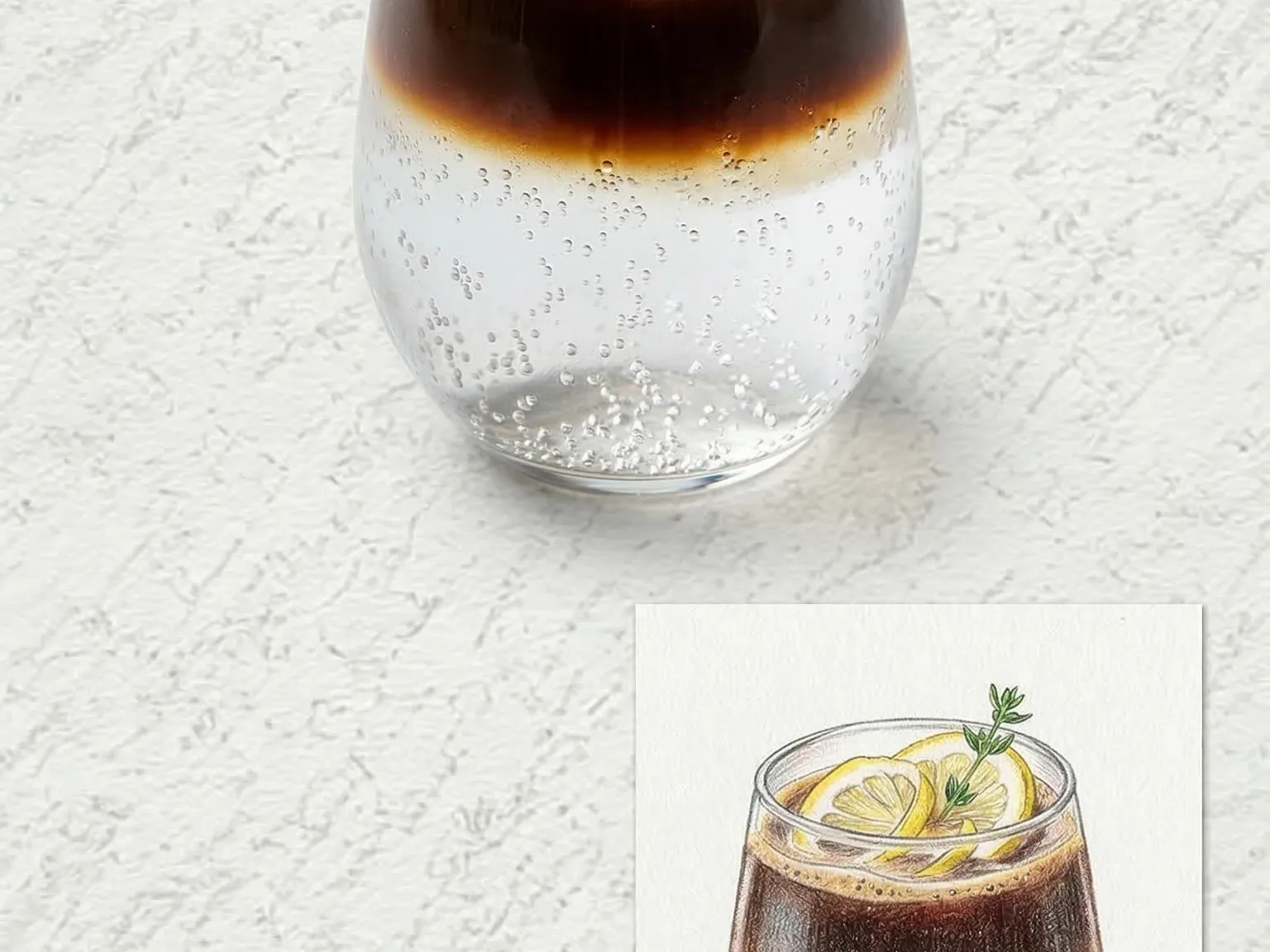
Espresso tonic is a carbonated coffee drink built by slowly pouring espresso over chilled tonic water to form two distinct layers.

What makes this special

  • Poured over a spoon to separate layers, espresso and chilled tonic create a crisp coffee drink.
  • Cooled espresso poured over a spoon separates layers without mixing
  • Tonic quinine bitterness and espresso meet to form a balanced bitter profile
Total time
10 min
Level
Easy
Servings
2 servings
Ingredients
6
Calories
62 kcal
Protein
1 g

Key ingredients

espressotonic waterorange slicelemon peelsimple syrup

Core cooking flow

  1. 1 Fill a tall glass with 1 cup of firm ice cubes and chill the glass for about 1 minute.
  2. 2 Keep 300 ml of tonic water very cold until the moment you pour it.
  3. 3 Pour the cold tonic slowly between the ice cubes, then add 2 teaspoons of simple syrup.

Espresso tonic is a carbonated coffee drink built by slowly pouring espresso over chilled tonic water to form two distinct layers. The tonic must be thoroughly cold to maintain stable carbonation throughout; cooling the espresso for about thirty seconds before pouring it over a spoon produces a clean separation between the two liquids. The quinine bitterness in the tonic water meets the espresso's roast bitterness, creating a balanced interplay rather than one-note sharpness. Orange slices and lemon peel garnish the glass, releasing citrus oils that rise with the bubbles. Specialty espresso with pronounced fruit acidity works particularly well here, harmonizing with the tonic's effervescence and lending natural sweetness without added sugar. Pre-chilling the glass with ice before adding the tonic helps preserve carbonation. The drink gained popularity in Scandinavian coffee culture during the 2010s before spreading worldwide.

Prep 6min Cook 4min 2 servings

Instructions

Read the steps as a cooking flow: prep, heat, seasoning, doneness control, and finish.

6 steps
  1. 1
    Step

    Fill a tall glass with 1 cup of firm ice cubes and chill the glass for about 1 minute.

    Use solid cubes, not crushed ice, so the tonic stays cold without diluting too quickly.

  2. 2
    Step

    Keep 300 ml of tonic water very cold until the moment you pour it.

    Open the bottle or can gently, without shaking, so the bubbles stay stable before they reach the glass.

  3. 3
    Prep

    Pour the cold tonic slowly between the ice cubes, then add 2 teaspoons of simple syrup.

    Stir only once or twice with a spoon, just enough to combine, because overmixing drives off carbonation.

  4. 4
    Step

    Pull 120 ml of strong espresso and let it cool for about 30 seconds.

    It should remain warm but not strongly steaming, since very hot coffee makes the tonic foam up and lose bubbles quickly.

  5. 5
    Step

    Hold the back of a spoon close to the tonic surface and pour the espresso in a thin, steady stream.

    Avoid pouring hard into one spot, or the clear tonic layer and coffee layer will merge.

  6. 6
    Finish

    Place 2 orange slices on the rim and twist 2 g of lemon peel over the glass to release citrus oils.

    Serve while the layers are visible, then stir once just before drinking for a balanced sip.

After the steps

Pick a recipe that fits this dish.

Continue with shared ingredients, meal pairings, or a similar method.

Recipes That Go Well With This

More Drinks →

Based on shared ingredients and meal pairing

Korean Green Tangerine Ade
Shared ingredient: ice cubes Drinks

Korean Green Tangerine Ade

Unripe green tangerines harvested in Jeju island contain higher acidity and a more pungent fragrance than fully matured citrus. Making the base syrup involves layering thin slices of the whole fruit with an equal amount of sugar and letting them macerate for at least twenty four hours. This process allows the essential oils from the skin to dissolve into the liquid, creating a complex aromatic profile. Adding a small amount of lemon juice and a pinch of salt to the syrup helps soften the sharp tartness of the green tangerines. When finishing the drink, pouring sparkling water slowly helps maintain the carbonation level. Placing lightly pressed mint leaves on top adds a cooling element to the acidic base. The prepared syrup stays fresh in the refrigerator for two to three weeks and works well as a hot tea when mixed with warm water. For a frozen alternative on hot days, the mixture can be frozen and scraped into a granita. Sweetness levels remain flexible as the amount of sugar can be adjusted depending on the tartness of the specific batch of fruit.

Fresh Lemon Ade
Shared ingredient: ice cubes Drinks

Fresh Lemon Ade

Fresh lemonade is a citrus drink assembled by pouring hand-squeezed lemon juice and simple syrup over ice, then topping slowly with sparkling water. The sharp acidity of fresh lemon is tempered by the syrup's rounded sweetness, creating a balance that bottled juice cannot replicate. A tiny pinch of salt amplifies both the sweet and sour notes simultaneously, a small addition with a noticeable effect. Lemon slices and mint leaves added to the glass release fragrance continuously as the drink sits. Pouring the sparkling water last and gently preserves the carbonation through every sip, so the order of assembly matters as much as the ingredients themselves.

Real Pineapple Sherbet
Serve together Desserts

Real Pineapple Sherbet

This refreshing fruit dessert is prepared by scooping out the flesh of a mini pineapple and using its hollowed shell as a serving vessel. The fruit pulp is blended until smooth to prevent icy lumps, then mixed with sugar, lemon juice, and oligosaccharide syrup to achieve a sweet and tangy flavor. After pouring the mixture back into the shell and covering it with the top lid, it is frozen for at least four hours. Stirring the mixture occasionally during freezing breaks up ice crystals, resulting in a smoother texture. The active bromelain enzyme present in the fresh fruit provides a subtle tingly sensation on the tongue. Serving the sherbet directly inside the pineapple skin minimizes juice loss and keeps the dessert cold. Letting it stand for five minutes before scraping and topping with fresh apple mint leaves makes it ready to serve.

Korean Hallabong Ade (Jeju Mandarin Sparkling Citrus Drink)
Similar recipe Drinks

Korean Hallabong Ade (Jeju Mandarin Sparkling Citrus Drink)

Hallabong ade is a Korean sparkling citrus drink built around hallabong, a Jeju Island tangerine hybrid distinguished by its thick, deeply fragrant peel, exceptionally sweet-tart juice, and characteristic knobby protrusion at the stem end. The fruit is macerated with sugar to draw out a concentrated syrup, which is then diluted with chilled sparkling water so that the citrus flavor stays bright and full without becoming syrupy. Mashing a few pieces of the flesh directly into the glass releases bursts of juice as each bubble rises, adding texture alongside the flavor. A squeeze of lemon juice reinforces the natural acidity and prevents the drink from tipping into one-dimensional sweetness. Packed with ice and finished with fresh mint leaves, the herbal coolness lifts the citrus aroma and turns the drink into a refreshing summer staple.

Serve with this

Fluffy Pancakes
Baking Easy

Fluffy Pancakes

A straightforward American breakfast staple built from flour, egg, milk, and melted butter. Baking powder lifts the batter into thick, pillowy rounds with a golden-brown exterior. The key to a tender pancake is restraint when mixing: a few small lumps in the batter are preferable to a smooth but overworked one, which produces a tough, chewy result. Resting the batter for five to ten minutes lets the gluten relax and the leavener activate fully, yielding a noticeably fluffier rise on the griddle. Cooking over medium-low heat prevents the outside from scorching before the center sets. Maple syrup, fresh berries, or a pat of butter on the warm stack are the classic accompaniments.

🧒 Kid-Friendly ⚡ Quick
Prep 5min Cook 15min 8 servings
Cheese Arepa (Venezuelan Griddled Cornmeal Cheese Pocket)
Street food Easy

Cheese Arepa (Venezuelan Griddled Cornmeal Cheese Pocket)

The arepa is the daily bread of Venezuela and Colombia, with origins reaching back to pre-Columbian indigenous peoples who ground maize on stone metates and cooked the patties over fire. The dough has no leavening, no fat, no yeast - only pre-cooked cornmeal (masarepa), water, and salt, worked by hand into thick discs and cooked on a budare, a flat cast-iron griddle, until a golden-brown crust forms on both sides. Inside, the arepa stays soft with a faintly undercooked texture that contrasts the crust. For cheese arepas, queso blanco or mozzarella is either folded into the dough before cooking, creating pockets of molten cheese throughout, or stuffed inside a freshly grilled arepa split open while hot. Either way, the warm corn shell traps stretchy, salty melted cheese in every bite. The corn flavor reads toasty and cleanly sweet, and the fat from the cheese provides the counterpoint. Street vendors across Caracas and Bogota sell them around the clock, filled with everything from black beans to slow-cooked shredded beef.

🧒 Kid-Friendly ⚡ Quick
Prep 15min Cook 15min 4 servings
Korean Perilla Soybean Sprout Namul
Side dishes Easy

Korean Perilla Soybean Sprout Namul

Kongnamul, soybean sprouts, are among the most consumed vegetables in Korea, and this perilla-dressed version adds a nutty, full-bodied depth that the plain sesame oil variety lacks. The sprouts are steamed with the lid sealed for five minutes, which drives off the raw bean smell while keeping the heads firm and crunchy. Tossed with perilla powder, soup soy sauce, garlic, and sesame oil while still warm, the powder absorbs the moisture and dissolves into a pale coating that makes each sprout feel creamy on the tongue. Chopped scallion contributes a sharp, grassy contrast that balances the richness, and resting the finished dish for five minutes before serving lets the seasoning penetrate evenly so the flavor comes together more completely.

🥗 Light & Healthy 🏠 Everyday
Prep 10min Cook 8min 4 servings

Similar recipes

Korean Melon Smoothie (Chamoe Korean Melon Yogurt Blend)
Drinks Easy

Korean Melon Smoothie (Chamoe Korean Melon Yogurt Blend)

Chamoe smoothie blends peeled and seeded Korean melon flesh with plain yogurt, milk, honey, lemon juice, and a pinch of salt. The melon's clean, juicy sweetness meets the yogurt's tanginess to create a refreshing, well-rounded flavor, while the lemon brightens the finish and prevents the drink from tasting flat. The pinch of salt is a small but functional addition that amplifies sweetness across the whole glass. Ice goes in only at the final thirty seconds of blending - adding it earlier dilutes the flavor and produces a watery consistency. When the melon is particularly sweet, halving the honey maintains balance without masking the fruit's natural character. The smoothie should be poured immediately into a chilled glass so the fresh melon fragrance does not fade before serving.

🍺 Bar Snacks ⚡ Quick
Prep 10min 2 servings
Hallabong Cheesecake Bars Recipe (Jeju Mandarin Cream Cheese Dessert)
Baking Medium

Hallabong Cheesecake Bars Recipe (Jeju Mandarin Cream Cheese Dessert)

Bright, floral Jeju hallabong citrus (a hybrid of mandarin and orange) lifts these cream cheese cheesecake bars with a honeyed aroma that lemon cannot match. Sour cream in the filling adds gentle acidity to balance the richness of the cheese, and the essential oils from the zest spread through the batter during baking so the fragrance stays consistent through the last bite. A buttered cracker crumb base provides crisp contrast to the creamy layer above. The flavor reads brightest when served cold, and chilling the dessert thoroughly yields clean rectangular slices for sharing. Fresh fruit from the winter to early spring peak season delivers the most aromatic results, and preparing the bars a day in advance lets the filling settle for cleaner cuts and deeper citrus perfume.

🎉 Special Occasion 🧒 Kid-Friendly
Prep 25min Cook 35min 4 servings
Blueberry Banana Bread
Baking Easy

Blueberry Banana Bread

Blueberry banana bread is a quick bread that pairs the dense, sweet moisture of ripe bananas with the sharp burst of blueberries. The riper the banana, the more sugar has converted from starch, which means the bread needs less added sweetener while still tasting distinctly sweet. Melted butter enriches the crumb without weighing it down the way oil can, and baking soda creates a fine, tender rise that keeps the interior soft. Blueberries burst during baking and streak the crumb with rivulets of purple juice, making every slice visually distinct as well as flavorful. The most important technique is restraint with the mixing - once the flour is added, stirring just until the dry streaks disappear prevents gluten from over-developing and keeps the crumb moist rather than tough. Because the fruit carries most of the sweetness and moisture, this is a reasonable choice as a daily snack or a healthier baked good. Sliced warm with butter or cream cheese, it works as a simple brunch dish, and it keeps well for several days at room temperature before the crumb begins to dry.

🧒 Kid-Friendly 🎉 Special Occasion
Prep 15min Cook 50min 4 servings

Tips

Use very cold tonic for better fizz retention.
Hot espresso makes carbonation fade quickly.

Nutrition (per serving)

Calories
62
kcal
Protein
1
g
Carbs
14
g
Fat
0
g