Eton Mess (Crushed Meringue, Cream & Strawberry Mix)
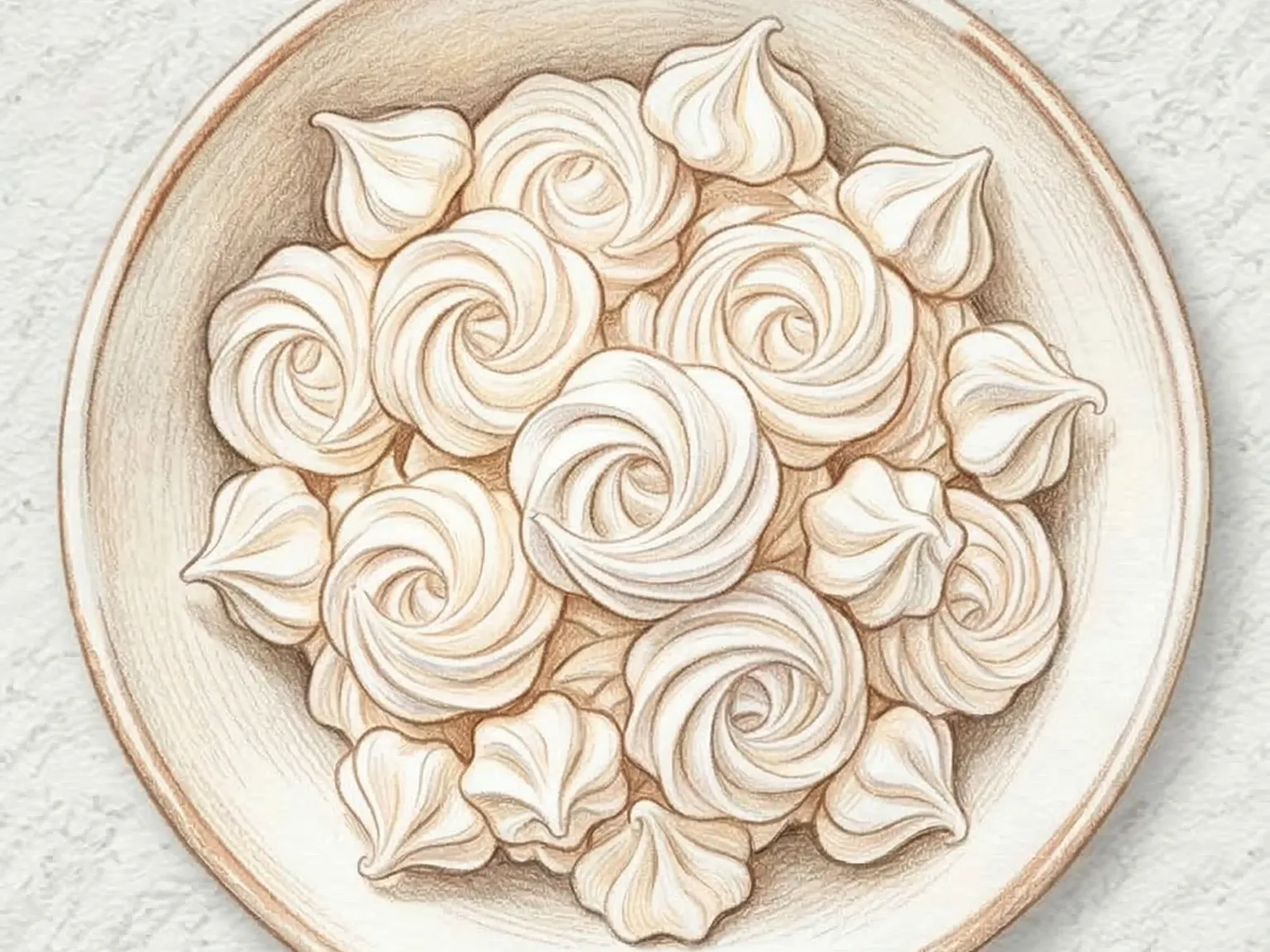
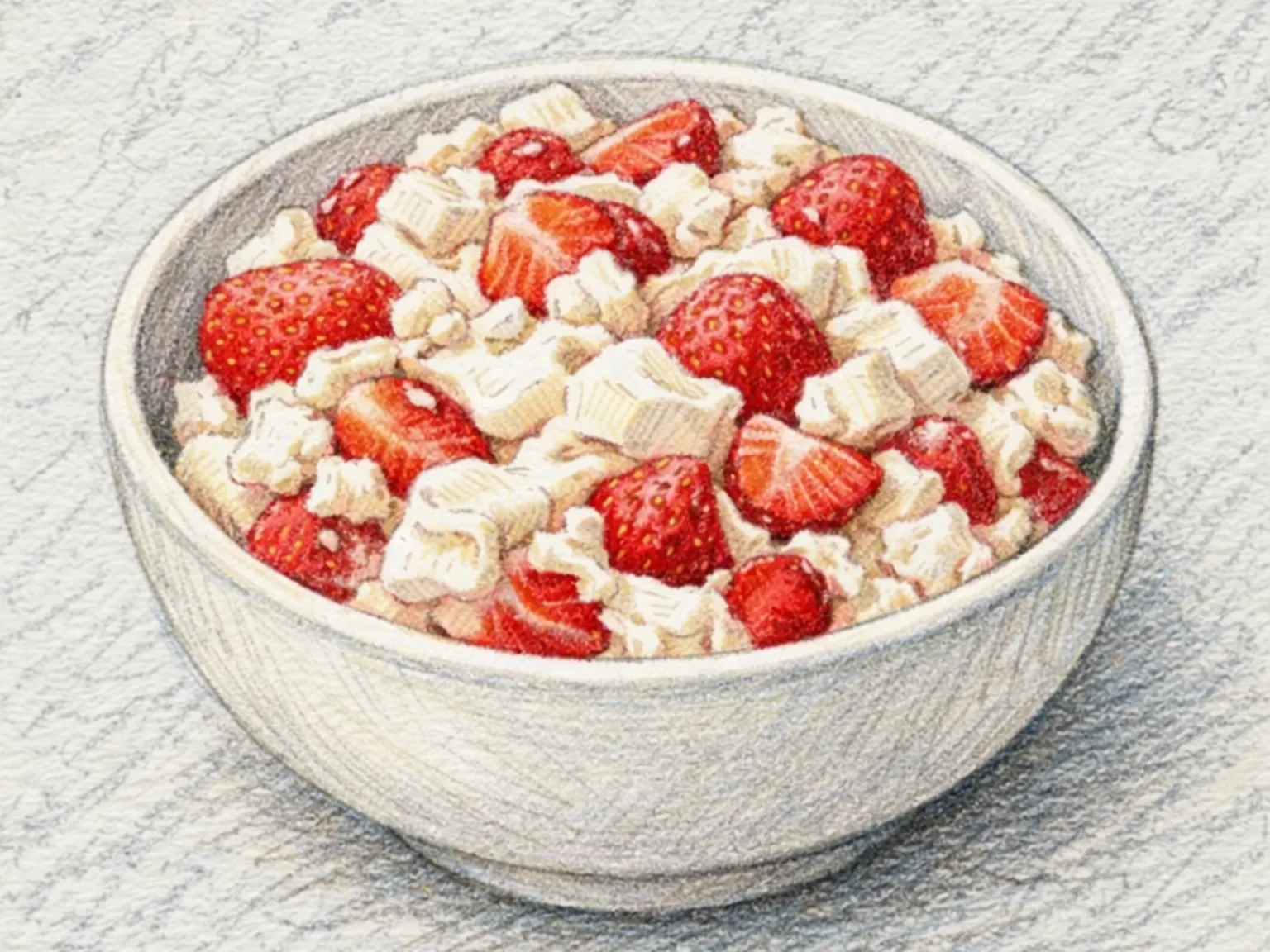
Eton mess is a British dessert originating from Eton College, made by roughly combining broken meringue, whipped cream, and strawberries into a deliberate jumble. The name describes the method - there is no careful layering, just a generous pile of ingredients mixed together in a glass or bowl. The meringue is baked until crisp outside and marshmallow-soft inside, then crushed into large, irregular shards. Some strawberries are mashed to create red streaks through the cream while others are left whole for fresh bursts of fruit. The cream is whipped to soft, billowy peaks that fold loosely around the other components. Each spoonful delivers a different ratio of crunch, softness, sweetness, and tartness. Eton mess must be assembled and served without delay, as the meringue begins absorbing moisture from the cream and fruit immediately.
Adjust Servings
Instructions
- 1
Whip egg whites with sugar until stiff and glossy.
- 2
Pipe or spoon onto tray and bake-dry at 110C for 60 minutes.
- 3
Mash half the strawberries and chop the rest.
- 4
Whip cream with vanilla to soft peaks.
- 5
Break meringue and fold with strawberries and cream, then serve immediately.
As an Amazon Associate, we may earn from qualifying purchases.
Tips
Nutrition (per serving)
More Recipes

Banoffee Pie
Banoffee pie is a British no-bake dessert whose name combines banana and toffee, the two ingredients that define its character. A base of crushed digestive biscuits bound with melted butter is pressed into a pan and chilled until firm. Sweetened condensed milk is slowly heated until it transforms into a thick, amber toffee that is spread over the biscuit crust. Ripe bananas are sliced and layered on top, then the whole assembly is crowned with a tall dome of softly whipped cream and a dusting of cocoa powder. Each forkful delivers four distinct textures in sequence: the sandy crunch of the biscuit base, the dense caramel pull of the toffee, the soft sweetness of banana, and the cool lightness of cream.

English Trifle (Layered Cake, Custard & Cream Dessert)
English trifle is a layered dessert assembled in a glass bowl, where each stratum contributes a different texture and flavor. Slices of sponge cake are soaked in sherry or fruit juice until they soften into a pudding-like consistency, then covered with a thick vanilla custard that sets gently as it chills. Fresh strawberries and blueberries are scattered between layers, introducing bright acidity and color. Whipped cream crowns the top, providing a light, airy finish. The glass bowl displays the distinct bands of cake, custard, fruit, and cream from the side. Each serving should dig deep enough to capture all layers in a single spoonful, ensuring that the wine-soaked sponge, the smooth custard, and the cream's lightness arrive together.

Victoria Sponge Cake (British Jam and Cream Layered Cake)
Equal weights of butter and sugar are creamed together, then eggs and cake flour are added to produce two round sponge layers that are sandwiched with strawberry jam and whipped cream - the defining structure of this quintessential British cake. Named after Queen Victoria, the cake is deliberately simple in presentation: no elaborate frosting or tiered decoration, just a dusting of powdered sugar on top. Thorough creaming is essential to a light rise, and room-temperature eggs integrate into the batter without curdling. The jam provides a bright, tart contrast to the buttery sponge, while the whipped cream softens each bite with cool richness. Both layers must cool completely before assembly, as warm sponge melts the cream and causes the filling to slide. Refrigerated, the cake stays moist through the next day, and the jam and cream flavors deepen as they settle into the sponge overnight. It is the standard cake served at British afternoon teas and garden parties.

Queen of Puddings (Custard Bread Base with Jam and Meringue)
Queen of puddings is a layered British dessert that begins with a base of breadcrumbs soaked in warm vanilla custard and baked until set. A thin layer of raspberry jam is spread over the surface, introducing a tart brightness that cuts through the richness below. Meringue made from the reserved egg whites is then piled on top and returned to the oven until the peaks turn golden, creating a shell that is crisp on the outside yet marshmallow-soft within. Each spoonful should capture all three layers - the dense, creamy custard base, the sharp fruit jam, and the airy meringue - so that the flavors interact on the palate simultaneously. The recipe wastes nothing: yolks enrich the custard while whites become the meringue, a practical economy that reflects its origins in frugal English country kitchens. Served warm, the custard feels almost like a savory bread pudding dressed in dessert clothing; chilled, the jam asserts itself more prominently, and the meringue firms to a gentle chew.

Crispy Pork Belly Roast
Crispy Pork Belly Roast is a British oven roast focused on achieving a perfectly shattered crackling atop tender, slow-rendered meat. The skin is scored in tight parallel lines and rubbed with coarse salt, then left uncovered in the refrigerator overnight to draw out surface moisture - the first condition for crackling that actually cracks. The initial thirty minutes at 230 degrees Celsius or higher blisters the skin and sets its structure, after which the temperature drops to 160 degrees to slowly melt the internal fat layer, leaving the meat soft and the skin glass-crisp. Garlic cloves and rosemary sprigs placed beneath the belly perfume the meat from below as the oven heat circulates. The rendered pan juices are deglazed to make a quick gravy that carries the pork's own flavor. A rest of at least ten minutes before slicing is essential to keep the juices locked inside the meat.

Beef Wellington
Beef Wellington wraps a whole seared tenderloin in a layer of mushroom duxelles and prosciutto, then encases everything in puff pastry before baking. The initial sear locks a flavorful crust onto the beef surface, and the duxelles acts as a moisture barrier between the meat and the pastry, preventing the dough from going soggy as the tenderloin renders. In the oven, the pastry puffs into hundreds of golden, flaky layers while the beef inside cooks evenly to a pink medium-rare center. Slicing through the finished roll to reveal the clean cross-section - bronze pastry, dark mushroom layer, rosy beef - is the dramatic payoff of the careful assembly. A red wine reduction served alongside completes the dish for a formal occasion.