Fettuccine Alfredo
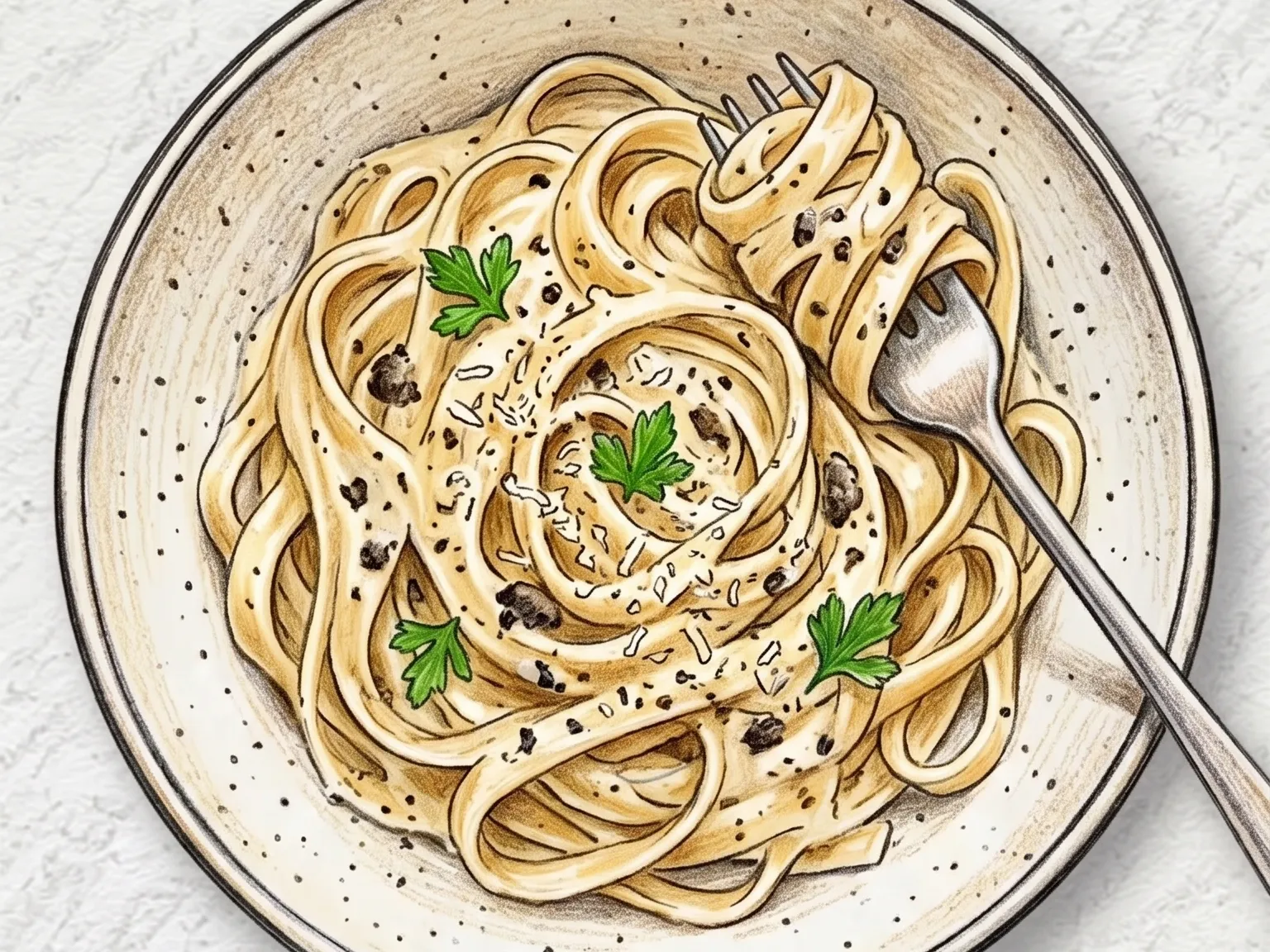
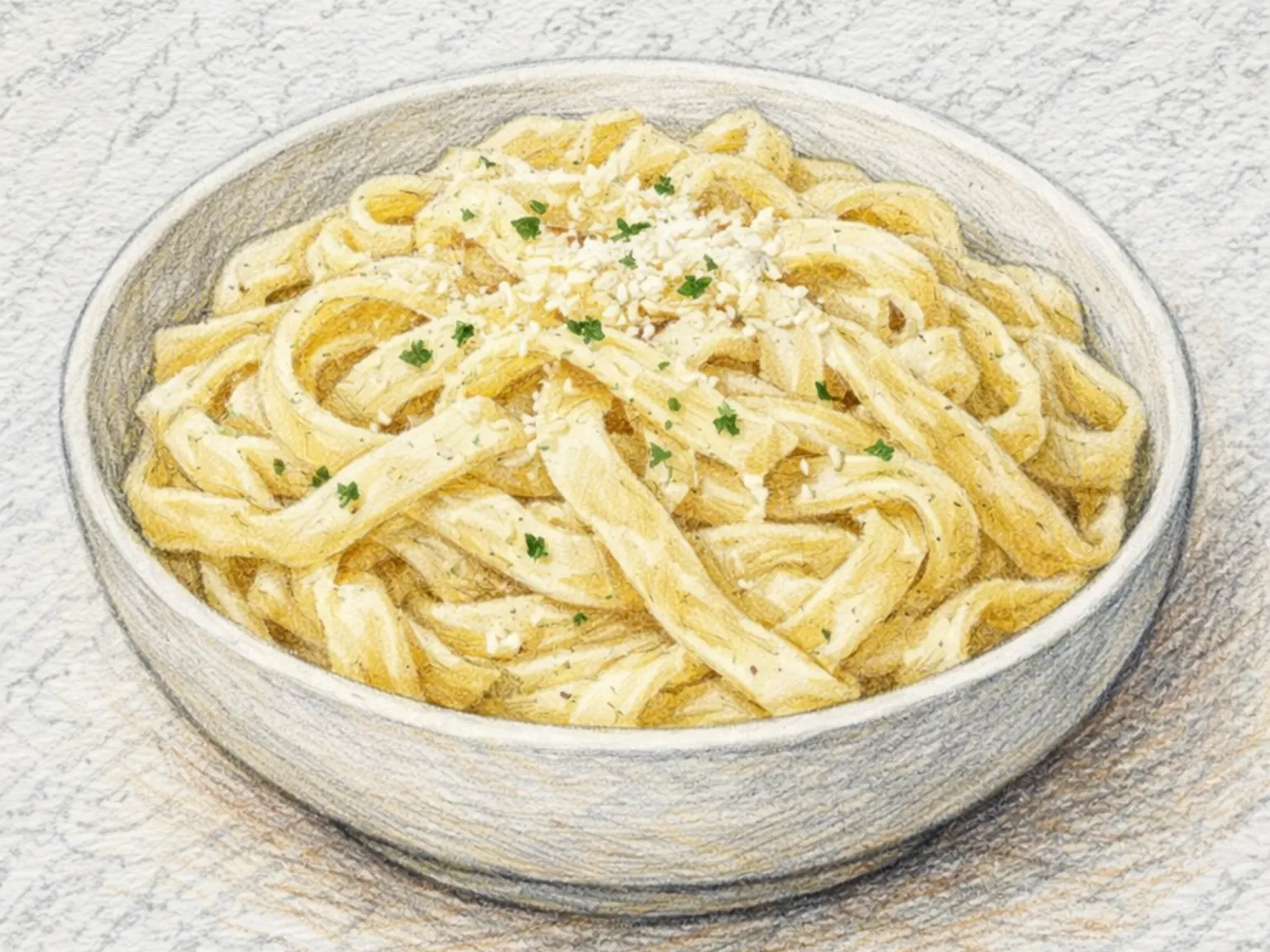
Fettuccine Alfredo is an exercise in simplicity where technique matters more than a long ingredient list. Wide fettuccine noodles are tossed with unsalted butter and finely grated Parmigiano-Reggiano cheese, using starchy pasta water to create a smooth emulsion that clings to every strand. The original Roman recipe contains no cream at all - the silky texture comes from the marriage of melted butter fat, cheese protein, and the starch released by the pasta during cooking. The pan must stay off direct heat while tossing, as excessive temperature breaks the emulsion and turns the sauce grainy. Speed is essential: the dish should move from pan to plate in under a minute. Generous freshly cracked black pepper provides a sharp counterpoint to the rich, concentrated cheese flavor.
Adjust Servings
Instructions
- 1
Cook fettuccine in salted boiling water until al dente.
- 2
Melt butter in a pan, add cream, and warm over low heat.
- 3
Add cooked pasta and about 1/2 cup pasta water to the pan.
- 4
Lower heat and toss in parmesan quickly to form a smooth emulsion.
- 5
Season with black pepper and salt if needed, then serve immediately.
As an Amazon Associate, we may earn from qualifying purchases.
Tips
Nutrition (per serving)
More Recipes

Chicken Alfredo
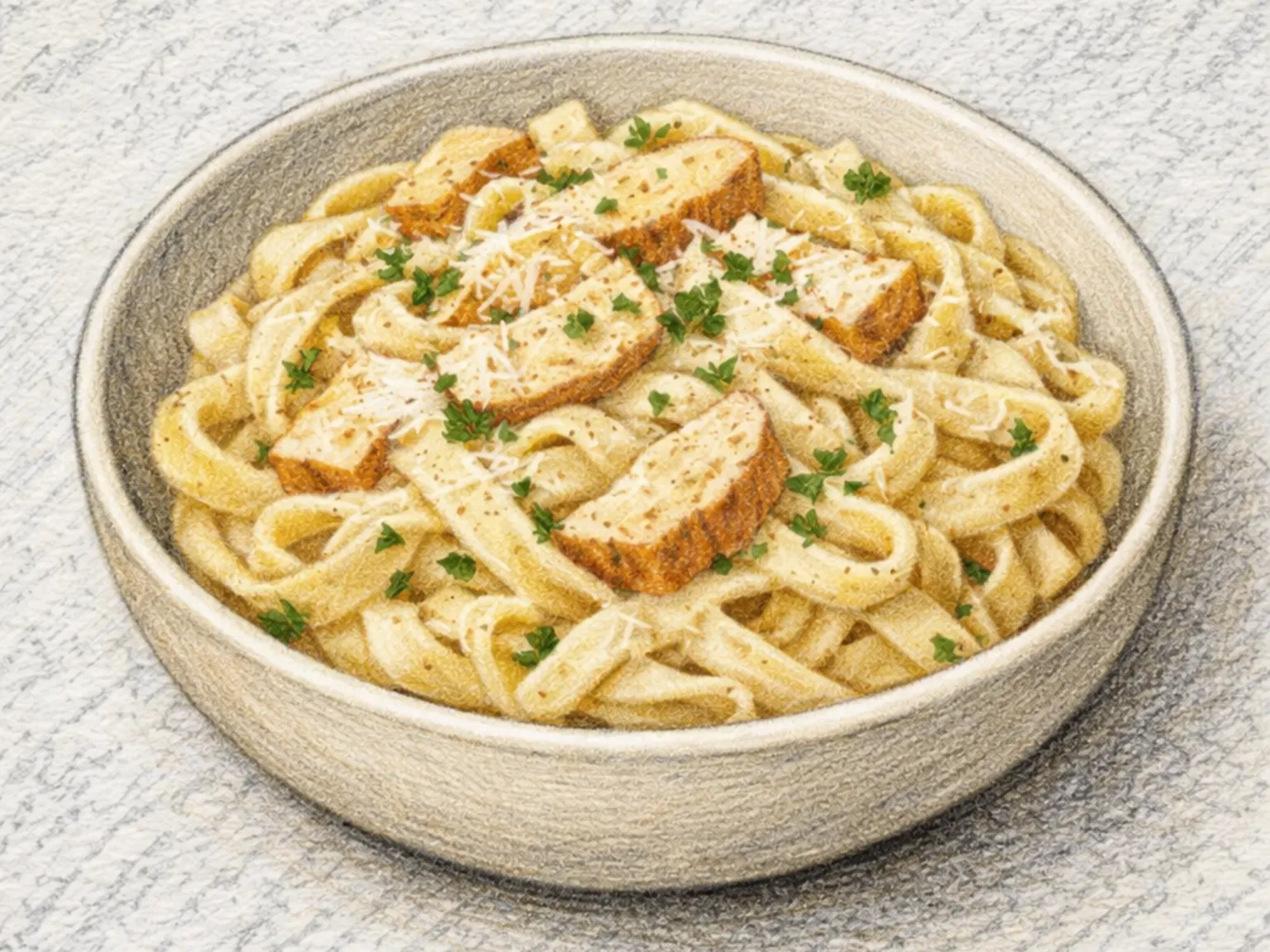
Chicken alfredo is an Italian-American pasta of pan-seared chicken breast and fettuccine tossed in a sauce of butter, heavy cream, and Parmesan cheese. Garlic is sauteed in melted butter before the cream is poured in and the grated Parmesan stirred through - the cheese protein emulsifies with the cream fat into a thick coating that clings to every strand of pasta. The chicken breast is seasoned with salt and pepper and seared until the surface reaches a deep golden brown, developing a Maillard-reaction flavor that the cream sauce alone cannot provide. Adding the pasta to the sauce immediately after draining, while surface starch is still present, helps the sauce adhere more effectively. A generous amount of black pepper adds a quiet warmth inside the rich, creamy base.

Roasted Pumpkin Alfredo Fettuccine
Roasted pumpkin Alfredo fettuccine purées oven-roasted kabocha squash into a cream-based Alfredo sauce. The squash is roasted at 200°C with olive oil until its edges caramelize and its starch concentrates, giving the sauce natural body without added thickeners. Onion and garlic sautéed in butter form the aromatic base before the roasted squash and cream are blended smooth. Parmigiano-Reggiano adds savory salt, and a pinch of nutmeg introduces warm spice that keeps the squash's sweetness grounded on the savory side. The sauce clings thickly to wide fettuccine ribbons. Cook time is about 25 minutes excluding the squash roasting, which can be done in advance.

Penne alla Vodka
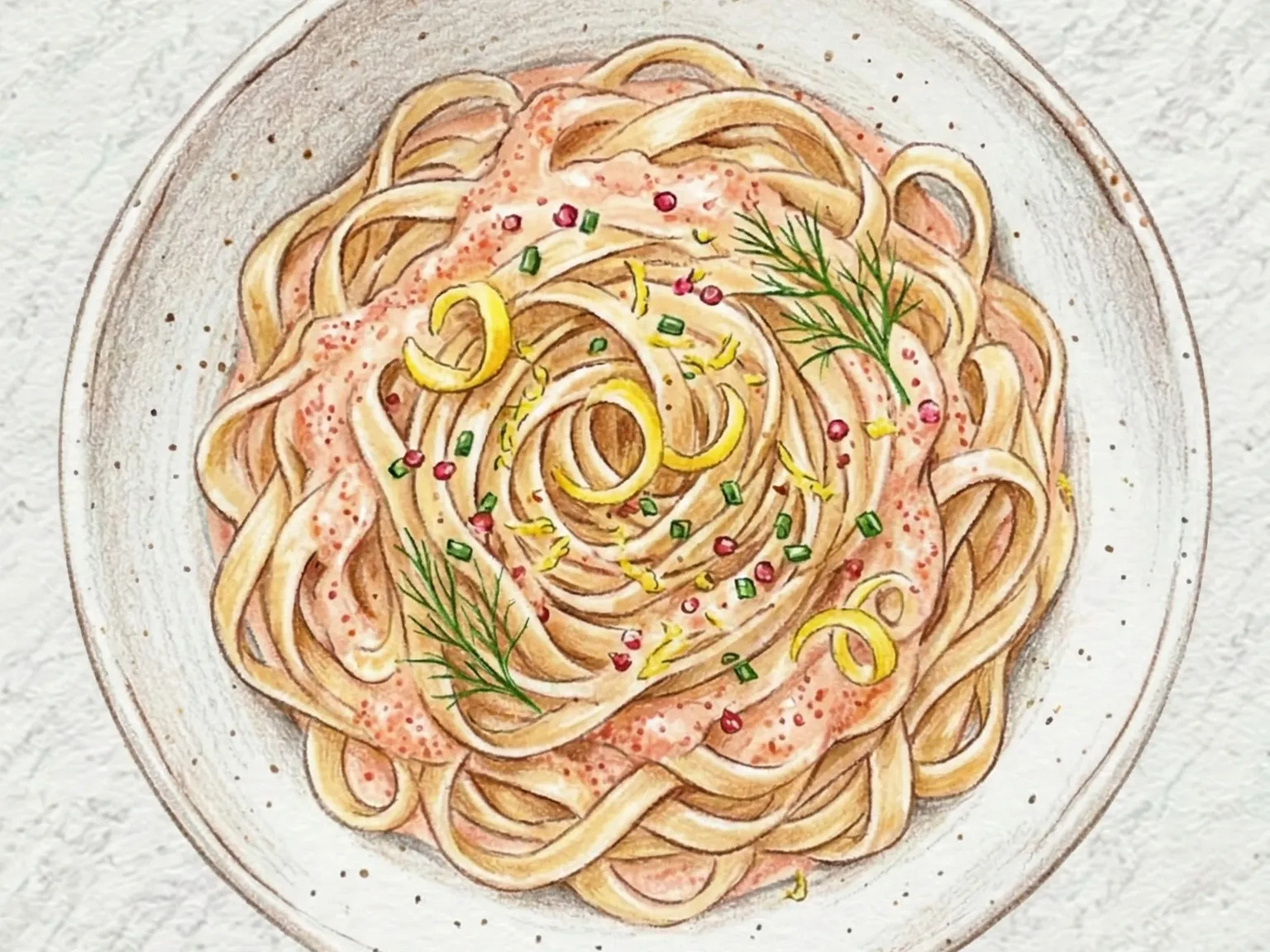
Penne alla vodka combines tomato puree, heavy cream, and a splash of vodka into a smooth, coral-colored sauce. The vodka helps release flavor compounds in the tomato that are not soluble in water or fat alone, then cooks off to leave only a subtle warmth. Butter-softened onions and a pinch of chili flakes round out the base before cream is stirred in on low heat. The tubular shape of penne catches the thick sauce inside each piece.

Cream Pasta
Cream pasta starts by crisping bacon in butter, then sauteing diced onion and garlic in the rendered fat before adding heavy cream and milk to simmer for five minutes into a smooth sauce. The heavy cream provides rich body while the milk lightens it so the sauce coats the pasta without feeling heavy. Tossing the cooked pasta directly in the sauce and stirring in grated Parmesan cheese adds umami depth and a salty edge. Adding two to three tablespoons of starchy pasta water helps the sauce emulsify and cling to each strand evenly. The finished dish layers the smoky salt of bacon, the mild richness of cream, and the aged sharpness of Parmesan.

Pasta Bolognese
Pasta Bolognese is a slow-simmered meat ragu from Bologna, built on a soffritto of onion, carrot, and celery cooked with ground beef and pork. Red wine deglazes the browned meat, and whole milk is added to soften acidity and tenderize the proteins. The sauce requires at least one hour of low heat to meld the flavors into a cohesive, concentrated ragu. Tagliatelle is the traditional pairing in Emilia-Romagna, served with freshly grated Parmigiano-Reggiano.

Pasta Primavera
Pasta primavera is a vegetable-forward Italian pasta that stir-fries broccoli, zucchini, bell pepper, and green peas in olive oil with garlic. Each vegetable is cut to a similar size and cooked in sequence to maintain distinct textures. Pasta water emulsifies the dish into a light, glossy coating without the need for heavy cream or butter. Parmesan is folded in off-heat to prevent clumping, keeping the finish clean and fresh.