Focaccia Bread

Focaccia Bread

Quick answer

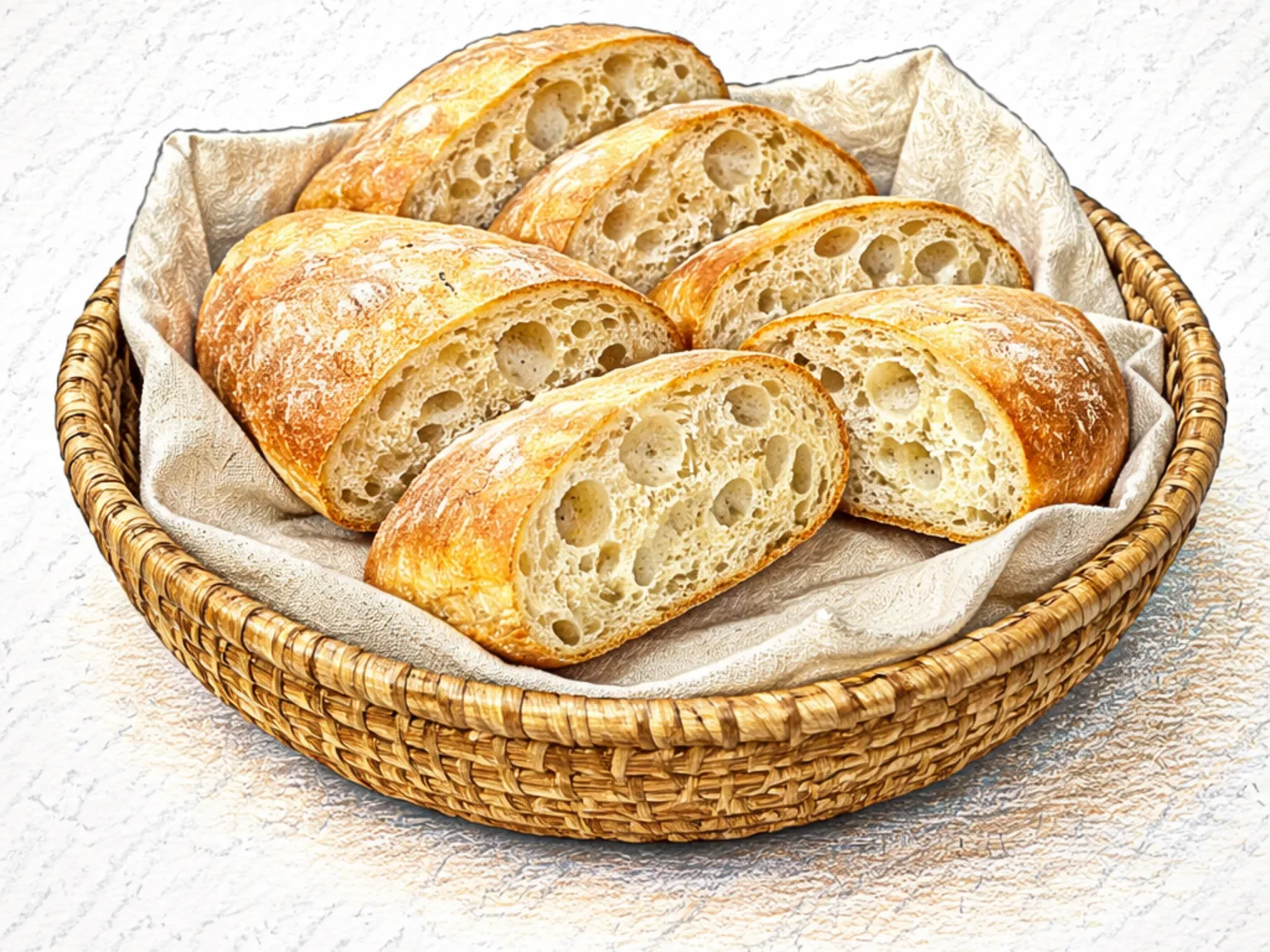
Focaccia is an Italian flatbread distinguished by its generous use of olive oil and a high-hydration dough that produces a distinctly open, irregular crumb.

What makes this special

  • Italian flatbread baked with olive oil to achieve a crisp exterior and airy, chewy crumb.
  • High-hydration dough creates large irregular air pockets and a chewy crumb
  • Olive oil pooling in finger dimples crisps both bottom and top simultaneously
Total time
45 min
Level
Easy
Servings
6 servings
Ingredients
8
Calories
280 kcal
Protein
7 g

Key ingredients

bread flourwaterinstant yeastsaltsugar

Core cooking flow

  1. 1 Mix 350 g bread flour, instant yeast, sugar, and salt evenly first.
  2. 2 Place the dough in a bowl, cover it, and proof at room temperature for 1 hour.
  3. 3 Coat the baking pan generously with the remaining 30 ml olive oil.

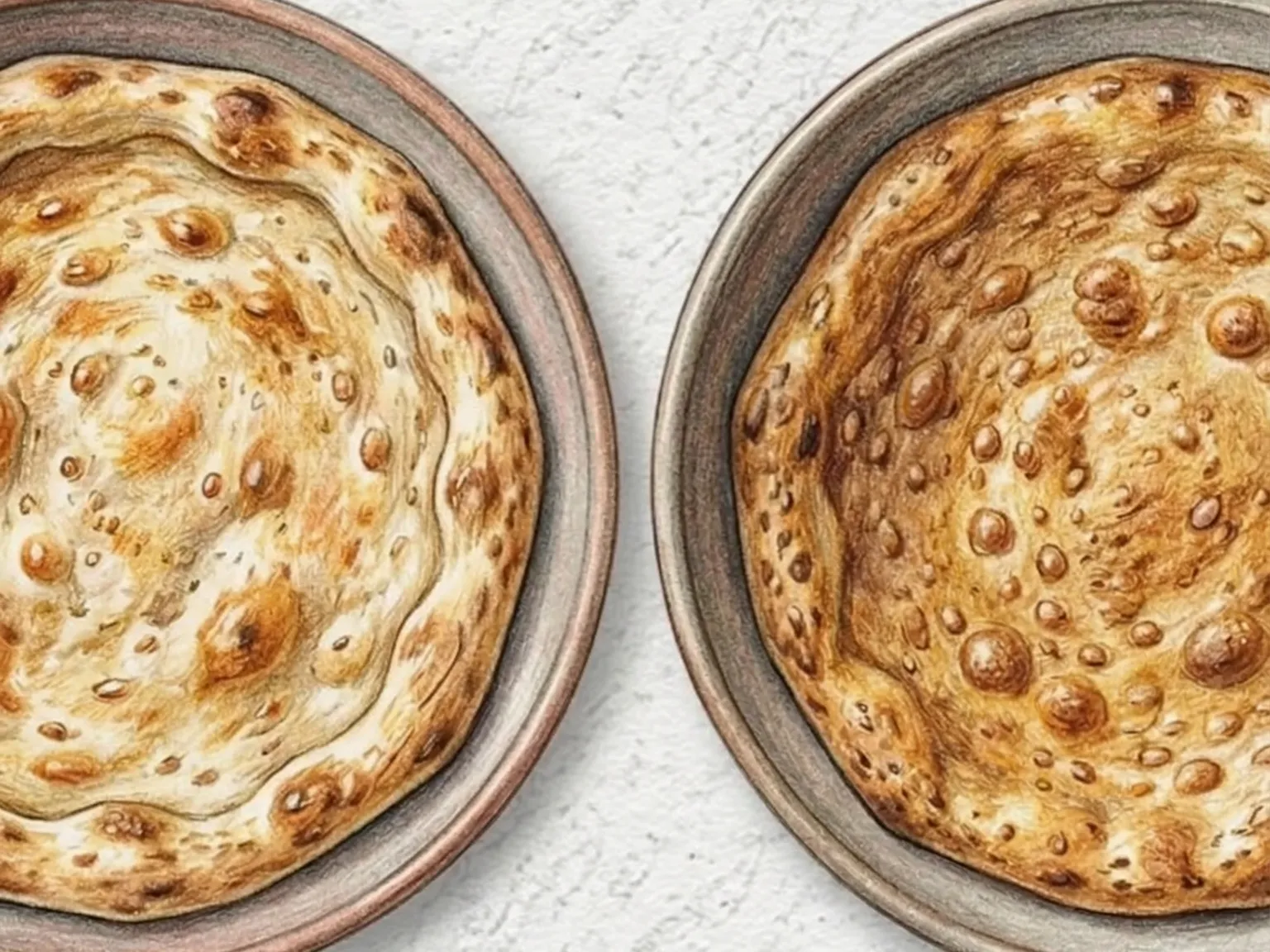
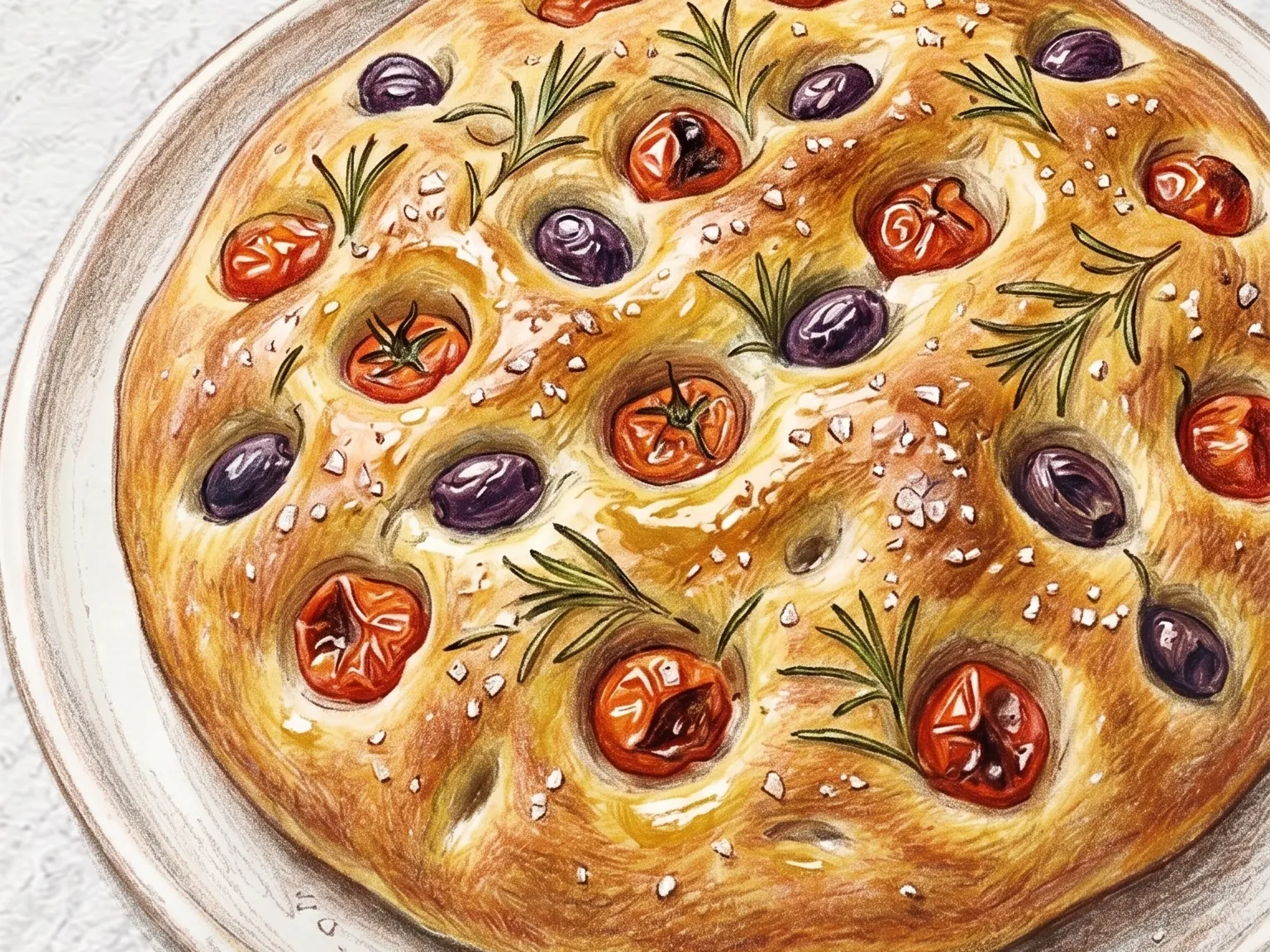
Focaccia is an Italian flatbread distinguished by its generous use of olive oil and a high-hydration dough that produces a distinctly open, irregular crumb. The simple mixture of flour, water, yeast, and salt is mixed with plenty of olive oil and given a long fermentation during which large air pockets develop throughout the dough, producing a texture that is simultaneously chewy, airy, and moist. The dough is spread into a well-oiled pan and dimpled deeply across the surface with fingertips, a step that gives focaccia its characteristic pitted appearance. These depressions collect pools of olive oil that effectively fry both the underside and the surface during baking, creating a golden, crisp crust all around while the interior stays tender. Flaky sea salt and fresh rosemary scattered over the top before baking add a fragrant, savory finish. The bread adapts to a wide range of toppings: olives, cherry tomatoes, red onion, thinly sliced potato, or sun-dried tomatoes all work well pressed into the surface before baking. Focaccia is at its absolute best in the minutes immediately after leaving the oven, when the crust is still crackling and the interior is warm and pillowy. Torn by hand into rough pieces, it is built for sharing at the table.

Prep 20min Cook 25min 6 servings

Instructions

Read the steps as a cooking flow: prep, heat, seasoning, doneness control, and finish.

6 steps
  1. 1
    Season

    Mix 350 g bread flour, instant yeast, sugar, and salt evenly first.

    Add 280 ml water and 30 ml olive oil, then mix until no dry flour remains and the dough looks sticky and shaggy.

  2. 2
    Control

    Place the dough in a bowl, cover it, and proof at room temperature for 1 hour.

    After about 30 minutes, wet your hands, lift the edges, and fold them inward without pressing out the air.

  3. 3
    Step

    Coat the baking pan generously with the remaining 30 ml olive oil.

    Transfer the dough and ease it outward with your fingertips; if it pulls back, rest it for 10 minutes before stretching again.

  4. 4
    Step

    Hold your fingers upright and press deep dimples almost to the bottom of the dough.

    Let it proof for 30 more minutes, until it looks puffy and has expanded across the pan.

  5. 5
    Season

    Preheat the oven fully to 220°C.

    Scatter 2 tablespoons fresh rosemary and 1 teaspoon flaky sea salt over the dough, making sure some oil remains pooled inside the dimples.

  6. 6
    Heat

    Bake at 220°C for 22 to 25 minutes, until the top and edges are deep golden and crisp.

    Rest for 5 minutes, then tear it by hand while the crust is still crunchy.

After the steps

Pick a recipe that fits this dish.

Continue with shared ingredients, meal pairings, or a similar method.

Recipes That Go Well With This

More Baking →

Based on shared ingredients and meal pairing

Pizza Dough
Shared ingredient: bread flour Baking

Pizza Dough

Bread flour, instant yeast, olive oil, and water come together into a simple Italian pizza dough that is the foundation for any topping combination. Five to eight minutes of kneading develops enough gluten for a chewy, elastic crust that stretches easily without tearing. After a one-hour room-temperature rise, the dough is divided and shaped by hand into rounds. The highest possible oven temperature is the single most important factor for a crisp bottom, as intense heat sets the crust before moisture from the toppings can soften it. Preparing the dough a day ahead and cold-fermenting it in the refrigerator allows the yeast to work slowly, developing complex flavors that a quick rise cannot match. Each batch yields two pizzas roughly thirty centimeters in diameter.

Deulkkae Gamja Focaccia (Perilla Potato Focaccia)
Shared ingredient: bread flour Baking

Deulkkae Gamja Focaccia (Perilla Potato Focaccia)

Mashed potato is kneaded into a yeasted dough enriched with olive oil and ground perilla seed, then stretched into a pan, dimpled, and baked into a golden Italian flatbread. The potato keeps the interior exceptionally moist and chewy long after cooling, while the perilla adds a nutty undertone that sets this focaccia apart from conventional versions. Rosemary sprigs and thin garlic slices pressed into the dimples before baking contribute herbal fragrance and visual appeal. Olive oil pooling in the finger indentations crisps those spots into pockets of crunch surrounded by soft, airy crumb. Mashing the potato while still hot ensures it integrates smoothly into the dough without lumps. A full sixty-minute first rise at warm room temperature develops large, open air pockets that define good focaccia.

Bam Tiramisu (Chestnut Tiramisu)
Serve together Desserts

Bam Tiramisu (Chestnut Tiramisu)

Chestnut tiramisu is a variation of the traditional Italian dessert that incorporates chestnut puree into the mascarpone cheese filling. This modification transforms a standard cafe dessert into a preparation specifically associated with the autumn season in Korea. The fundamental elements of the recipe remain consistent with the classic version. It utilizes ladyfinger biscuits that have been soaked in espresso, a filling made of whipped mascarpone and cream, and a final layer of cocoa powder. However, the introduction of chestnut puree alters the profile of the cream. Instead of a simple dairy richness, the mixture takes on an earthy quality. Using a puree made from chestnuts boiled at home, rather than a store-bought paste, helps maintain the natural grain of the nut. This provides the cream with a specific texture that is noticeable in every spoonful. When preparing the ladyfingers, the espresso soak requires a high level of precision. Each biscuit should be dipped for approximately one to two seconds. If the ladyfingers are submerged for a longer duration, they absorb an excessive amount of liquid. This leads to a waterlogged consistency which can cause the structural layers of the dessert to collapse while it sits in the refrigerator. The assembly process follows a predictable sequence. A layer of soaked ladyfingers is placed at the bottom, followed by a layer of the chestnut cream. This pattern is repeated once more before the entire dish is placed in the refrigerator to rest for at least four hours. This period of refrigeration is essential to the final outcome. During these hours, the ladyfingers absorb moisture from both the espresso and the cream layer above them. This process changes the biscuits from a crunchy state to a soft texture similar to cake, which allows for clean slices. Just before the dessert is served, a thin layer of cocoa powder is applied to the top. This adds a bitter element that balances the sweetness of the chestnuts. Preparing the tiramisu in individual glass containers or cups ensures that the portions are easy to manage and allows the different layers of the dessert to be clearly visible from the side.

Rosemary Focaccia
Similar recipe Western

Rosemary Focaccia

Rosemary focaccia is an Italian olive-oil bread made from a high-hydration dough that is proofed twice, dimpled with fingertips, topped with rosemary, minced garlic, and flaky salt, and baked at 220 degrees Celsius. The wetter the dough, the better the signature open crumb and chewy interior develop, so resisting the urge to add extra flour during handling is important. A sixty-minute first proof followed by a thirty-minute second proof gives the yeast enough time to produce the gas that creates a light, airy structure. Generous olive oil pooled in the dimples essentially fries the surface during baking, creating crisp pockets across the top. Cooling for ten minutes after baking lets steam escape and sharpens the contrast between the crunchy crust and the moist, pillowy crumb inside.

Serve with this

Meatball Sub
Western Medium

Meatball Sub

Meatball sub starts by mixing ground beef with breadcrumbs, egg, and minced garlic, shaping the mixture into balls, and browning them in olive oil on all sides. The browned meatballs then simmer in tomato sauce on low heat for about 12 minutes until cooked through. Avoiding overmixing the meat mixture is critical - working it too much tightens the protein strands and produces dense, tough meatballs rather than tender ones. The sauce should be kept slightly thick so it does not immediately soak into the bread and turn it soggy. Warming the sub rolls before filling helps them absorb some sauce while still holding their shape. Mozzarella melted on top under a broiler or with a kitchen torch binds the meatballs and sauce together in every bite.

🏠 Everyday 🧒 Kid-Friendly
Prep 20min Cook 25min 2 servings
Tomato Basil Juice
Drinks Easy

Tomato Basil Juice

Tomato basil juice is a cold savory drink made by blending ripe tomatoes with fresh basil leaves and straining the result through a fine sieve to remove seeds and skins. The ripeness of the tomato determines much of the flavor: fully ripe tomatoes carry free glutamates that produce a natural umami depth, whereas underripe fruit tastes predominantly sour without the sweetness and savory body that makes the juice satisfying. Basil should be added to the blender immediately before blending rather than sitting cut or torn, because the volatile oils that produce its aroma begin oxidizing quickly once the leaves are damaged. After blending to a smooth consistency, passing the juice through a fine-mesh strainer or cheesecloth removes the solids and produces a texture smooth enough to drink without resistance. Salt and black pepper season the juice, and fresh lemon juice raises the acidity in a way that brightens the overall flavor rather than making it sour. A small addition of olive oil emulsifies into the juice and activates fat-soluble aromatic compounds in both the tomato and the basil, producing a fuller, rounder flavor than the unstrained version. The juice must be thoroughly chilled before serving, as warmth mutes the herbal freshness. It works well as a brunch drink, a light non-alcoholic aperitif, or a base for savory cocktails.

🍺 Bar Snacks ⚡ Quick
Prep 10min 2 servings
Farro Harvest Salad
Salads Medium

Farro Harvest Salad

Farro is an ancient Italian wheat variety that retains a satisfying chew even after boiling, making it a reliable foundation for grain salads that need to hold their texture over time. Roasting root vegetables such as butternut squash, beets, or sweet potatoes at high heat caramelizes their natural sugars and creates slightly crisp edges that contrast with the soft grain below. Toasted walnuts or pecans layered in add crunch and nutty depth. Bitter greens like arugula or kale interrupt the sweetness of the vegetables and prevent the salad from becoming one-dimensional. A dressing of apple cider vinegar, olive oil, and a small amount of honey ties the components together while allowing each ingredient to remain distinct. The salad carries enough fiber and protein to serve as a complete meal rather than a side. Farro's dense structure absorbs dressing gradually without turning soft, so the salad holds well in the refrigerator for two days, making it a practical choice for meal preparation.

🥗 Light & Healthy 🏠 Everyday
Prep 15min Cook 25min 2 servings

Similar recipes

Panzanella Salad (Italian Ciabatta Bread Salad)
Salads Easy

Panzanella Salad (Italian Ciabatta Bread Salad)

Stale ciabatta is torn into rough chunks, drizzled with olive oil, and toasted in the oven until the exterior is crisp while the interior remains slightly chewy. Ripe tomatoes are cut into large pieces and salted briefly to draw out their juice, and that released liquid soaks into the bread and becomes the sweet-tart flavor that defines the dish. Cucumber and red onion add crunch and pungency, while torn basil leaves release their fragrance across the plate. A vinaigrette of red wine vinegar and good olive oil binds everything together. The salad reaches its best point after resting fifteen to twenty minutes, once the bread has absorbed enough dressing and tomato juice to soften slightly without going completely soggy, a balance that is the defining characteristic of a well-made panzanella. Using genuinely stale bread matters here: fresh bread soaks through too quickly and disintegrates, while properly dried ciabatta holds its structure and provides a textural contrast with the juicy tomatoes and crisp vegetables. Panzanella originated as a practical summer dish in Tuscany, where leftover bread was too valuable to discard, and it remains most rewarding when made with ripe summer tomatoes at the peak of the season.

🥗 Light & Healthy ⚡ Quick
Prep 15min Cook 10min 2 servings
Rosemary Garlic Grissini
Baking Medium

Rosemary Garlic Grissini

These Italian breadsticks are made from a simple yeasted dough enriched with olive oil, minced garlic, and fresh rosemary. After a forty-minute proof, the dough is rolled flat, cut into narrow strips, and twisted before baking at high heat until deeply golden and audibly crisp. The garlic infuses the crumb with a mellow, roasted warmth, while the rosemary contributes a piney, slightly resinous aroma that intensifies during baking. A dusting of grated Parmesan on top melts into a thin, salty crust that makes the first bite immediately savory. Keeping the strips uniform in thickness ensures even baking - thin ones will burn while thick ones stay pale if mixed on the same tray. The breadsticks cool to a firm snap and store well in an airtight container, maintaining their crunch for several days. They work equally well alongside a bowl of soup, a cheese board, or a glass of wine.

🍺 Bar Snacks
Prep 30min Cook 18min 4 servings
Bomboloni (Italian Cream-Filled Deep-Fried Yeast Doughnuts)
Baking Hard

Bomboloni (Italian Cream-Filled Deep-Fried Yeast Doughnuts)

Bomboloni are Italian filled doughnuts made from an enriched yeasted dough that is shaped into balls, deep-fried, and piped full of cream or jam while still warm. The dough - built on bread flour, eggs, butter, and milk - develops strong gluten during proofing, which gives the fried result a thin, crisp outer shell enclosing a pillowy soft interior. Rolling the hot doughnuts in granulated sugar immediately after frying coats them in a crunchy, sweet layer that crackles on the first bite. Vanilla custard is the classic filling, its smooth richness contrasting with the airy bread, though strawberry jam and chocolate cream are equally popular variations. Bomboloni are best eaten within minutes of frying.

🎉 Special Occasion 🧒 Kid-Friendly
Prep 35min Cook 20min 4 servings

Tips

Wet your hands when handling this high-hydration dough for easier shaping.
Add cherry tomatoes or olives on top for a loaded focaccia variation.

Nutrition (per serving)

Calories
280
kcal
Protein
7
g
Carbs
40
g
Fat
10
g