Fruit Clafoutis (Baked Custard with Fresh Fruit)
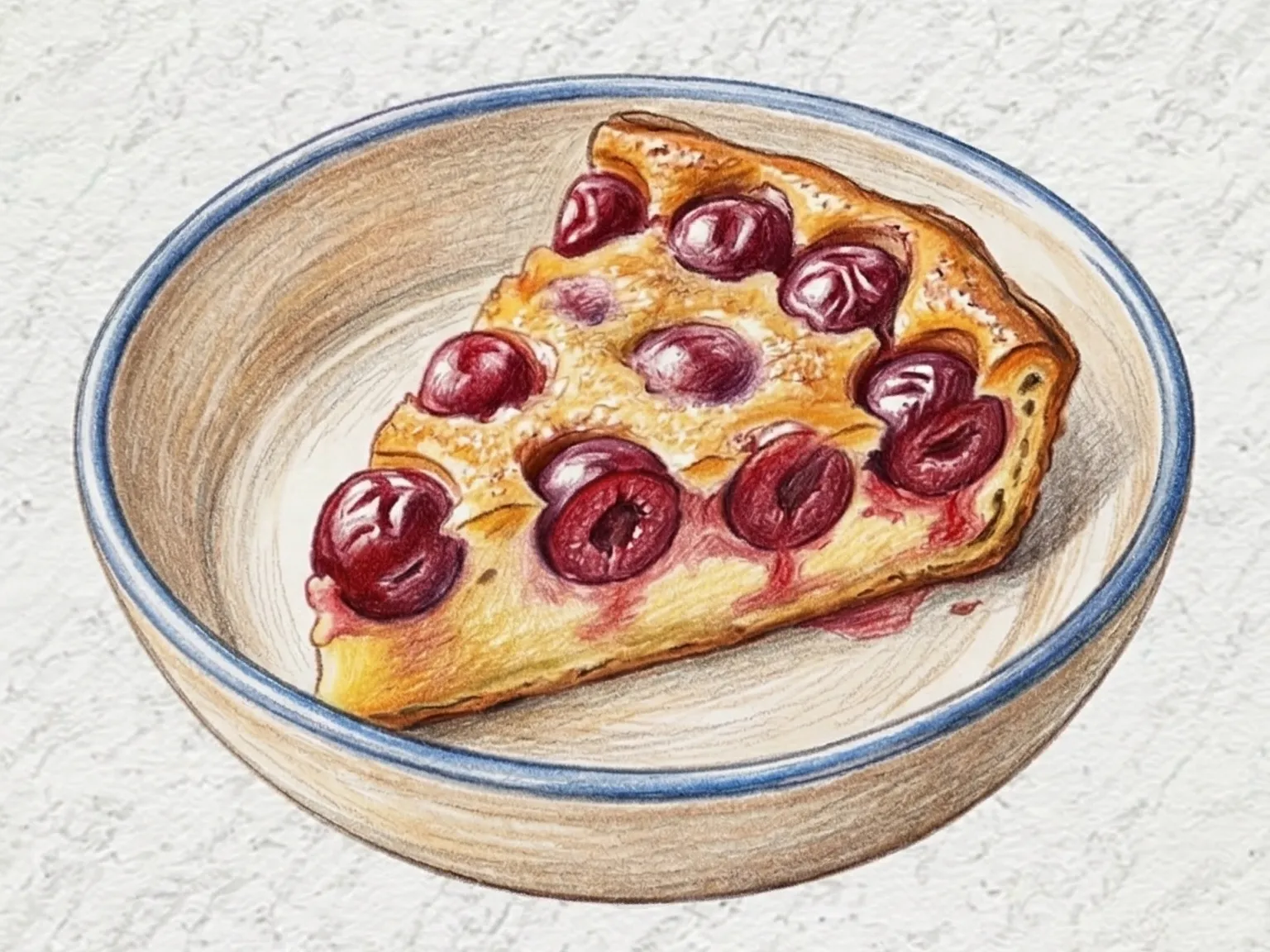
Clafoutis is a rustic French baked dessert that suspends fresh seasonal fruit in a thin custard batter and bakes it until the edges puff golden and the center sets to a silky cream. The batter, close to crepe batter in consistency, is made from eggs, milk, flour, and sugar whisked until smooth. Traditionally, unpitted cherries are used because the pits release a faint almond-like fragrance during baking that deepens the overall flavor. Strawberries, blueberries, and plums work equally well, their juices concentrating in the oven heat and creating pockets of intense sweetness against the mild custard. Because the method is little more than mixing and pouring, it requires no special technique. Served warm with a dusting of powdered sugar, the contrast between the crisp rim and the soft interior is what makes this dessert memorable.
Adjust Servings
Instructions
- 1
Butter a baking dish and arrange fruit.
- 2
Whisk eggs with sugar, then add milk.
- 3
Sift in flour and whisk smooth.
- 4
Pour batter over fruit and bake at 180C.
- 5
Bake about 35 minutes until puffed and set.
As an Amazon Associate, we may earn from qualifying purchases.
Tips
Nutrition (per serving)
More Recipes

Clafoutis (French Baked Cherry Custard Dessert)
Clafoutis is a traditional French dessert from the Limousin region, made by pouring a thin batter of eggs, sugar, milk, and flour over fresh cherries arranged in a buttered baking dish. Baking at 180 degrees Celsius for thirty to thirty-five minutes puffs the batter into a texture between a pancake and a baked custard - golden and lightly set at the edges, moist and tender around the fruit. The cherries release their tart juice into the surrounding batter during baking, creating pockets of concentrated fruit flavor. Vanilla extract rounds out the egg-and-milk base. Serving the clafoutis slightly warm rather than fully cooled preserves its soft, custardy consistency.

Flan Parisien (Parisian Vanilla Custard Tart)
Flan Parisien is a Parisian bakery staple found in nearly every boulangerie in the city. A buttery shortcrust pastry shell holds a thick, firm vanilla custard that bakes slowly until the top develops caramelized brown spots. The custard is made from milk, eggs, sugar, and cornstarch, which gives it a denser, sliceable consistency that distinguishes it from softer baked custards like creme brulee. When properly cooled, the filling holds its shape when cut yet melts smoothly on the tongue with a clean vanilla flavor. Vanilla bean seeds speckled throughout the custard signal that the real ingredient was used rather than extract. The pastry shell must be blind-baked first to prevent sogginess, then filled and baked again until set. It is served cold, and the contrast between the crisp, buttery shell and the cool, trembling custard makes each bite satisfying.

Bae Saenggang Galette (Pear Ginger Galette)
A rough circle of buttery pastry dough is spread with thinly sliced pears, then folded at the edges to form a rustic, free-form tart. Fresh ginger juice adds a warm, faintly spicy note that lifts the clean sweetness of the fruit without overpowering it. Brown sugar and a dusting of cinnamon deepen the filling, while cornstarch absorbs excess juice and prevents a soggy base. As the galette bakes, the exposed edges of the pastry darken to a deep golden brown and the pear slices soften into translucent, jammy layers. If the pears release too much liquid during preparation, patting them dry before arranging on the dough keeps the crust from going limp. Rechilling the dough whenever it softens maintains the cold butter pockets that create flakiness.

Bread Pudding
Bread pudding transforms stale bread into a warm, custardy dessert by soaking sliced bread in a mixture of eggs, milk, and heavy cream, then baking until set. The bread absorbs the custard liquid fully, turning its interior into something closer to a soft pudding, while the top layer exposed to the oven's heat crisps into a golden-brown crust. Cinnamon powder stirred into the custard base fills the entire dish with a warm, spiced fragrance that belies the simplicity of the ingredients. Served warm with vanilla ice cream or a drizzle of caramel sauce, the contrast between the hot, yielding pudding and the cold, sweet topping elevates it further.

Chocolate Mousse
Chocolate mousse is a French dessert that achieves a paradox: it tastes intensely of chocolate yet feels weightless on the tongue. Dark chocolate is melted gently and cooled to a temperature warm enough to remain fluid but cool enough not to deflate the cream. Whipped cream is folded in three additions - the first loosens the chocolate, the second begins to lighten it, and the third introduces the airy volume that defines mousse. Some recipes add egg yolks for richness or beaten egg whites for extra lift, but the core is always the marriage of chocolate and cream. After chilling for at least two hours, the mousse sets to a consistency that holds its shape on a spoon yet dissolves immediately on the palate. The cacao percentage of the chocolate determines the bitterness and intensity - seventy percent or higher produces a mousse with pronounced dark chocolate character. A drop of vanilla extract rounds the edges without intruding.

Cod en Papillote (French Parchment-Steamed Cod with Vegetables)
Cod en papillote seals cod fillets with zucchini, cherry tomatoes, shallot, thyme, and lemon slices inside parchment paper, then bakes at 200 degrees Celsius for fifteen to eighteen minutes. The tightly crimped seal traps steam inside the packet, cooking the fish gently without drying it out. Dry white wine added before sealing generates additional aromatic steam that infuses the cod with bright, clean flavor. The vegetables release their natural sweetness as they soften, and olive oil ties the components together with a smooth richness. Opening the parchment at the table releases the trapped aroma all at once.