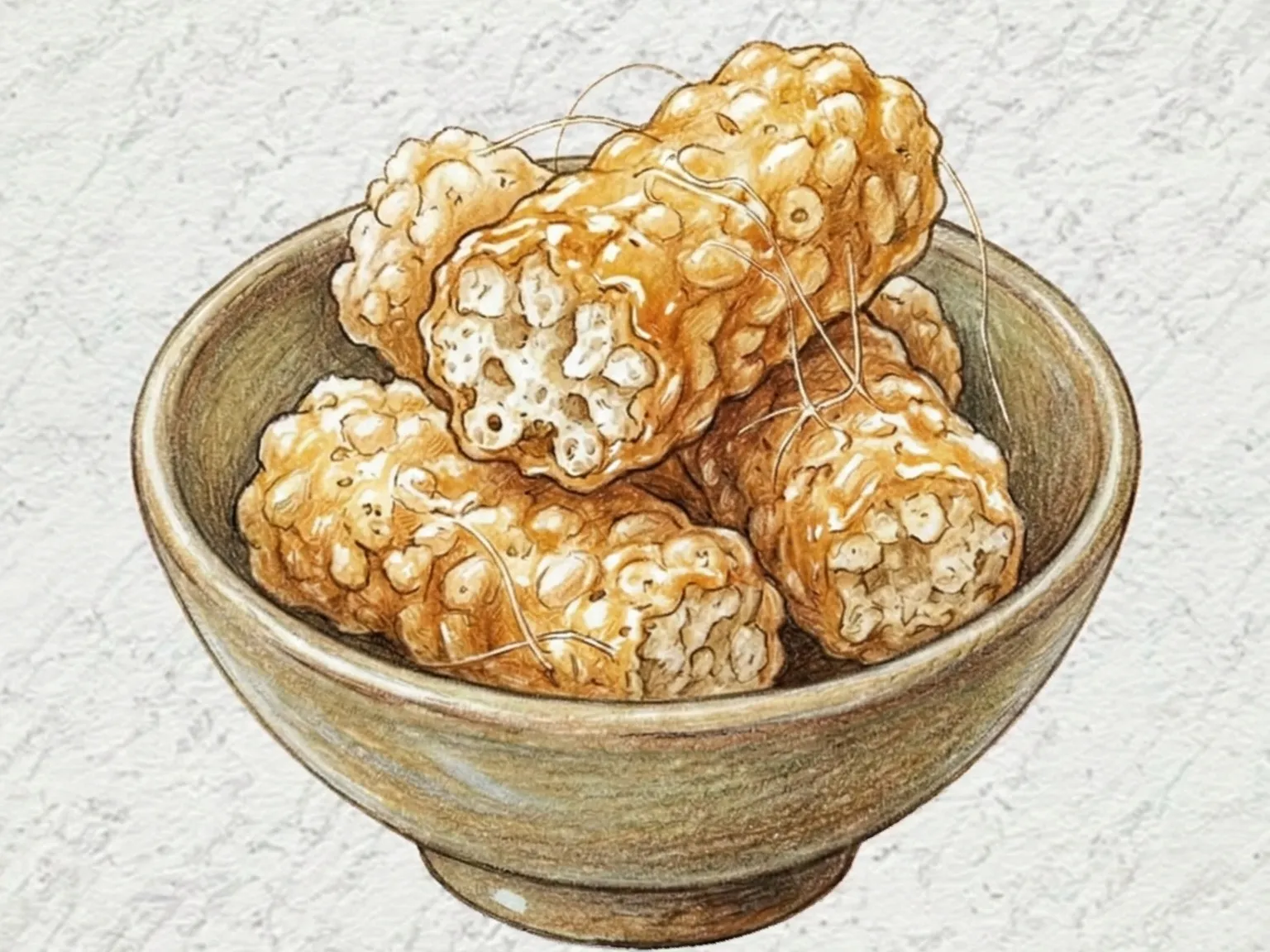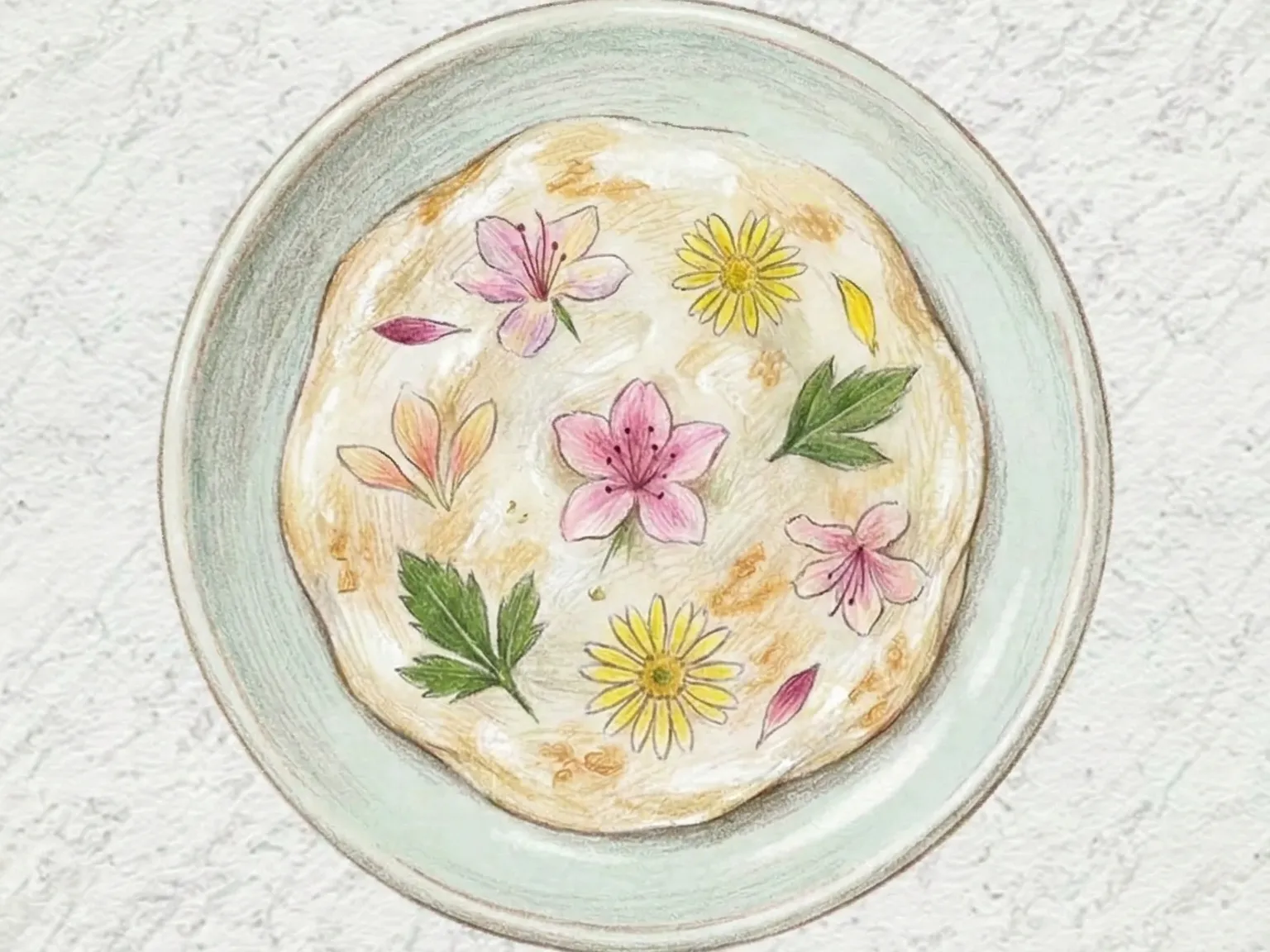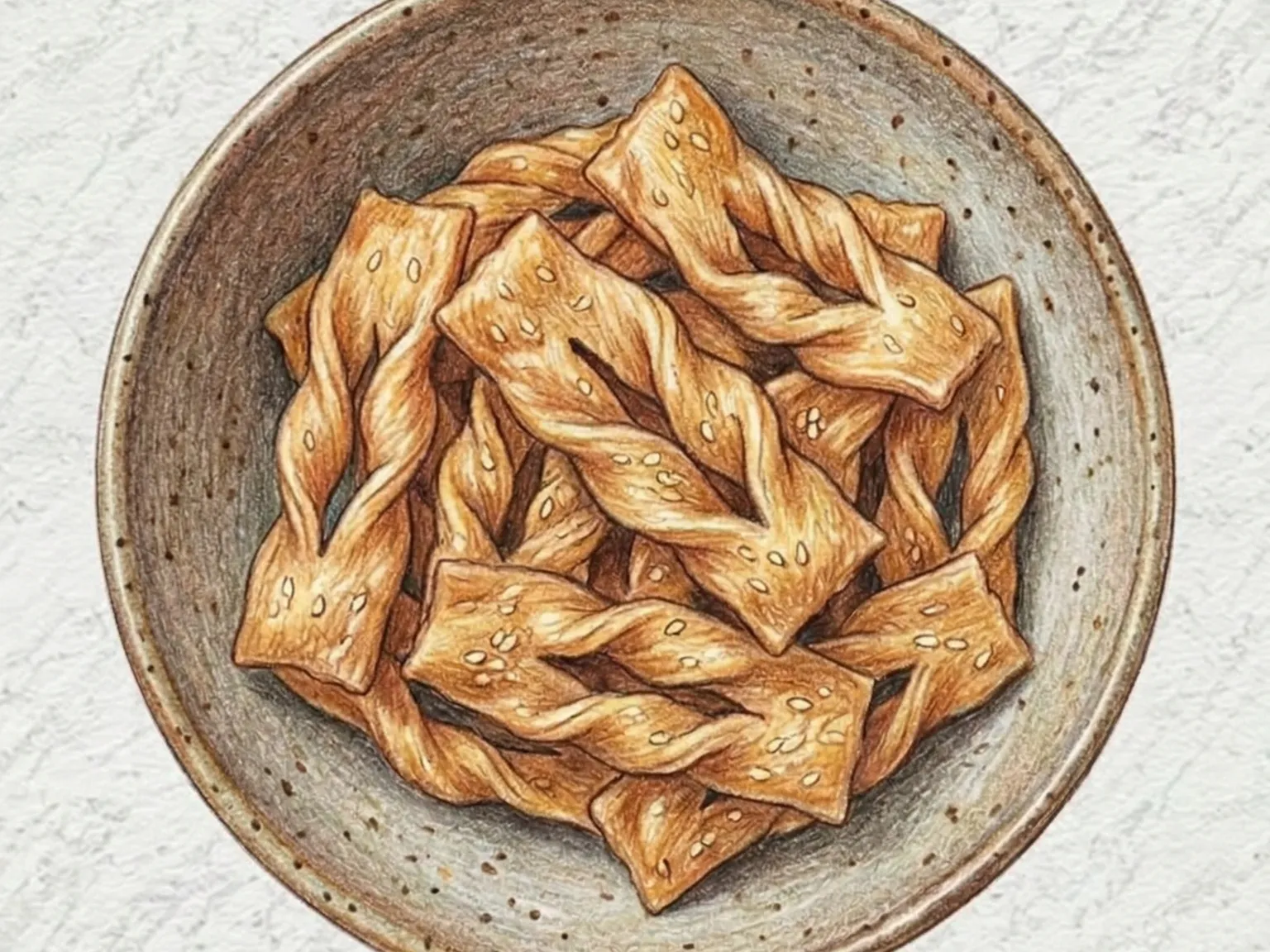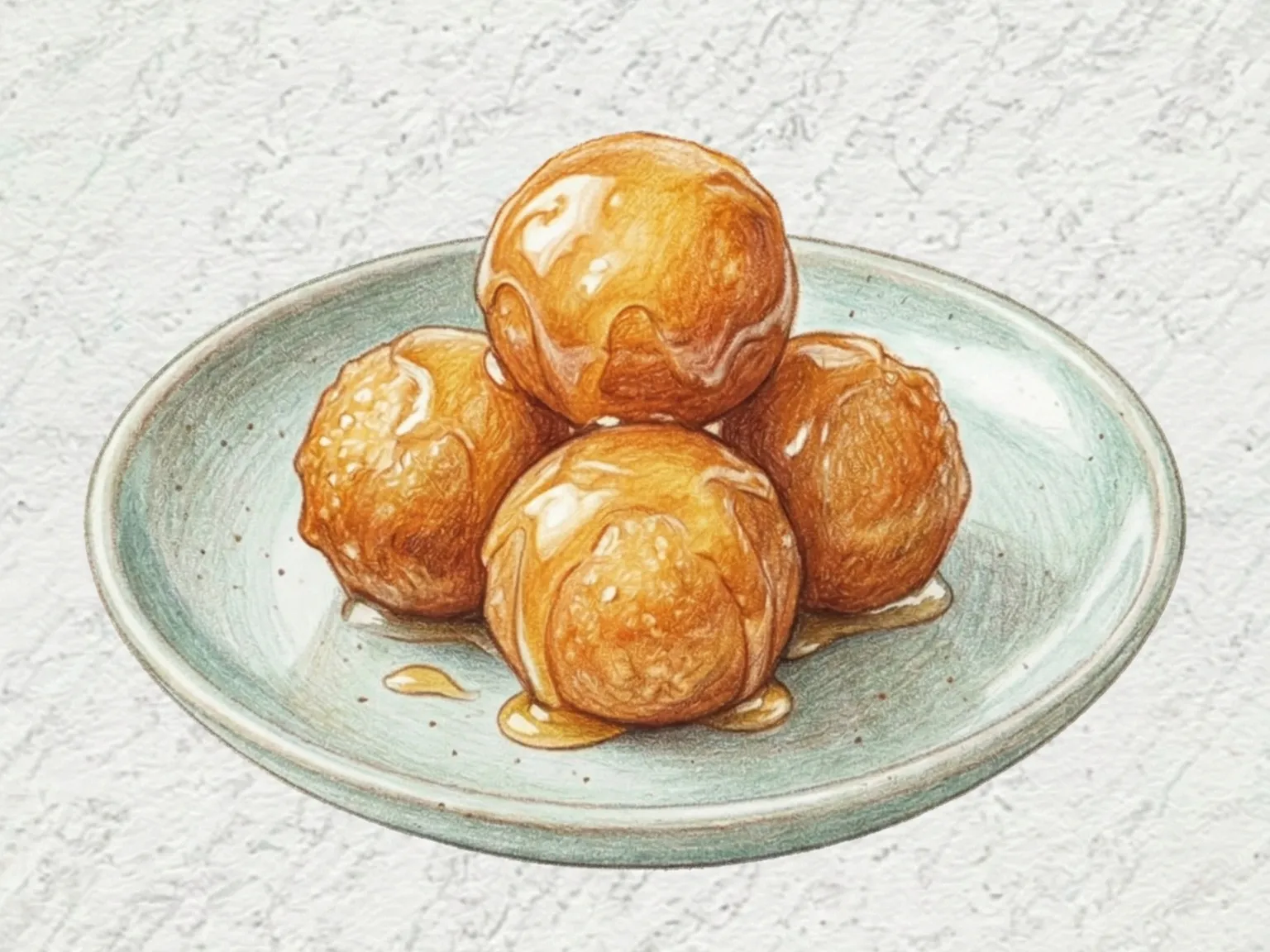
Gaeseong Juak (Honey Fried Rice Cake)
Quick answer
Gaeseong juak is a traditional Korean confection made from a dough of glutinous rice flour and wheat flour, fried slowly in oil at a deliberately controlled temperature t...
What makes this special
- Gaeseong juak honey fried rice cake uses a two-stage frying method for a bronzed, chewy crust.
- Two-stage frying: 150°C to cook through, then 170°C to bronze the surface
- Warm honey-jochung glaze coats each piece in a glossy, sweet sheen
Key ingredients
Core cooking flow
- 1 Combine 220g glutinous rice flour, 40g all-purpose flour, and 0.25 teaspoon salt evenly.
- 2 If the dough is too wet, work in 1 tablespoon flour to steady it.
- 3 Heat 600ml neutral oil to 150C. Add the shaped pieces and keep the heat arou...
Gaeseong juak is a traditional Korean confection made from a dough of glutinous rice flour and wheat flour, fried slowly in oil at a deliberately controlled temperature to cook the interior evenly before the exterior develops color. The two-stage frying process begins at 150 degrees Celsius to set the inside through without burning the outside, then the temperature rises to 170 degrees to develop a light golden crust on the surface. Separating the temperature stages solves a specific frying problem: high heat from the start produces a darkened exterior while the chewy glutinous core remains underdone, while insufficient heat makes the exterior soft and oily. The result is a thin crisp shell surrounding a genuinely chewy, sticky interior. After frying, each piece is rolled through a warm syrup made from honey and rice syrup heated together over low heat, which leaves a glossy, fragrant sweetness coating the surface. A finishing dusting of ground cinnamon and chopped pine nuts adds aromatic spice and contrasting crunch. Historical records trace the confection to the Gaeseong region of the Goryeo dynasty, and it remains a standard presence on Korean ceremonial and holiday tables to this day.
Instructions
Read the steps as a cooking flow: prep, heat, seasoning, doneness control, and finish.
- 1Season
Combine 220g glutinous rice flour, 40g all-purpose flour, and 0.25 teaspoon salt evenly.
Add 130ml warm water a little at a time, mixing until the dough feels soft but no longer sticks heavily to your hands.
- 2Step
If the dough is too wet, work in 1 tablespoon flour to steady it.
Divide it into 8 portions, roll each one smooth, then press the center about 1cm deep with your thumb to form the dimple.
- 3Heat
Heat 600ml neutral oil to 150C.
Add the shaped pieces and keep the heat around low-medium so they fry slowly, giving the centers time to cook evenly before the outside takes on much color.
- 4Heat
When the pieces float and the surface feels set, raise the oil to 170C.
Fry for 30 to 60 seconds more, just until the outside turns light golden, then lift them out before the crust darkens.
- 5Control
Put 4 tablespoons honey and 2 tablespoons rice syrup in a small pan over low heat.
Warm only until the mixture loosens and flows smoothly, stopping before the edges bubble hard or the syrup thickens too much.
- 6Finish
Roll the fried pieces in the warm syrup until they are thinly and evenly coated.
Rest them on a rack for 3 minutes to reduce stickiness, then finish with ground cinnamon and 1 tablespoon chopped pine nuts.
After the steps
Pick a recipe that fits this dish.
Continue with shared ingredients, meal pairings, or a similar method.
Recipes That Go Well With This
More Desserts →Based on shared ingredients and meal pairing
Glutinous Rice Cake Balls
Chapssal-danja are Korean glutinous rice cake balls filled with sweet red bean paste, boiled until they float, and rolled in a mixture of roasted soybean powder and sugar. The dough is flattened, wrapped around the filling, and sealed tightly into a sphere so the paste stays contained during boiling, with an extra minute of cooking after the balls surface to ensure the center is fully cooked through. A very thin brush of honey applied immediately after draining acts as an adhesive for the soybean powder coating and adds a faint floral sweetness to the exterior. Sifting the soybean powder before rolling produces a fine, even layer that gives each ball a powdery, melt-on-the-tongue finish over the chewy rice cake underneath. Kneading the glutinous rice dough thoroughly before portioning builds elasticity, which translates directly into the characteristic chew once the balls are cooked.
Korean Sweet Glutinous Rice
Glutinous rice is soaked, steamed, and dressed with a mixture of soy sauce, sesame oil, and honey, then studded with jujubes, chestnuts, and pine nuts before a second steaming. The double-steaming process gives the rice a dense, chewy stickiness while the soy sauce penetrates each grain and tints it a deep amber. Jujubes lend a natural caramel-like sweetness, chestnuts add a crumbly, starchy contrast, and pine nuts contribute a subtle oiliness that enriches the overall taste. Traditionally prepared for the first full moon festival, yakbap is equally enjoyable as an everyday snack or packed lunch.
Kimchi Bacon Quiche (Fermented Kimchi Egg Custard Pie)
This fusion quiche traps the sharp tang of well-fermented kimchi and the smoky depth of bacon inside a silky egg custard. Squeezing the kimchi dry before adding it concentrates its fermented intensity while preventing a soggy filling. Bacon and onion are sauteed until their moisture evaporates, then combined with a custard of eggs, heavy cream, and milk. When sliced, each wedge reveals a mosaic of red kimchi shreds and bacon bits suspended in the golden custard. Melted mozzarella weaves through the filling, binding every layer, while the buttery pie crust provides a crisp, flaky foundation. A two-stage bake, starting at 190 degrees Celsius and dropping to 175, browns the surface while keeping the interior creamy rather than rubbery. Black pepper is the only seasoning needed, since the bacon and kimchi supply all the salt and heat. Served warm from the oven, a single slice makes a complete brunch plate.
Pan-Fried Sweet Rice Cake
Bukkumi is a traditional Korean pan-fried rice cake made from glutinous rice flour dough filled with sweet red bean paste seasoned with cinnamon and sugar. Using hot water to form the dough partially gelatinizes the starch, creating a pliable skin that stretches without cracking - though the dough must stay covered with a damp cloth throughout assembly to prevent the surface from drying out. Folding the dough into half-moon shapes seals in a cinnamon-laced bean paste filling that lifts the dense sweetness of the red bean with a warm spice note. Pan-frying on low heat builds a golden crust on each side while keeping the filling warm and molten at the center. A light drizzle of honey or a pinch of sugar right after frying adds a final layer of sweetness.
Serve with this
Korean Sweet Chili Cheese Balls
Sweet chili cheese balls are a fried snack made from glutinous rice flour dough mixed with milk, wrapped around mozzarella cubes, shaped into spheres, and deep-fried at 160 degrees Celsius. Adding a small amount of baking powder to the dough causes it to puff evenly during frying, creating a thin, crisp crust on the outside while the mozzarella inside melts into a soft, stretchy core. Keeping the oil at a moderate 160 degrees is the critical step, because a higher temperature browns and sets the shell before the cheese inside has had enough time to melt fully. Dipping in sweet chili sauce brings a layer of fruity sweetness and gentle heat over the creamy mozzarella, and the sauce's slight tanginess cuts the fried richness to leave the palate feeling clean. Sealing the seam of each ball tightly when wrapping is important, as any gap will let the melting cheese escape into the oil during frying.
Korean Fish Cake Soup (Clear Anchovy Radish Broth)
Eomuk-tang is a Korean fish cake soup in which skewered fish cakes and thick radish slices simmer in a clear broth built from dried anchovies and kelp. The kelp must be removed the moment the water begins to boil, otherwise it releases a slimy texture that clouds the broth. Cutting the radish thick allows it to slowly release natural sweetness over the long simmer. Rinsing the fish cakes in hot water before adding them washes away surface oil and keeps the broth clear and clean. Soup soy sauce adjusts the seasoning, and green onion and black pepper finish the pot. Adding the radish before the fish cakes ensures it has enough time to fully soften and sweeten the broth, since it takes longer than the eomuk to cook through.
Chocolate Lava Cake
Chocolate lava cake bakes a batter of melted dark chocolate, butter, whole eggs, egg yolks, sugar, and a small measure of flour in buttered ramekins at 220 degrees Celsius for ten to twelve minutes, producing a set crust and molten center from a single brief baking window. The high oven temperature firms the outside and top of the batter into cake while the core stays liquid, so breaking the surface with a spoon releases a slow pour of concentrated warm chocolate. High-cacao dark chocolate provides a complex, bittersweet depth that pairs with the richness of butter fat, and vanilla extract softens and rounds the overall aroma. Timing controls everything in this recipe: overbaking by even two minutes sets the center solid and destroys the signature flow. The edges of each ramekin should feel just firm when pressed lightly through a towel at the ten-minute mark. Ramekins can be filled ahead and refrigerated, but the baking time then needs an extra one to two minutes to account for the colder starting temperature. Serving with a scoop of vanilla ice cream or a spoonful of cold heavy cream creates a striking contrast between the hot, dense chocolate interior and the chilled, lighter dairy.
Similar recipes
Honey-Filled Rice Cakes (Steamed Glutinous Rice with Brown Sugar Syrup)
Kkultteok are bite-sized Korean rice cakes made by kneading glutinous rice flour with hot water, wrapping each 20-gram round of dough around a filling of dark brown sugar, ground cinnamon, and chopped walnuts, then steaming for eight to ten minutes. After steaming, a light brush of sesame oil gives the surface a sheen and keeps the pieces from sticking together, and a final roll in roasted soybean powder adds a dry, nutty outer coating. Biting through the soft, chewy shell releases a pool of melted brown sugar syrup with cinnamon warmth, while the walnut fragments provide crunch against the sticky interior. The most critical step is pinching the dough seam shut as tightly as possible: if the seal fails during steaming, the molten brown sugar syrup leaks out and the rice cake ends up hollow and dry.
Chapssal Kkwabaegi (Glutinous Rice Twist Donuts)
Chapssal-kkwabaegi are Korean twisted donuts made from a yeasted dough of glutinous rice flour and bread flour, proofed until nearly doubled, shaped by twisting pairs of ropes together, and fried at 170 degrees Celsius. The high ratio of glutinous rice flour gives the interior a notably chewy pull that sets these apart from standard wheat donuts, though over-proofing turns that chew tough rather than springy. Maintaining oil temperature at 170 degrees keeps the shell golden and crisp while minimizing grease absorption, so the finished donut stays light in hand. Tossing them in cinnamon sugar immediately after draining lets the residual heat partially melt the crystals into a thin, clinging sweet crust.
Korean Sweet Chili Cheese Balls
Sweet chili cheese balls are a fried snack made from glutinous rice flour dough mixed with milk, wrapped around mozzarella cubes, shaped into spheres, and deep-fried at 160 degrees Celsius. Adding a small amount of baking powder to the dough causes it to puff evenly during frying, creating a thin, crisp crust on the outside while the mozzarella inside melts into a soft, stretchy core. Keeping the oil at a moderate 160 degrees is the critical step, because a higher temperature browns and sets the shell before the cheese inside has had enough time to melt fully. Dipping in sweet chili sauce brings a layer of fruity sweetness and gentle heat over the creamy mozzarella, and the sauce's slight tanginess cuts the fried richness to leave the palate feeling clean. Sealing the seam of each ball tightly when wrapping is important, as any gap will let the melting cheese escape into the oil during frying.