Gai Pad Med Mamuang (Thai Cashew Chicken)
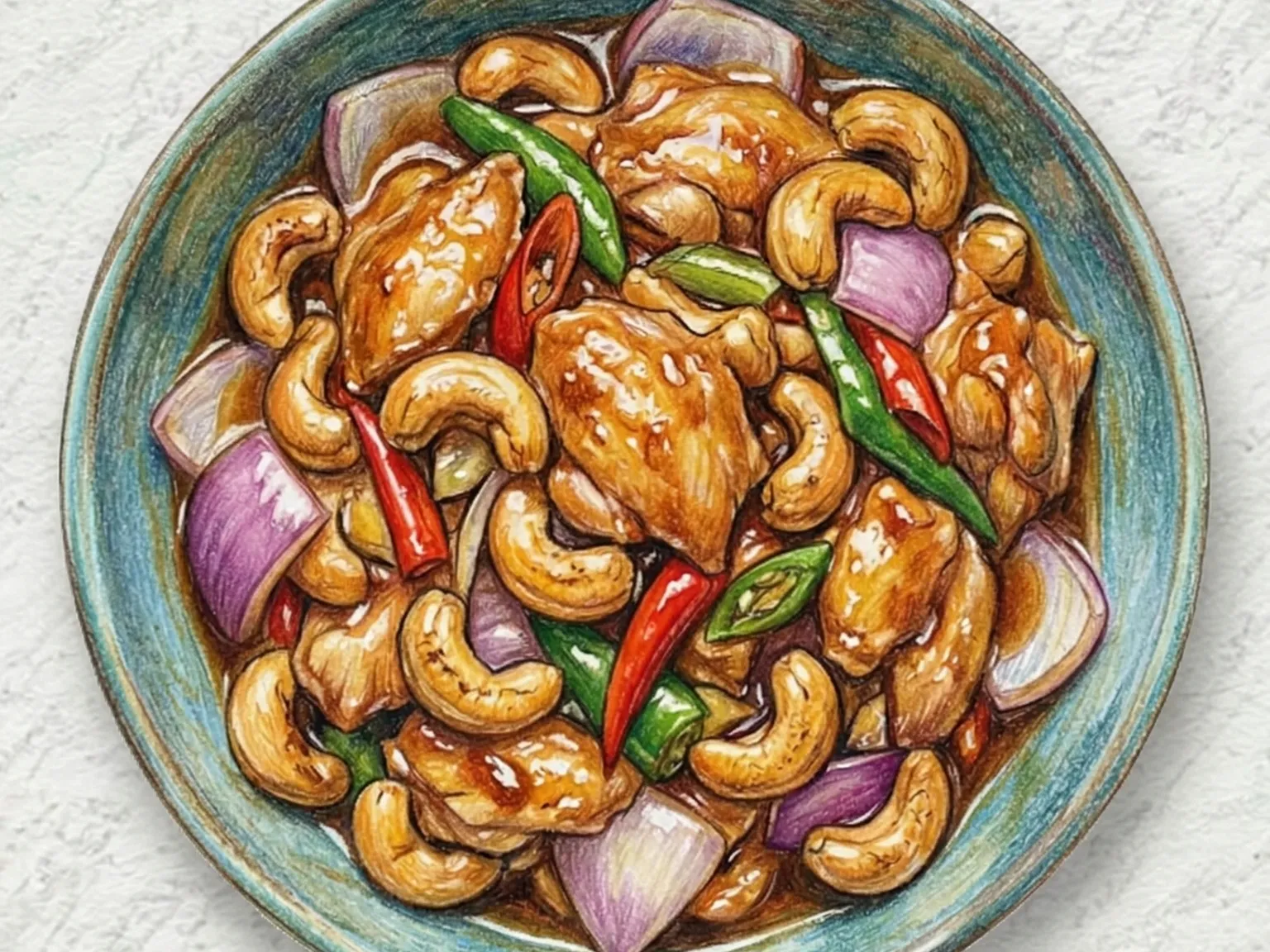
Gai pad med mamuang is a Thai-Chinese stir-fry that traces its lineage to Chinese cashew chicken but has absorbed Thai seasoning logic - fish sauce replacing salt, oyster sauce adding body, and dried chilies providing a gentle background warmth. Bite-sized chicken and roasted cashews are tossed in a blazing wok with dried chilies, onion, and bell pepper; the cashews are pre-fried at low temperature to golden throughout, ensuring they stay crunchy even after joining the wet sauce. The sauce blends oyster sauce, soy sauce, fish sauce, and sugar, and the ratio among these four determines whether the dish leans sweet, salty, or somewhere in between. As the sauce coats the chicken, it takes on a lacquered sheen, and the cashews' oily richness melts into the glaze, adding a buttery undertone. In Thailand, it is typically served over steamed jasmine rice as a one-plate meal (khao rat kaeng), and its mild heat profile makes it one of the first Thai stir-fries that international visitors order with confidence.
Adjust Servings
Instructions
- 1
Cut chicken into bite-size pieces and slice vegetables.
- 2
Heat oil and stir-fry chicken until lightly browned.
- 3
Add onion and bell pepper, cooking quickly over high heat.
- 4
Add oyster sauce, soy sauce, and sugar, tossing to coat.
- 5
Add cashews and toss for 30 seconds before serving.
As an Amazon Associate, we may earn from qualifying purchases.
Tips
Nutrition (per serving)
More Recipes

Beef Pad See Ew (Thai Wok-Fried Wide Rice Noodles in Dark Soy)
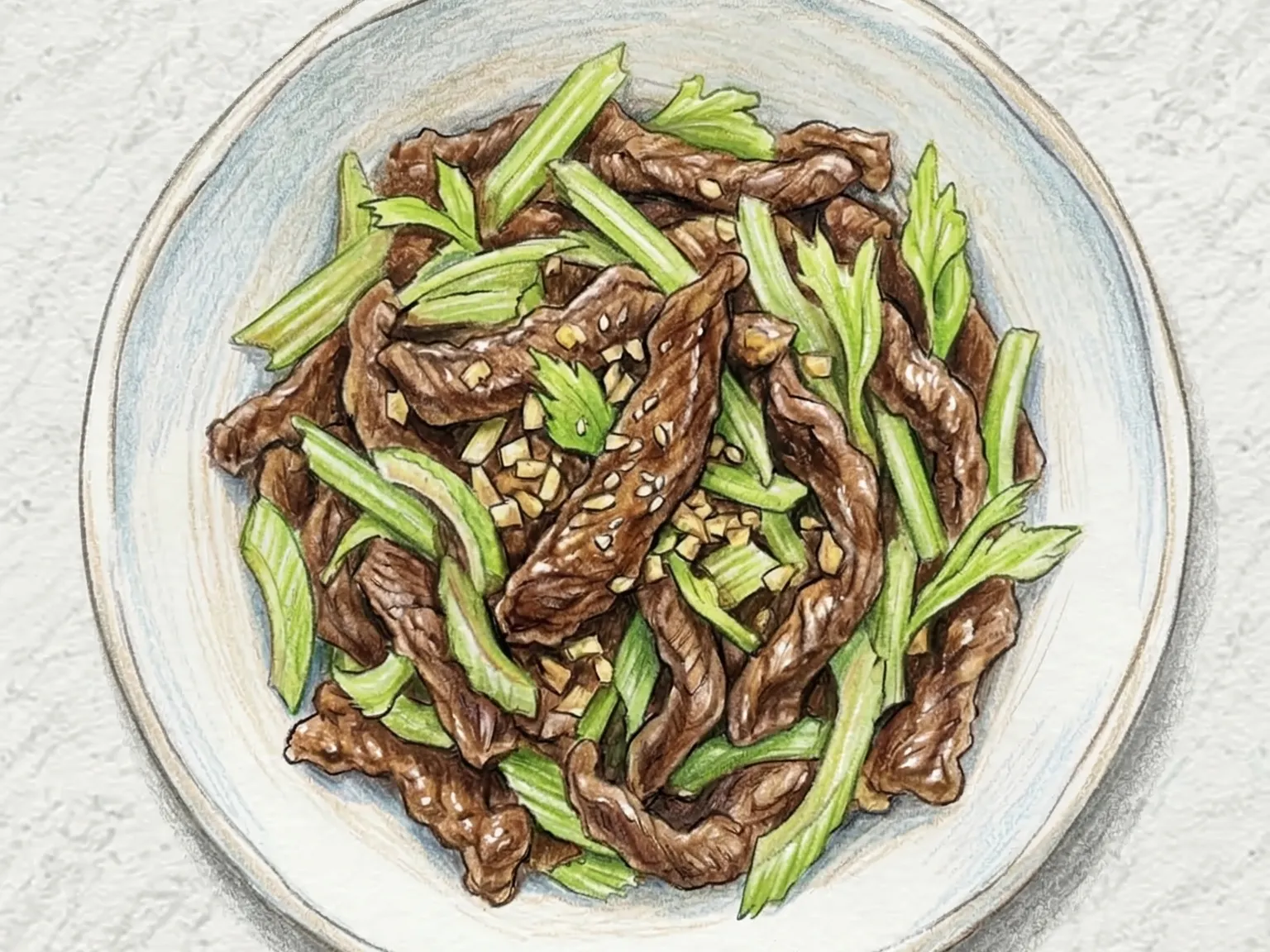
Beef pad see ew is a Thai wok-fried noodle dish built around wide rice noodles and dark soy sauce. The name translates to 'fried with soy sauce,' and broad, silky noodles are stained deep brown by dark soy, balanced with light soy and oyster sauce for a sweet-savory glaze. Thinly sliced beef is seared first in a blazing wok, then noodles go in to absorb the sauce and char slightly against the hot metal. Chinese broccoli or kale adds crunch from its stems and softness from its leaves. The defining element is wok hei - the smoky flavor that only comes from letting noodles sit against the wok until they pick up toasted spots.

Larb Gai (Thai Isan Minced Chicken Herb Salad with Lime)
Larb gai is a minced chicken salad from the Isan region of northeastern Thailand. The chicken is cooked just until it loses its raw color, then dressed while still warm with lime juice, fish sauce, and a generous pinch of toasted rice powder that gives each bite a nutty, sandy crunch. Fresh mint, cilantro, and thinly sliced shallots add layers of brightness, while dried chili flakes bring a slow-building heat. Traditionally scooped up with balls of sticky rice, it works equally well wrapped in lettuce leaves or cabbage cups. The dish is light enough for hot weather yet full-flavored enough to anchor a meal.

Pad Woon Sen (Thai Stir-Fried Glass Noodles with Shrimp and Egg)
Pad woon sen is a Thai stir-fried glass noodle dish that comes together in minutes. The noodles, made from mung bean starch, turn translucent when soaked and have a springy, slippery texture that absorbs sauce without becoming mushy. Shrimp is cooked first until just pink, then vegetables - typically cabbage and carrot - are tossed in over high heat to keep their crunch. Eggs are scrambled to one side of the wok and folded into the noodles along with soy sauce and oyster sauce. The seasoning is deliberately simple, allowing the natural sweetness of the shrimp and the clean bite of the vegetables to come through.

Thai Chicken Fried Rice
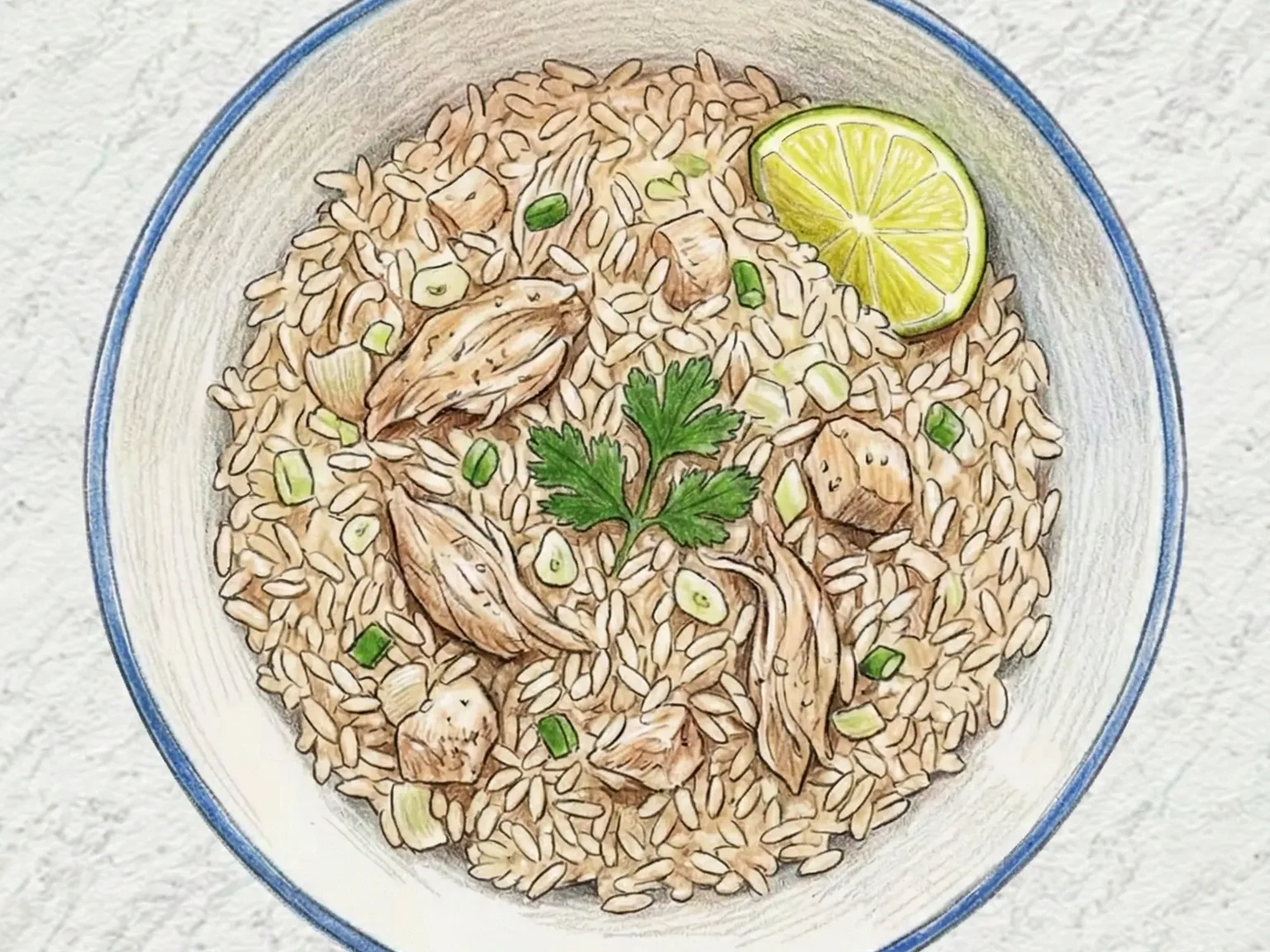
Khao pad gai is Thai chicken fried rice, arguably the most ubiquitous single-plate meal in the country. Bite-size pieces of chicken - breast or thigh - are seared quickly in a screaming-hot wok before garlic and egg join in rapid succession. Day-old jasmine rice goes in next, and the cook tosses everything with practiced speed so each grain picks up oil and flavor without turning soggy. Fish sauce anchors the seasoning, soy sauce deepens the color, and a dusting of white pepper adds gentle warmth. The finished mound of rice is turned onto a plate and garnished with a lime wedge, sliced cucumber, and tomato. Diners adjust the final flavor at the table with fish sauce, dried chili flakes, sugar, and vinegar - the four-condiment set found on virtually every Thai table. It is a meal that satisfies at any hour of the day.

Thai Soy Sauce Noodles (Wide Rice Noodles with Beef and Chinese Broccoli)
Pad see ew is a Thai stir-fried noodle dish where wide rice noodles are tossed with beef, Chinese broccoli, and egg in a sweet soy-based sauce. The key to the dish is extremely high wok heat, which caramelizes the soy sauce and oyster sauce mixture on the noodle surface, creating a smoky-sweet char that defines its flavor. Beef goes into the hot pan first, followed by gai lan and egg scrambled alongside. The pre-mixed sauce of soy sauce, oyster sauce, and brown sugar is added with the soaked noodles and tossed rapidly so the noodles absorb the sauce and develop dark color without sticking. The thick stems of Chinese broccoli retain a pleasant crunch and slight bitterness that offset the sweet sauce, while bits of scrambled egg distributed throughout add a soft, creamy texture.

Pad Thai
Pad thai is Thailand's iconic stir-fried rice noodle dish, built on a sauce of tamarind paste, fish sauce, and sugar that balances sweet, sour, and salty in every bite. The rice noodles are soaked in warm water for twenty minutes until pliable but still firm. Firm tofu is pan-fried until golden before shrimp is added, establishing a savory base. Eggs are scrambled in the center of the pan while other ingredients are pushed aside, then everything is tossed together with the soaked noodles and sauce over high heat. The noodles absorb the sauce quickly and develop a glossy sheen. Bean sprouts add crunch, crushed peanuts bring a roasted nuttiness, and a squeeze of lime just before eating sharpens the acidity. The interplay of these toppings gives each forkful a different combination of textures and flavors.