Charim

2686 Korean & World Recipes

2686+ Korean recipes, clean and organized. Ingredients to instructions, all at a glance.

Korean Steamed Eggplant Vinegar Salad

Korean Steamed Eggplant Vinegar Salad

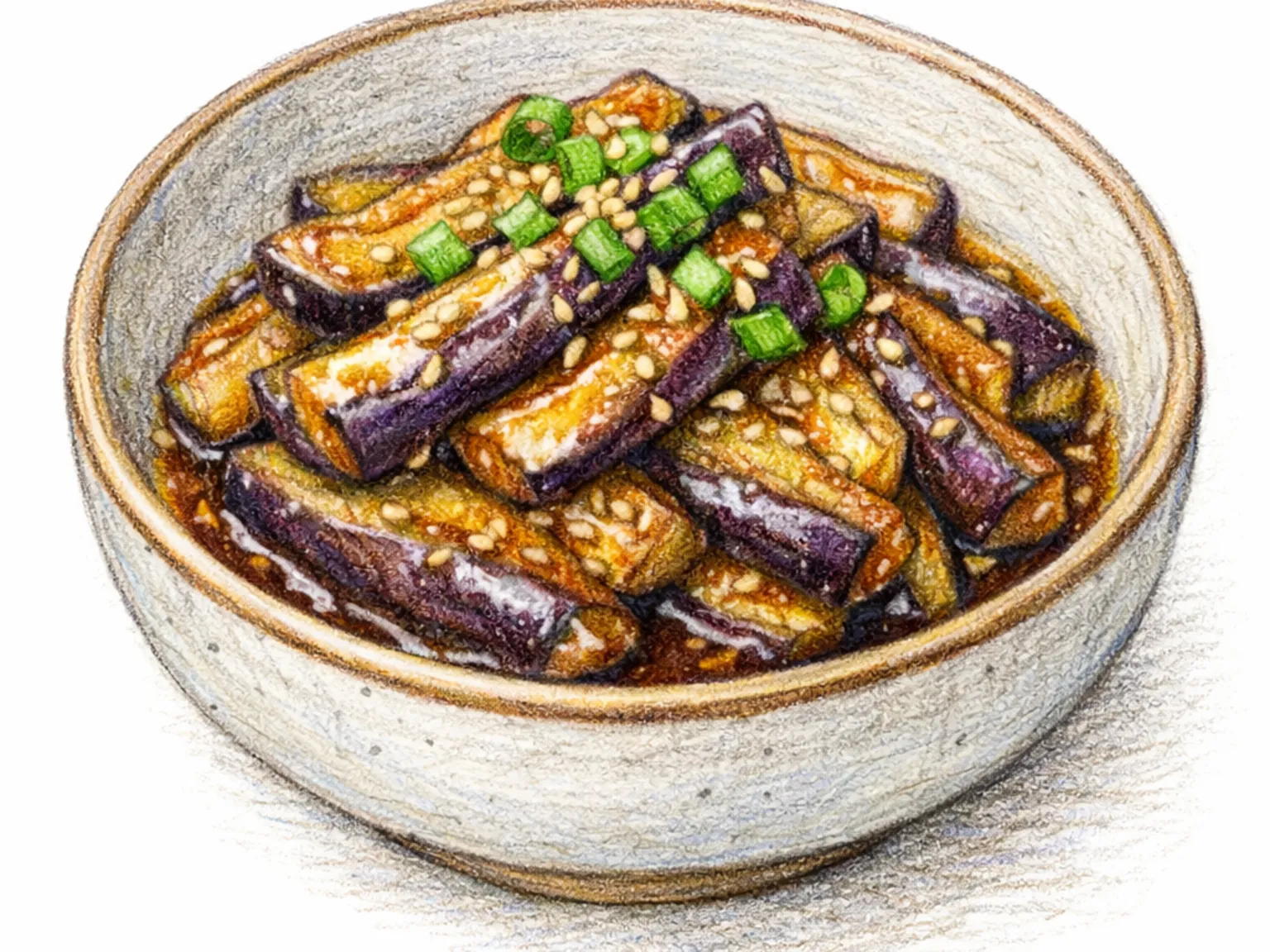
While gaji bokkeum uses high heat and oil, this preparation takes eggplant in the opposite direction - steaming gently, then dressing cold with a vinegar-forward sauce. The eggplant is halved lengthwise, scored, and steamed for eight minutes until the flesh turns translucent and yielding. After cooling, it is torn along the grain into long strips that expose maximum surface area for the dressing to cling to. Soy sauce, rice vinegar, sugar, garlic, and gochugaru create a bright, tangy-spicy dressing that offsets the eggplant's natural sweetness. The torn strips have a silky, almost slippery quality unique to steamed eggplant. This banchan is especially popular during Korea's humid summer months when cool, vinegared dishes offer relief from the heat.

Prep 10min Cook 8min 4 servings

Adjust Servings

2servings
servings

Instructions

  1. 1

    Halve eggplants lengthwise and cut into 6-7 cm pieces.

  2. 2

    Steam for 6 minutes until fully tender.

  3. 3

    Cool slightly and tear into strips by hand.

  4. 4

    Mix soy sauce, vinegar, gochugaru, garlic, scallion, and sesame oil.

  5. 5

    Toss the eggplant gently with the dressing.

  6. 6

    Finish with sesame seeds.

🛒Shop Ingredients on Amazon

As an Amazon Associate, we may earn from qualifying purchases.

Tips

Let steamed eggplant cool briefly to avoid excess water.
Add vinegar near the end for brighter aroma.

Nutrition (per serving)

Calories
66
kcal
Protein
2
g
Carbs
8
g
Fat
3
g

More Recipes

Korean Steamed Eggplant Namul
Side dishesEasy

Korean Steamed Eggplant Namul

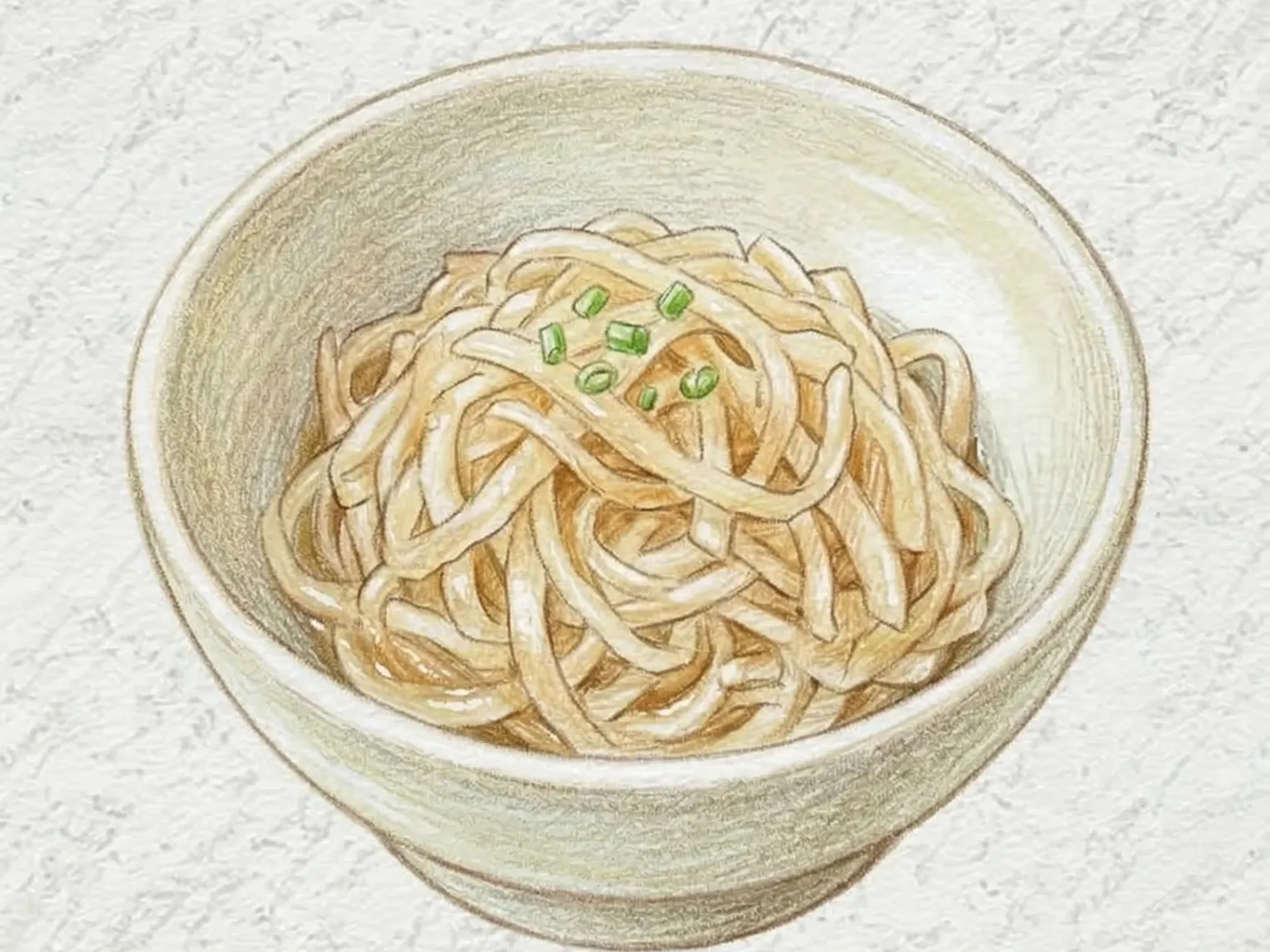
Gaji namul strips eggplant down to its quietest expression - steamed until completely soft, then dressed with just soy sauce, garlic, and sesame oil. No chili, no vinegar, no fermented paste. The eggplant is halved and steamed for seven minutes until the flesh is uniformly tender, then torn into long shreds by hand along its natural fibers. This tearing technique creates rough surfaces that grip the minimal seasoning better than knife-cut pieces would. The dressed namul has a glossy, dark sheen from the sesame oil and soy sauce soaking into the porous flesh. Among Korean namul dishes, gaji namul stands out for its exceptionally soft, almost melting texture - it practically dissolves when mixed into warm rice. A traditional banchan in Korean Buddhist temple cuisine, where simplicity is a principle rather than a limitation.

🏠 Everyday🍱 Lunchbox
Prep 10minCook 8min4 servings
Korean Stir-Fried Eggplant Banchan
Side dishesEasy

Korean Stir-Fried Eggplant Banchan

Gaji bokkeum transforms eggplant - a vegetable Koreans have cultivated since the Goryeo period - into a quick, oil-glazed banchan where the cooking speed matters as much as the seasoning. The eggplant is sliced into half-moons, and the pan must be scorching hot before the pieces enter; any hesitation and the eggplant will steam rather than sear, turning it into a soggy mass. High heat with minimal oil produces lightly charred edges while the interior turns silky and almost custardy. Soy sauce, garlic, and sesame oil go in during the final thirty seconds, sizzling against the hot surface and coating each piece in a thin, caramelized layer. The dish has a concentrated, clean umami taste without the heaviness of a braised preparation. Korean home cooks make this as a weeknight banchan precisely because it takes under ten minutes from cutting board to table.

🏠 Everyday🍱 Lunchbox
Prep 10minCook 7min4 servings
Korean Eggplant Pancakes (Egg-Battered Pan-Fried Eggplant)
Side dishesEasy

Korean Eggplant Pancakes (Egg-Battered Pan-Fried Eggplant)

Gaji-jeon belongs to the Korean jeon family - vegetables dipped in egg wash and pan-fried in a thin layer of oil, a technique that appears at ancestral rites (jesa) and holiday tables. Eggplant rounds are sliced about 7mm thick - thin enough to cook through but thick enough to maintain a soft center. A light dusting of flour before the egg wash helps the batter adhere. The egg coating sets into a golden, lacy shell in the pan, while the eggplant inside steams in its own moisture. The result is a contrast between the crisp, slightly eggy exterior and the collapsing, custardy eggplant within. Dipped in a simple soy-vinegar sauce, each piece delivers a clean, understated flavor. Korean families often fry gaji-jeon alongside hobak-jeon and other vegetable jeon for Chuseok.

🏠 Everyday🍱 Lunchbox
Prep 12minCook 10min2 servings
Korean Soy Braised Eggplant
Stir-fryEasy

Korean Soy Braised Eggplant

Gaji-jorim is a Korean braised eggplant dish simmered in soy sauce until the flesh is thoroughly tender and saturated with seasoning. The sweet-salty sauce permeates evenly through the eggplant as it cooks down. A finishing drizzle of sesame oil and a sprinkle of sesame seeds add a nutty aroma to each serving. Despite using only eggplant as the main ingredient, the slow braising concentrates the flavors into a compelling rice accompaniment.

🏠 Everyday🍱 Lunchbox
Prep 10minCook 12min2 servings
Korean Soy-Pickled Eggplant
KimchiEasy

Korean Soy-Pickled Eggplant

Gaji jangajji is a Korean pickled eggplant made by blanching eggplant for just over a minute to soften only the surface, then submerging it in a boiled brine of soy sauce, vinegar, and sugar. The blanched eggplant absorbs the pickling liquid rapidly like a sponge while keeping a yielding, silky texture inside. Vinegar gives direction to the eggplant's otherwise neutral flavor, and garlic and cheongyang chili layered into the brine build a quiet complexity beyond simple preservation. Ready to eat after one day, this jangajji holds its texture for over ten days refrigerated, making it a practical banchan to prepare in advance.

🏠 Everyday🍱 Lunchbox
Prep 20minCook 8min4 servings
Korean Stuffed Eggplant Seon
Side dishesMedium

Korean Stuffed Eggplant Seon

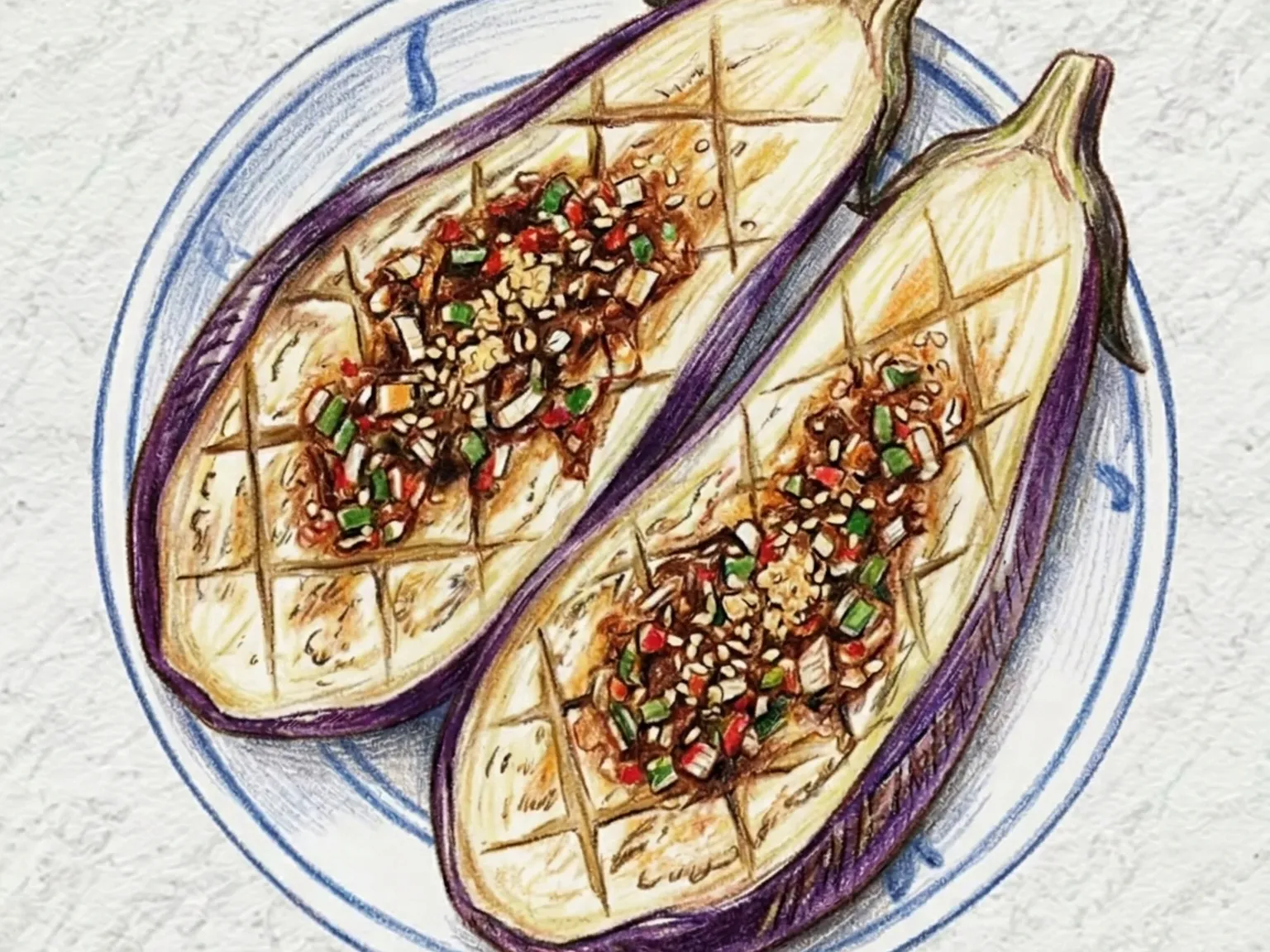
Gaji-seon is a Joseon-era royal court dish - one of the 'seon' preparations where vegetables are stuffed with seasoned fillings and steamed. The eggplant is scored deeply at intervals but not cut through, creating accordion-like pockets. A filling of minced pork or beef mixed with tofu, scallion, and sesame oil is pressed into each slit. The stuffed eggplant steams for fifteen minutes, during which the filling's juices meld with the collapsing eggplant flesh. A light soy-based sauce is drizzled over at serving. The dish requires more patience than most banchan - each eggplant is individually stuffed - and this labor-intensive nature is why it has historically been reserved for guests and celebrations. The combination of the nearly-dissolving eggplant shell and the savory, compact filling creates a textural refinement that sets seon apart from ordinary stir-fried or steamed banchan.

🏠 Everyday🎉 Special Occasion
Prep 25minCook 20min4 servings
More Side dishes →