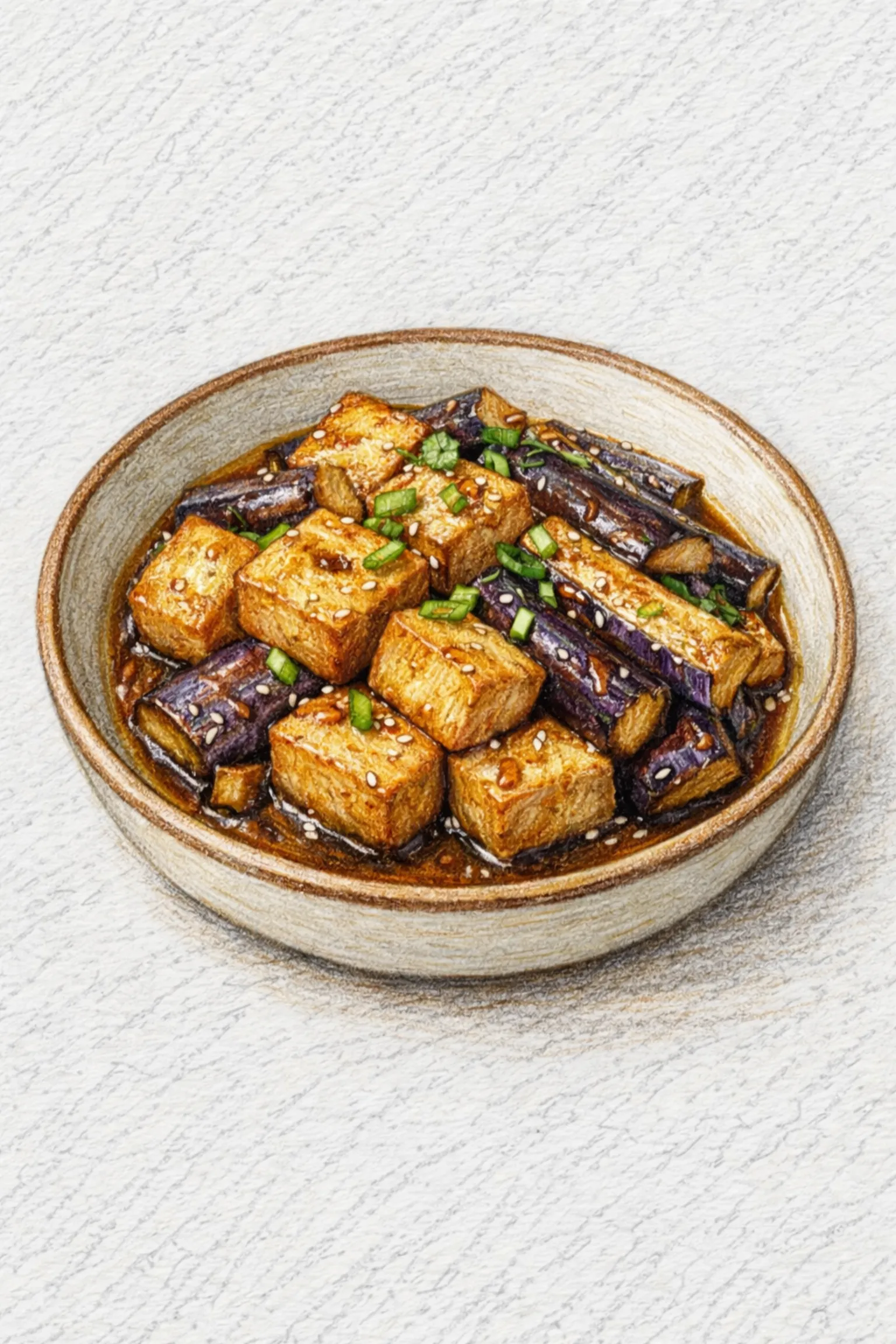
Korean Braised Eggplant and Tofu
Quick answer
- Total time
- 32 min
- Level
- Easy
- Servings
- 2 servings
- Ingredients
- 9
About this dish
No meat goes into this braise, only eggplant and tofu sold for pan-frying; the eggplant drinks up the soy and chili sauce and turns silky, while the tofu, browned first, keeps its shape around it.
Ingredients
Instructions
- 1
Cut 300 g firm tofu into 1.5 cm slices and press them well with paper towels to remove surface moisture.
Let them sit briefly while preparing the vegetables, since wet tofu breaks more easily when seared.
- 2
Halve 250g eggplant lengthwise and cut it into 1cm half-moons.
Cook it soon after cutting to limit browning and moisture loss.
- 3
Heat 1 tbsp cooking oil in a pan over medium heat, then add the tofu in a single layer.
Sear for about 3 minutes per side until lightly golden and firm on the outside, then remove it.
- 4
Add 80 g onion and the eggplant to the same pan and stir-fry over medium heat for about 2 minutes.
Stop when the eggplant edges look slightly translucent and the onion begins to soften and smell sweet.
- 5
Pour in 2.5 tbsp soy sauce, 1 tbsp gochugaru, 1 tbsp minced garlic, and 180 ml water, then bring it to a boil.
Return the tofu on top and braise over medium-low heat for 8 minutes.
- 6
Spoon the sauce over the tofu and eggplant so the red seasoning coats them evenly.
Add 40 g diagonally sliced green onion, simmer 2 more minutes, then turn off the heat and rest 1 minute before serving.
Official cooking and safety guidance
Public-agency cooking and food safety guidance that applies to this recipe.
Official cooking and safety guidance
-
Produce preparation
Wash produce under running water before cutting or peeling it. Do not use soap or household detergent.
Source: U.S. Food and Drug Administration. Selecting and Serving Produce Safely
-
Storage and reheating
Refrigerate leftovers in shallow containers within 2 hours and use them within 3 to 4 days. Reheat the center to 74°C.
Source: USDA Food Safety and Inspection Service. Leftovers and Food Safety
Sources checked 2026-07-22
Use-up ingredient planner
Turn these ingredients into two more meals
The overlap excludes basic seasonings. Open the next recipe and your selected dishes will stay with you.
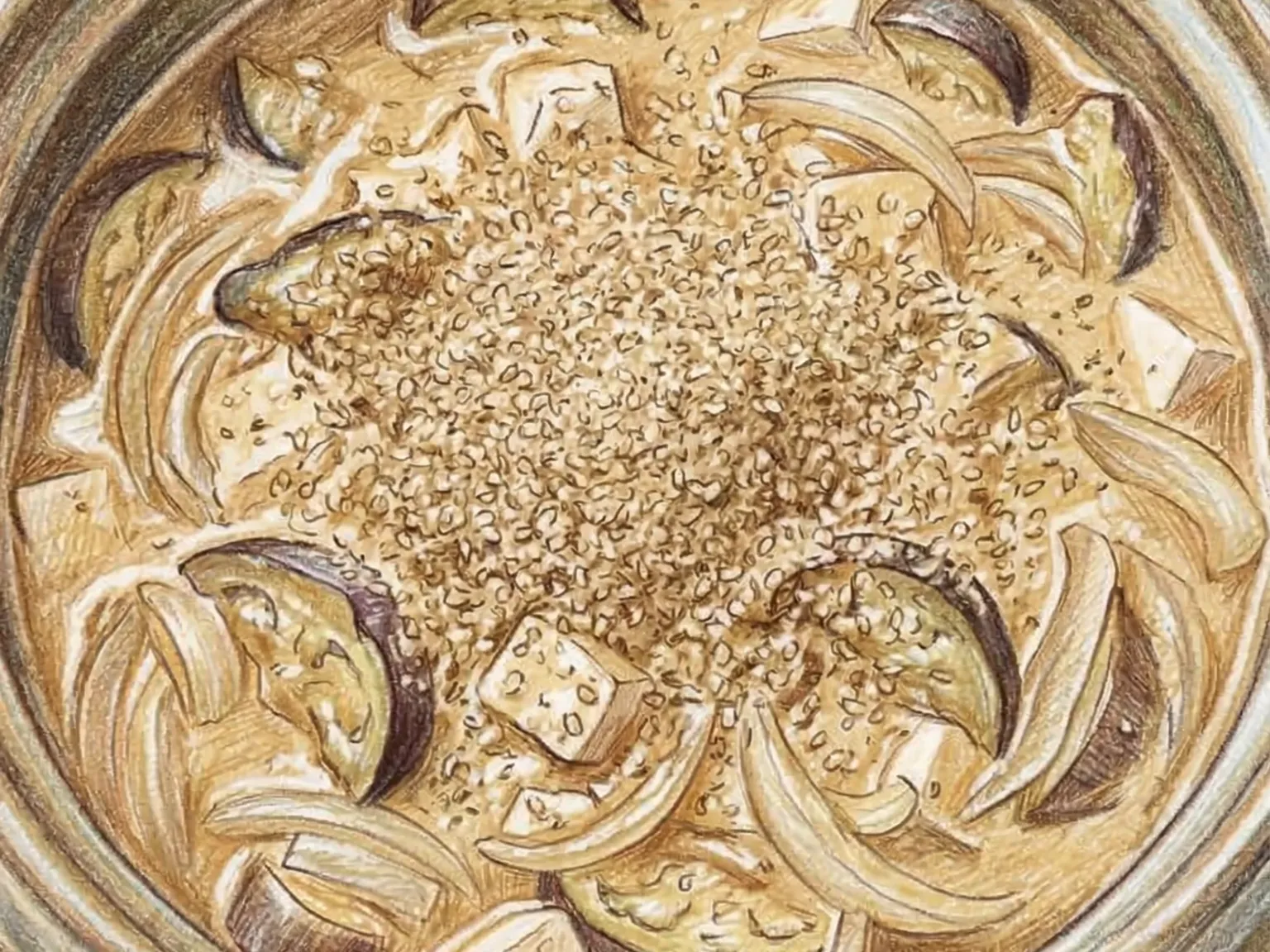
Korean Eggplant, Perilla & Tofu Stew
eggplant, firm tofu
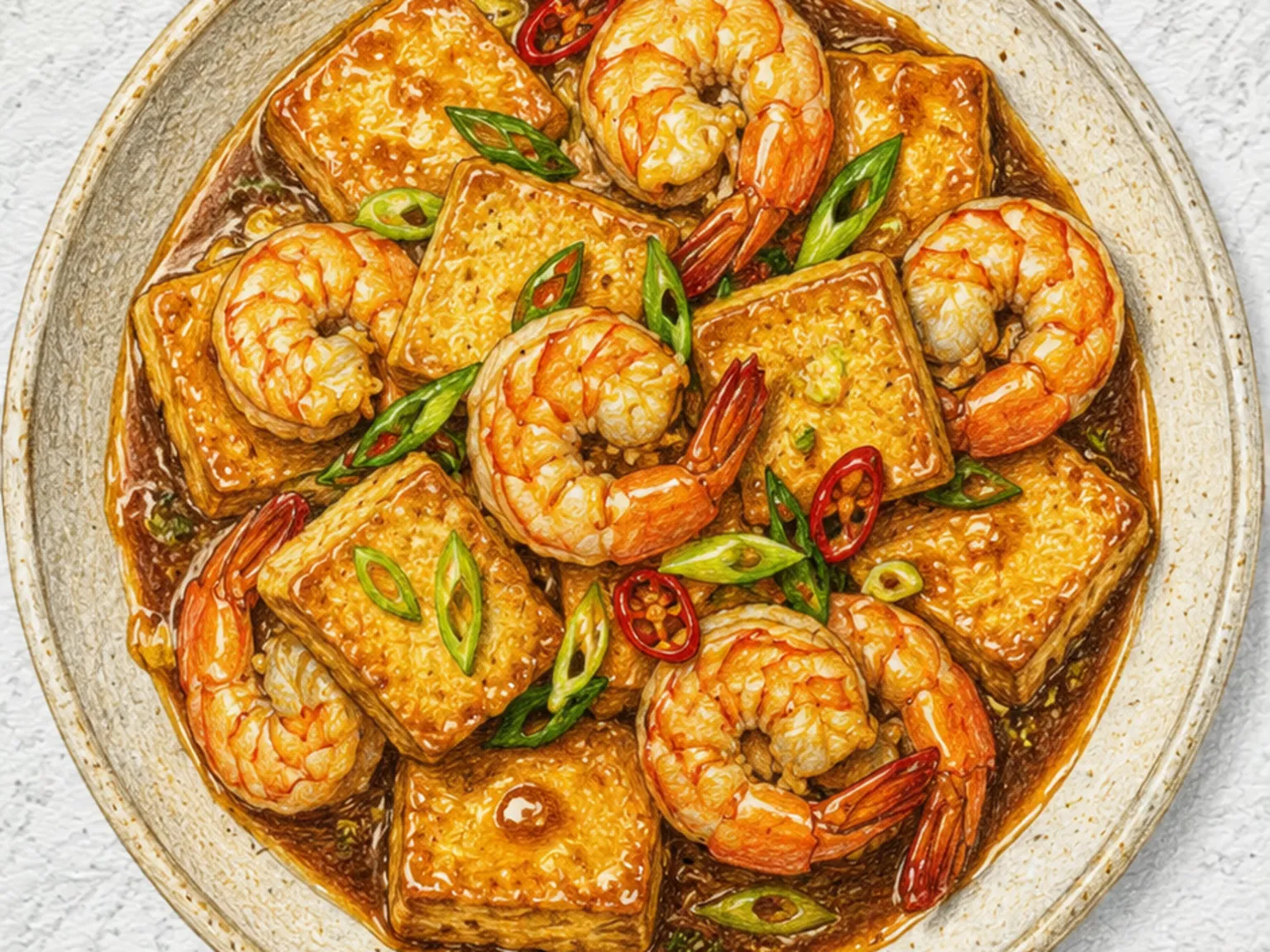
Korean Braised Tofu with Shrimp
firm tofu, onion
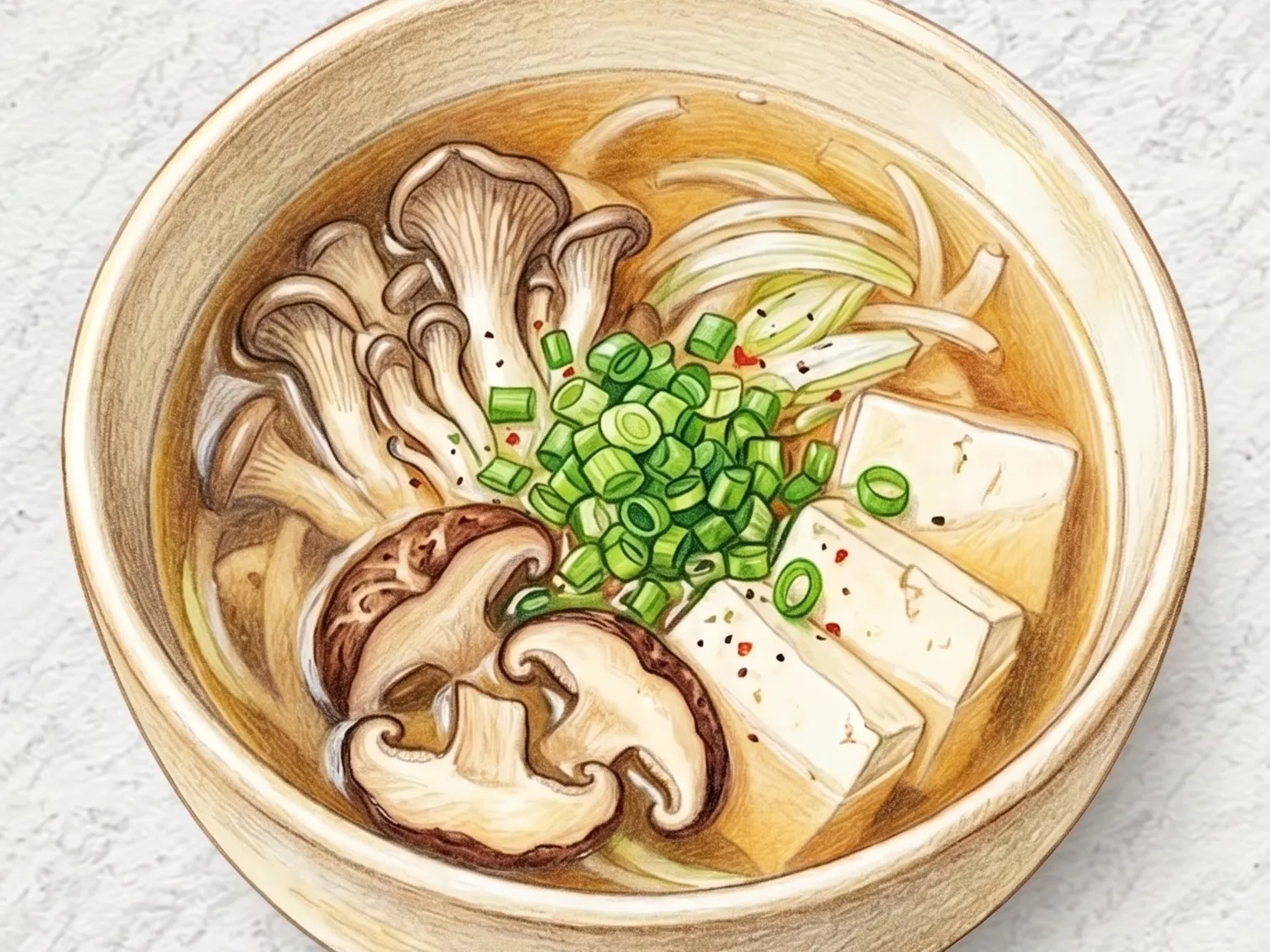
Korean Clear Mushroom Tofu Soup
firm tofu, onion