Korean Braised Eggplant with Pork
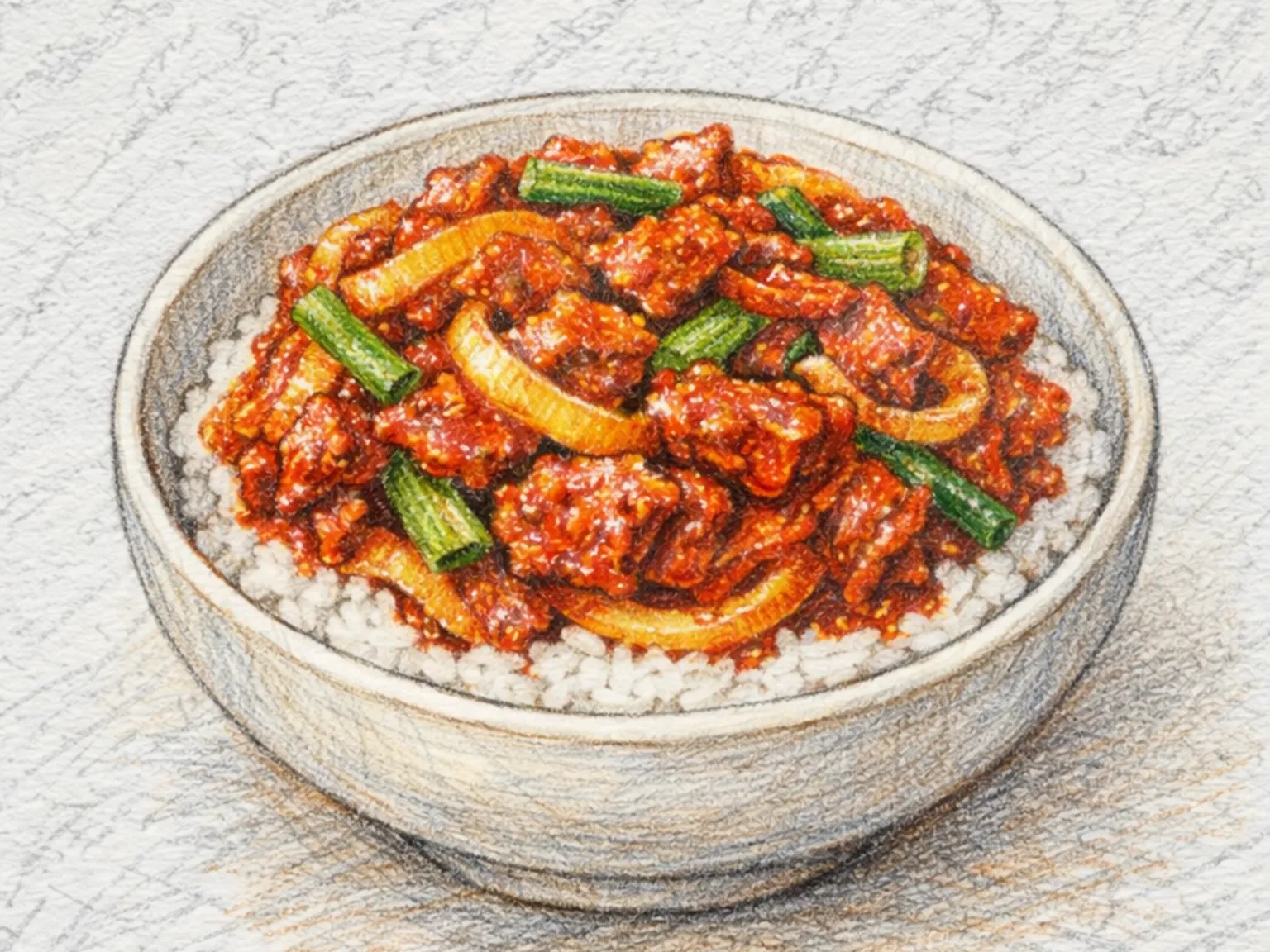
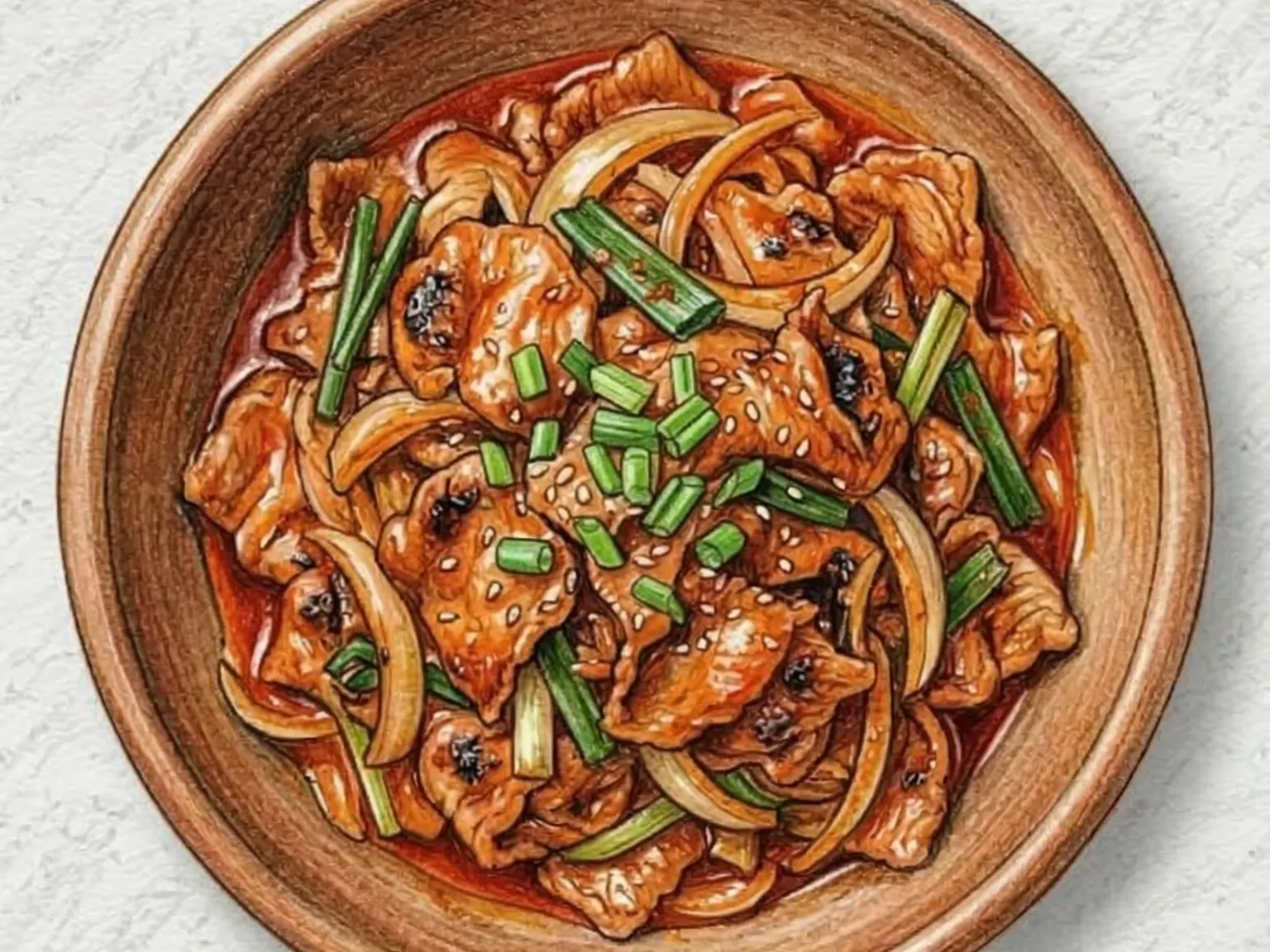
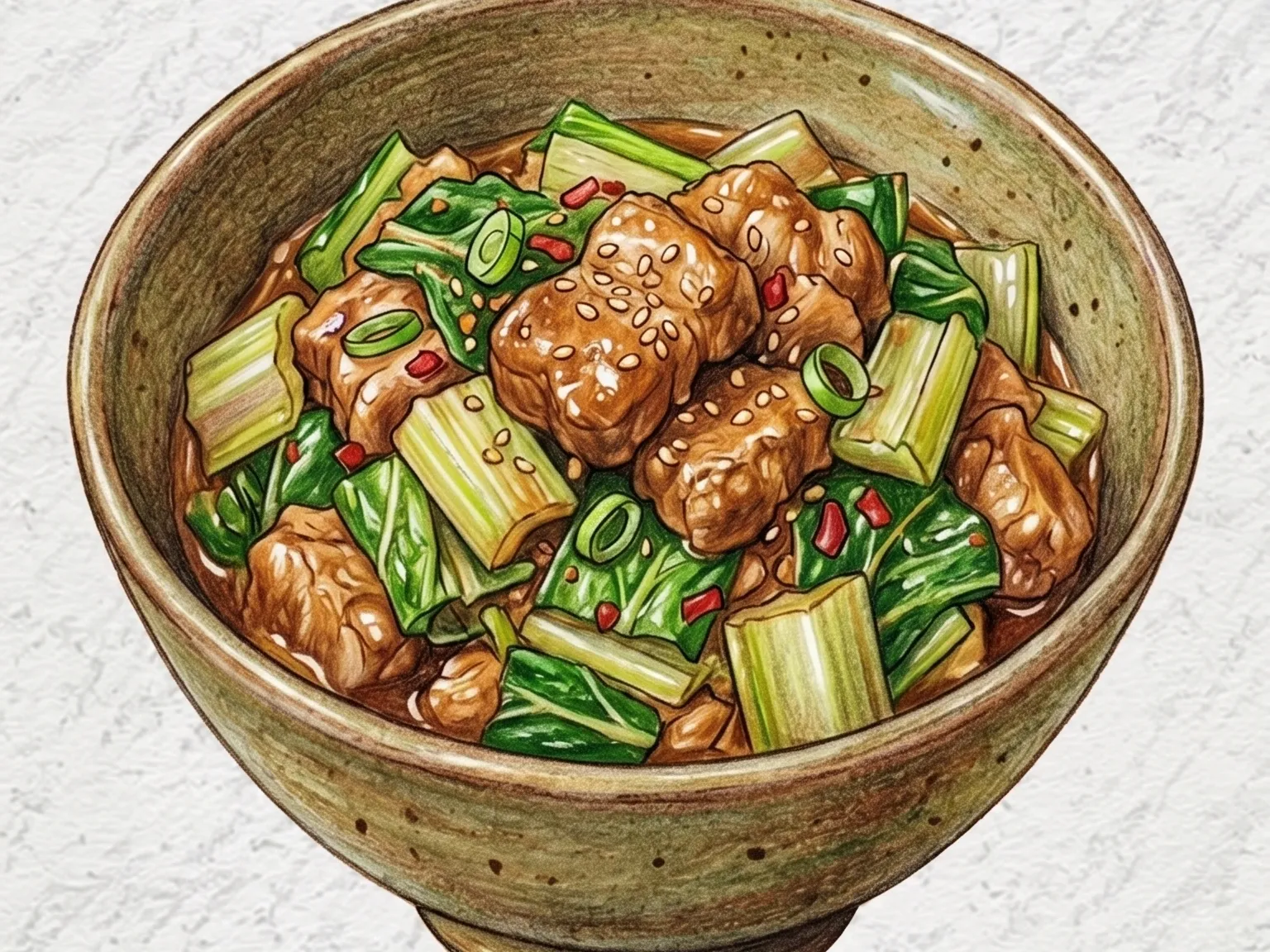
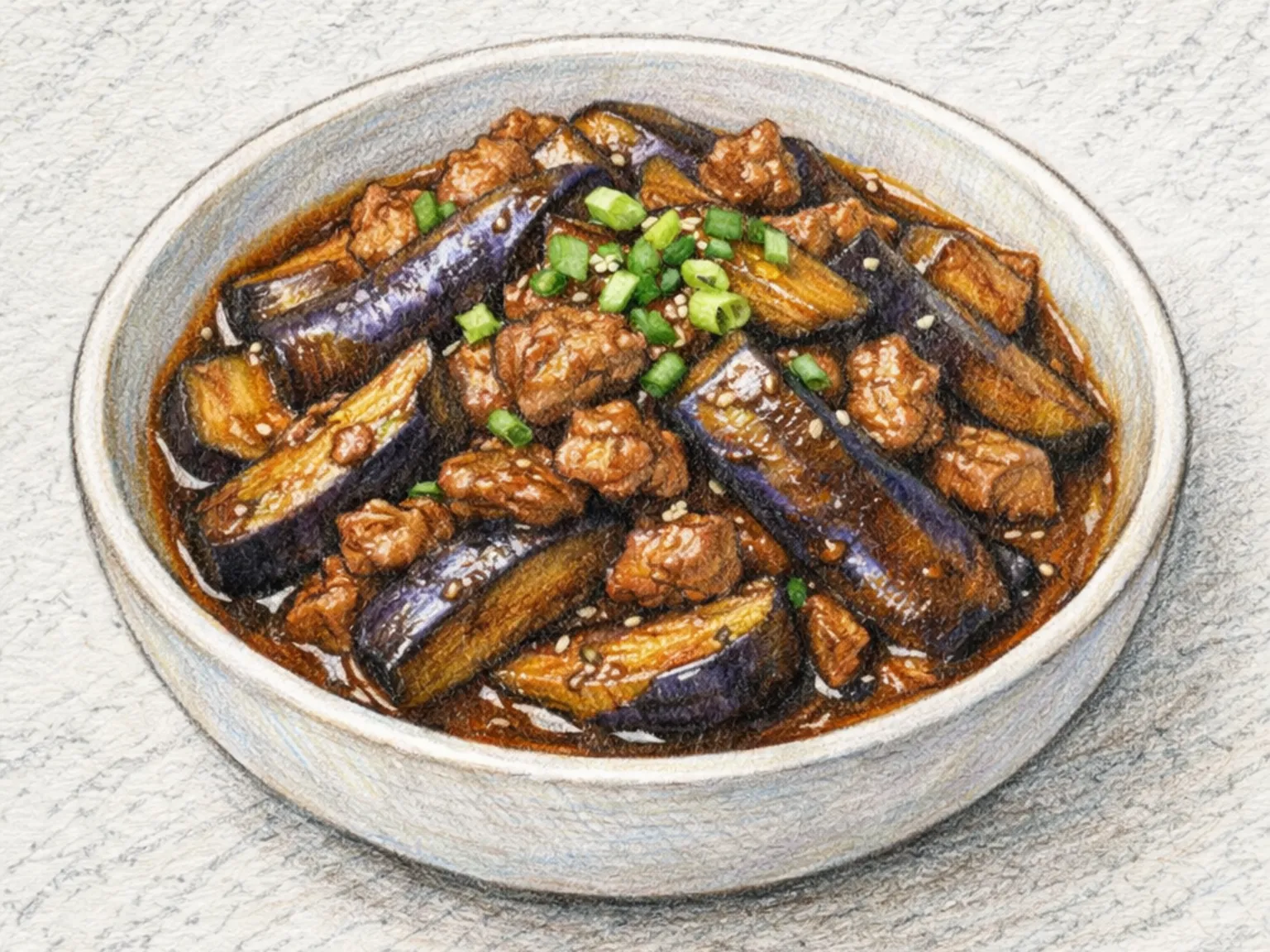
Gaji dwaejigogi jorim is a Korean braised dish of eggplant and pork shoulder in soy sauce with gochugaru. The pork renders its fat into the eggplant as they cook together, giving the vegetable a rich, meaty quality. Cooking wine helps mellow the pork while the soy-garlic base builds deep, layered flavor. A final drizzle of sesame oil ties it all together, and this dish is at its best in summer when eggplants are in peak season.
Adjust Servings
Instructions
- 1
Quarter eggplants lengthwise, cut into 5 cm pieces, and roughly slice onion and green onion.
- 2
Cut pork bite-size and marinate 10 minutes with 1 tbsp soy sauce and cooking wine.
- 3
Cook pork with garlic over medium heat until the surface is lightly browned.
- 4
Add eggplant and onion, then add remaining soy sauce, chili flakes, and water.
- 5
Cover and braise on low for 10 minutes, then reduce uncovered 3 minutes on medium heat.
- 6
Finish with green onion and sesame oil, simmer 1 minute, then serve.
As an Amazon Associate, we may earn from qualifying purchases.
Tips
Nutrition (per serving)
More Recipes

Korean Braised Eggplant and Tofu
Gaji dubu jorim combines eggplant and firm tofu braised together in a soy sauce and gochugaru seasoning. The eggplant soaks up the sauce and turns silky soft, while the pan-fried tofu holds its shape with a slight firmness on the outside. Garlic and green onion round out the flavor, creating a lightly spicy, umami-rich side dish. This is a practical vegetarian-friendly banchan that pairs well with plain steamed rice.

Korean Braised Eggplant with Shrimp
Gaji saeu jorim is a Korean braised dish pairing eggplant with medium shrimp in a soy sauce and oyster sauce base. The shrimp release their natural umami into the sauce as they cook, and the eggplant absorbs every bit of that flavor, turning soft and deeply seasoned. A small amount of gochugaru adds gentle warmth without overpowering the seafood. The contrast between the plush eggplant and the firm, bouncy shrimp gives this banchan an appealing variety of textures.

Korean Dakbong Gochujang Jorim (Gochujang-Braised Chicken Drumettes)
Dakbong gochujang-jorim is chicken drumettes braised with potato in a sauce built from gochujang, soy sauce, chili flakes, and oligosaccharide syrup. The meat around the small bones turns dense and chewy as it simmers, holding onto the thick sauce. Potato pieces soften in the braising liquid until they are starchy and tender throughout. The syrup wraps the gochujang heat in a shiny sweetness that keeps you reaching for the next piece, and a stalk of green onion stirred in at the end adds a sharp, aromatic finish.

Korean Braised Spanish Mackerel with Radish
Samchi mu-jorim layers sliced Korean radish on the bottom of a pot, topped with Spanish mackerel steaks and onion, then braised in a sauce of gochujang, soy sauce, gochugaru, and garlic. The radish prevents the fish from sticking, absorbs the braising liquid, and turns translucent-soft as it cooks. Rather than flipping the fish, the sauce is spooned over the top repeatedly so the flesh stays intact. After about fifteen minutes of simmering on medium heat, the liquid reduces to a concentrated, mildly spicy broth with the radish's subtle sweetness woven through it.

Korean Spicy Braised Cod with Radish
Tender cod fillets braised in a spicy gochujang-soy sauce with daikon radish that soaks up every drop of flavor. Cod is a lean fish with a clean, neutral flavor, and the bold seasoning soaks into the flesh to add depth. Daikon radish cooks alongside the fish and absorbs the braising liquid, becoming just as flavorful. Onion melts down during cooking, contributing natural sweetness to the sauce. The flesh is soft and separates easily from the bone, making it approachable for all ages.

Korean Braised Pork with Garlic Chives
Pork shoulder is braised with garlic chives in a soy sauce, gochugaru, and cooking wine seasoning. The shoulder cut stays moist and yielding after slow steaming, with its moderate fat content keeping the meat from drying out. A generous pile of garlic chives wilts over the pork, releasing a sweet, garlicky aroma. Finished with sesame oil and black pepper, this braised dish delivers a balance of savory depth and mild spice that pairs well with steamed rice.