Korean Soy Braised Eggplant
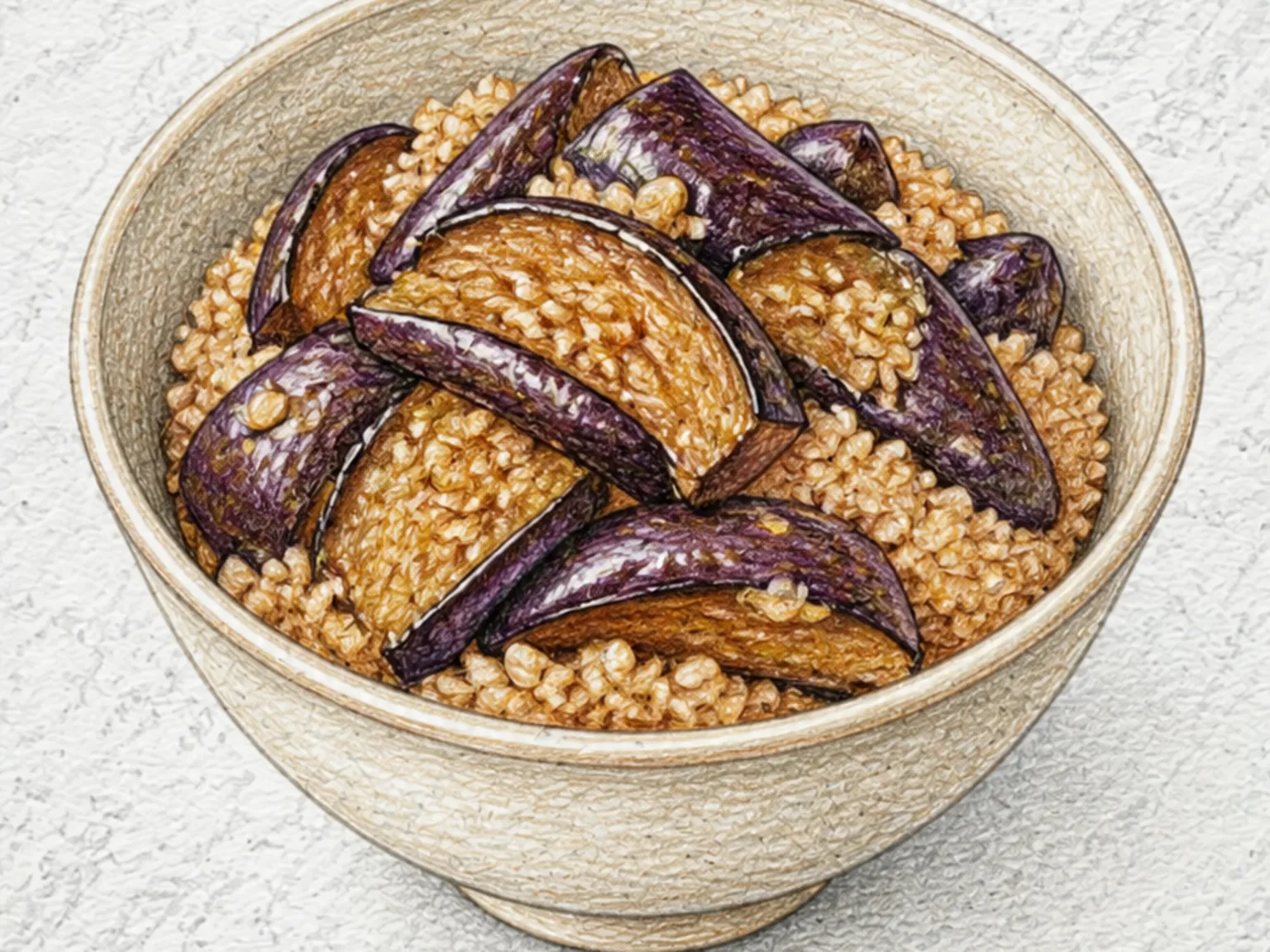
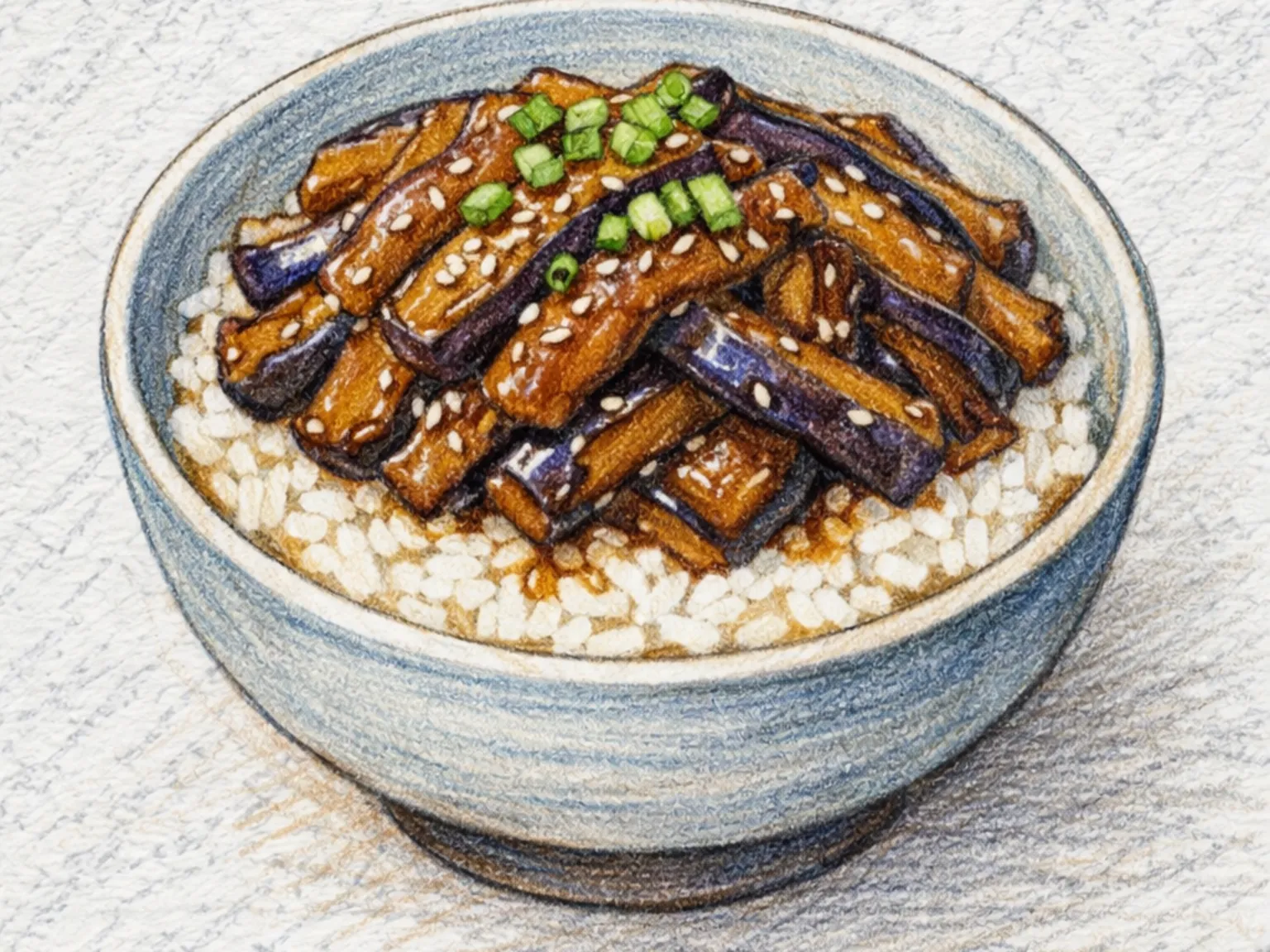
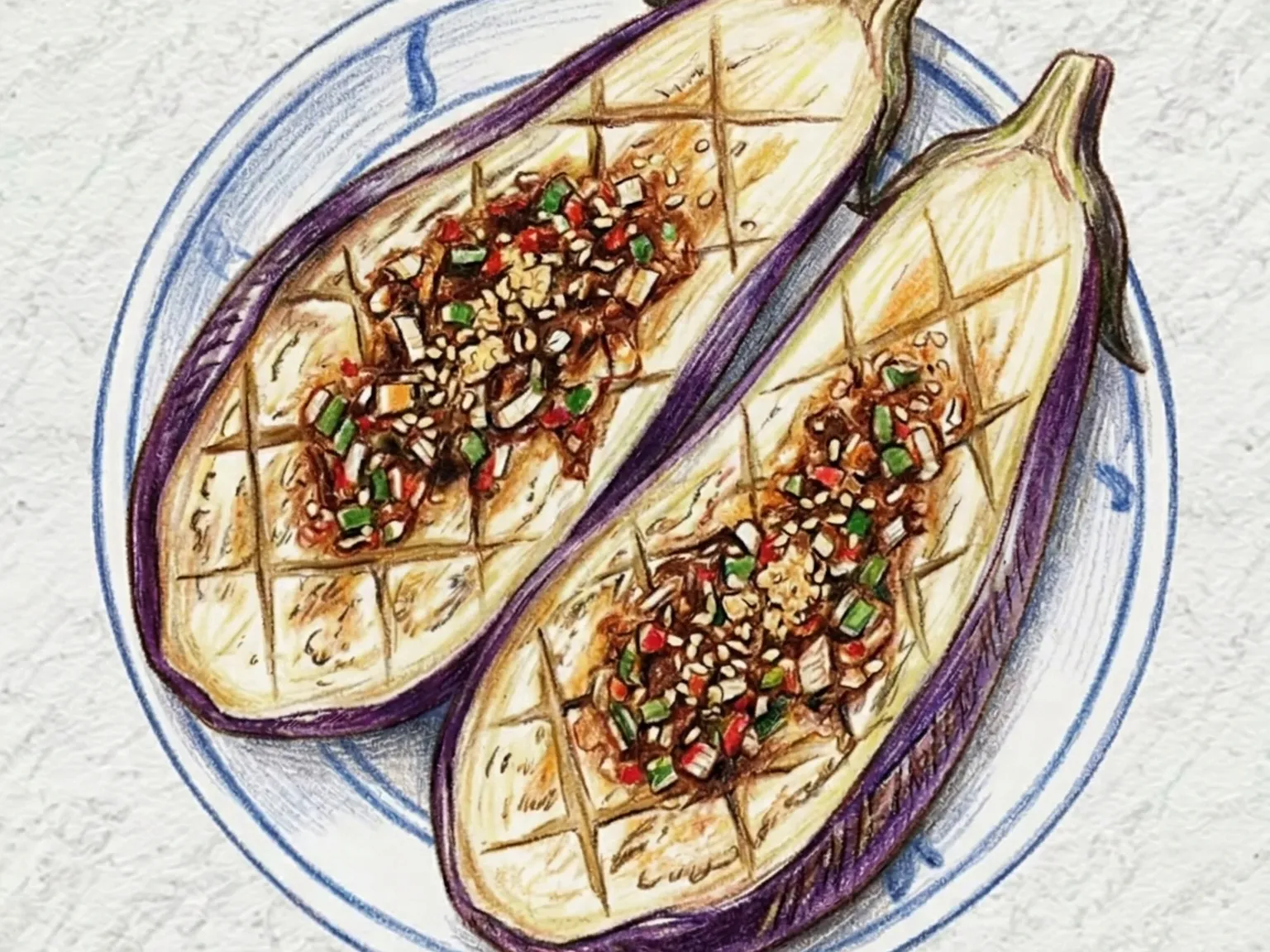
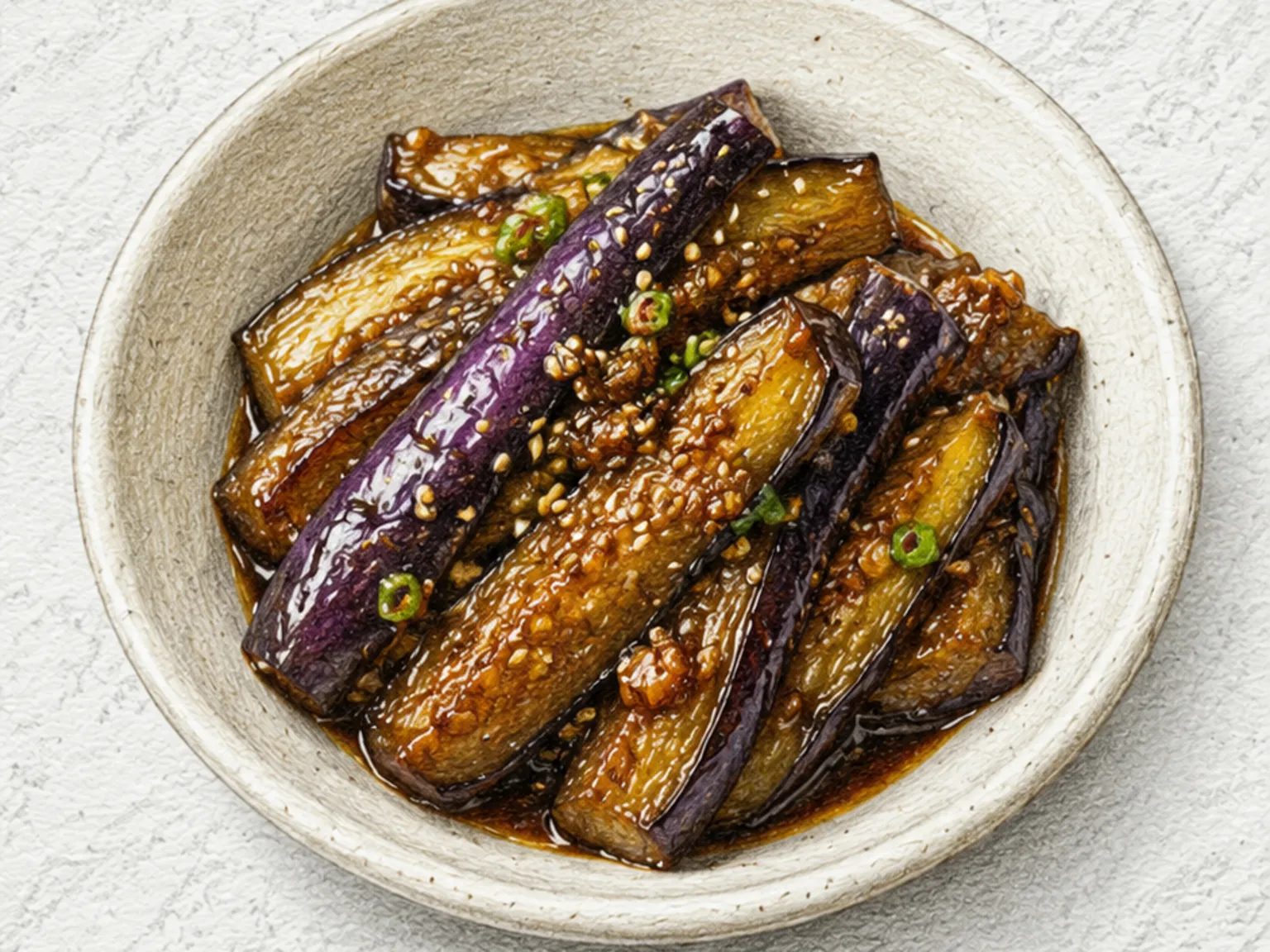
Gaji-jorim is a Korean braised eggplant dish simmered in soy sauce until the flesh is thoroughly tender and saturated with seasoning. The sweet-salty sauce permeates evenly through the eggplant as it cooks down. A finishing drizzle of sesame oil and a sprinkle of sesame seeds add a nutty aroma to each serving. Despite using only eggplant as the main ingredient, the slow braising concentrates the flavors into a compelling rice accompaniment.
Adjust Servings
Instructions
- 1
Halve eggplants lengthwise and cut into bite-size pieces.
- 2
Bring soy sauce, water, sugar, and garlic to a boil.
- 3
Add eggplant and braise over medium heat for 6 minutes.
- 4
Add green onion and cook 3 more minutes until reduced.
- 5
Turn off heat and finish with sesame oil.
As an Amazon Associate, we may earn from qualifying purchases.
Tips
Nutrition (per serving)
More Recipes

Korean Braised Eggplant in Seasoned Soy Sauce
Gaji yangnyeom jorim is a Korean soy-braised eggplant side dish seasoned with gochugaru, garlic, and sesame oil. The eggplant pieces are lightly cooked in oil first, then simmered in the seasoning sauce until they become glossy and deeply flavored throughout. Scallions added at the end provide a fresh contrast to the rich, salty-sweet glaze. This is a reliable everyday banchan that can be made ahead and kept in the refrigerator for several days.

Korean Steamed Eggplant Namul
Gaji namul strips eggplant down to its quietest expression - steamed until completely soft, then dressed with just soy sauce, garlic, and sesame oil. No chili, no vinegar, no fermented paste. The eggplant is halved and steamed for seven minutes until the flesh is uniformly tender, then torn into long shreds by hand along its natural fibers. This tearing technique creates rough surfaces that grip the minimal seasoning better than knife-cut pieces would. The dressed namul has a glossy, dark sheen from the sesame oil and soy sauce soaking into the porous flesh. Among Korean namul dishes, gaji namul stands out for its exceptionally soft, almost melting texture - it practically dissolves when mixed into warm rice. A traditional banchan in Korean Buddhist temple cuisine, where simplicity is a principle rather than a limitation.

Korean Braised Shiitake Mushrooms
Pyogo-beoseot-jorim braises whole shiitake mushrooms in soy sauce with oligosaccharide syrup and minced garlic over low heat until glossy. The mushrooms' natural umami intensifies as they absorb the soy-based braising liquid, while the syrup caramelizes into a lacquer-like sheen on the surface. Each mushroom releases a burst of salty-sweet juice when bitten. A finishing touch of sesame oil and toasted sesame seeds adds a layer of nuttiness to the earthy base.

Korean Braised Eggplant with Shrimp
Gaji saeu jorim is a Korean braised dish pairing eggplant with medium shrimp in a soy sauce and oyster sauce base. The shrimp release their natural umami into the sauce as they cook, and the eggplant absorbs every bit of that flavor, turning soft and deeply seasoned. A small amount of gochugaru adds gentle warmth without overpowering the seafood. The contrast between the plush eggplant and the firm, bouncy shrimp gives this banchan an appealing variety of textures.

Korean Soy-Pickled Eggplant
Gaji jangajji is a Korean pickled eggplant made by blanching eggplant for just over a minute to soften only the surface, then submerging it in a boiled brine of soy sauce, vinegar, and sugar. The blanched eggplant absorbs the pickling liquid rapidly like a sponge while keeping a yielding, silky texture inside. Vinegar gives direction to the eggplant's otherwise neutral flavor, and garlic and cheongyang chili layered into the brine build a quiet complexity beyond simple preservation. Ready to eat after one day, this jangajji holds its texture for over ten days refrigerated, making it a practical banchan to prepare in advance.

Korean Soy-Braised Fish Cake
Eomuk-jorim - soy-braised fish cake - is among the most reliable banchan in the Korean refrigerator, keeping for up to a week while improving in flavor each day as the soy glaze penetrates deeper. Korean eomuk is a pressed fish paste distinct from Japanese kamaboko, with a chewier, denser bite. The fish cake is cut into triangles or rectangles and simmered in a mixture of soy sauce, rice syrup, garlic, and water. As the liquid reduces by half over ten minutes, the remaining sauce thickens into a sticky, sweet-salty glaze clinging to each piece. Adding a sliced cheongyang chili near the end introduces a subtle heat that lifts the otherwise one-dimensional sweetness. This banchan has been a fixture of Korean school cafeterias, packed lunches, and corner-store side dishes for decades - a workhorse side dish that costs almost nothing to prepare.