Korean Stuffed Eggplant Seon
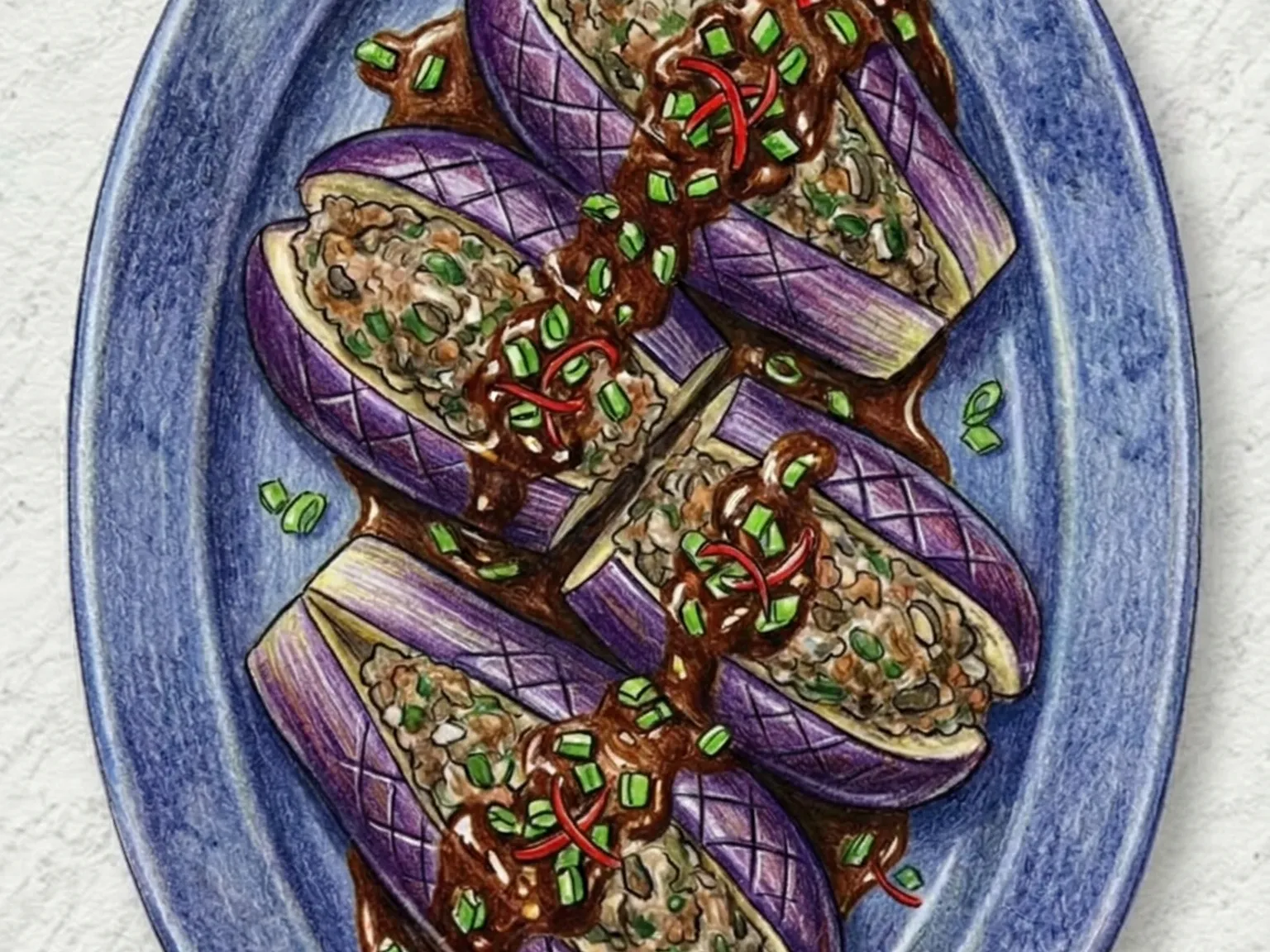
Gaji-seon is a Joseon-era royal court dish - one of the 'seon' preparations where vegetables are stuffed with seasoned fillings and steamed. The eggplant is scored deeply at intervals but not cut through, creating accordion-like pockets. A filling of minced pork or beef mixed with tofu, scallion, and sesame oil is pressed into each slit. The stuffed eggplant steams for fifteen minutes, during which the filling's juices meld with the collapsing eggplant flesh. A light soy-based sauce is drizzled over at serving. The dish requires more patience than most banchan - each eggplant is individually stuffed - and this labor-intensive nature is why it has historically been reserved for guests and celebrations. The combination of the nearly-dissolving eggplant shell and the savory, compact filling creates a textural refinement that sets seon apart from ordinary stir-fried or steamed banchan.
Adjust Servings
Instructions
- 1
Trim eggplants, cut into 5 cm pieces, and slit each piece without cutting through.
- 2
Squeeze tofu dry and mash, then mix with beef, minced onion, garlic, pepper, 1 tbsp soy sauce, and 1 tsp sesame oil.
- 3
Fill each slit eggplant with the prepared stuffing and place in a steamer.
- 4
Steam over high heat for 12-14 minutes, then transfer and let cool slightly.
- 5
Mix remaining 1 tbsp soy sauce with water, drizzle over, and finish with the remaining sesame oil.
As an Amazon Associate, we may earn from qualifying purchases.
Tips
Nutrition (per serving)
More Recipes

Korean Steamed Eggplant Namul
Gaji namul strips eggplant down to its quietest expression - steamed until completely soft, then dressed with just soy sauce, garlic, and sesame oil. No chili, no vinegar, no fermented paste. The eggplant is halved and steamed for seven minutes until the flesh is uniformly tender, then torn into long shreds by hand along its natural fibers. This tearing technique creates rough surfaces that grip the minimal seasoning better than knife-cut pieces would. The dressed namul has a glossy, dark sheen from the sesame oil and soy sauce soaking into the porous flesh. Among Korean namul dishes, gaji namul stands out for its exceptionally soft, almost melting texture - it practically dissolves when mixed into warm rice. A traditional banchan in Korean Buddhist temple cuisine, where simplicity is a principle rather than a limitation.

Korean Steamed Eggplant Vinegar Salad
While gaji bokkeum uses high heat and oil, this preparation takes eggplant in the opposite direction - steaming gently, then dressing cold with a vinegar-forward sauce. The eggplant is halved lengthwise, scored, and steamed for eight minutes until the flesh turns translucent and yielding. After cooling, it is torn along the grain into long strips that expose maximum surface area for the dressing to cling to. Soy sauce, rice vinegar, sugar, garlic, and gochugaru create a bright, tangy-spicy dressing that offsets the eggplant's natural sweetness. The torn strips have a silky, almost slippery quality unique to steamed eggplant. This banchan is especially popular during Korea's humid summer months when cool, vinegared dishes offer relief from the heat.

Korean Eggplant Pancakes (Egg-Battered Pan-Fried Eggplant)
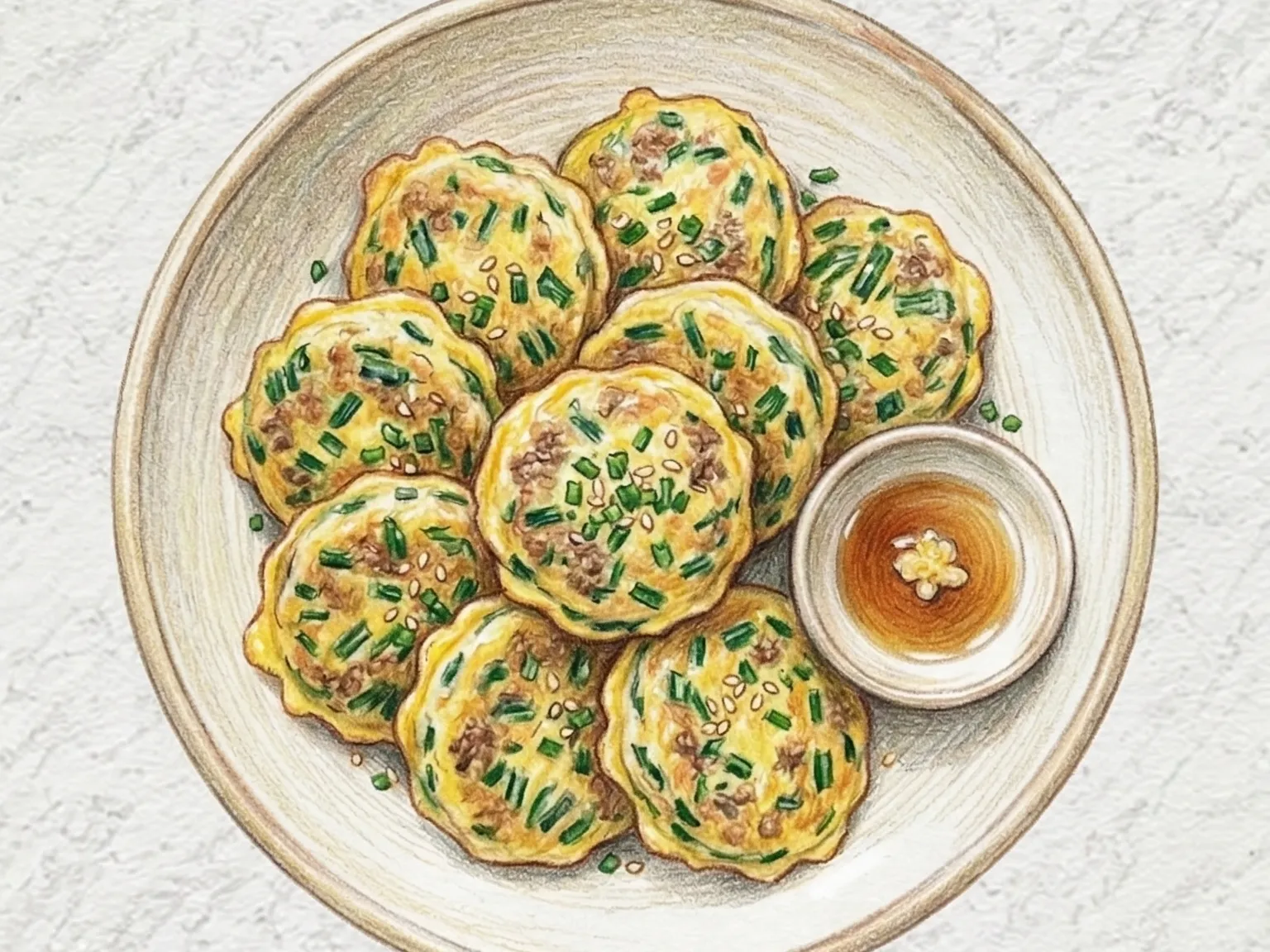
Gaji-jeon belongs to the Korean jeon family - vegetables dipped in egg wash and pan-fried in a thin layer of oil, a technique that appears at ancestral rites (jesa) and holiday tables. Eggplant rounds are sliced about 7mm thick - thin enough to cook through but thick enough to maintain a soft center. A light dusting of flour before the egg wash helps the batter adhere. The egg coating sets into a golden, lacy shell in the pan, while the eggplant inside steams in its own moisture. The result is a contrast between the crisp, slightly eggy exterior and the collapsing, custardy eggplant within. Dipped in a simple soy-vinegar sauce, each piece delivers a clean, understated flavor. Korean families often fry gaji-jeon alongside hobak-jeon and other vegetable jeon for Chuseok.

Korean Steamed Shishito Pepper Banchan
Kkwarigochu-jjim steams flour-dusted shishito peppers rather than frying them, yielding an oil-free banchan with a moist, tender bite. The wrinkled surface of shishito peppers catches flour naturally, and that thin coating traps steam during cooking to keep the flesh juicy - but too much flour causes the peppers to clump into a sticky mass, so the trick is to toss them in a sieve with a light dusting. Five to six minutes of steaming wilts the peppers and turns the flour coat translucent. A quick toss in soy sauce, gochugaru, garlic, and sesame oil layers savory-spicy seasoning over the pepper's own mild sweetness. Because no oil is used, the calorie count stays low, and the steaming method preserves more of the pepper's vitamin C compared to stir-frying. This is a go-to for anyone looking for a lighter approach to shishito pepper banchan.

Korean Steamed Eggplant with Seasoning
Gaji-jjim is a simple Korean steamed eggplant dish dressed with a soy sauce, gochugaru, and garlic seasoning. Steaming the eggplant whole preserves its moisture, resulting in a silky, melt-in-the-mouth texture once torn or sliced. The dressing-brightened with sesame oil and topped with sesame seeds and sliced green onion-soaks into the warm flesh quickly. With minimal ingredients and a short cooking time, this is a light vegetable banchan that appears frequently on Korean summer tables.

Korean Soy Braised Eggplant
Gaji-jorim is a Korean braised eggplant dish simmered in soy sauce until the flesh is thoroughly tender and saturated with seasoning. The sweet-salty sauce permeates evenly through the eggplant as it cooks down. A finishing drizzle of sesame oil and a sprinkle of sesame seeds add a nutty aroma to each serving. Despite using only eggplant as the main ingredient, the slow braising concentrates the flavors into a compelling rice accompaniment.