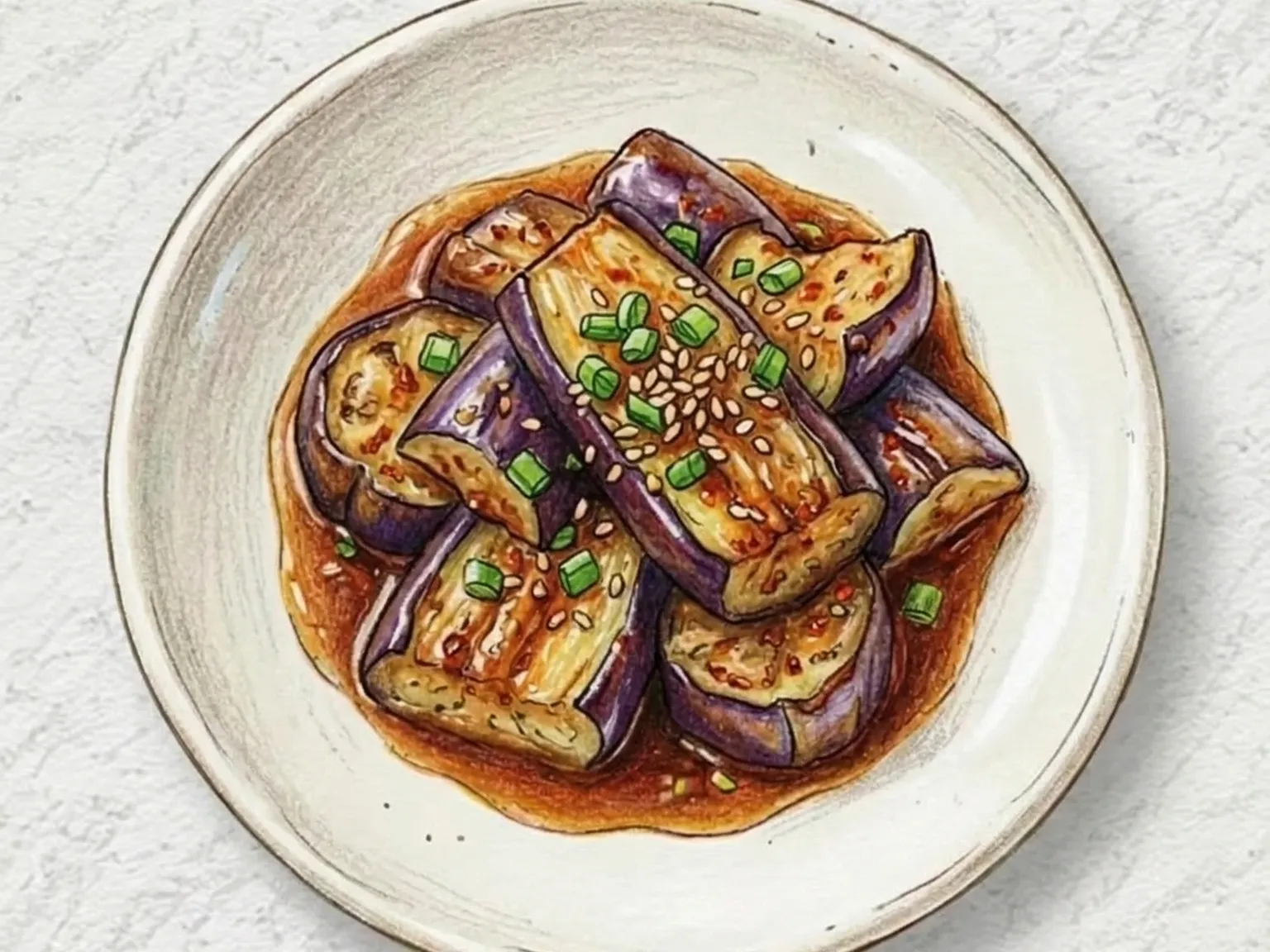
Korean Braised Eggplant in Seasoned Soy Sauce
Quick answer
- Total time
- 25 min
- Level
- Easy
- Servings
- 2 servings
- Ingredients
- 9
About this dish
The eggplant is sauteed in oil for a few minutes before the sauce goes in.
Read more
Dropped straight into the liquid, it would release water and thin the seasoning. Any braising liquid left over can go into bibimbap.
Ingredients
Instructions
- 1
Halve 280g eggplant lengthwise, cut it into 4-5cm pieces, and score the skin lightly so the seasoning can soak in.
Slice 70g onion into 0.5cm strips for even softening during braising.
- 2
Combine 40ml dark soy sauce, 120ml water, 8g chili flakes, and 8g minced garlic in a bowl.
- 3
Heat a pan over medium heat, add oil, and spread the eggplant in one layer as much as possible.
Saute for 2-3 minutes, turning gently, until the surface looks slightly translucent and lightly softened.
- 4
Add the onion and stir for about 1 minute, just until it begins to soften.
Pour in the seasoning sauce, keep the heat at medium, and scrape the pan bottom once it bubbles to prevent sticking.
- 5
Cover the pan, reduce to medium-low heat, and simmer for 6 minutes so the eggplant absorbs the seasoning inside.
Turn the pieces only once halfway through to keep them from breaking apart.
- 6
Uncover and reduce for 3-4 minutes, stirring gently, until the sauce is shallow, glossy, and clings to the eggplant.
Turn off the heat, fold in 6ml sesame oil and 15g scallion, then serve.
Official cooking and safety guidance
Public-agency cooking and food safety guidance that applies to this recipe.
Official cooking and safety guidance
-
Produce preparation
Wash produce under running water before cutting or peeling it. Do not use soap or household detergent.
Source: U.S. Food and Drug Administration. Selecting and Serving Produce Safely
-
Storage and reheating
Refrigerate leftovers in shallow containers within 2 hours and use them within 3 to 4 days. Reheat the center to 74°C.
Source: USDA Food Safety and Inspection Service. Leftovers and Food Safety
Sources checked 2026-08-03
Use-up ingredient planner
Turn these ingredients into two more meals
The overlap excludes basic seasonings. Open the next recipe and your selected dishes will stay with you.
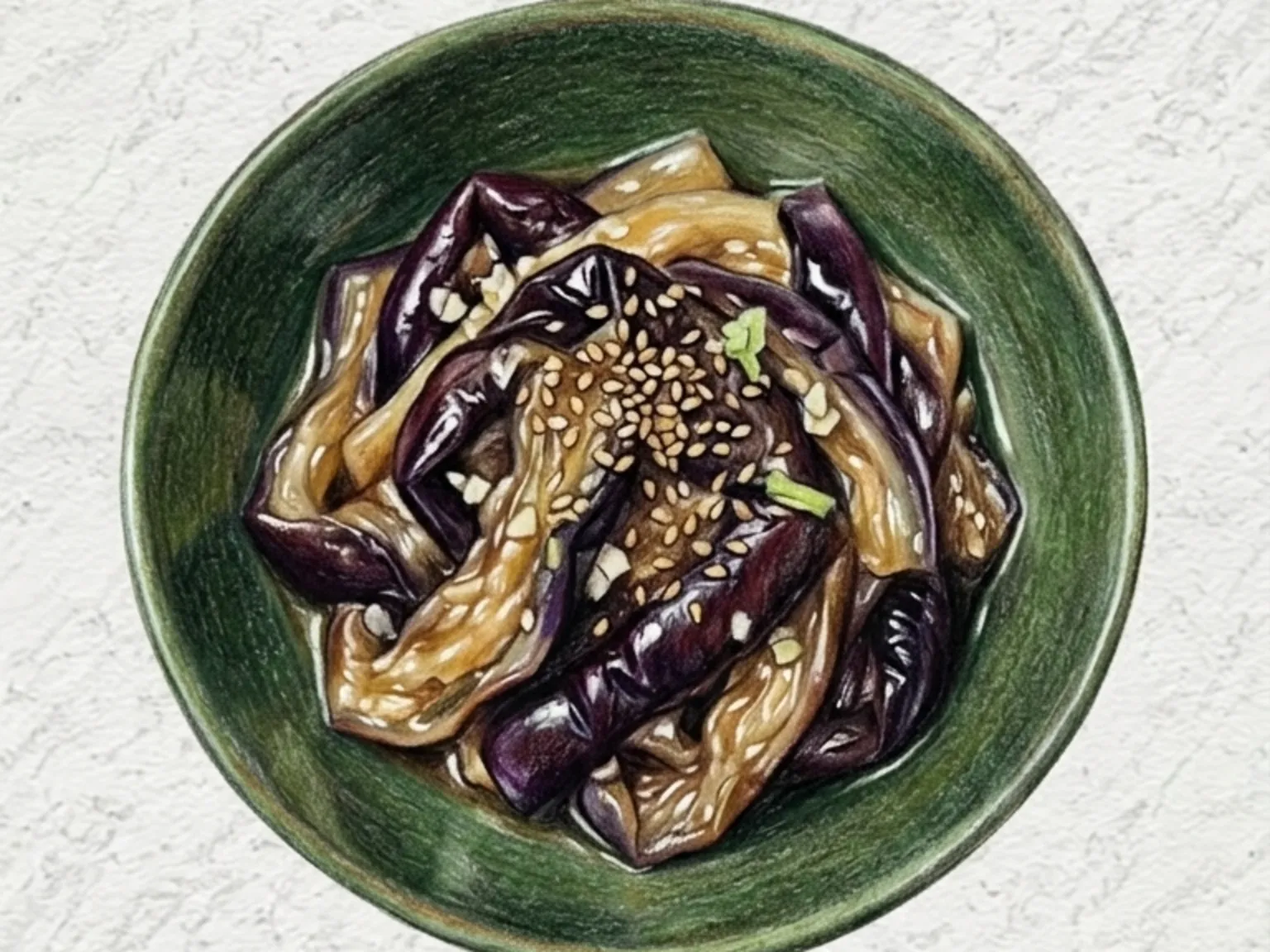
Korean Steamed Eggplant Namul
eggplant, scallion
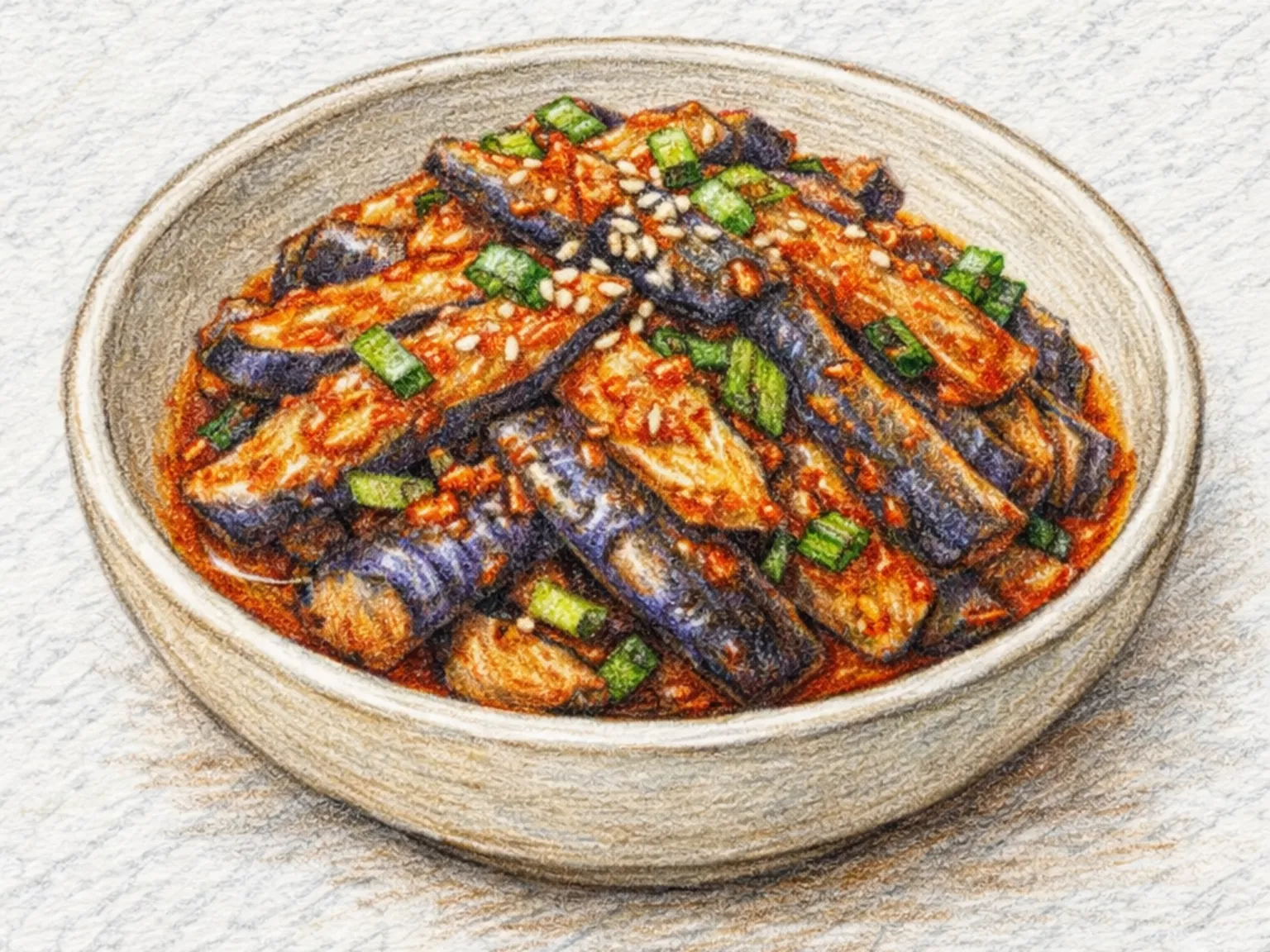
Korean Fresh Eggplant Kimchi
eggplant, scallion
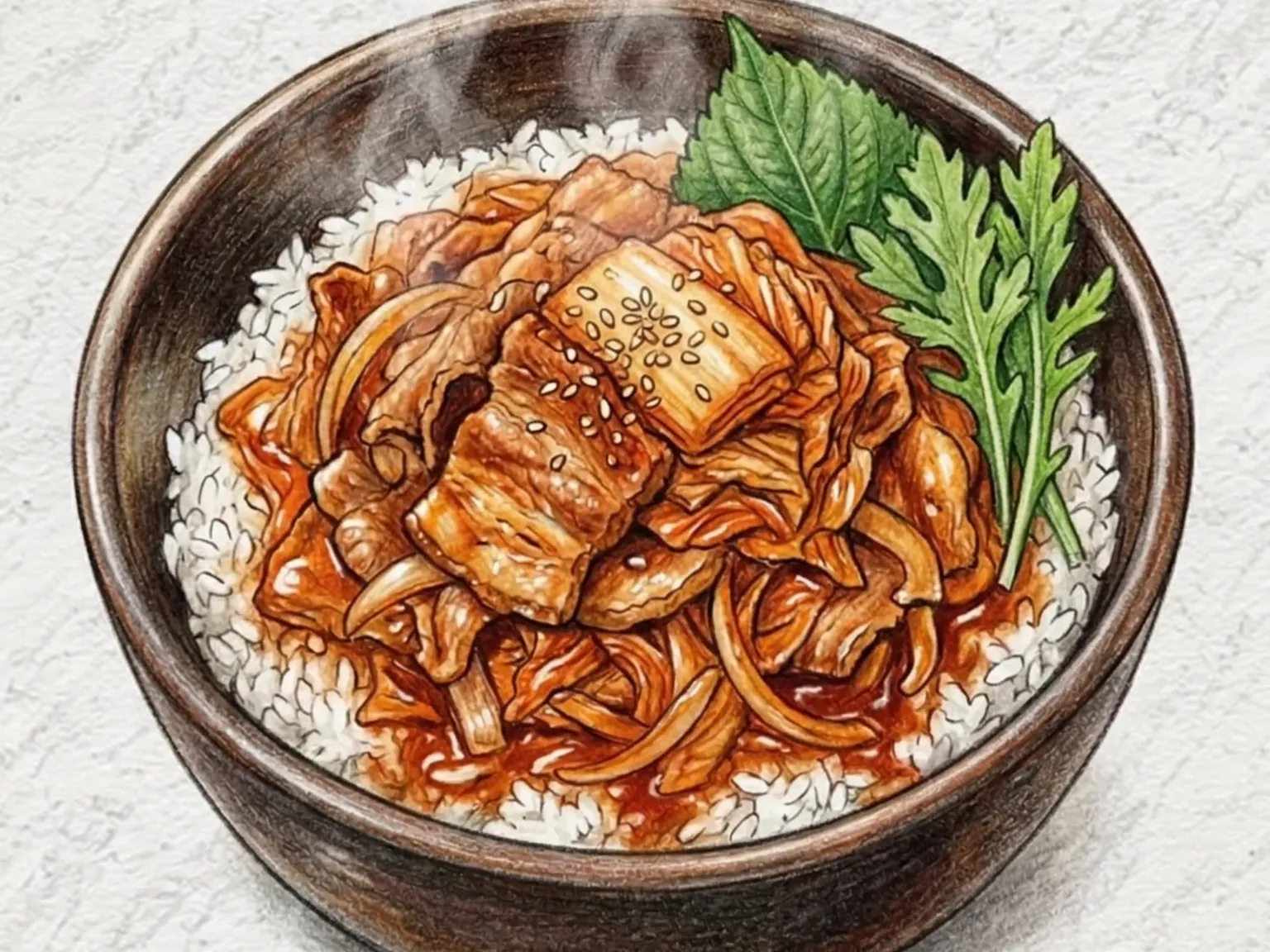
Bossam Kimchi Deopbap
onion, scallion