Galbijjim Lasagna (Korean Braised Short Rib and Bechamel Lasagna)
Pasta Hard

Galbijjim Lasagna (Korean Braised Short Rib and Bechamel Lasagna)

Quick answer

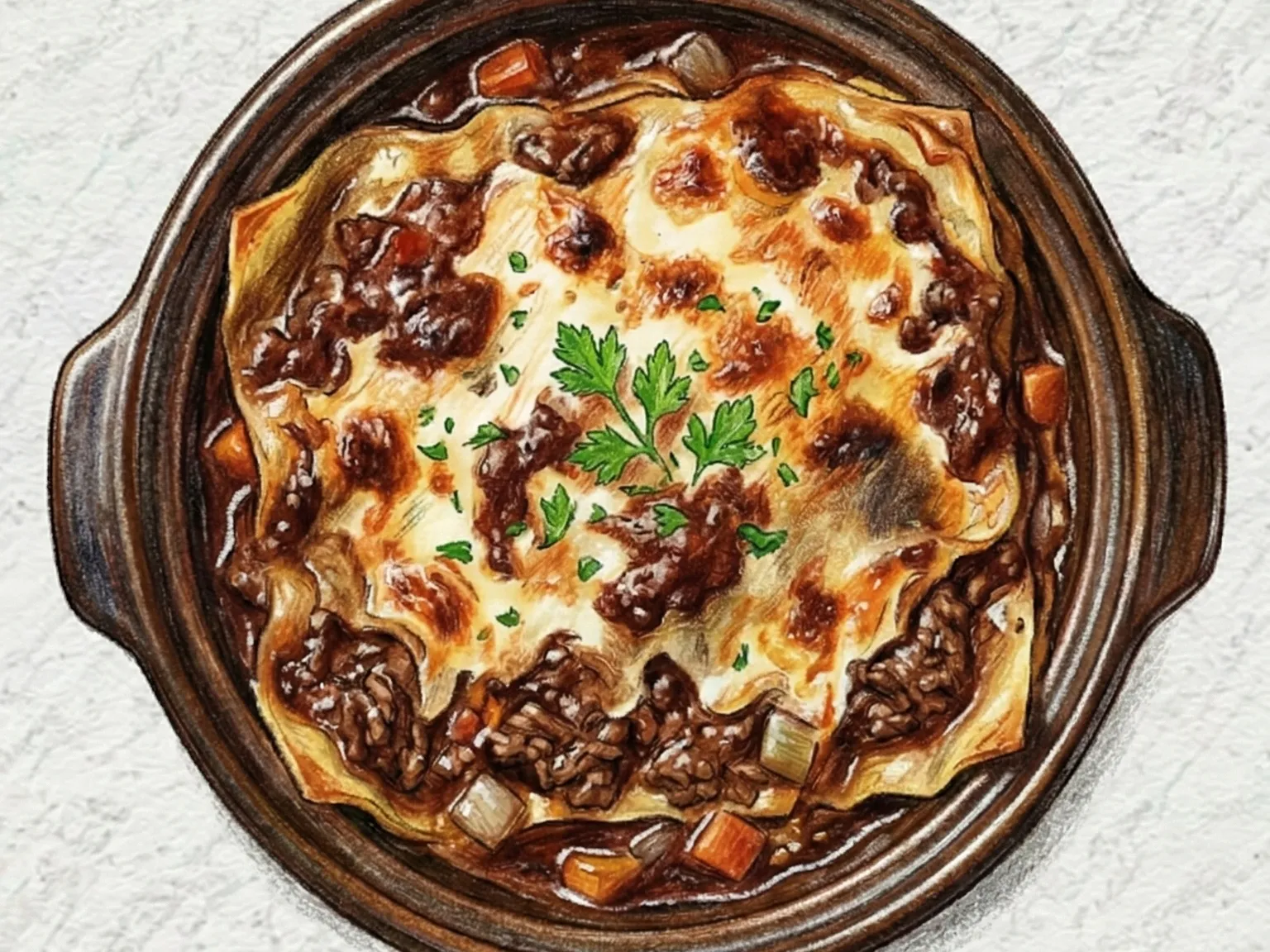
Galbi-jjim lasagna is a fusion dish that layers a Korean-style braised short rib ragu between lasagna sheets with bechamel and mozzarella before baking.

What makes this special

  • Tender short rib braised with pear puree layers between lasagna sheets and rich bechamel.
  • Pear puree enzymes tenderize short rib fibers during the 25-minute braise
  • Soy-braised galbi layers with bechamel for a Korean-Italian hybrid
Total time
90 min
Level
Hard
Servings
4 servings
Ingredients
11
Calories
890 kcal
Protein
45 g

Key ingredients

lasagna sheetsbeef short rib meatonioncarrotsoy sauce

Core cooking flow

  1. 1 Cut 500 g beef short rib meat into small dice and trim away any large tough sinew.
  2. 2 Finely dice 150 g onion and 80 g carrot, then cook them in a pot over medium heat for about 3 minutes.
  3. 3 Raise the heat to high and sear the beef for 2 minutes so the outside cooks quickly.

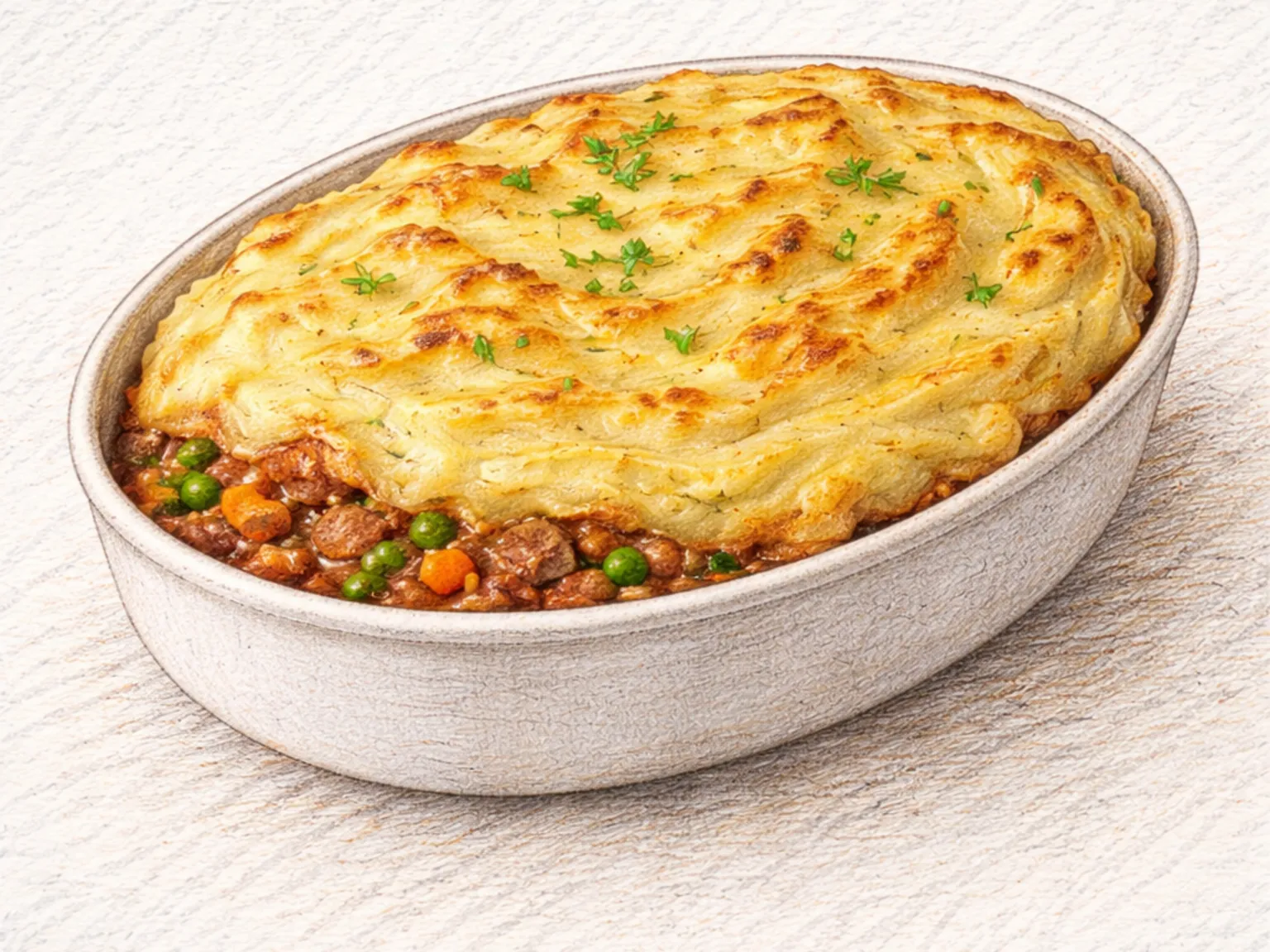
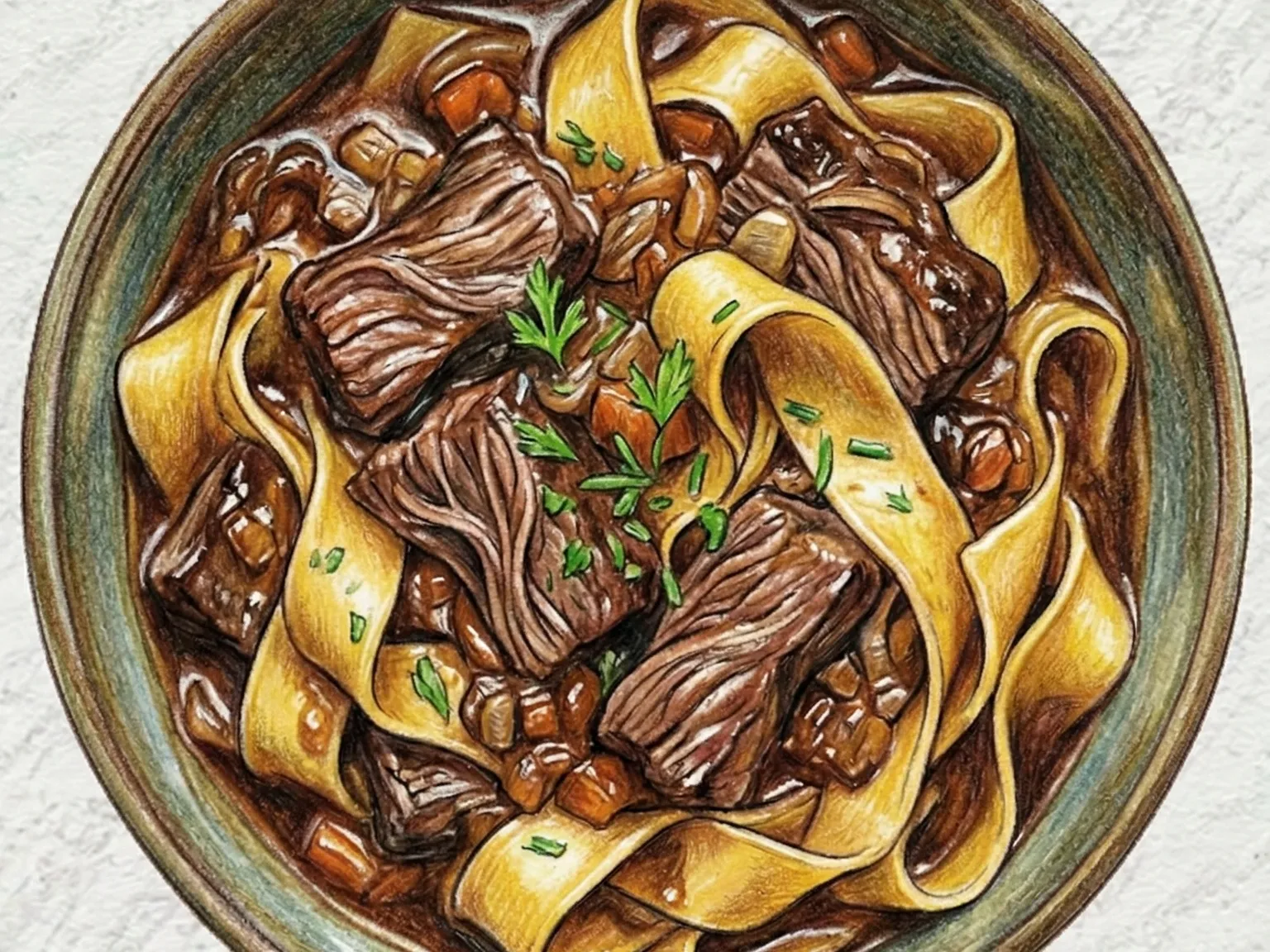
Galbi-jjim lasagna is a fusion dish that layers a Korean-style braised short rib ragu between lasagna sheets with bechamel and mozzarella before baking. The beef short rib is diced and marinated in soy sauce, Asian pear puree, and minced garlic, then sauteed with onion and carrot before simmering in beef stock for twenty-five minutes until the meat becomes fall-apart tender. Asian pear puree acts as a natural enzymatic tenderizer and introduces a subtle fruit sweetness that, combined with the salty depth of soy sauce, reproduces the characteristic sweet-savory balance of traditional galbijjim. The extended simmer reduces the braising liquid into a concentrated, glossy sauce that soaks into every pasta sheet as the lasagna bakes, distributing the Korean umami through each layer. Bechamel moderates the intensity of the soy-based filling and adds a smooth creaminess between layers, while Parmesan crisps on the top surface during baking for textural contrast. The ragu can be prepared in advance, after which assembly and baking take under thirty minutes, making this an impressive centerpiece dish that draws on both Korean and Italian technique.

Prep 35min Cook 55min 4 servings
Recipes by ingredient → onion carrot soy sauce garlic

Instructions

Read the steps as a cooking flow: prep, heat, seasoning, doneness control, and finish.

6 steps
  1. 1
    Season

    Cut 500 g beef short rib meat into small dice and trim away any large tough sinew.

    Toss evenly with 3 tablespoons soy sauce, 3 tablespoons Asian pear puree, and 1 tablespoon minced garlic, then marinate for 20 minutes.

  2. 2
    Control

    Finely dice 150 g onion and 80 g carrot, then cook them in a pot over medium heat for about 3 minutes.

    When the onion turns translucent and the vegetables smell sweet, add the marinated beef.

  3. 3
    Heat

    Raise the heat to high and sear the beef for 2 minutes so the outside cooks quickly.

    Stir often before the soy marinade scorches on the bottom, and cook until the meat looks glossy and browned.

  4. 4
    Control

    Pour in 350 ml beef stock and bring it to a boil, then lower the heat to medium-low.

    Simmer for 25 minutes until the beef separates easily and the sauce reduces to a thick ragu that can hold layers.

  5. 5
    Step

    Spread a thin layer of bechamel on the bottom of the baking dish and lay down 3 lasagna sheets.

    Add ragu and mozzarella, then repeat the same order 3 times, spreading the filling to the edges so there are no dry gaps.

  6. 6
    Control

    Cover the top evenly with the remaining 400 ml bechamel and 40 g Parmesan.

    Bake at 190C for 30 minutes until bubbling and golden, then rest for 10 minutes so the layers set before slicing and plating.

After the steps

Pick a recipe that fits this dish.

Continue with shared ingredients, meal pairings, or a similar method.

Recipes That Go Well With This

More Pasta →

Based on shared ingredients and meal pairing

Perilla Oil Potato Gnocchi with Pancetta
Shared ingredient: onion Pasta

Perilla Oil Potato Gnocchi with Pancetta

Perilla oil potato gnocchi with pancetta dresses soft potato gnocchi in rendered pancetta fat, chicken stock, and butter, finishing with unheated perilla oil to preserve its raw, distinctly nutty fragrance. The pancetta crisps first, and its rendered fat becomes the cooking medium for onion and garlic to build an aromatic base. Boiled gnocchi are tossed in this base with Parmigiano to create a light, glossy emulsified sauce rather than a heavy cream one. Perilla oil goes on at the very end - heating it would destroy the sesame-like aroma that separates this preparation from standard Italian gnocchi. Shredded perilla leaves on top reinforce the Korean element with color and a grassy, herbal note. Total cook time runs about twenty minutes.

Gochujang Beef Ragu Rigatoni
Shared ingredient: onion Pasta

Gochujang Beef Ragu Rigatoni

Gochujang beef ragu rigatoni builds depth in two stages: first, ground beef is seared undisturbed over high heat until a proper crust forms, then gochujang, tomato puree, and red wine are added and the whole pot simmers on medium-low heat for twenty minutes. The browning step is critical and non-negotiable-stirring too early releases steam and moisture from the meat, which prevents crust formation and produces braised ground beef instead of seared. Frying the gochujang in oil for a full minute before adding the tomato puree unlocks its fermented sweetness and blunts the raw edge of the paste; the acidity of the tomato then balances the gochujang's heat naturally. As the red wine reduces, it leaves behind layered fruit notes that add complexity the tomato alone cannot provide. Rigatoni is pulled from the water one minute before al dente and transferred to the sauce pan with a ladle of pasta water; the starch dissolves into the sauce and coats the tubes inside and out with a glossy, cohesive finish. Grated Parmesan stirred in at the end deepens the overall savory character of the ragu.

Yuja Mustard Chicken Naengchae Salad
Serve together Salads

Yuja Mustard Chicken Naengchae Salad

Yuja mustard chicken naengchae salad shreds boiled chicken breast along the grain and tosses it with julienned cucumber, Korean pear, bell pepper, and cabbage in a dressing of yuja marmalade, Korean mustard paste, vinegar, and sesame oil. Soaking the chicken breast in lightly salted water for ten minutes before boiling helps the muscle fibers retain moisture, keeping the shredded meat tender rather than dry. The yuja marmalade brings a bright citrus fragrance, and the Korean mustard delivers a sharp, nasal heat - vinegar binds these two strong personalities into a cohesive dressing. Slicing the pear just before serving preserves its juice and crisp sweetness. Adding two-thirds of the dressing first, then tasting and adjusting, prevents the acidity from overwhelming the delicate balance of the salad.

Deulkkae Mushroom Lasagna Bianca
Similar recipe Pasta

Deulkkae Mushroom Lasagna Bianca

Deulkkae mushroom lasagna bianca layers sauteed button and oyster mushrooms coated in perilla seed powder between lasagna sheets, baking without traditional bechamel into a white lasagna with a distinctly Korean character. The mushrooms must be cooked in small batches over high heat - loading too many at once causes them to steam in their own liquid instead of browning, which loses both color and chew. Ground perilla seeds replace cream as the source of richness: they contribute a dense, nutty weight that fills the layers without dairy fat, and their flavor sits closer to toasted sesame and walnut than to any herb. That nuttiness locks onto the earthy quality of mushrooms in a way that differs noticeably from a standard bechamel-based lasagna. Mozzarella and Parmigiano bind the layers together and develop a golden crust across the top during baking. The lasagna needs to rest for at least ten minutes after it comes out of the oven so the layers compress and each slice cuts cleanly without falling apart.

Serve with this

Korean Fish Cake Soup (Clear Anchovy Radish Broth)
Drinks Easy

Korean Fish Cake Soup (Clear Anchovy Radish Broth)

Eomuk-tang is a Korean fish cake soup in which skewered fish cakes and thick radish slices simmer in a clear broth built from dried anchovies and kelp. The kelp must be removed the moment the water begins to boil, otherwise it releases a slimy texture that clouds the broth. Cutting the radish thick allows it to slowly release natural sweetness over the long simmer. Rinsing the fish cakes in hot water before adding them washes away surface oil and keeps the broth clear and clean. Soup soy sauce adjusts the seasoning, and green onion and black pepper finish the pot. Adding the radish before the fish cakes ensures it has enough time to fully soften and sweeten the broth, since it takes longer than the eomuk to cook through.

🍺 Bar Snacks 🥗 Light & Healthy
Prep 15min Cook 25min 4 servings
Salted Doenjang Caramel Cookies
Baking Hard

Salted Doenjang Caramel Cookies

These unique cookies combine the rich umami of Korean fermented soybean paste, doenjang, with the sweetness of a brown sugar caramel dough. To prepare them, white sugar and heavy cream are heated to create a smooth caramel glaze. This mixture is cooled and combined with creamed butter, brown sugar, egg, and a small portion of strained doenjang, keeping the paste to about one or two percent of the total dough weight to ensure a subtle flavor. The dry ingredients are gently folded in before the dough is portioned into small balls and chilled for twenty minutes to control spreading during baking. Baking at 180 degrees Celsius results in cookies with crisp, toffee-like rims and soft, chewy centers. Pressing the centers slightly after baking enhances the texture. These treats offer a complex balance of sweet, salty, and savory notes that pair exceptionally well with espresso.

🎉 Special Occasion 🧒 Kid-Friendly
Prep 25min Cook 14min 4 servings
Beef Carpaccio
Western Medium

Beef Carpaccio

Beef carpaccio is a Venetian appetizer of raw beef tenderloin sliced paper-thin after brief freezing, laid out across a chilled plate in a single even layer, and finished with extra virgin olive oil, fresh lemon juice, and shaved Parmesan. Served completely raw, the tenderloin's clean, mild flavor and butter-soft texture come through without any interference from heat. The grassy richness of olive oil coats each slice evenly, lemon juice sharpens the palate with bright acidity, and Parmesan adds a salty depth that rounds out the plate. A handful of peppery arugula placed on top sets a bitter-green edge against the mild meat, adding a layer of complexity to what is essentially the simplest possible approach to preparing beef.

🍺 Bar Snacks 🎉 Special Occasion
Prep 20min 2 servings

Similar recipes

Kimchi Garlic Butter Shrimp Spaghetti
Pasta Easy

Kimchi Garlic Butter Shrimp Spaghetti

Kimchi garlic butter shrimp spaghetti is an oil-based pasta where garlic browned in butter and fermented kimchi together amplify the natural sweetness of shrimp. The shrimp are seared first in olive oil to build fond on the pan, then garlic and chopped kimchi go into the same pan to absorb those flavors. Butter and starchy pasta water are emulsified into a glossy, light coating rather than a heavy sauce. Gochugaru provides a gentle background heat, and a squeeze of lemon at the end lifts the richness. Sliced scallions finish the dish with color and a mild onion note.

🍺 Bar Snacks 🏠 Everyday
Prep 12min Cook 18min 2 servings
Korean Soy-Glazed Pork Back Ribs
Grilled Medium

Korean Soy-Glazed Pork Back Ribs

Dwaeji-deunggalbi ganjang-gui is a Korean soy-glazed pork back rib dish where thick cuts attached to the spine bone are coated in a glaze of dark soy sauce, honey, garlic, and ginger juice, then slow-roasted in an oven or grill. The thick meat requires at least two hours of refrigerated marination so the salt from the soy sauce and sweetness from the honey penetrate close to the bone, and during cooking the sugars in the glaze caramelize into a glossy, dark-brown crust. A two-stage cooking method defines the final texture: forty minutes covered at 180 degrees Celsius to cook the meat through completely, then ten minutes uncovered at higher heat to crisp the surface without drying out the interior. Ginger juice is not a replaceable ingredient here - it neutralizes the pork's gamey undertones, and leaving it out throws off the flavor balance noticeably. The ribs are eaten by pulling the meat from between the bones by hand, which makes them well suited as an anju - a drinking side dish - alongside beer or soju.

🍺 Bar Snacks 🎉 Special Occasion
Prep 25min Cook 35min 4 servings
Korean Braised Short Rib Rice Bowl
Rice Medium

Korean Braised Short Rib Rice Bowl

Galbi deopbap is a Korean rice bowl topped with beef short ribs slow-braised in a soy, sugar, and grated Asian pear marinade until the connective tissue dissolves and the meat separates from the bone at the lightest touch. Grated pear serves a dual purpose in the braise: the enzymes break down tough muscle fibers while the juice introduces a gentle fruit sweetness that sets the dish apart from heavier, wine-based braises. Grated onion dissolves completely into the braising liquid over the long simmer, deepening the savory foundation without leaving visible pieces. As the liquid reduces over one hour or more, it transforms into a dark, glossy sauce that coats the ribs and drips down onto the rice below. Spooning the sauce generously over the steamed rice allows each grain to absorb the soy-sweet glaze from the bottom up, making the rice itself as flavorful as the meat. Despite the long cooking time, the dish demands minimal active attention because the braise works inside the pot without stirring. Scattered sliced green onion on top provides a crisp, fresh contrast against the richness of the braised ribs.

🎉 Special Occasion
Prep 20min Cook 90min 2 servings

Tips

Resting is essential; slicing too early will make it collapse.
Keep the ragu thick so layers hold firmly.

Nutrition (per serving)

Calories
890
kcal
Protein
45
g
Carbs
58
g
Fat
50
g