Kimchi Tofu Alfredo Farfalle (Creamy Kimchi Bow-Tie Pasta)
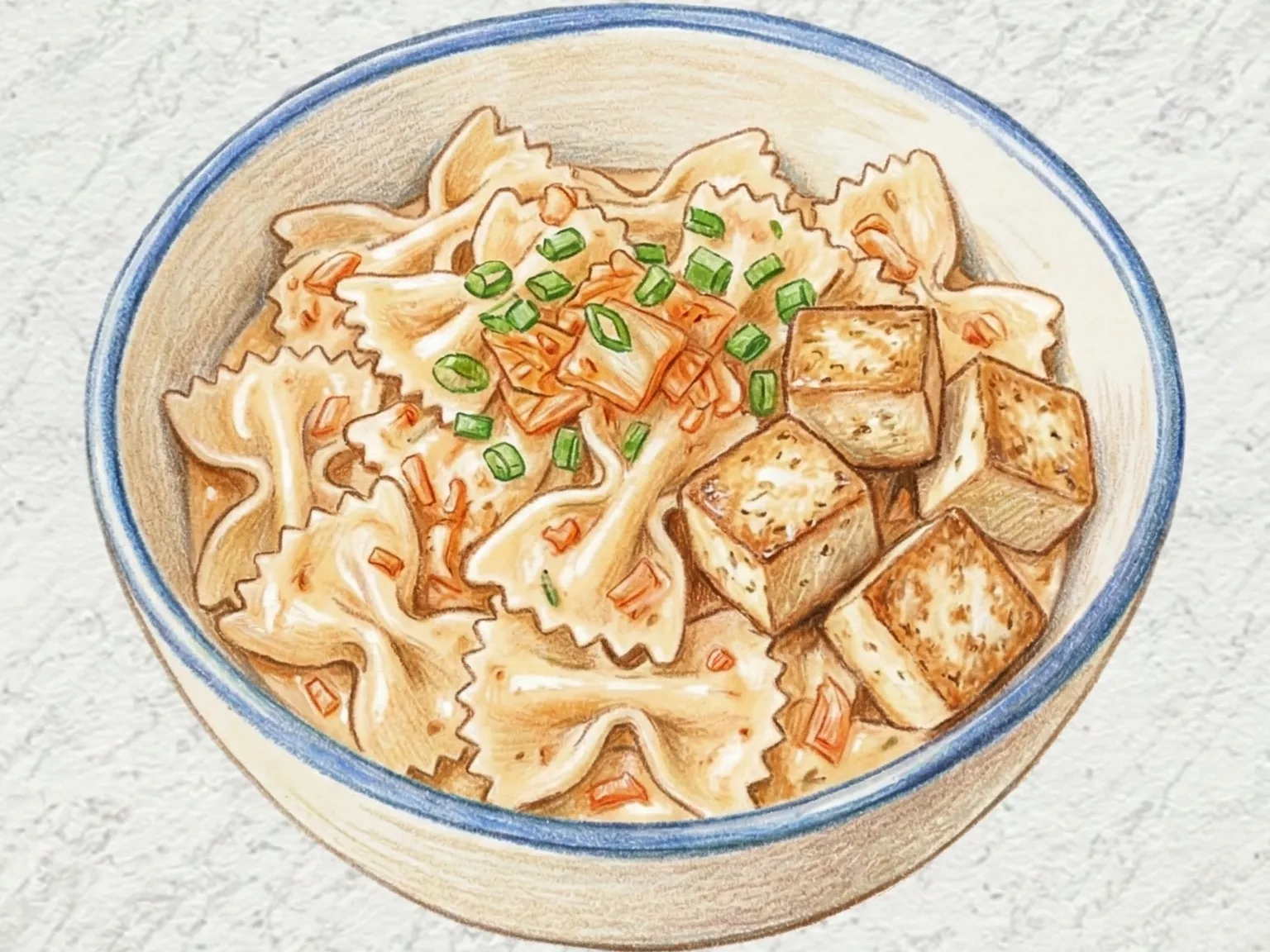
Kimchi tofu Alfredo farfalle offsets a rich cream-and-Parmesan Alfredo sauce with the lactic tang of well-fermented kimchi. Garlic is bloomed in butter before cream, milk, and Parmigiano are combined into the classic Alfredo base, then chopped kimchi is stirred in to inject acidity and fermented complexity. Firm tofu, cut into cubes and pan-fried until golden on each side, adds a mild protein element with textural contrast against the smooth sauce. Farfalle's pinched center traps pockets of sauce, and black pepper provides a sharp finish. The entire dish takes about 15 minutes from pot to plate.
Adjust Servings
Instructions
- 1
Lightly squeeze and chop kimchi; pat tofu dry and cut into small cubes.
- 2
Cook farfalle in salted water until al dente, reserving 3/4 cup pasta water.
- 3
Melt olive oil and butter, sauté garlic, then cook kimchi until excess moisture evaporates.
- 4
Add tofu and sear lightly, then pour in cream and milk and bring to a gentle simmer.
- 5
Stir in Parmesan, then toss with pasta and pasta water to reach a silky consistency.
- 6
Finish with black pepper, toss for 1 more minute, and serve immediately.
As an Amazon Associate, we may earn from qualifying purchases.
Tips
Nutrition (per serving)
More Recipes

Kkaennip Mushroom Cream Farfalle
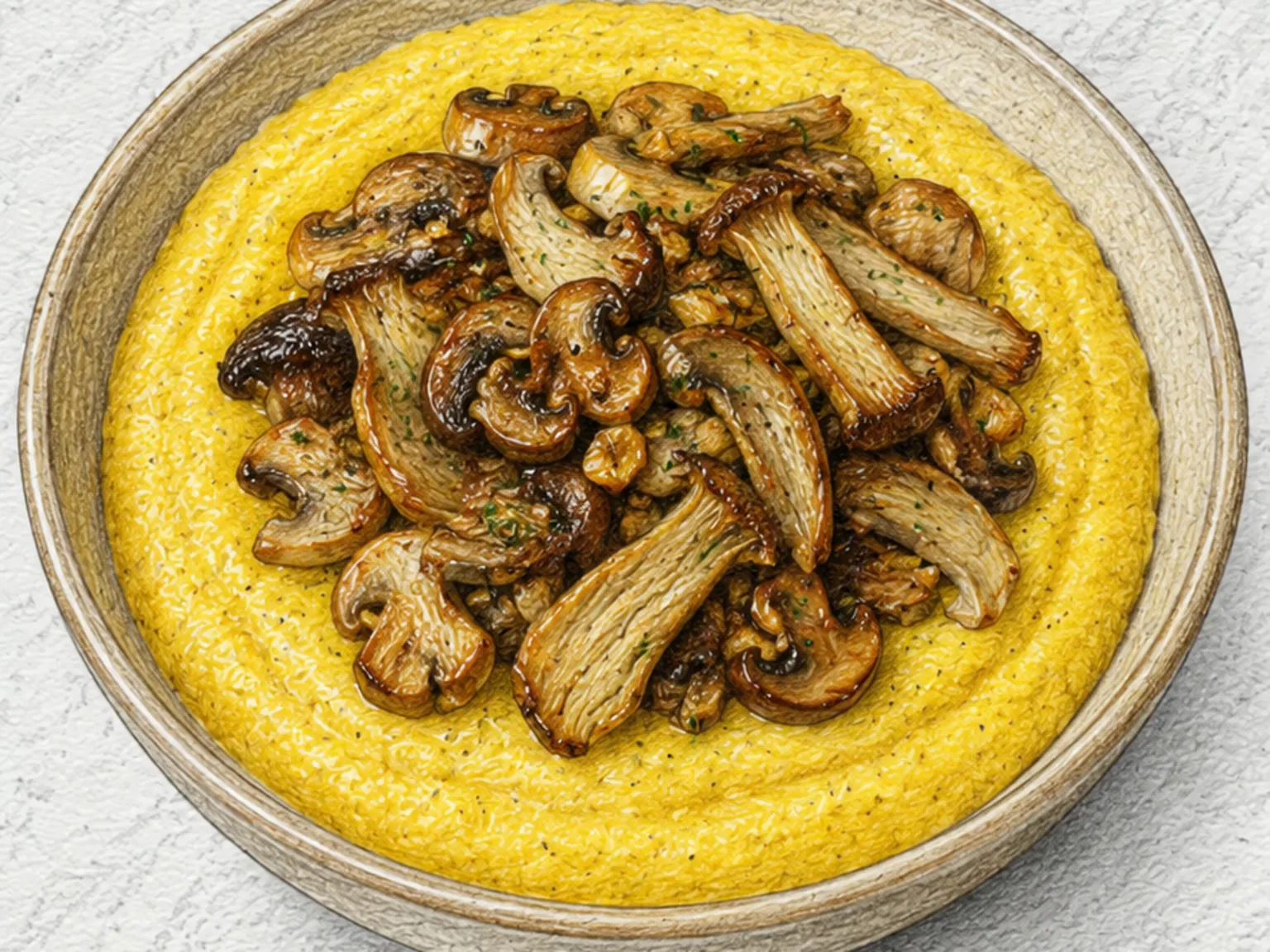
Kkaennip mushroom cream farfalle brings together sliced button mushrooms and fresh perilla leaves in a cream sauce over bow-tie pasta. The mushrooms are sautéed in olive oil until their moisture evaporates and their flavor concentrates, with onion and garlic forming the aromatic base. Heavy cream is added to build the sauce, and shredded perilla leaves go in at the end so they wilt slightly while retaining their distinctive herbal fragrance - a scent entirely different from basil or mint, closer to a sesame-leaf grassiness. Parmesan adds salt and depth, and farfalle's textured surface holds the sauce effectively across each piece.

Myeongran Lemon Cream Fettuccine
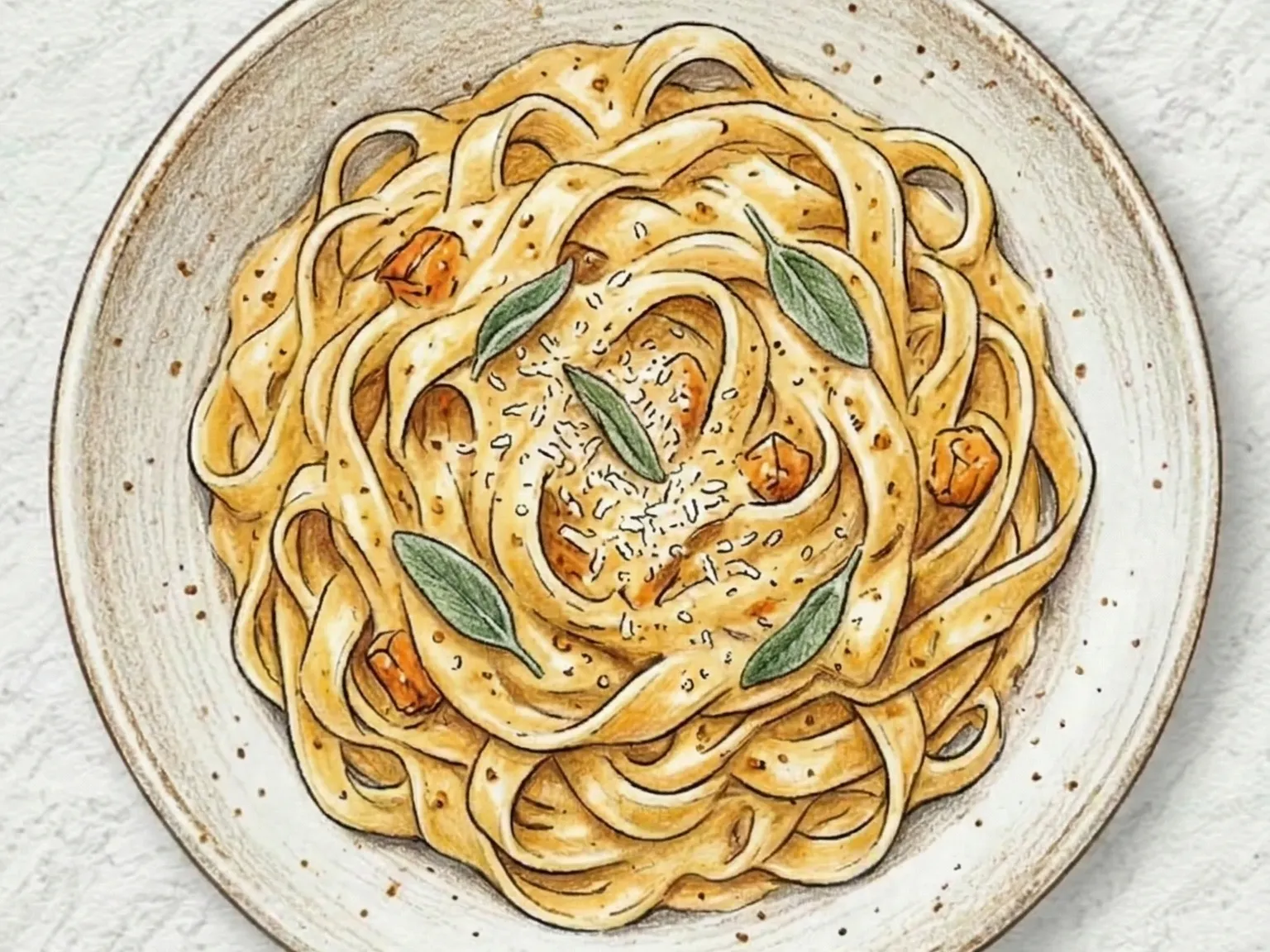
Myeongran lemon cream fettuccine coats wide pasta ribbons in a sauce built from salted pollock roe (myeongran), heavy cream, butter, and lemon zest. The roe is mixed into the sauce off the heat so its small eggs stay intact and pop with briny flavor when bitten. Garlic bloomed in butter provides the aromatic base, and cream with milk tempers the roe's saltiness into a balanced, smooth coating. Lemon zest - not juice - adds citrus fragrance without thinning the sauce or adding acidity. Parmigiano-Reggiano deepens the savory layer, and the broad fettuccine surface holds the thick cream effectively. The dish takes about 20 minutes, with the critical step being the off-heat incorporation of roe to prevent it from hardening.

Kimchi Garlic Butter Shrimp Spaghetti
Kimchi garlic butter shrimp spaghetti is an oil-based pasta where garlic browned in butter and fermented kimchi together amplify the natural sweetness of shrimp. The shrimp are seared first in olive oil to build fond on the pan, then garlic and chopped kimchi go into the same pan to absorb those flavors. Butter and starchy pasta water are emulsified into a glossy, light coating rather than a heavy sauce. Gochugaru provides a gentle background heat, and a squeeze of lemon at the end lifts the richness. Sliced scallions finish the dish with color and a mild onion note.

Gochujang Beef Ragu Rigatoni
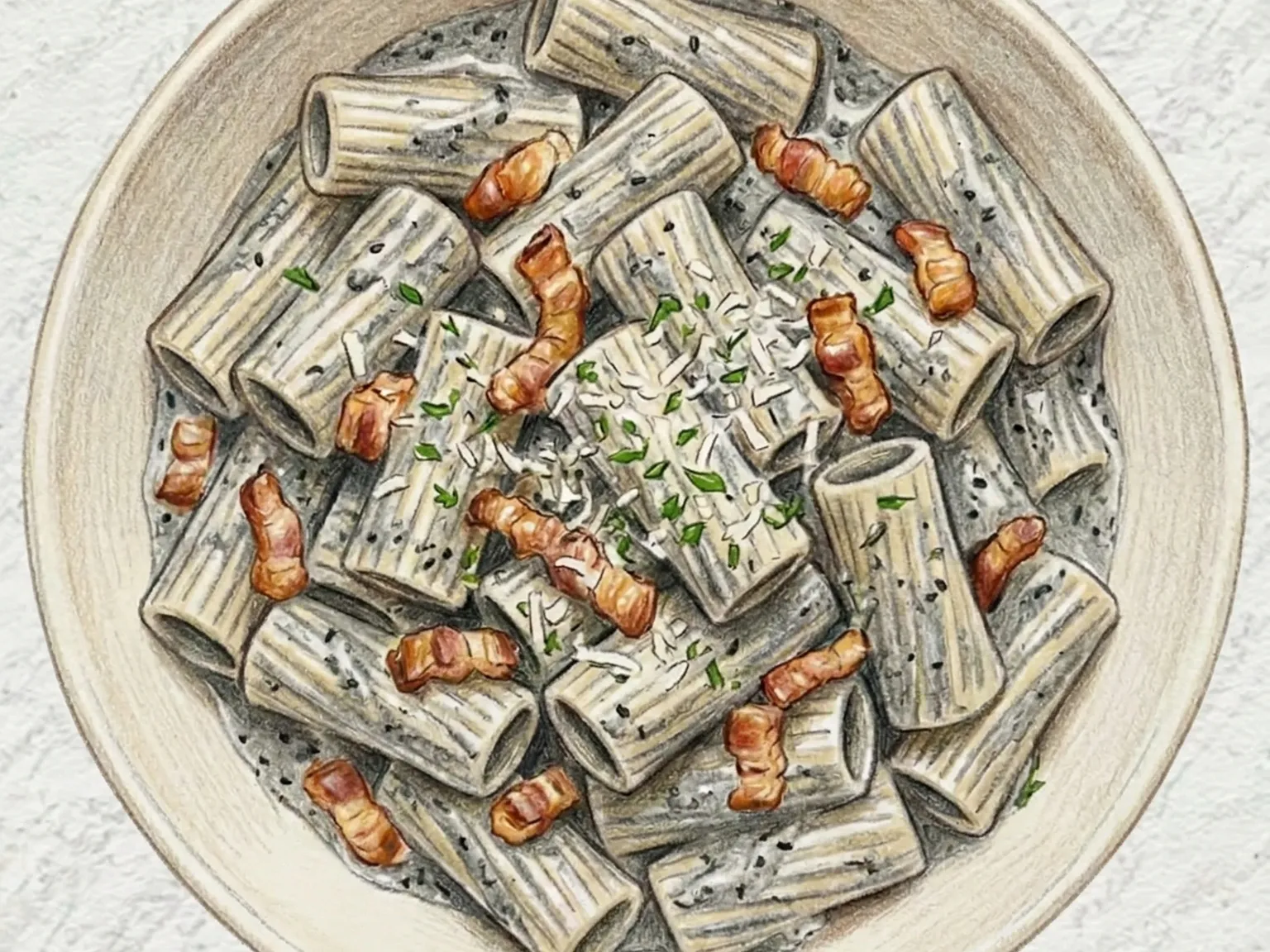
Gochujang beef ragu rigatoni sears ground beef hard over high heat to develop a deep browned crust, then adds gochujang and tomato puree with red wine for a twenty-minute simmer on medium-low heat. Leaving the beef undisturbed in the pan until a crust forms is essential - stirring too early releases moisture and prevents browning. Frying the gochujang in oil for one minute draws out its sweet fermented umami, which pairs naturally with the tomato's acidity. The red wine reduces and leaves behind a fruity complexity that layers into the ragu's depth. Rigatoni is boiled one minute short of al dente, then finished in the sauce pan with pasta water so the starch integrates into the sauce and coats the tubes both inside and out with a glossy, clinging finish.

Korean Kimchi Bulgogi Udon
Kimchi bulgogi udon is a Korean stir-fried noodle dish that combines fermented kimchi's sharp tang with thinly sliced beef marinated in a sweet soy-based bulgogi seasoning. The beef is seared quickly over high heat, then onion and kimchi join the pan and cook until their moisture evaporates, concentrating flavor. A sauce of soy sauce, gochujang, and sugar goes in next, followed by briefly blanched udon noodles that get tossed on high heat for one to two minutes until every strand is coated. The thick, round udon holds the bold sauce well, and a final burst of heat gives the dish a hint of smoky wok char. If the kimchi runs very sour, an extra half-teaspoon of sugar brings the flavor back into balance.

Korean Cream Tteokbokki (Chewy Rice Cake in Cream Butter Sauce)
Cream tteokbokki simmers chewy rice cake sticks in a sauce built from heavy cream, milk, and butter. Onions are sauteed in butter first to develop sweetness, then cream and milk go in to form a thick, coating sauce before the rice cakes are added and stirred for seven to eight minutes over medium-low heat. A finishing dusting of parmesan cheese adds a salty, savory edge that balances the richness of the cream. With no gochujang or chili in sight, the dish leans closer to a cream pasta in flavor profile, making it the go-to tteokbokki variation for those who prefer no heat at all.