Soy Galbi Ragu Pappardelle
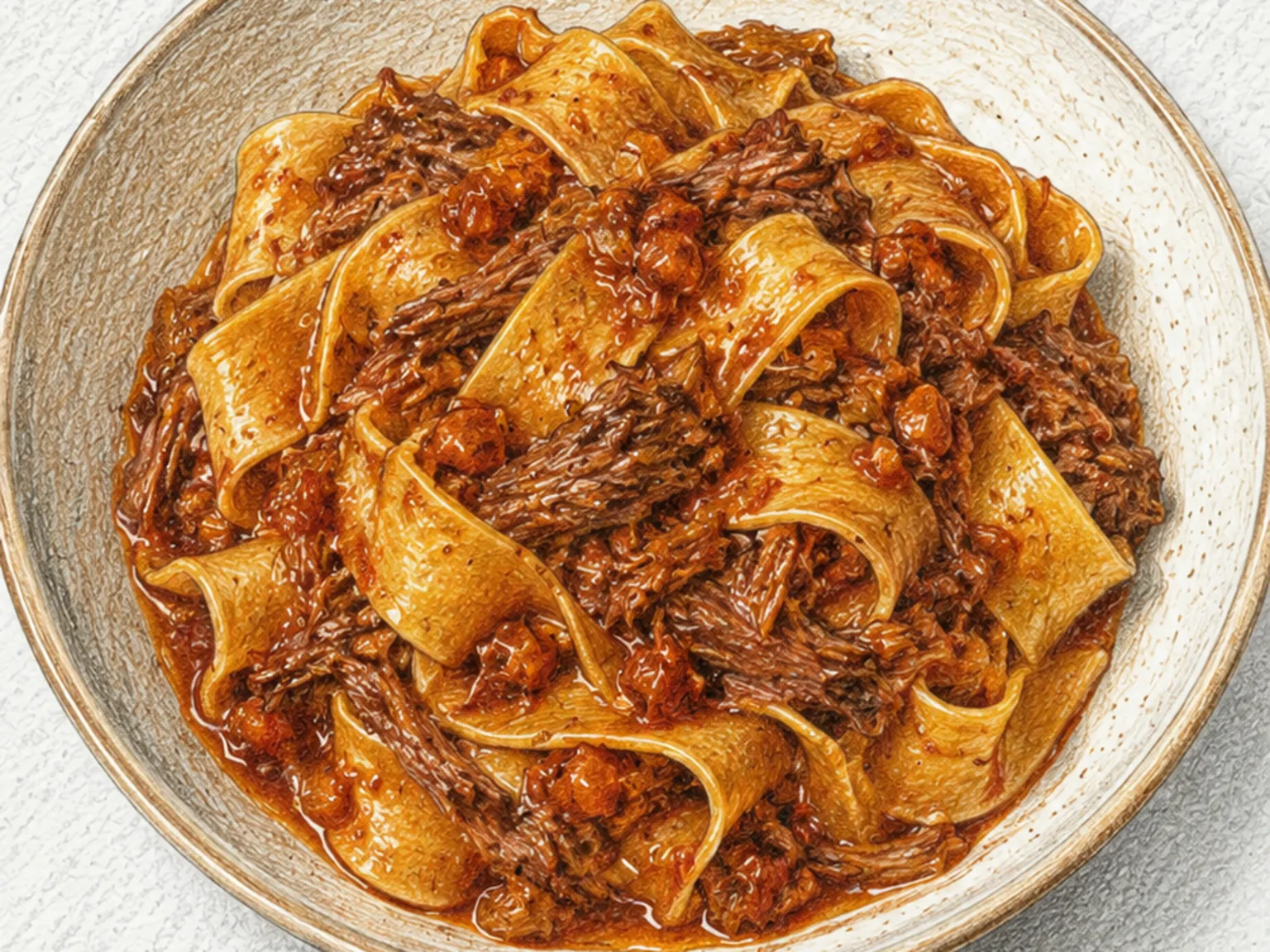
Soy galbi ragu pappardelle braises seared short rib with aromatics, red wine, and soy sauce for 90 minutes until the meat falls apart into a rich, gelatinous ragu. The long braise dissolves the collagen in the short rib, giving the sauce a silky body that clings to the wide pappardelle ribbons. A soffritto of onion, carrot, and celery provides the sweet base, while canned whole tomatoes and tomato paste add acidity and thickness. Soy sauce - rather than just salt - introduces fermented depth that distinguishes this from a standard Bolognese, and red wine contributes tannin and fruit complexity. Parmigiano-Reggiano grated on top ties the Italian and Korean elements together. This is a weekend dish, with most of the 90-minute cook time being passive braising.
Adjust Servings
Instructions
- 1
Cut short rib meat into 3 cm pieces and finely dice onion, carrot, and celery.
- 2
Heat olive oil in a heavy pot and sear the beef over high heat until browned.
- 3
Add vegetables and cook for 8 minutes to develop sweetness, then stir in tomato paste.
- 4
Deglaze with red wine, scraping browned bits, and reduce by half.
- 5
Add tomatoes, soy sauce, and bay leaf, then simmer gently for at least 60 minutes.
- 6
Shred the beef with a spatula, adjust sauce thickness, and season to taste.
- 7
Cook pappardelle, toss with the ragu, and finish with Parmigiano.
As an Amazon Associate, we may earn from qualifying purchases.
Tips
Nutrition (per serving)
More Recipes

Gochujang Beef Ragu Rigatoni
Gochujang beef ragu rigatoni sears ground beef hard over high heat to develop a deep browned crust, then adds gochujang and tomato puree with red wine for a twenty-minute simmer on medium-low heat. Leaving the beef undisturbed in the pan until a crust forms is essential - stirring too early releases moisture and prevents browning. Frying the gochujang in oil for one minute draws out its sweet fermented umami, which pairs naturally with the tomato's acidity. The red wine reduces and leaves behind a fruity complexity that layers into the ragu's depth. Rigatoni is boiled one minute short of al dente, then finished in the sauce pan with pasta water so the starch integrates into the sauce and coats the tubes both inside and out with a glossy, clinging finish.

Chunjang Beef Ragu Tagliatelle
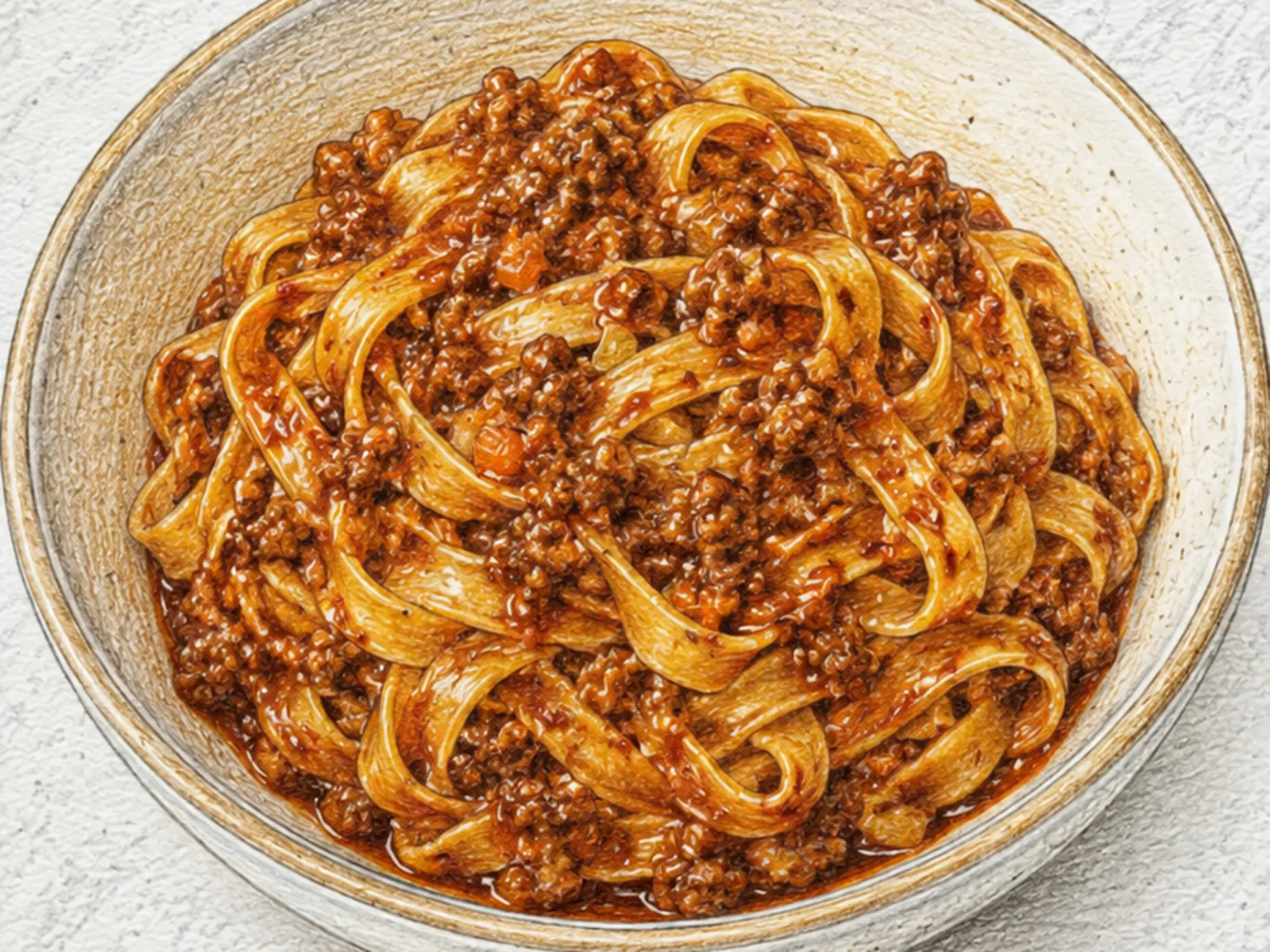
Chunjang beef ragu tagliatelle combines a slow-cooked ground beef ragu with Korean black bean paste and tomato passata, tossed through wide tagliatelle ribbons. Chunjang is a fermented black soybean paste that, when fried, releases a deep roasted umami that adds a flavor dimension absent from standard Italian ragus. Browning the ground beef hard over high heat before adding liquids develops a strong Maillard crust that intensifies the overall meatiness. The sauce then simmers on low heat until it reduces into a thick, glossy coating. Wide tagliatelle catches the dense ragu across its broad surface, ensuring each forkful carries both the tomato-chunjang depth and bits of seasoned beef.

Kkaennip Mushroom Cream Farfalle
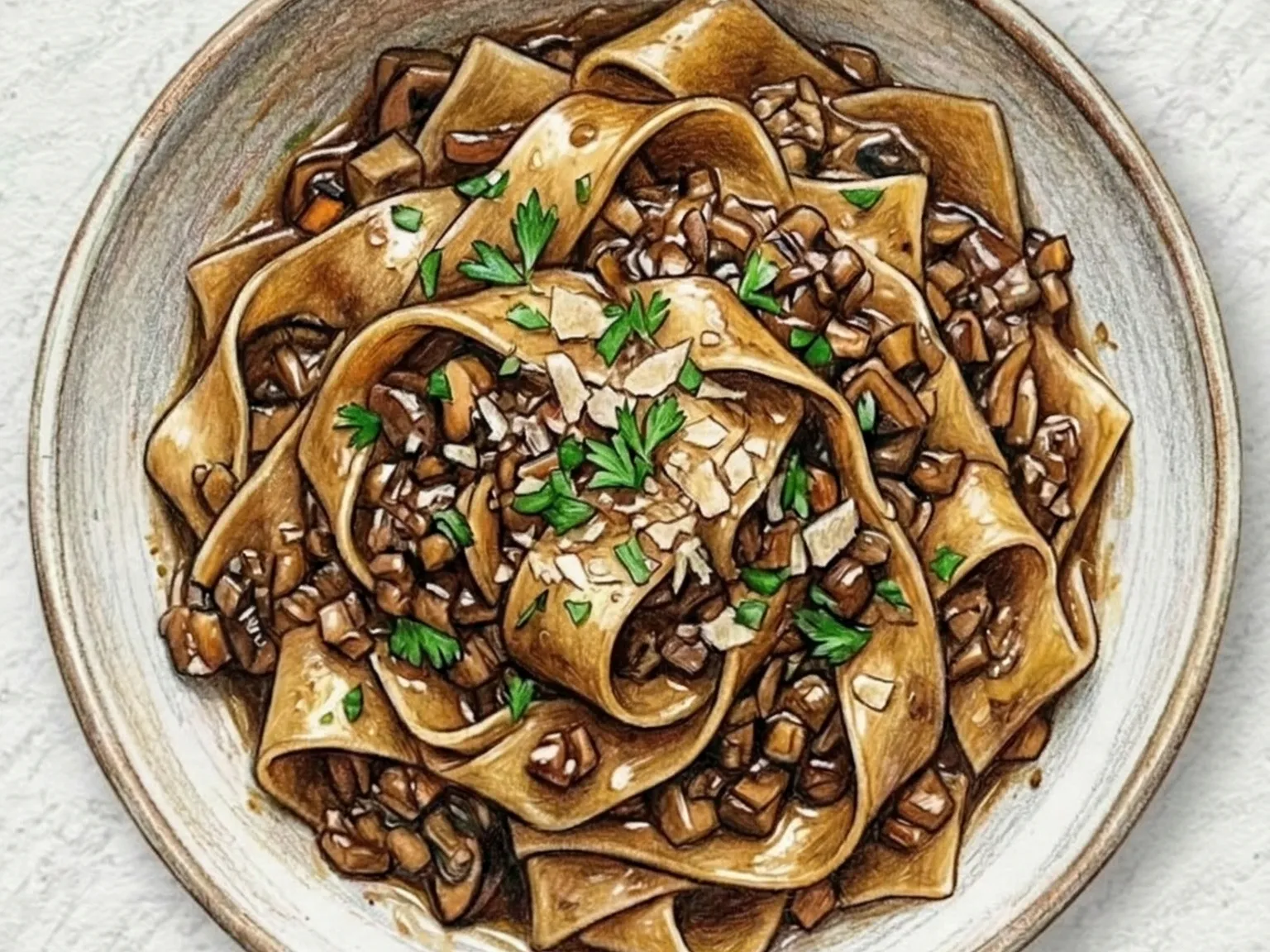
Kkaennip mushroom cream farfalle brings together sliced button mushrooms and fresh perilla leaves in a cream sauce over bow-tie pasta. The mushrooms are sautéed in olive oil until their moisture evaporates and their flavor concentrates, with onion and garlic forming the aromatic base. Heavy cream is added to build the sauce, and shredded perilla leaves go in at the end so they wilt slightly while retaining their distinctive herbal fragrance - a scent entirely different from basil or mint, closer to a sesame-leaf grassiness. Parmesan adds salt and depth, and farfalle's textured surface holds the sauce effectively across each piece.

Myeongran Lemon Cream Fettuccine
Myeongran lemon cream fettuccine coats wide pasta ribbons in a sauce built from salted pollock roe (myeongran), heavy cream, butter, and lemon zest. The roe is mixed into the sauce off the heat so its small eggs stay intact and pop with briny flavor when bitten. Garlic bloomed in butter provides the aromatic base, and cream with milk tempers the roe's saltiness into a balanced, smooth coating. Lemon zest - not juice - adds citrus fragrance without thinning the sauce or adding acidity. Parmigiano-Reggiano deepens the savory layer, and the broad fettuccine surface holds the thick cream effectively. The dish takes about 20 minutes, with the critical step being the off-heat incorporation of roe to prevent it from hardening.

Korean Tomato Beef Rib Stew
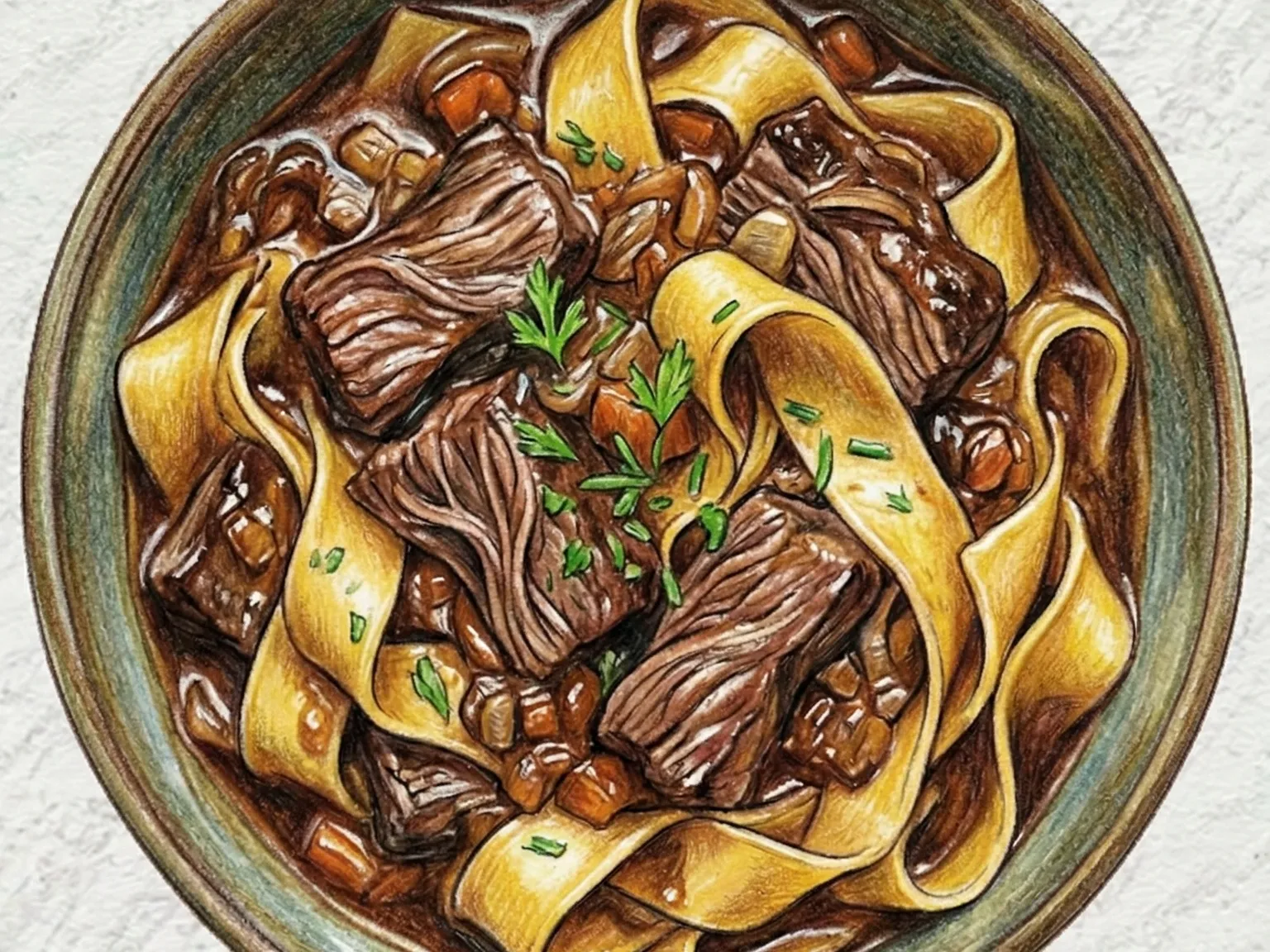
This fusion-style stew pairs beef short ribs with ripe tomatoes in a broth seasoned with gochujang and gochugaru. The ribs are simmered until the broth is deeply infused with beefy richness, and the tomatoes break down to add natural acidity and sweetness. Potato chunks cook until fluffy, lending substance, while onion rounds out the broth's sweetness. The combination of soy sauce and chili paste with tomato's brightness creates a flavor that feels both novel and familiar.

Korean Kimchi Bulgogi Udon
Kimchi bulgogi udon is a Korean stir-fried noodle dish that combines fermented kimchi's sharp tang with thinly sliced beef marinated in a sweet soy-based bulgogi seasoning. The beef is seared quickly over high heat, then onion and kimchi join the pan and cook until their moisture evaporates, concentrating flavor. A sauce of soy sauce, gochujang, and sugar goes in next, followed by briefly blanched udon noodles that get tossed on high heat for one to two minutes until every strand is coated. The thick, round udon holds the bold sauce well, and a final burst of heat gives the dish a hint of smoky wok char. If the kimchi runs very sour, an extra half-teaspoon of sugar brings the flavor back into balance.