Galbitang (Clear Korean Beef Short Rib Soup)
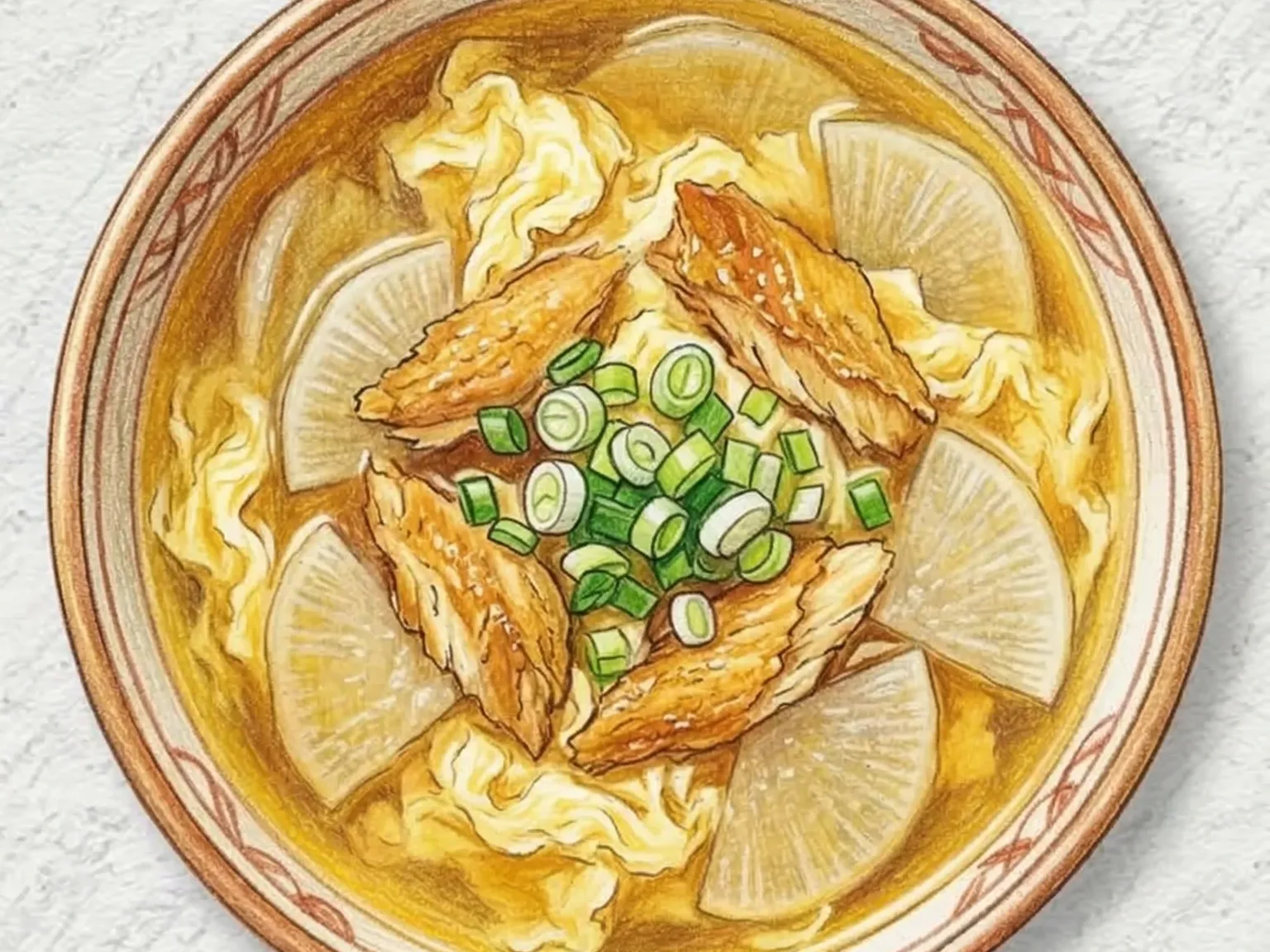
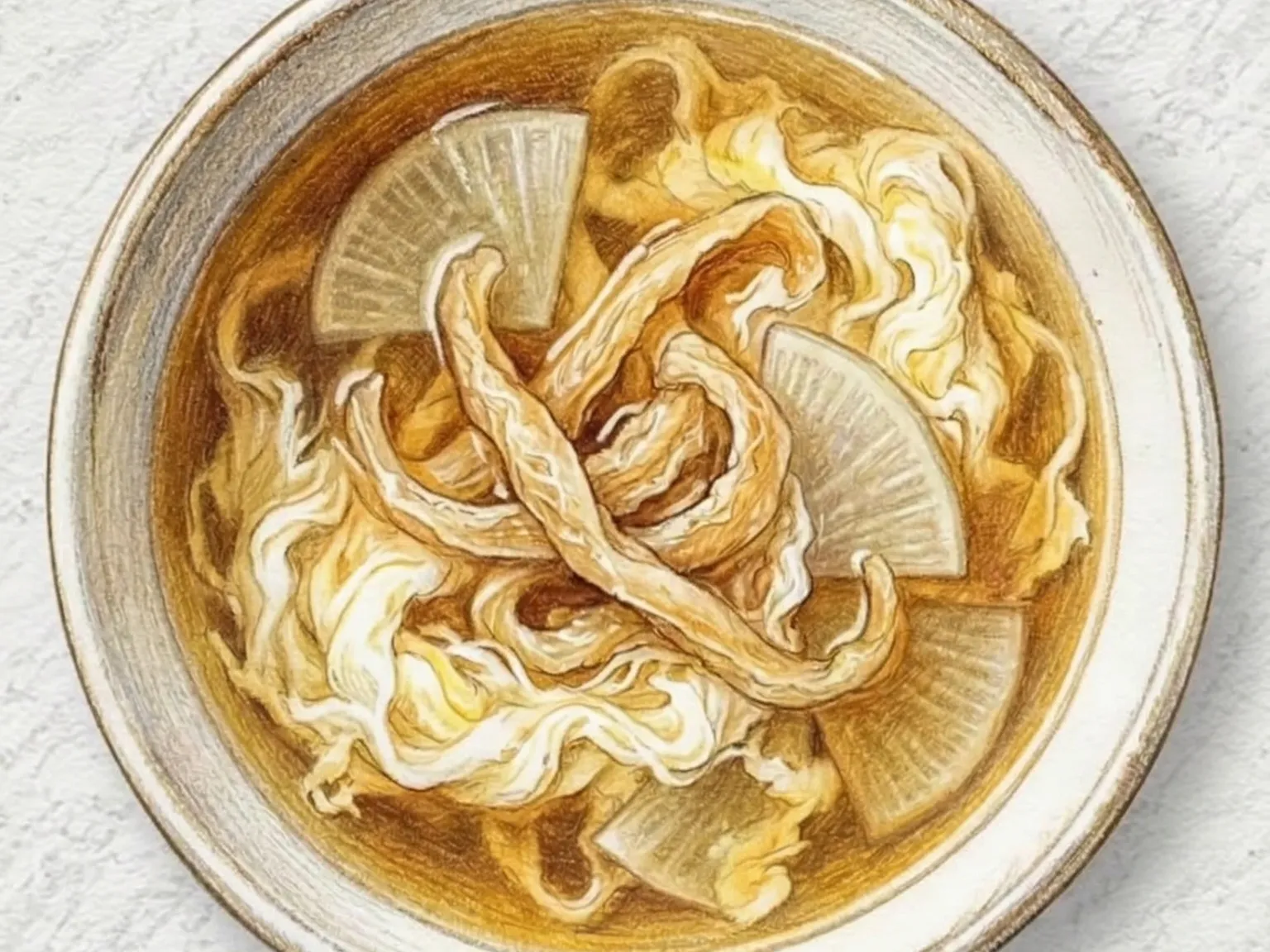
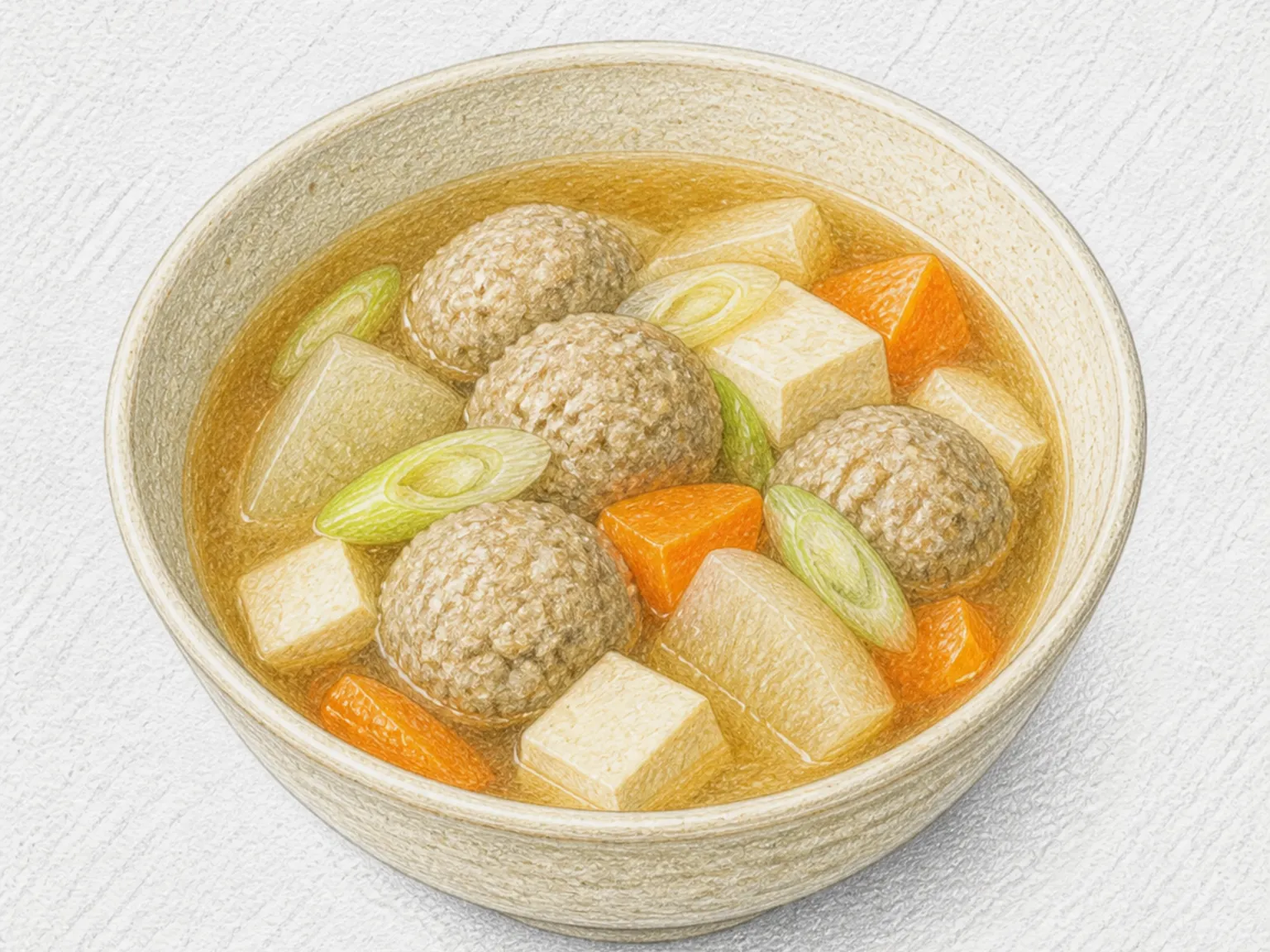
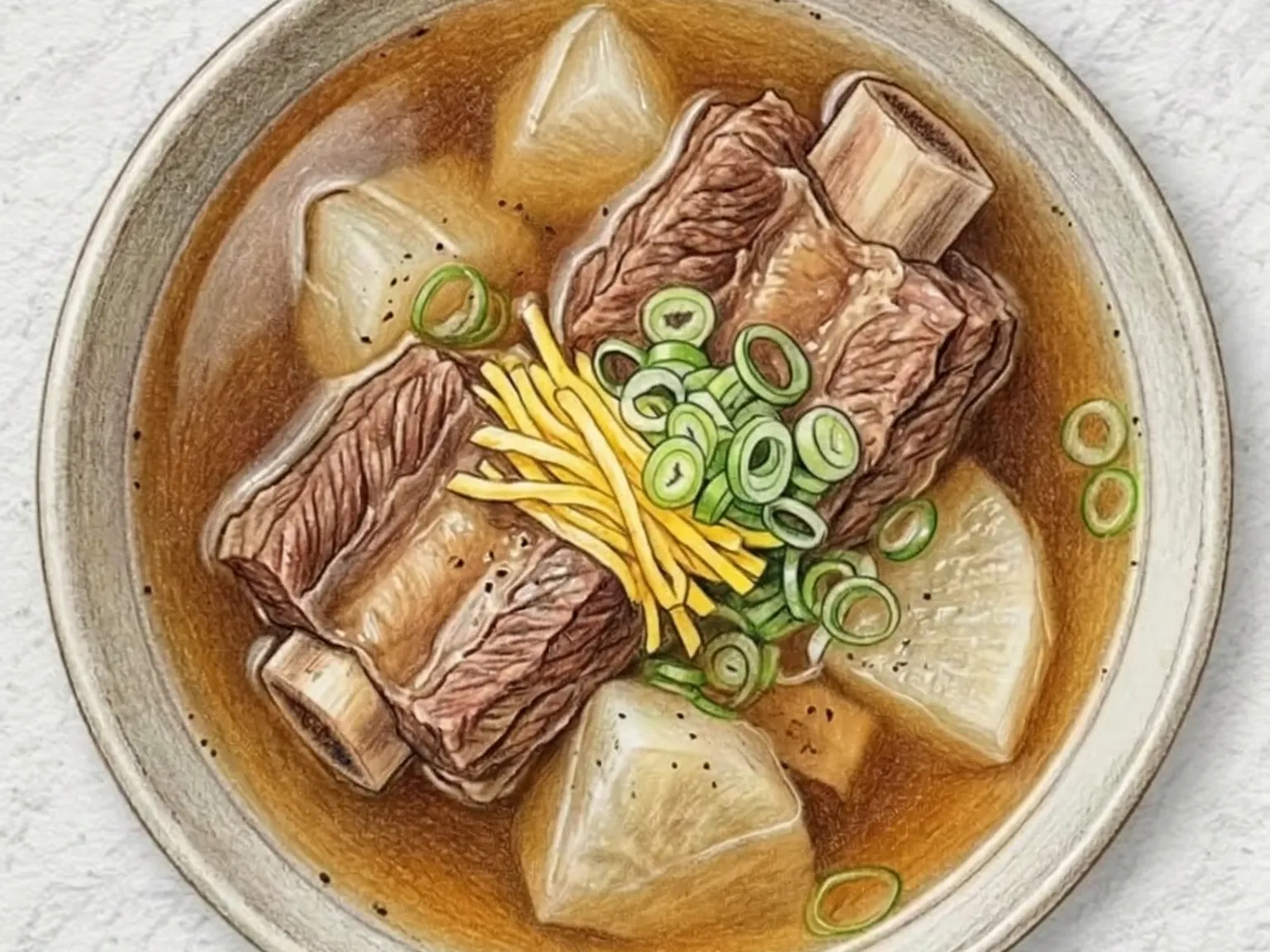
Galbitang is a clear Korean soup made by simmering beef short ribs in water with radish, garlic, and green onion until the broth develops a deep, beefy depth without becoming cloudy. Unlike the milky-white seolleongtang, galbitang keeps its broth relatively translucent, letting the natural fat from the ribs contribute a subtle richness rather than heavy opacity. The radish cooks down and sweetens the liquid, and the rib meat turns so soft it falls away from the bone with gentle pressure from chopsticks. Seasoning is traditionally minimal - salt and black pepper at the table - so the honest flavor of the beef stands front and center. A garnish of egg strip and sliced green onion adds color and freshness. Galbitang is comfort food for cold evenings and a staple in Korean restaurants year-round, served steaming hot with a bowl of rice on the side.
Adjust Servings
Instructions
- 1
Soak 800g short ribs in cold water for 1 hour to remove blood, changing water 2-3 times.
- 2
Blanch ribs in boiling water for 5 minutes to remove impurities, then rinse in cold water.
- 3
Place ribs in a large pot with 2.5L water, 1 green onion, and 6 garlic cloves. Bring to a boil.
- 4
Skim foam, reduce to medium-low, and simmer 1.5-2 hours until meat is tender.
- 5
Add 200g radish cut into large pieces and simmer 20 more minutes.
- 6
Season with 2 tbsp soup soy sauce, salt, and pepper. Garnish with shredded green onion and egg strip.
As an Amazon Associate, we may earn from qualifying purchases.
Tips
Nutrition (per serving)
More Recipes

Korean Short Rib and Octopus Soup
Galnak-tang bridges land and sea by combining beef short ribs with fresh octopus in a single broth. The ribs go in first, simmering for an hour or more until the water draws out a concentrated beefy stock. Octopus is added near the end to prevent it from turning rubbery, leaving the tentacles tender and springy. Radish slices help balance the richness with a clean, mild sweetness. The resulting soup carries two distinct layers of umami - the deep, fatty depth of beef and the briny brightness of seafood - that somehow complement rather than clash. In Korean food culture, galnak-tang is considered a stamina-building dish, often ordered during the hot summer months or the morning after a night of drinking. The two proteins look striking together in the bowl, with dark braised rib meat sitting beside the curled, rosy-white octopus.

Gomtang (Slow-Simmered Ox Bone Beef Soup)
Gomtang is a quintessential Korean bone soup made by simmering beef leg bones and brisket in water for five to six hours or longer until the broth turns opaque and milky white. The prolonged cooking extracts collagen, marrow, and fat from the bones, giving the liquid a luxuriously creamy texture and a deep beefy flavor that needs only salt and pepper to taste complete. The brisket is removed partway through, sliced thin against the grain, and placed back atop the steaming broth for serving. Green onion and a generous shake of black pepper cut through the richness. The most common way to eat gomtang is with a bowl of rice submerged directly into the soup, letting the grains soak up the milky broth. This is slow food in the truest sense - the hours of effort yield a pot that can feed a family for two days - and remains one of the dishes Koreans crave most when the temperature drops.

Korean Ox Bone Soup (Milky Slow-Simmered Beef Bone Broth)
Seolleongtang is one of Korea's oldest and most revered soups, made by boiling ox bones and beef brisket for six to eight hours until the broth turns opaque, milky white. The bones are soaked for at least two hours and blanched once to purge impurities before the real simmering begins. Over the course of half a day at a gentle boil, marrow and collagen dissolve into the water, creating a broth with a heavy, almost creamy mouthfeel and a deep, bovine savoriness that no shortcut can replicate. The brisket is pulled out after two hours, sliced thin, and placed on top of the soup as garnish. By tradition, the broth arrives at the table unseasoned - each diner adds salt, pepper, and sliced green onion to taste, a custom that underscores how the flavor of the broth itself is expected to carry the bowl. Rice or thin wheat noodles are added directly to the soup, soaking up the rich liquid.

Korean Braised Short Ribs
Galbi-jjim is one of Korea's most celebrated braised dishes, built on thick-cut beef short ribs that simmer for over an hour in a glaze of soy sauce, Asian pear juice, sugar, garlic, and sesame oil. The long cooking breaks down the collagen in the ribs until the meat practically slides off the bone, while the sauce reduces into a dark, glossy coating that is simultaneously sweet, salty, and deeply savory. Radish and carrot chunks absorb the braising liquid and soften into something almost buttery, while chestnuts and jujubes, often added for holidays, contribute subtle sweetness and a festive look. The finished dish glistens on the plate, and a single spoonful of sauce over steamed rice is enough to make the grain disappear. Galbi-jjim appears on Chuseok and Lunar New Year tables but is equally welcome on an ordinary weekend when the house deserves to smell extraordinary.

Korean Marinated Beef Short Ribs
One kilogram of beef short ribs is soaked in cold water for thirty minutes, then marinated for at least an hour in grated Korean pear, onion juice, soy sauce, sugar, honey, minced garlic, sesame oil, cooking wine, and black pepper. The enzymes in pear and onion tenderize the meat, while soy sauce and honey caramelize on the grill into a dark, lacquered glaze. The ribs are seared on a preheated grill, then cooked at medium heat for three to four minutes per side with a final thin brush of marinade. This is a centerpiece dish for Korean holidays and dinner parties, with portions generous enough for a family of four.

Korean Marinated Beef Short Rib Grill
Beef ribs or bulgogi-cut slices are marinated for at least an hour in a blend of soy sauce, Korean pear juice, sugar, minced garlic, sesame oil, and black pepper. The pear's natural enzymes break down connective tissue while the soy-sugar combination penetrates deep into the meat. On a high-heat grill, the sugars in the marinade caramelize rapidly, forming a glossy, dark-brown glaze with visible char marks. Thin-cut pieces cook through in under four minutes total, and the interplay of charcoal smoke with the sweet-salty marinade defines the signature taste of Korean yangnyeom-gui.